
Shrubs
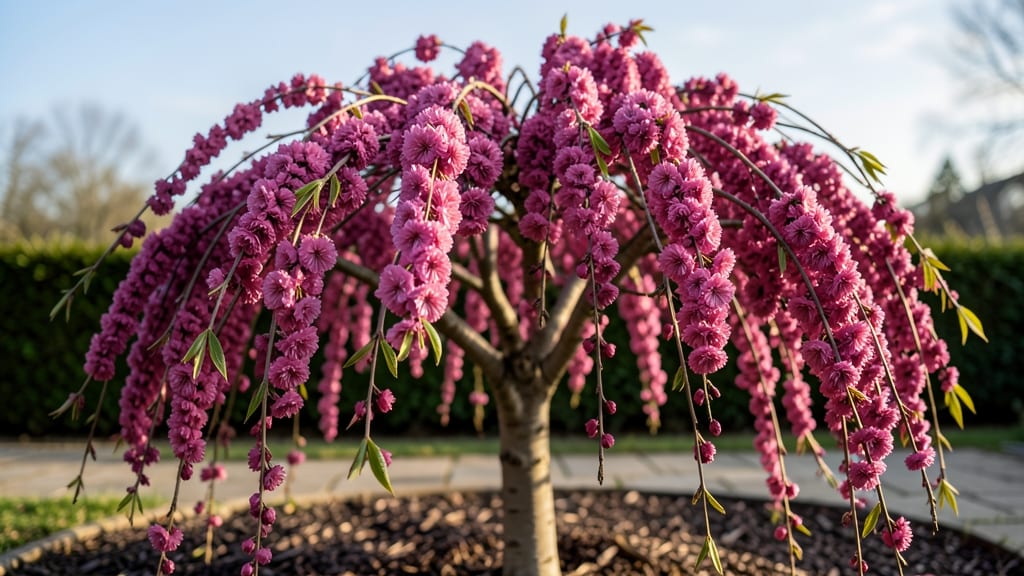
My weeping extraordinaire double-flowering cherry isn’t just a tree—it’s a living waterfall of pink and white blooms that turns every spring into a dreamy, romantic scene. 🌸 I planted mine near my patio last year, and the way its branches arch... gracefully toward the ground creates this magical, almost whimsical effect that no other tree can match.
The real magic happens when you place it strategically—near a seating area, along a walkway, or even as a standalone focal point in a small garden.
Its double flowers mean twice the impact, and the cascading branches provide year-round interest, whether it’s lush green foliage in summer or delicate winter branches. The best part? It pairs beautifully with evergreens for contrast or ground covers to soften its base.
With just a little seasonal pruning to maintain its shape, you’ll have a tree that looks like it belongs in a storybook. Imagine sipping morning coffee under its blossoms or hosting summer gatherings where the tree becomes the centerpiece.
This isn’t just a plant—it’s the kind of statement piece that makes neighbors stop and stare.
Perfect for urban gardens, cottage-style landscapes, or even large containers if space is tight. We’ll cover the easiest ways to showcase its drama without the fuss of high-maintenance care—because stunning shouldn’t mean complicated.
📚 In This Guide
- What you need
- Instructions
- Tips and common mistakes
- Wrapping up and next steps
What you need
- ● Weeping Extraordinaire Double Flowering Cherry Tree: Choose a healthy, 1- to 3-gallon container-grown specimen (or bare-root if planting in early spring). Look for vibrant pink or white double blooms!
- ● High-quality potting soil or native soil: Well-draining, slightly acidic soil (pH 5.0–6.5). For containers, use a mix of 50% potting soil + 30% perlite + 20% compost.
- ● Organic mulch: 2–3 inches of wood chips or shredded bark to retain moisture and regulate temperature.
- ● Slow-release fertilizer: A balanced 10-10-10 or cherry-tree-specific formula (apply at planting and again in early spring).
- ○ Support stake (optional but recommended): A 6-foot wooden or metal stake to secure young trees until roots establish (3–4 inches in diameter).
- ● Garden trowel or spade: For digging planting holes (1.5x wider than the root ball).
- ● Pruning shears: Sharp, bypass-style shears (sterilized with rubbing alcohol) for shaping and cleanup.
- ● Watering can or hose with a gentle spray nozzle: Avoid blasting roots—aim for deep, infrequent watering.
- ○ Gloves (optional): Heavy-duty gardening gloves to protect hands from thorns and rough bark.
- ○ pH testing kit (optional): To ensure soil acidity is ideal for cherry trees.
- ● Sunlight: A full-sun spot (6+ hours of direct light daily). Partial shade may reduce flowering.
- ● Space: Mature height of 15–25 feet with a 10–15-foot spread. Plant at least 10 feet from structures or other trees.
- ● Water access: A nearby hose or drip irrigation system for consistent moisture (especially critical in the first year).
- ● Patience: These beauties take 3–5 years to reach peak blooming glory, but the wait is so worth it! 🌸
Step-by-Step planting for a stunning weeping extraordinaire double flowering cherry
Here's how to establish this breathtaking tree with a graceful, cascading habit.
🌱 Step 1: Select and Prepare the Planting Site
Choose a location with full sun to partial shade—at least 6 hours of direct sunlight daily—and well-draining soil. This variety thrives in USDA Hardiness Zones 5-8, so verify your climate compatibility. Avoid low spots where water pools, as soggy roots will stunt growth.
Test your soil’s drainage by digging a 12-inch deep hole. If water stands after 30 minutes, amend with 2-3 inches of compost and a mix of sand or perlite to improve aeration. The tree’s sprawling branches need 15-20 feet of horizontal space to fully cascade, so space accordingly.
🪴 Step 2: Dig and Amend the Planting Hole
Dig a hole twice as wide as the root ball but no deeper—this prevents root suffocation. Loosen the sides of the hole with a shovel to encourage root expansion into surrounding soil. If your soil is heavy clay, blend in 1 part compost to 3 parts native soil for better moisture retention.
Place the tree in the hole so the top of the root ball sits 1-2 inches above ground level. This prevents water from pooling around the trunk. Gently backfill with the amended soil, pressing lightly to eliminate air pockets. Avoid compacting too firmly—roots need room to breathe.
☀️ Step 3: Water Thoroughly and Mulch
Water deeply immediately after planting—10-15 gallons—to settle the soil and eliminate air gaps. The root ball should absorb moisture slowly over 15-20 minutes. Overwatering now can suffocate roots, while underwatering stresses the tree.
Apply 2-3 inches of mulch (wood chips or shredded bark) around the base, keeping it 3 inches away from the trunk to prevent rot. Mulch retains moisture and regulates soil temperature. Replenish mulch annually to maintain depth—this variety’s shallow roots benefit from consistent moisture.
✂️ Step 4: Prune for Structure and Health
Prune only to shape in the first year—avoid heavy cuts. Remove any dead, crossing, or weak branches at the base using clean, sharp pruners. Make cuts just above a bud or lateral branch to encourage new growth. This variety’s weeping habit develops naturally, but light pruning prevents congestion.
Wait until late winter or early spring before the tree breaks dormancy to prune for flowering. Cut back slightly to open the canopy for better air circulation—this reduces disease risk and ensures vibrant blooms. Never prune during the growing season, as it stresses the tree.
Tips & tricks for perfect weeping extraordinaire double flowering cherry planting
Here's what nobody tells you about transforming your yard with this showstopper—details that make all the difference between a mediocre plant and a breathtaking centerpiece.
Sunlight Secret: While this variety thrives on 6 hours of sunlight daily, morning sun paired with afternoon shade works best in hotter climates. I've seen trees in Zone 8 locations struggle when planted in full afternoon sun—the leaves scorch before they fully develop that signature weeping habit. If your site gets intense afternoon heat, consider planting near a north-facing wall for natural shade protection.
Drainage Test Pro Tip: That 30-minute water test in Step 1 isn't just about drainage—it's about understanding your soil's natural moisture retention. If water disappears within 10 minutes, you're dealing with sandier soil that needs more frequent watering. If it's still standing after 45 minutes, you've got heavy clay that needs the full 2-3 inches of compost amendment. I learned this the hard way after watching a client's tree develop root rot in compacted soil.
Mulch Mastery: The 2-3 inches of mulch you apply isn't just for looks—it's a moisture regulator. For the first year, check mulch depth every 2 weeks, especially in summer. In hot climates, mulch can dry out and pull away from the soil. I recommend using cedar mulch because it breaks down slower and has natural pest-repelling properties that protect those delicate new shoots.
Pruning Precision: When you're making those cuts in Step 4, think of each snip as a conversation with the tree. Always cut just above a bud or lateral branch—this isn't arbitrary. The bud tells the tree where to grow next season's blooms. I carry a small magnifying glass when pruning new trees to identify those hidden buds. And remember, the late winter timing is critical because you're working with dormant wood that won't bleed sap like summer cuts would.
Pro Tips for Weeping Extraordinaire Double Flowering Cherry
- Here's what nobody tells you about transforming your yard with this showstopper—details that make all the difference between a mediocre plant and a breathtaking centerpiece.
- Sunlight Secret: While this variety thrives on 6 hours of sunlight daily, morning sun paired with afternoon shade works best in hotter climates.
- Drainage Test Pro Tip: That 30-minute water test in Step 1 isn't just about drainage—it's about understanding your soil's natural moisture retention.
Frequently asked questions
Got questions about the Weeping Extraordinaire Double Flowering Cherry? You’re not alone! Here are some of the most common queries—plus answers to help you grow this stunning tree with confidence.
How long does it take for this cherry tree to reach its full weeping form?
The Weeping Extraordinaire grows at a moderate pace, typically reaching its mature height (12–15 feet) and full cascading habit in 5–7 years with proper care. Early years focus on establishing roots, so be patient—those dramatic branches will unfold over time! Prune lightly in late winter to encourage a denser, more graceful shape.
Can I grow this tree in a container? If so, how large should the pot be?
While this cherry thrives in the ground, it can be grown in a large container (at least 24–36 inches wide and deep) for small spaces. Use well-draining soil and repot every 2–3 years. Warning: Containers limit root growth, so expect slower growth and less dramatic weeping. A sunny patio or balcony works, but monitor for drought stress—containers dry out faster!
Is this cherry tree cold-hardy? What zones does it tolerate?
The Weeping Extraordinaire is a USDA Hardiness Zones 5–8 champion, handling winters down to -20°F (-29°C). In colder zones, mulch the base in late fall to protect roots. Young trees may need winter wrap for the first few years, but once established, it’s low-maintenance and resilient. Just avoid planting in frost pockets where cold air settles.
Do double-flowering cherries produce fruit? Should I remove the blossoms?
Nope—this variety is ornamental-only, meaning it prioritizes showy blooms over fruit. Unlike fruiting cherries, you don’t need to prune flowers unless they become overcrowded. Let those pink and white double blooms shine! Heavy pruning post-bloom can stress the tree, so trim lightly in late winter to maintain its weeping shape.
What pests or diseases should I watch for, and how do I prevent them?
The Weeping Extraordinaire is generally pest-resistant, but keep an eye out for:
- Japanese beetles: Handpick or use neem oil if leaves show skeletonized patterns.
- Powdery mildew: Improve airflow with pruning and water at the base (avoid overhead spraying).
- Canker diseases: Prune infected branches 1/4 inch above the lesion with sterilized tools to prevent spread.
Can I plant this near my house or foundation? What’s the ideal spacing?
Yes, but plan ahead! This tree’s mature spread is 10–12 feet wide, so plant it 15–20 feet from structures to avoid root conflicts or foundation issues. Its shallow roots prefer loose, well-draining soil—avoid heavy clay unless amended. For urban gardens, consider its root flare (where roots meet the trunk) should sit 2–3 inches above ground level at planting.
Wrapping up and next steps
The Weeping Extraordinaire Double Flowering Cherry is a breathtaking addition to any garden, blending stunning visuals with low-maintenance charm. Its cascading blooms and graceful branches create a serene focal point that transforms outdoor spaces into dreamy retreats.
Whether you're a seasoned gardener or a beginner, this tree offers effortless elegance and year-round appeal.
Ready to bring this dramatic beauty to your yard? Start by checking your local nursery or online plant retailers—then grab your gardening gloves and get planting! 🌸 With the right care, you’ll soon be enjoying a living masterpiece that turns heads and soothes the soul.