
Flowers
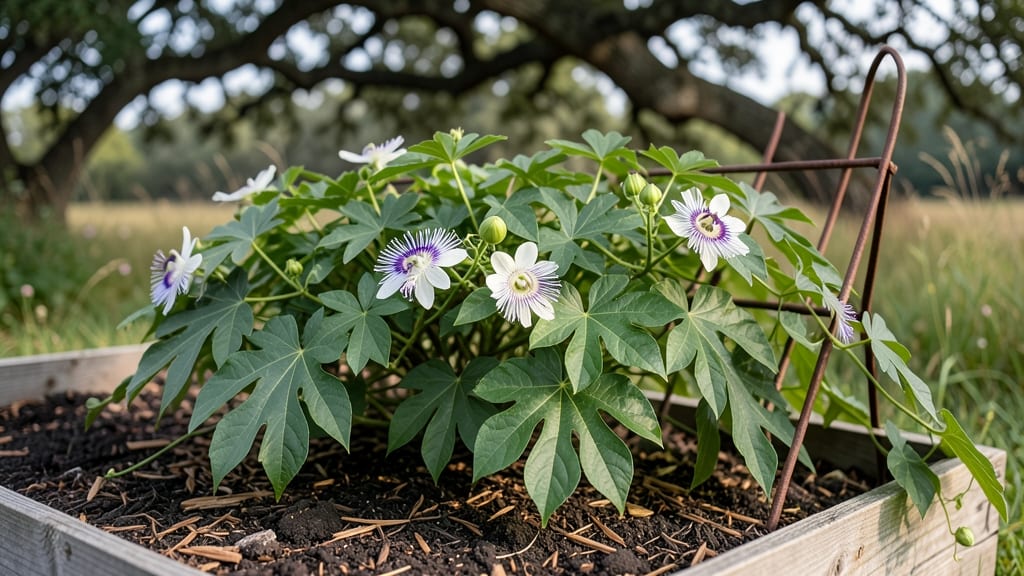
The white maypop passion flower (Passiflora incarnata) grows like a tropical dream in my zone 6 garden—fragrant, fast-growing, and packed with edible fruit. 🌿 This vine isn’t just beautiful; it’s a dual-purpose powerhouse, offering stunning blooms and sweet, citrusy fruit that tastes like a cross between a banana and a pineapple.
The key to success lies in mimicking its native woodland edges: partial shade, rich soil, and a little patience for those first vines to establish.
You’ll need a sturdy trellis or fence for support—this vine can climb 15–20 feet in a single season—and well-draining soil mixed with compost. Water consistently during the first year, but once established, it’s surprisingly drought-tolerant.
Prune back in early spring to encourage bushier growth, and watch those 3-inch-wide white flowers appear by midsummer, followed by the fruit in late summer or fall.
What you’ll end up with is a lush, fragrant vine that attracts hummingbirds and butterflies while providing shade and a unique harvest. The fruit ripens to a soft yellow, and the flavor is a pleasant surprise—sweet with a hint of tartness.
Plus, the vines spread easily, making them perfect for filling empty corners of your garden or adding drama to a trellis.
Works beautifully in zones 5–9, though it may need winter protection in colder climates. Whether you’re growing for the flowers, the fruit, or just the sheer tropical vibe, this passionflower delivers. Ready to give it a try?
📚 In This Guide
- What you need
- Instructions
- Tips and common mistakes
- Wrapping up and next steps
What you need
- ● Seeds or young plants: 1–3 Passiflora incarnata seeds (or a nursery-grown plant, if available).
- ● Well-draining potting mix: 10–15 lbs of a blend with 50% coco coir or peat moss and 50% perlite or vermiculite (for aeration).
- ○ Containers (optional for seedlings): 3–5 4-inch pots with drainage holes, or a 10–15 gallon grow bag for direct planting.
- ● Fertilizer: A balanced organic fertilizer (e.g., 5-5-5 or 10-10-10) or compost tea for nutrient-rich soil.
- ● Support structure: A 5–8 ft trellis, fence, or sturdy bamboo stakes (maypop vines can climb aggressively!).
- ● Watering can or hose: With a gentle spray nozzle to avoid disturbing seedlings.
- ● Pruning shears: Sharp, clean bypass pruners for trimming and shaping.
- ● Mulch: Straw or wood chips to retain moisture and suppress weeds.
- ● Shade cloth: 30–50% coverage for seedlings in hot climates.
- ● Epsom salt: 1 tbsp dissolved in water monthly for magnesium boosts.
- ● Garden journal: To track growth, flowering, and fruit production!
Step-by-Step instructions for cultivating white maypop passion flower vines
This hardy tropical vine thrives with patience and the right conditions—here's how to coax it into lush growth.
🌱 Step 1: Select the Perfect Planting Spot and Prepare the Soil
White maypop (Passiflora incarnata) craves full sun to partial shade—at least 6 hours of direct sunlight daily for optimal flowering and fruit production. Choose a location with well-draining soil and protection from strong winds, which can damage its delicate vines. I always test soil drainage by digging a 6-inch hole, filling it with water, and checking if it drains within 2 hours. If not, amend with 2-3 inches of compost or sand to improve aeration.
This vine tolerates a range of soil types but prefers slightly acidic to neutral pH (6.0-7.0). A simple soil test kit will confirm your soil's pH. If needed, adjust with elemental sulfur (for high pH) or lime (for low pH). Avoid heavy clay soils—roots need room to spread, and waterlogged conditions invite fungal diseases like root rot.
🪴 Step 2: Plant Your Vine at the Right Time and Depth
Plant bare-root cuttings or container-grown vines in early spring, after the last frost date in your zone. Dig a hole twice as wide as the root ball but only as deep as the container’s root level—burying too deep encourages stem rot. Gently loosen the roots if they’re circling in a pot, then place the vine in the hole and backfill with native soil mixed with 1 cup of bone meal for phosphorus, which encourages strong root development.
Water deeply right after planting to eliminate air pockets, then mulch with 2-3 inches of organic mulch (like shredded bark) to retain moisture and regulate soil temperature. Here’s the thing—maypop vines spread aggressively, so install a strong trellis or fence nearby during planting. You’ll want to train the vines upward early to prevent sprawling and make harvesting easier later.
☀️ Step 3: Water and Fertilize for Healthy Growth
Water deeply once a week during the first growing season, ensuring the soil is moist 6 inches down. Maypop vines are drought-tolerant once established but produce best with consistent moisture. You’ll know you’re watering right when the top 2 inches of soil feel dry to the touch—never let it stay soggy. Overwatering in containers or heavy clay soils leads to yellowing leaves and stunted growth.
Fertilize twice a year: once in early spring with a balanced 10-10-10 fertilizer and again in mid-summer with a low-nitrogen, high-phosphorus formula (5-10-10) to boost flowering. I avoid high-nitrogen feeds—too much green growth at the expense of flowers and fruit is a common mistake. Scatter granules around the drip line (not directly on the stem) and water thoroughly to activate them.
✂️ Step 4: Prune and Support for Maximum Yield
Prune in late winter or early spring before new growth begins. Remove dead, diseased, or crossing branches first, then cut back any leggy growth by one-third to encourage bushier, more productive vines. Maypop produces on new wood, so avoid heavy pruning in fall—you’ll sacrifice next year’s fruit. I also pinch back the tips of young vines in early summer to promote lateral branching, which increases flower and fruit production.
Train vines onto a strong trellis or arbor as they grow. Maypop’s tendrils wrap clockwise, so guide them upward gently. If left unchecked, vines can reach 20 feet, but a 10-foot trellis is plenty for most gardens. Real talk: if you’re growing in zones 7-9, you’ll get two harvests a year—prune lightly in fall to tidy up but leave some growth for winter interest.
🍓 Step 5: Harvest and Encourage Repeat Blooming
Fruit ripens in late summer to fall, turning from green to yellow with a white powdery coating (hence the name "maypop"). Harvest when fully ripe—unripe fruit won’t soften off the vine. The flavor is tropical, custard-like, and best enjoyed fresh or in jams. Wear gloves when handling—some people develop skin irritation from the vine’s fine hairs.
After harvesting, remove spent flowers and fruit to redirect the plant’s energy into new growth. Maypop is a self-pollinating species, but you can improve yields by gently shaking the vines on a warm, sunny morning to release pollen. Deadhead regularly to prevent seed production, which saps energy from flowering. With proper care, a single vine can produce dozens of fruit per season.
Tips & tricks for cultivating thriving white maypop passion flower vines
These insider strategies will help you transform your maypop vine from a delicate cutting into a prolific producer of edible fruit and stunning flowers.
Sunlight Strategy: While the instructions call for 6 hours of direct sunlight daily, I've found that vines in partial shade (especially in hotter climates) actually produce more flowers if they get morning sun and afternoon shade. The key is to avoid the harsh midday sun that can scorch leaves. Watch your vine's leaves—if they look pale or crispy at the edges, it's getting too much direct heat. A simple shade cloth (30-50%) during peak afternoon hours can make all the difference in maintaining that lush green growth.
Soil Drainage Test: That 2-hour drainage test in Step 1 is non-negotiable for maypop vines. I learned this the hard way after watching two vines develop root rot in heavy clay soil. For containers, use a mix of 60% potting soil, 20% perlite, and 20% coarse sand to replicate that ideal drainage. Pro tip: If you're planting in raised beds, add a 2-inch layer of gravel at the bottom before filling with amended soil—this creates a natural drainage layer that prevents waterlogging.
Fertilizer Timing: The twice-yearly fertilization schedule in Step 3 works beautifully, but here's what nobody tells you—maypop vines actually respond better to smaller, more frequent feedings than heavy applications. Instead of the full 10-10-10 dose twice a year, I divide each application into two smaller feedings: once in early spring and again in late spring, then repeat in early summer and late summer. This steady nutrient supply prevents that sudden flush of green growth at the expense of flowers that so many gardeners encounter.
Harvesting Hack: When those fruits turn yellow with white powder in Step 5, resist the urge to harvest immediately! Give them 3-5 extra days on the vine—the sugar content peaks at this stage, and the custard-like flavor becomes truly exceptional. I keep a small notebook by my maypop plants to track when each fruit appears, as they often ripen in clusters. This timing variation is why some fruits seem sweeter than others—patience pays off with that perfect tropical flavor we're all chasing.
Pro Tips for White Maypop Passion Flower
- These insider strategies will help you transform your maypop vine from a delicate cutting into a prolific producer of edible fruit and stunning flowers.
- The key is to avoid the harsh midday sun that can scorch leaves.
- Soil Drainage Test: That 2-hour drainage test in Step 1 is non-negotiable for maypop vines.
Frequently asked questions
Got questions about growing white maypop passion flowers? You’re not alone!
Here are some of the most common inquiries—plus quick, practical answers to help you cultivate these tropical vines with confidence.
How fast does white maypop passion flower grow?
White maypop vines are fast growers! With ideal conditions (warmth, humidity, and regular watering), they can climb 10–20 feet in a single season. Expect rapid growth during spring and summer, but growth slows in cooler months. Provide a sturdy trellis or fence early to support their aggressive (but beautiful!) sprawl.
When is the best time to plant white maypop passion flowers?
Plant in early spring after the last frost (zones 8–11) or in late spring/summer in cooler climates. Young plants are frost-sensitive, so wait until soil temps stay above 60°F (15°C). If you’re starting from seeds, sow indoors 8–10 weeks before the last frost for a head start.
Are the fruits and flowers of white maypop edible?
Yes! Both the flowers and fruits are edible and delicious. The fruit (maypop) has a sweet, tangy flavor like a mix of pineapple and banana, while the flowers are often used in salads or garnishes. Pro tip: Harvest fruits when they turn yellow and feel soft—overripe ones get mealy. Always wash thoroughly before eating!
What pests or diseases should I watch for?
White maypop is generally pest-resistant, but keep an eye out for aphids, spider mites, or whiteflies (common on tropical plants). Treat infestations early with neem oil or insecticidal soap. Fungal issues like powdery mildew can occur in humid conditions—improve airflow and avoid overhead watering to prevent problems.
Can white maypop grow in containers? What’s the best setup?
Choose a large container (at least 15–20 gallons) with drainage holes and a fast-draining potting mix. Use a trellis or cage to guide the vine upward. Place in full sun to partial shade and water regularly—containers dry out faster than garden beds. In cooler climates, bring pots indoors before frost or grow as an annual.
Wrapping up and next steps
Growing white maypop passion flowers is a rewarding journey that brings beauty, fragrance, and edible delights to your garden. Whether you’re drawn to their stunning blooms or the promise of sweet, tropical fruit, this resilient vine thrives with just a little care—perfect for both beginners and seasoned gardeners! 🌿
Ready to turn your space into a lush, fruiting paradise? Start by gathering your supplies, then plant with confidence. Watch as your vine climbs, blooms, and eventually treats you to those rare, moonlit fruits—nature’s hidden gem! 🌙✨