
Propagation
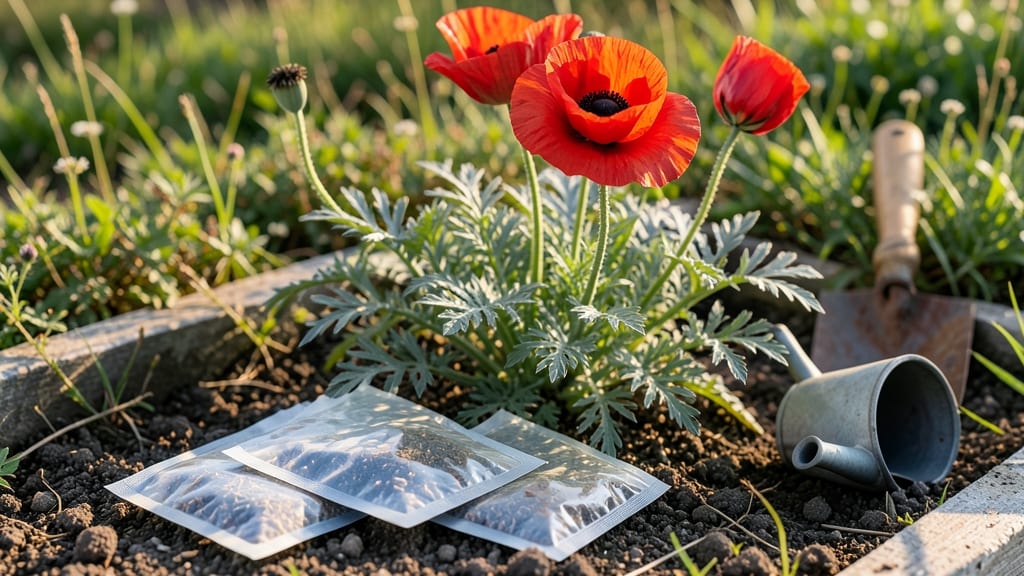
Those tiny wildflower poppy seeds hold the secret to a garden that blooms from spring through fall. 🌸 I remember the first time I scattered them—just a handful of dust-like seeds—and within weeks, my yard transformed into a sea of delicate orange, pink, and white blooms that lasted for months.
Poppies thrive with minimal fuss: well-draining soil, full sun, and light watering after germination. The real magic happens when you let them naturalize—no digging, no fuss, just more flowers each year. They’re perfect for borders, meadows, or even container gardens where you want effortless color.
You’ll end up with vibrant, self-seeding plants that attract bees, butterflies, and hummingbirds. The blooms open wide in the morning and close by afternoon, a daily show that never gets old. Best of all? They come back stronger every season with almost no work from you.
Whether you’re planting in early spring or late summer, these seeds adapt to most climates. Just avoid heavy clay soils, and you’re golden. Ready to turn a patch of dirt into a pollinator paradise? Let’s get those seeds in the ground.
📚 In This Guide
- What you need
- Instructions
- Tips and common mistakes
- Wrapping up and next steps
What you need
- ● Wildflower poppy seeds: 1 packet (typically 0.1–0.5 oz or ~5–15g, depending on variety). Look for Papaver rhoeas (Corn Poppy) or Eschscholzia californica (California Poppy) for best results.
- ● Well-draining potting mix: 1 bag (1–2 cubic feet) of lightweight, sandy soil blend (avoid heavy clay—poppies hate soggy roots!).
- ● Planting containers or garden bed: For containers: 4–6" deep pots with drainage holes (1–2 seeds per pot).
- ● For garden beds: A sunny spot (6+ hours of sunlight daily) with loose, rocky soil.
- ● Watering can or spray bottle: With a gentle mist setting (poppy seeds need moisture but not drowning!).
- ○ Gloves (optional but recommended): Poppy seeds can be irritating to sensitive skin.
- ● Hand trowel or small rake: For breaking up soil and creating shallow furrows (¼" deep).
- ● Seedling trays (if starting indoors): With clear domes or plastic wrap to retain humidity.
- ● Compost or slow-release fertilizer: A small bag (5–10 lbs) of balanced 10-10-10 or organic compost for nutrient-boosting.
- ● Mulch (straw or gravel): To retain moisture and deter weeds (skip if planting in containers).
- ● Plant labels: To track varieties if growing multiple types.
- ● Pruning shears: For deadheading spent blooms (encourages more flowers!).
Step-by-Step instructions for cultivating wildflower poppies
Here’s how to coax those delicate poppy blooms from tiny seeds—no fancy greenhouse needed.
🌱 Step 1: Prepare the Soil for Light, Fast Germination
Poppy seeds need a loose, well-draining mix to break through quickly. Scratch the soil surface with a rake or your fingers to create a rough, uneven bed—this helps seeds make contact with the earth. Avoid compacting the soil; poppies despise dense ground. If your soil is heavy clay, mix in 1 inch of coarse sand per square foot to improve drainage.
Poppies thrive in full sun but will tolerate partial shade in hot climates. Mark the planting area with stakes or string to avoid disturbing the soil later. Real talk: poppy seeds are tiny—think 1/16 inch long—so don’t bury them. A light press with your palm ensures they stay in place without being smothered.
💧 Step 2: Sow Seeds and Water Gently
Scatter seeds sparingly—they self-sow aggressively, so you’ll end up with more plants than you need. Aim for 10-15 seeds per square foot. Press them lightly into the soil so they don’t wash away during watering. Here’s the thing—poppies need moisture to germinate, but they’ll rot if overwatered. Use a fine mist from a spray bottle or a gentle watering can with a rose attachment to keep the soil damp but not soggy.
Water once daily for the first 7-10 days until you see tiny green shoots. After germination, reduce watering to every 3-4 days, letting the top inch of soil dry between sessions. Overwatering now will drown your seedlings before they even get a chance to bloom.
☀️ Step 3: Provide Sun and Space for Strong Growth
Poppies grow fast—3-4 weeks from seed to first blooms—but they need 6+ hours of direct sunlight daily to thrive. If your garden gets afternoon shade, plant them where they’ll catch morning sun. You’ll notice leggy, weak stems if light is insufficient. Move containers or thin seedlings to ensure 6-12 inches of space between plants; crowding leads to floppy stems and fewer blooms.
Once seedlings reach 2 inches tall, thin them to the strongest plants. Snip weaker stems at the base with clean scissors—don’t pull, or you’ll disturb the roots of the ones you’re keeping. Poppies are tough; they’ll bounce back from thinning, and you’ll end up with bold, vibrant blooms instead of a sea of spindly stems.
✂️ Step 4: Deadhead and Encourage Self-Sowing
When blooms fade, snip the spent flowers with clean pruners to redirect energy into new growth. Deadheading also prevents self-seeding where you don’t want it. Poppies are annuals, but they volunteer prolifically—next season, you’ll find surprise blooms popping up everywhere. If you want to control where they grow, collect seeds from a few plants and scatter them intentionally.
For a continuous display, sow a new batch every 4-6 weeks. Poppies bloom for 2-3 weeks per cycle, so staggered plantings keep your garden in color year-round. Just remember: these seeds won’t store well—plant them fresh for the best germination rates.
Tips & tricks for perfect wildflower poppy cultivation
Common pitfalls—and how to sidestep every one—when growing these delicate blooms from seed.
Soil Texture Matters: In Step 1, don't just scratch the soil—create a rough, uneven surface by raking in two directions. This mimics natural disturbance and gives those 1/16-inch seeds better contact with the earth. For clay-heavy soil, mix in 1 inch of coarse sand per square foot before planting. I learned this the hard way after watching seeds fail to germinate in compacted ground.
The Watering Balance: During the critical 7-10 day germination window in Step 2, consistency is key. Use a fine mist setting on your watering can to maintain damp, not soggy soil. I've seen entire batches of seedlings drown because of overzealous watering—poppies are delicate but not swamp plants. After germination, let the top inch dry between waterings to prevent rot.
Sunlight Strategy: Step 3's 6+ hours of direct sunlight is non-negotiable, but placement matters. If you're in a hot climate, morning sun with afternoon shade works best. I've noticed poppies in full afternoon sun develop a reddish tint and weaker stems. For containers, rotate them weekly to ensure even sun exposure on all sides.
Thinning Technique: When seedlings reach 2 inches tall, use clean scissors to snip weaker stems at the base rather than pulling. This prevents disturbing the roots of your keepers. I've found that thinning at this stage gives you bold, vibrant blooms instead of a forest of spindly stems competing for resources.
Pro Tips for Wildflower Poppy Seeds
- Common pitfalls—and how to sidestep every one—when growing these delicate blooms from seed.
- Soil Texture Matters: In Step 1, don't just scratch the soil—create a rough, uneven surface by raking in two directions.
- The Watering Balance: During the critical 7-10 day germination window in Step 2, consistency is key.
Frequently asked questions
Got questions about growing wildflower poppy seeds? You’re not alone! Here are some of the most common queries—and their answers—to help you cultivate a vibrant, low-maintenance garden with ease.
When is the best time to plant wildflower poppy seeds?
Poppy seeds thrive in cool seasons, so aim for late summer to early fall (August–October) for spring blooms. For winter color, plant in late fall (November–December). Avoid planting in scorching summer heat—they germinate best in temperatures between 40–70°F (4–21°C). Pro tip: A light frost won’t harm them!
How long does it take for wildflower poppy seeds to germinate and bloom?
Germination is fast—usually 7–14 days—but blooms take patience! Expect flowers to appear 6–8 weeks after planting in ideal conditions. Some varieties, like California poppies, may take slightly longer (up to 10 weeks). Patience pays off—once they bloom, they’ll reward you with weeks of color!
Can I grow wildflower poppy seeds in containers or do they need a garden bed?
Poppies adapt well to containers, window boxes, or raised beds as long as the soil drains quickly. Use a mix of potting soil and perlite to prevent root rot. Just ensure the pot has drainage holes and is at least 6–8 inches deep—their taproots need room to stretch!
Will poppies self-seed and spread on their own?
Yes! Poppies are prolific self-seeders, meaning they’ll drop seeds that sprout into new plants next season. To control spread, deadhead spent blooms before seed pods form. If you love wild, naturalized gardens, let them go—they’ll create a stunning, low-maintenance meadow over time!
Why aren’t my poppy seeds germinating? Troubleshooting tips.
If your seeds aren’t sprouting, check these common issues:
- Too deep: Poppy seeds need light to germinate—plant them just ¼ inch deep or sprinkle on top of soil.
- Overwatering: Keep soil moist but not soggy; poppies hate "wet feet."
- Heat stress: Seeds may wait for cooler temps. Try stratifying (chilling seeds for 1–2 weeks) if planting in summer.
- Poor soil: Amend heavy clay with sand or compost for better drainage.
Still stuck? Try pressing seeds gently into the soil with a board for better contact.
Wrapping up and next steps
Growing wildflower poppy seeds is a rewarding journey that brings vibrant color and life to your garden with minimal effort! 🌸 Whether you're a seasoned gardener or a beginner, these resilient seeds thrive in diverse conditions and reward patience with stunning blooms.
Now that you’re equipped with the right knowledge, why not start small? Try planting a few seeds in a sunny spot this weekend—your garden (and local pollinators!) will thank you.
Pro tip: Share your progress with fellow gardeners or snap photos of your blooms—inspiration spreads faster than poppy seeds in the wind! 🌱