
Planting
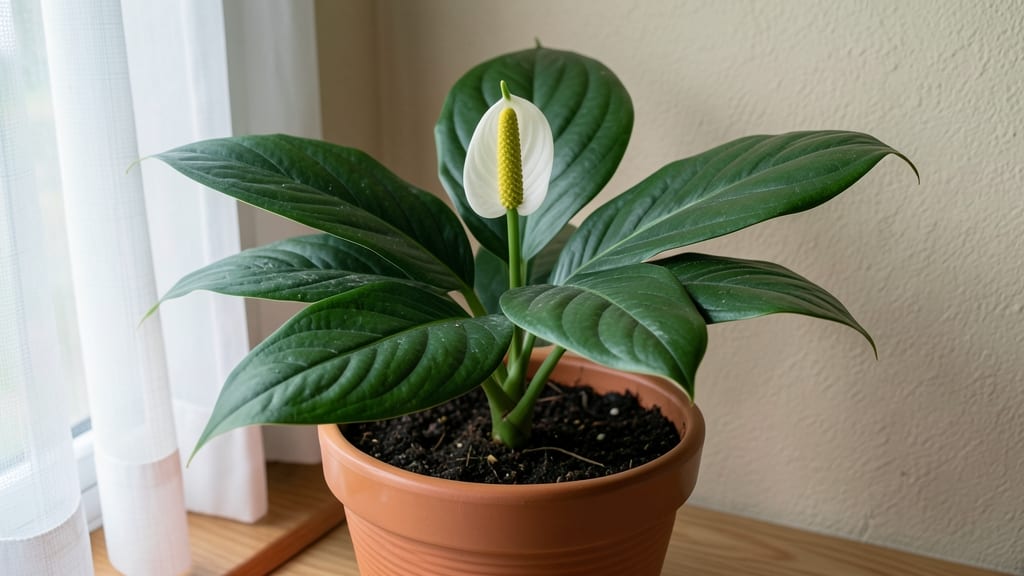
A yellow flower house plant instantly lifts any room with sunshine you can touch—no window required. 🌼 I’ve collected the brightest bloomers that thrive indoors, from the bold Kalanchoe’s fiery clusters to the delicate Calathea’s chartreuse spikes.
These aren’t just plants; they’re mood boosters that pair perfectly with blues and greens for that fresh, airy vibe.
What makes these stand out? Most need just a few hours of light and occasional watering—ideal for busy lives. My go-to is the Kalanchoe, which blooms for months with almost no fuss, while Calathea adds texture with its ribbed leaves.
The key is matching their care to your space: bright light for Kalanchoe, indirect for Calathea.
Imagine your living room bathed in golden hues, or a sunny yellow pop on a dark shelf. These plants do double duty as decor and conversation starters.
Pair a Kalanchoe with a ceramic pot and eucalyptus stems for instant warmth, or let a Calathea’s fronds trail elegantly from a hanging planter.
Perfect for renters, new plant parents, or anyone tired of dull decor. Let’s bring that sunshine indoors—without the commitment of a full garden.
📚 In This Guide
- What you need
- Instructions
- Tips and common mistakes
- Wrapping up and next steps
What you need
- ● Yellow flowering house plant: 1 Hibiscus rosa-sinensis (indoor-friendly variety) OR
- ● 1 Lantana (compact, trailing type) OR
- ● 1 Marigold (Tagetes) (dwarf variety for indoor pots)
- ● Pot: 1 ceramic or terracotta pot (8–12 inches in diameter) with drainage holes (or a repurposed container with added holes)
- ● Potting mix: 1 bag (5–10 quarts) of well-draining cactus/succulent mix OR regular potting soil amended with perlite (1:1 ratio)
- ● Drainage layer: Small pebbles, gravel, or broken pottery shards (1–2 inches deep)
- ● Watering can or spray bottle: With a narrow spout for precise watering
- ● Pruning shears: Small, sharp pair for trimming dead blooms or shaping
- ● Fertilizer: 1 balanced liquid fertilizer (10-10-10 or 20-20-20) OR slow-release granules
- ● Self-watering pot or moisture meter to monitor soil dryness
- ● Decorative pot cover or saucer to catch excess water
- ● Grow lights (LED full-spectrum) if natural light is limited
- ● Yellow-tinted glass or sheer curtain for indirect light control
- ● Compost or worm castings for nutrient boost (mix 10% into soil)
How to care for a thriving yellow flower house plant
Here's the proven routine I use to keep sun-loving bloomers vibrant indoors.
🪴 Step 1: Select the Right Spot for Maximum Light Exposure
Position your yellow-flowered house plant within 3-6 feet of a south- or west-facing window where it receives 4-6 hours of direct sunlight daily. East windows work too, but you'll need to supplement with a grow light for 2-3 hours if the plant starts stretching toward the window—a sign it's light-starved.
Rotate the plant a quarter turn weekly to prevent uneven growth toward the light source. You'll notice leaves leaning toward the window? That's your cue to move it closer or add a grow light. I test light levels by holding my hand near the plant—if it feels warm, that's ideal brightness for most yellow-flowering varieties.
💧 Step 2: Master the Watering Balance for Healthy Blooms
Water when the top 1-2 inches of soil feel dry to the touch, typically every 7-10 days depending on your home's humidity. Stick your finger in the soil—if it's damp just below the surface, wait another day. Overwatering causes yellow leaves and root rot, while underwatering leads to droopy blooms.
Use room-temperature water and water until it runs freely from the drainage hole. Empty the saucer 10 minutes later to prevent soggy roots. I've found that misting the leaves occasionally (especially for plants like Marigold or Golden Pothos) helps maintain humidity without waterlogging the soil.
☀️ Step 3: Fertilize for Continuous Blooming Season
Feed your plant with a balanced liquid fertilizer (10-10-10 or 20-20-20) diluted to half-strength every 4-6 weeks during spring and summer. You'll see the difference in brighter yellow blooms and lush foliage within 2-3 weeks of consistent feeding. Cut back to once every 8-10 weeks in fall and winter when growth slows.
For organic options, use a fish emulsion or seaweed extract monthly. Always water the plant first to prevent fertilizer burn, which appears as brown leaf tips. I like to fertilize in the morning so the plant has time to absorb nutrients before evening.
✂️ Step 4: Prune and Deadhead for Long-Lasting Color
Trim back leggy stems by one-third to encourage bushier growth and more blooms. Use clean, sharp scissors to cut just above a leaf node at a 45-degree angle. This prevents water from pooling on the cut and causing rot. I prune in late winter to shape the plant before the growing season kicks in.
Deadhead spent blooms by pinching off the flower stem just above the next set of leaves. This redirects the plant's energy toward producing new flowers instead of seed pods. You'll notice a surge of fresh blooms within 2-3 weeks of regular deadheading. For plants like Golden Barrel Cactus or Yellow Bird of Paradise, remove only the faded flowers—never cut back the entire stem.
Tips & tricks for perfect yellow flower house plant care
Common pitfalls—and how to sidestep every one—when nurturing vibrant yellow bloomers indoors.
Light Testing: That warm-hand test near your plant isn't just a trick—it's science. The ideal spot should feel like a summer afternoon on your skin, not a gentle morning breeze. For plants like Golden Barrel Cactus or Marigold, this warmth triggers the photosynthetic processes that produce those signature yellow pigments. If your window doesn't provide enough heat, supplement with a grow light positioned 6-12 inches away for those critical 2-3 hours mentioned in Step 1.
Watering Wisdom: The top 1-2 inches rule works, but here's what nobody tells you: tap water often contains chlorine that can stress plants. Let tap water sit uncovered for 24 hours before using to allow chlorine to dissipate. For tropical varieties like Yellow Bird of Paradise, increase misting to every 3-4 days during winter when indoor air gets dry. The key is consistency—yellow bloomers hate moisture extremes, which cause those dreaded brown leaf tips.
Fertilizer Timing: Those 4-6 weeks between feedings during growing season might seem long, but here's why it works: plants absorb nutrients in pulses. Always fertilize in the morning so the plant has 8-10 hours of daylight to process nutrients before nightfall. For organic growers, switch to fish emulsion every 6 weeks—it contains micronutrients that boost yellow pigment intensity. I've seen plants develop deeper golden hues within just 2-3 weeks of this adjustment.
Pruning Precision: When trimming those leggy stems by one-third, focus on the 45-degree angle cut—it's not just about aesthetics. This angle prevents water from pooling on the cut surface, which would otherwise create perfect conditions for bacterial rot. For flowering varieties, always cut just above a leaf node where new growth will emerge. This technique stimulates bushier growth and more abundant blooms, often within 4-6 weeks of regular pruning.
Pro Tips for Yellow Flower House Plant
- Common pitfalls—and how to sidestep every one—when nurturing vibrant yellow bloomers indoors.
- Light Testing: That warm-hand test near your plant isn't just a trick—it's science.
- Watering Wisdom: The top 1-2 inches rule works, but here's what nobody tells you: tap water often contains chlorine that can stress plants.
Frequently asked questions
Got questions about keeping your yellow flower house plant thriving? You’re not alone! Here are answers to the most common queries to help you grow a vibrant, sun-loving green friend.
What’s the easiest yellow-flowering house plant for beginners?
Start with Marigolds (Tagetes) or Golden Pothos (Epipremnum aureum)—both are hardy, low-maintenance, and produce cheerful yellow blooms or variegated leaves. For true flowers, African Marigold (Tagetes erecta) is a top pick!
How often should I water my yellow-flowering house plant?
Most yellow-flowering plants like well-draining soil and prefer watering when the top inch feels dry. Overwatering is the #1 killer—stick your finger in the soil to check! Snake plants (Sansevieria) and Zebra plants (Haworthiopsis) (with yellow-green stripes) thrive on neglect, while Gerbera daisies need consistent moisture.
Can yellow flower house plants survive in low light?
Most sun-loving yellow bloomers (like Calendula or Sunflower varieties) need 4–6 hours of bright, indirect light daily. For low-light spots, opt for Peperomia obtusifolia (Baby Rubber Plant) with golden leaves or Spider Plant (Chlorophytum comosum ‘Variegatum’)—both tolerate shade but may bloom less.
Why aren’t my yellow flowers blooming? Troubleshooting tips!
Check these fixes:
- Light: Move to a sunnier window (south- or west-facing).
- Nutrients: Feed with balanced fertilizer (like 10-10-10) every 4–6 weeks in spring/summer.
- Stress: Avoid drafts or sudden temperature swings.
- Age: Some plants (like African Violets) need 6+ months to bloom.
What’s a great alternative if I can’t keep a flowering plant alive?
Try foliage plants with yellow hues for zero-fuss color:
- Lemon Button Fern (Nephrolepis cordifolia ‘Duffii’) – Bright yellow-green fronds.
- Citrus-scented Geranium (Pelargonium ‘Citronella’) – Fragrant, drought-tolerant.
- Bird of Paradise (Strelitzia nicolai) – Striking yellow-green leaves (and occasional blooms!).
Wrapping up and next steps
Bringing a yellow flower house plant into your home isn’t just about adding color—it’s about transforming your space into a vibrant, uplifting sanctuary! 🌼 These cheerful blooms thrive with the right care, and now you’re equipped with all the knowledge to keep them flourishing.
Whether you’ve chosen a sunny Marigold or a low-maintenance Golden Pothos, your green thumb is ready to shine.
Ready to take the next step? Pick your favorite yellow bloomer and start your plant journey today—your indoor oasis awaits! 🌱