
Propagation
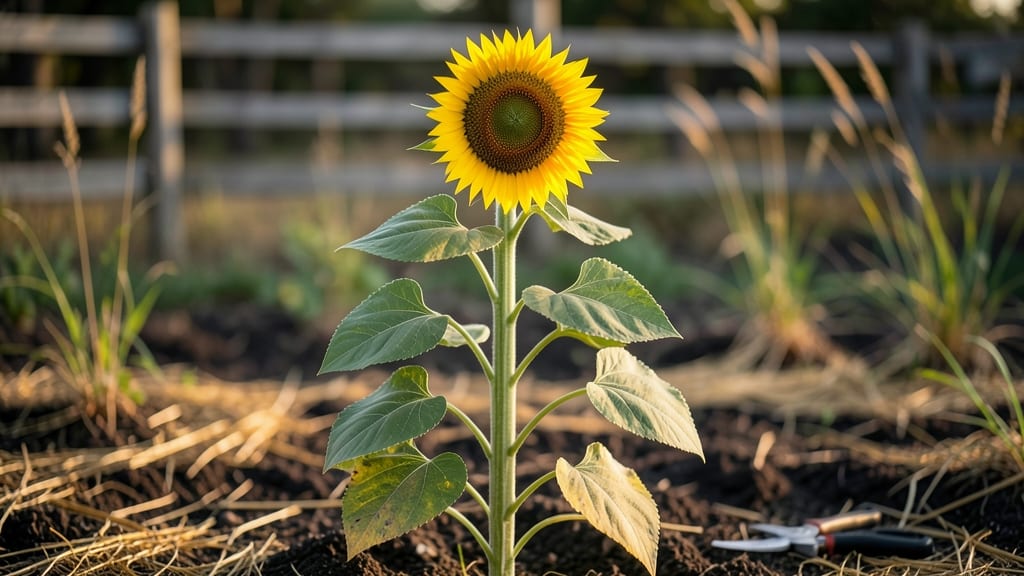
American Giant Hybrid sunflower seeds promise the kind of sunflowers that make neighbors stop and stare—towering 12-foot giants with blooms the size of dinner plates. 🌻 I planted my first batch last spring, and within 90 days, I had sunflowers that dwarfed my house, their golden faces tracking the sun like eager children.
The secret isn’t just in the seeds, though—it’s in the soil, the spacing, and the patience to let them grow wild enough to impress even the most skeptical gardener.
These sunflowers aren’t just tall—they’re disease-resistant, drought-tolerant once established, and perfect for cut flowers that last 7-10 days in a vase. You’ll need deep, well-draining soil, full sun (at least 6-8 hours daily), and space to let them stretch their legs—think 2-3 feet apart in rows.
The biggest mistake? Planting too close and watching them compete for sunlight instead of reaching their full potential. I learned that the hard way when my first batch leaned like drunkards in a windstorm.
By midsummer, you’ll be harvesting blooms that double as bird feeders and conversation starters. The stems are sturdy enough to support their own weight, so you won’t need stakes unless you’re in a windy area.
Plus, the seeds themselves are a nutritious snack for birds—or for you, if you’re patient enough to wait for them to dry. The trade-off? They take up serious space, so plan accordingly if your yard is small.
Whether you’re growing them for cut flowers, pollinators, or just the sheer joy of watching something grow this big, these sunflowers deliver. The key is consistency—water deeply 1-2 times per week once they’re established, and don’t be tempted to fertilize heavily.
These giants thrive on good soil and sunlight, not chemical boosts. Ready to turn your garden into a sunflower skyline?
📚 In This Guide
- What you need
- Instructions
- Tips and common mistakes
- Wrapping up and next steps
What you need
- ● Seeds: 1 packet of American Giant Hybrid Sunflower Seeds (50–100 seeds per packet, depending on the brand).
- ● Growing Containers: Direct sowing: A well-drained garden bed (6–12 inches deep, 18+ inches apart for full growth).
- ● Container gardening: Large pots (at least 12 inches deep and 18 inches in diameter) with drainage holes.
- ● Potting Soil: 5–10 gallons of high-quality, well-draining potting mix (or garden soil amended with compost).
- ● Watering Can or Hose: With a gentle spray nozzle for even moisture.
- ● Fertilizer: Balanced, slow-release fertilizer (10-10-10 or similar) or compost tea for organic growth.
- ● Garden Gloves: To protect your hands while handling soil or seeds.
- ● Trowel or Transplanter: For digging holes or moving seedlings.
- ● Mulch: Straw or wood chips to retain moisture and suppress weeds.
- ○ Stakes or Trellis: (Optional) For tall varieties—install early to avoid root disturbance.
- ○ Sunflower Food: (Optional) Specialized sunflower fertilizer for faster, bigger blooms.
Step-by-Step instructions for growing American Giant Hybrid sunflowers
Here's how to coax those massive blooms from tiny seeds—no fancy tools needed.
🌱 Step 1: Prepare the Planting Site for Maximum Growth
Sunflowers need space to stretch their legs. Choose a spot with full sun exposure (at least 6-8 hours daily) and well-draining soil. If your soil is heavy clay, mix in 2-3 inches of compost from your materials list to improve aeration and moisture retention. I always test drainage by digging a 6-inch hole, filling it with water, and waiting—if it drains in under an hour, you're good to go.
Loosen the top 12 inches of soil with a garden fork or tiller to break up compaction. Sunflowers have deep taproots that need easy access to nutrients. If your soil is sandy, add a 1-inch layer of organic matter to help retain moisture during their rapid growth phase. The goal is soil that feels like a damp sponge—not sticky or powdery.
🌱 Step 2: Plant Seeds at the Right Depth and Spacing
Sow seeds ½ inch deep and 18-24 inches apart in rows 2-3 feet apart to give roots room to spread. I plant mine in late spring after the last frost when soil temperatures reach 55°F—cold soil slows germination. Drop 2-3 seeds per hole (you'll thin later) and cover lightly with soil. Press gently to ensure good seed-to-soil contact, but don't compact.
Water immediately after planting to settle the soil and trigger germination. Keep the area moist (not soggy) until sprouts appear in 7-14 days. Here's the thing—if you plant too shallow, seeds dry out; too deep, and they struggle to break through. The ½-inch rule works every time for these giants.
☀️ Step 3: Provide Consistent Water and Nutrients
Sunflowers drink heavily as they grow. Water deeply 2-3 times per week once they're 1 foot tall, aiming for 1-2 inches of water per week. I use a soaker hose to deliver moisture directly to the roots without wetting foliage (which invites disease). Watch for wilting leaves—this is your cue to water immediately, but don't overdo it. Soggy soil leads to root rot.
Fertilize lightly at planting with a balanced 10-10-10 formula (follow package rates), then again when plants reach 3 feet tall. Too much nitrogen makes them focus on leaves instead of that massive bloom. I swear by compost tea for the final push—it boosts microbial activity without burning roots. Stop fertilizing once buds form to redirect energy to flowering.
✂️ Step 4: Support and Maintain for Towering Success
American Giants need staking when they hit 4 feet tall. I use 6-foot bamboo stakes driven 6 inches deep into the soil beside each plant, then tie stems loosely with soft garden twine every 2 feet. The goal is to guide, not restrict—tight ties strangle stems as they thicken. Check ties weekly and adjust as the plant grows.
Remove any side shoots that form below the main stem to concentrate energy on the primary bloom. Deadhead spent flowers if you want multiple blooms per stalk, but save that effort for late summer if you're growing for seed. Watch for pests like sunflower moths—handpick larvae or spray with neem oil at the first sign of damage. Healthy foliage means bigger blooms.
⏰ Step 5: Harvest and Enjoy Your Giant Blooms
Cut stems when 75% of petals open for the longest vase life. I harvest in the early morning when moisture levels are highest—this keeps blooms fresh for 7-10 days. Leave some plants to mature for seeds if you want to collect them for next year. The seed heads dry fully when they turn brown and rattle when shaken.
For seed saving, let heads dry on the stalk, then hang them upside down in a well-ventilated spot. Once fully dry, rub the head to release seeds. Store in a cool, dry place for up to 2 years. Real talk: These sunflowers are worth the wait—nothing beats the sight of a 10-foot-tall bloom towering over your garden.
Tips & tricks for growing American Giant Hybrid sunflowers
Here's what I learned after growing these giants for years—avoid these common mistakes and watch your sunflowers reach their full potential.
Soil Preparation Secret: The 12-inch deep loosening in Step 1 isn't just about breaking up soil—it's about creating a "highway" for those deep taproots. I've seen plants struggle when the top layer is compacted, even if the soil looks good at first glance. Use a broadfork to loosen without disturbing the soil structure too much. For clay-heavy soils, mix in 2-3 inches of compost and let it sit for 2 weeks before planting to fully integrate. This pre-treatment prevents waterlogging that can drown young roots.
Planting Precision: The ½-inch planting depth in Step 2 is non-negotiable for these giants. Too shallow and they'll dry out; too deep and they'll struggle to emerge. I plant mine using a simple ruler marked at ½-inch to ensure consistency. For the 18-24 inch spacing, think of it as giving each plant its own personal space—crowding leads to competition for nutrients and weaker stems. If you're short on space, go for the 24-inch spacing and stake earlier (around 3 feet tall instead of 4 feet).
Watering Wisdom: Once your sunflowers hit 1 foot tall, they'll drink like teenagers at an all-you-can-eat buffet. The 2-3 times per week guideline in Step 3 is perfect, but timing matters most. Water in the early morning so foliage dries quickly, reducing disease risk. I've found that soaker hoses work best—they deliver water directly to roots without wetting leaves. If you notice wilting, it's usually a sign of either underwatering or overwatering. Stick your finger in the soil: if it's dry 2 inches down, water; if it's soggy, wait.
Support System: When your plants hit 4 feet tall in Step 4, don't wait to stake them! I've seen too many giants topple over because we thought they'd hold themselves up. Use 6-foot bamboo stakes driven 6 inches deep—this gives stability without restricting root growth. The 2-foot tie spacing might seem excessive, but it prevents the twine from cutting into the thickening stem as it grows. I use old T-shirts cut into strips for ties—they're softer than garden twine and won't damage the plant. Check ties weekly and adjust as the stem thickens.
Pro Tips for American Giant Hybrid Sunflower Seeds
- Here's what I learned after growing these giants for years—avoid these common mistakes and watch your sunflowers reach their full potential.
- Soil Preparation Secret: The 12-inch deep loosening in Step 1 isn't just about breaking up soil—it's about creating a "highway" for those deep taproots.
- Planting Precision: The ½-inch planting depth in Step 2 is non-negotiable for these giants.
Frequently asked questions
Got questions about growing American Giant Hybrid Sunflower Seeds? You're not alone! Here are some of the most common queries from gardeners just like you—plus quick, practical answers to help you grow towering blooms with confidence.
How deep should I plant American Giant sunflower seeds?
Plant your seeds about 1 inch deep in well-draining soil. These giants need space—sow them 6-12 inches apart in rows 2-3 feet apart to avoid overcrowding. Pro tip: If planting in containers, use a 5-gallon pot or larger to accommodate their massive roots!
How long do American Giant sunflowers take to grow from seed to bloom?
With the right conditions, these sunflowers can reach maturity in 90 days or less! Germination takes 7-14 days, and stems can grow 10-12 feet tall with blooms appearing in late summer (depending on your planting zone). Speed tip: Start seeds indoors 4-6 weeks before the last frost for an earlier harvest.
Can I grow American Giant sunflowers in containers?
These sunflowers thrive in large containers (at least 18 inches wide and deep) with drainage holes. Use a lightweight potting mix and fertilize regularly with a balanced 10-10-10 formula. Container hack: Place pots in a sunny, sheltered spot to protect from strong winds that can topple them.
Are American Giant sunflowers good for pollinators?
Yes! Their large, vibrant blooms attract bees, butterflies, and birds, making them a pollinator powerhouse. Plus, their seeds are a nutritious snack for birds once the flowers fade. Eco-friendly tip: Leave some seed heads for wildlife—it’s a win for your garden and local ecosystems!
What should I do if my sunflower seeds don’t germinate?
Don’t worry—try these fixes:
- Check moisture: Keep soil consistently damp (not soggy) during germination.
- Warmth matters: Seeds need 70°F+ soil temps—use a heat mat if your climate is cool.
- Fresh seeds: If older than 1 year, try new seeds for better success.
- Light exposure: Sunflowers don’t need light to germinate, but thin seedlings once they sprout to avoid overcrowding.
Wrapping up and next steps
Growing American Giant Hybrid sunflower seeds is a rewarding journey that delivers stunning, towering blooms in just 90 days—perfect for adding drama to your garden or brightening up your space.
With the right soil, sunlight, and care, these giants become a showstopper, attracting pollinators and boosting your garden’s beauty effortlessly. 🌻
Ready to plant your seeds and watch them flourish? Start by gathering your supplies, then dive in—your future sunflower giants are waiting! Review the checklist one last time, and get growing today.