
Tools
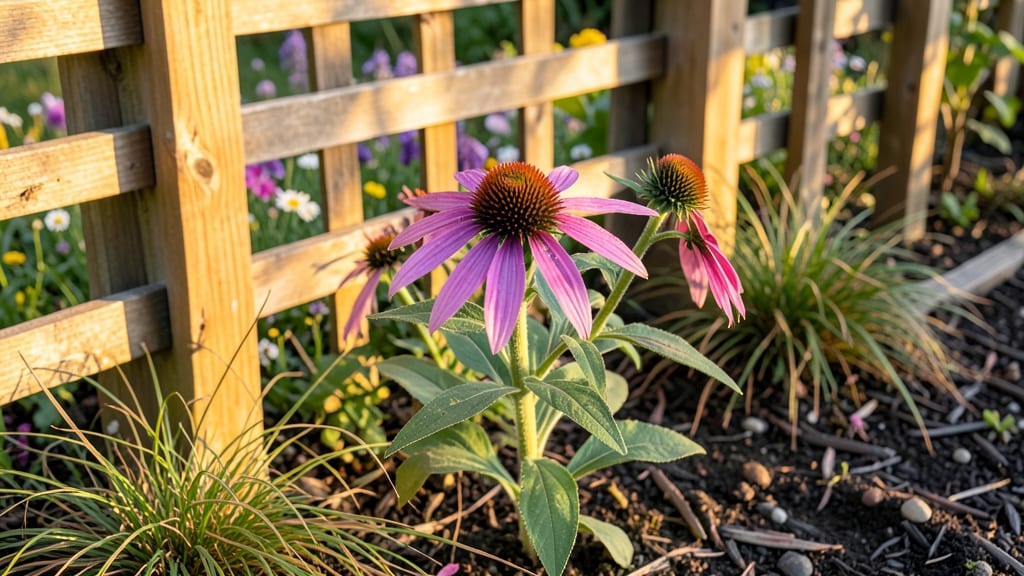
Creating a backyard wildflower garden starts with one simple truth: you don’t need a green thumb—just a sunny patch and an hour of time. The first year I planted wildflowers, I expected a patchy, weed-choked mess.
Instead, my yard transformed into a buzzing, blooming paradise that hummingbirds and bees adore. 🌻
Here’s the secret: wildflowers thrive on neglect. No fancy fertilizers, no constant watering—just a spot with at least 6 hours of sun and soil that drains okay. Mix in native seeds (they’re tougher and support local pollinators better), scatter them lightly, and let nature do the rest.
By summer, you’ll have a garden that’s low-maintenance yet stunning—and full of life.
The payoff comes fast. Butterflies fluttering over lavender, bees loading up on coneflowers, and kids (or you!) lying in the grass watching the show. The best part? You’ll spend less time gardening and more time enjoying it. No deadheading, no staking—just pure, effortless beauty.
Works in any yard size, from a tiny city lot to a sprawling acre. Whether you’re a first-time gardener or a seasoned pro, this is the project that proves gardening can be simple, rewarding, and alive with color. Let’s get those seeds in the ground!
📚 In This Guide
- What you need
- Instructions
- Tips and common mistakes
- Wrapping up and next steps
What you need
- ● Wildflower seeds: Choose native, pollinator-friendly varieties (e.g., Black-eyed Susan, Coneflower, or Milkweed). Aim for 1–2 lbs per 100 sq. ft. for a lush display.
- ● Garden soil or compost: A 2–3 inch layer of nutrient-rich soil or compost to improve drainage and fertility.
- ● Water source: A hose with a gentle spray nozzle or a watering can for consistent moisture.
- ● Garden gloves and kneeling pad: Protect your hands and knees—comfort matters!
- ● Rake or hoe: For loosening soil and removing weeds (medium-sized, 12–18 inches wide works best).
- ● Garden trowel or transplanter: For planting seeds or small seedlings (if starting with plugs).
- ● Mulch (straw or wood chips): 1–2 inches thick to retain moisture and suppress weeds.
- ● Stakes or labels: To mark seed rows (use biodegradable markers if possible).
- ● Pruners: For trimming spent blooms later in the season.
- ● 💡 Test your soil: A simple pH test kit ensures your wildflowers thrive (most prefer 6.0–7.5).
- ● 🌡️ Timing matters: Plant in early spring or fall for optimal germination.
- ● 🎯 Sunlight check: Most wildflowers need 6+ hours of sun daily—pick your spot wisely!
Step-by-Step instructions for creating a pollinator-friendly wildflower meadow
Here’s how to transform a patch of your yard into a buzzing, blooming haven—no fuss, just beauty.
🌱 Step 1: Clear and Prepare the Soil
Start by selecting a sunny spot—wildflowers thrive in full sun (at least 6 hours daily). Mow the area down to 2-3 inches or remove weeds, but don’t dig deeply. Wildflowers love loose, undisturbed soil, and tilling can bring up weed seeds. If your soil is compacted, lightly rake just the top 1-2 inches to create a seedbed.
Skip the fertilizer—wildflowers grow best in lean soil. If your yard has heavy clay, mix in 1-2 inches of coarse sand (like builder’s sand) to improve drainage. This step is all about setting the stage without overworking the earth.
🌿 Step 2: Choose and Scatter Wildflower Seeds
Pick a native wildflower mix suited to your region—these blends support local pollinators best. Sprinkle seeds evenly by hand (no need for precision). For a 10x10-foot area, use about 1-2 pounds of seed mix—this ensures a dense, natural look. Lightly press seeds into the soil with a board or your foot to ensure good contact.
Here’s the thing—don’t cover seeds with soil. Most wildflowers need light to germinate, so just pat them down gently. If you’re planting in late summer or fall, a thin layer of straw mulch (about ¼ inch) helps retain moisture until spring.
☀️ Step 3: Water and Wait for Germination
Keep the soil consistently moist (not soggy) for the first 2-3 weeks after planting. Water lightly every 2-3 days—enough to dampen the top ½ inch of soil. Once seedlings appear, reduce watering to once a week unless your area experiences a drought. Wildflowers are tough once established, but they need patience early on.
Germination can take 2-4 weeks, depending on your climate. You’ll see tiny green sprouts first—these are the first true leaves, not the seedling’s initial cotyledons. Avoid stepping on the area until plants reach 4-6 inches tall to prevent damage.
✂️ Step 4: Let It Grow and Maintain Minimally
Once established, wildflowers need almost no maintenance. Mow once a year in late fall or early winter to keep weeds in check and encourage new growth. Avoid mowing when flowers are in bloom—this is when pollinators rely on them most.
If weeds become overwhelming, spot-treat with a hand-pulling tool in early spring before wildflowers sprout. Over time, the wildflowers will outcompete weeds naturally. The key is letting nature take its course—this isn’t a manicured garden, but a thriving ecosystem.
🪴 Step 5: Enjoy and Expand Your Pollinator Paradise
Within the first year, you’ll see a mix of blooms—some may be sparse, but each season gets better. By year two, your meadow will burst with color and life. Keep an eye out for butterflies, bees, and hummingbirds—they’ll thank you for the feast!
Want to grow? Let some flowers go to seed and scatter naturally. Or, plant a new section next year. The beauty of wildflowers is their effortless spread—once you start, it’s hard to stop.
Tips & tricks for perfect pollinator-friendly wildflower meadows
These simple strategies will help you create a thriving wildflower haven that attracts bees, butterflies, and hummingbirds with minimal effort.
Sunlight Strategy: The 6 hours of daily sunlight mentioned in Step 1 is non-negotiable for most native wildflowers. If your yard has partial shade, choose shade-tolerant varieties like Black-eyed Susan or Joe-Pye Weed—they'll still thrive with 4-5 hours of sun. Test your spot by observing how much sunlight it gets throughout the day before planting.
Seed Scattering Technique: When scattering your 1-2 pounds of seed mix over a 10x10-foot area, work in small sections to ensure even coverage. I like to use a simple grid method: divide the area into 4 quadrants and focus on one at a time. This prevents clumping and ensures consistent germination. For larger areas, consider mixing seeds with sand first to create a "seed-sand blend" that's easier to distribute evenly.
Germination Watch: During the critical 2-4 week germination period in Step 3, check your soil moisture by pressing your finger about ½ inch deep—it should feel damp but not wet. Morning watering works best as it prevents fungal issues from overnight moisture. If you notice tiny sprouts but no new growth for 2 weeks, try a light misting with a spray bottle to encourage emergence without disturbing the seeds.
Weed Prevention: The once-a-year mowing recommendation in Step 4 is perfect, but timing matters. Set your calendar reminder for late November to early December when most pollinators have finished their seasonal cycles. This single cut actually helps wildflowers by removing competing weeds while leaving seed heads intact for next year's growth.
Pro Tips for Backyard Wildflower Garden
- These simple strategies will help you create a thriving wildflower haven that attracts bees, butterflies, and hummingbirds with minimal effort.
- Sunlight Strategy: The 6 hours of daily sunlight mentioned in Step 1 is non-negotiable for most native wildflowers.
- Seed Scattering Technique: When scattering your 1-2 pounds of seed mix over a 10x10-foot area, work in small sections to ensure even coverage.
Frequently asked questions
What’s the best time of year to plant wildflowers?
For most regions, late summer to early fall (August–September) is ideal—seeds have time to establish roots before winter. Spring planting also works, but avoid extreme heat. Pro tip: Check your seed packets for regional timing, as native wildflowers vary!
Will wildflowers attract pests like mosquitoes?
Not usually! Wildflowers support pollinators (bees, butterflies) but don’t breed mosquitoes. Mosquitoes thrive in stagnant water—keep birdbaths or puddles moving. Bonus: Bees outcompete mosquitoes, so more flowers = fewer pests!
How much water do wildflowers really need?
Once established, most wildflowers are drought-tolerant! Water deeply 1–2 times per week after planting, then taper off. Native species often need less than 1 inch of water weekly—perfect for low-maintenance gardens.
Can I mix wildflowers with vegetables or herbs?
Wildflowers like basil, dill, or marigolds deter pests and attract beneficial insects. Just avoid aggressive spreaders (e.g., mint) near veggies. Tip: Plant flowers in borders or between rows for a natural, pest-free boost!
What if my wildflowers don’t grow?
Check these first:
- Sunlight: Most wildflowers need 6+ hours of sun daily.
- Soil: Amend heavy clay or sandy soil with compost.
- Water: Overwatering can drown seeds—let soil dry slightly between waterings.
- Seeds: Some need stratification (cold treatment)—check packet instructions!
If all else fails, try native species adapted to your climate!
Wrapping up and next steps
Creating a backyard wildflower garden is one of the simplest yet most rewarding ways to support pollinators while adding beauty to your space—no green thumb required! 🌸 With minimal effort, you can transform even a small patch of land into a thriving haven for bees, butterflies, and hummingbirds.
The key is starting small, choosing the right native seeds, and letting nature do the rest.
Ready to take the next step? Grab your wildflower seeds, pick a sunny spot, and plant with confidence. Watch as your garden blooms into a buzzing paradise—one pollinator at a time! 🐝✨