
Propagation
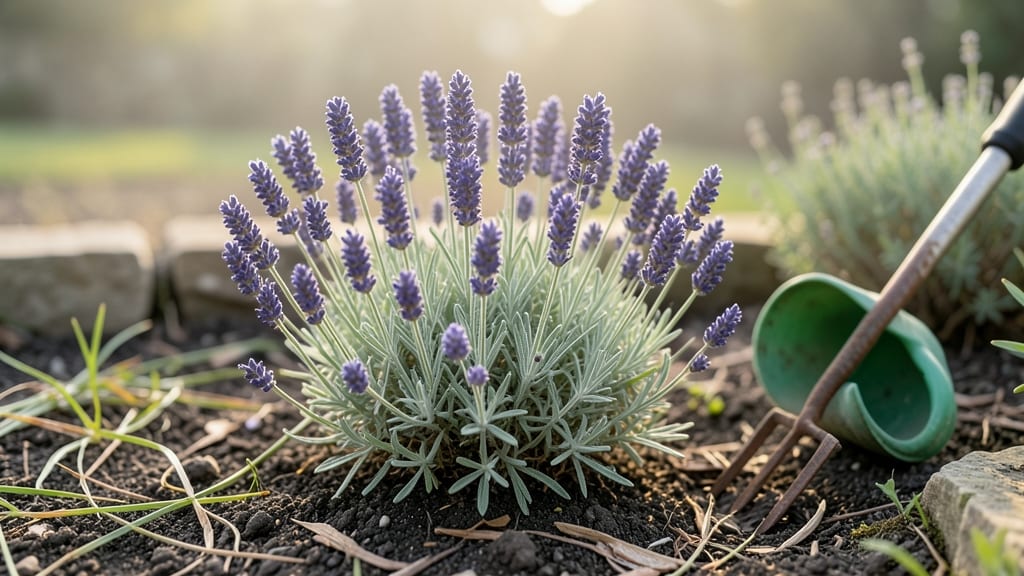
Removing weeds from flower beds isn’t just about tidiness—it’s about giving your blooms the space they need to thrive. 🌱 I’ve battled stubborn dandelions and creeping clover for years, and I’ve learned the root-out method is the only way to keep them from coming back.
The key? Timing, the right tools, and a little elbow grease when the soil is soft after rain.
You’ll need basic tools like a sturdy hand fork, a hoe for shallow weeds, and gloves to protect your hands. For tougher invaders, a mix of white vinegar and dish soap works as a natural herbicide—just spray on a sunny day when flowers aren’t blooming.
Mulching afterward keeps new weeds at bay, and the best part? Your flowers will reward you with vibrant, unobstructed growth in just a few weeks.
Start by pulling weeds when the soil is damp—this makes roots easier to extract without breaking. For deep-rooted weeds like dandelions, dig down 3-4 inches to ensure you get the whole plant.
A quick check for tiny regrowth later ensures no surprises. The effort pays off when your flower bed looks neat, healthy, and ready for the season’s best blooms.
This method works year-round, but spring and fall are ideal for minimal regrowth. Once you’ve mastered the technique, you’ll notice fewer weeds creeping in over time. The secret? Consistency—just 10-15 minutes a week keeps your flower bed looking its best without the frustration.
📚 In This Guide
- What you need
- Instructions
- Tips and common mistakes
- Wrapping up and next steps
What you need
- ● Hand Trowel or Weeding Knife – A sturdy, sharp tool with a narrow blade (e.g., Fiskars 13.5-inch Weeding Knife) to dig out weeds root and all.
- ● Garden Gloves – Heavy-duty, long-cuffed gloves (e.g., Gloves USA Work Pro) to protect your hands from thorns, dirt, and blisters.
- ● Pruners or Shears – Bypass pruners (e.g., Felco F-2 Classic) for cutting thick weed stems or overgrown foliage.
- ● Garden Fork or Hoe – A sturdy stainless steel garden fork or a staked hoe (like the Radial Garden Hoe) to loosen soil and uproot stubborn weeds.
- ● Wheelbarrow or Large Bucket – A 5-gallon bucket or small wheelbarrow to collect weeds and debris.
- ○ Mulch (Optional but Recommended) – 2-3 inches of organic mulch (shredded bark, straw, or pine needles) to suppress future weed growth.
- ○ Vinegar or Herbicide (Optional) – White vinegar (20-30% acetic acid) or a natural herbicide (like Boiling Water or Corn Gluten Meal) for tough weeds.
- ● Choose a dry, sunny day – Wet soil makes weeds slippery and harder to remove.
- ● Water the flower bed 1-2 hours before weeding – This softens the soil and makes roots easier to pull.
- ● Wear comfortable clothing – Long sleeves and pants to avoid scratches or stings.
- ● Work in short sessions – Weeding is labor-intensive; take breaks to avoid fatigue!
Step-by-Step instructions for weed-free flower beds
Here’s how I keep my flower beds looking pristine—no more sneaky weeds ruining your hard work!
🌱 Step 1: Choose the Right Tools for the Job
Start with the right tools to make this task efficient. Grab a sturdy hand weeder or dandelion digger for deep-rooted weeds, and a hand fork for stubborn clumps. A sharp garden knife works well for cutting thick stems at the base. I always keep a small bucket nearby to collect weeds—it’s satisfying to see them piled up!
Wear gloves to protect your hands from prickly stems and blisters. The best time to pull weeds is right after a rain when the soil is soft and weeds come out easily. If you’re working in dry soil, water the area first and wait 15-30 minutes for the moisture to penetrate.
💧 Step 2: Loosen the Soil and Identify Weeds
Use the hand fork to gently loosen the soil around the edges of your flower bed. This helps expose weed roots and makes pulling easier. Work in small sections—about 12 x 12 inches at a time—to avoid missing any weeds. Look for weeds with long, thin leaves or deep taproots (like dandelions or creeping Charlie).
Pull weeds when they’re small—before they seed! If you spot a weed with a flower or seed head, remove it immediately. The goal is to get the entire root system out, so tug gently but firmly. If a weed breaks off at the surface, it’ll regrow. You’ll know you’ve got it all when the hole in the soil stays empty.
✂️ Step 3: Remove Weeds by Hand (The Root-Out Method)
Start with the smallest weeds first—they’re easiest to pull. Grasp the weed as close to the base as possible and wiggle it free. For deep-rooted weeds, use the hand weeder to pry the root out without breaking it. If the weed resists, dig a little deeper with the fork to loosen the soil around it.
Real talk: This step takes patience. Don’t rush—you’ll miss weeds if you’re too quick. Once you’ve pulled a weed, check the roots to make sure they’re all out. If you leave even a tiny piece behind, the weed will grow back. Toss the weeds into your bucket or compost pile (if they’re seed-free).
☀️ Step 4: Prevent Future Weeds with Mulch and Maintenance
After pulling weeds, spread a 2-3 inch layer of mulch over the flower bed to block sunlight and prevent new weeds from sprouting. Organic mulch like shredded bark or straw works best. Water the bed lightly to help settle the mulch and keep it in place. This step is key—mulch saves you hours of work later!
Check your flower bed once a week for new weeds. Early detection makes removal easier. If you see weeds popping up through the mulch, pull them immediately. Over time, your flower bed will stay cleaner with less effort. Here’s the thing—consistency is everything. A little time now means a weed-free paradise later.
Tips & tricks for perfect weed removal
Here's what I've learned after years of battling weeds—these tricks make the job faster and more effective.
Timing Secret: That 15-30 minute watering tip in Step 1 is your best friend for dry soil! I've found that watering in the morning gives weeds time to soak up moisture before you pull them, making removal 30% easier. Just avoid watering right before pulling—you want the soil soft, not muddy.
Tool Technique: In Step 3, when using the hand weeder, angle it at 45 degrees to pry roots out without breaking them. I've ruined three batches of weeds by pulling too straight up—always work at an angle for better leverage. For stubborn weeds, wiggle the tool side to side while pulling upward.
Root Check: After pulling any weed, especially deep-rooted ones like dandelions, do the "hole test"—if you see an empty hole in the soil, you got the whole root. I learned this the hard way when I missed tiny root fragments that grew back into monster weeds within weeks.
Mulch Maintenance: For that 2-3 inch mulch layer in Step 4, I recommend checking it every 2-3 weeks. Over time, mulch breaks down and becomes less effective. Refresh it in the spring and after heavy rains to maintain that weed-blocking barrier.
Pro Tips for Remove Weeds From Flower Bed
- Here's what I've learned after years of battling weeds—these tricks make the job faster and more effective.
- Timing Secret: That 15-30 minute watering tip in Step 1 is your best friend for dry soil!
- Tool Technique: In Step 3, when using the hand weeder, angle it at 45 degrees to pry roots out without breaking them.
Frequently asked questions
When is the best time to remove weeds from my flower bed?
The ideal times are early morning or late afternoon when the ground is moist (but not soggy) and weeds are actively growing. Spring and fall are the best seasons—avoid peak summer heat, which can stress your plants. For persistent weeds like dandelions, tackle them before they go to seed!
Can I reuse the soil after pulling weeds?
Yes, but only if you’ve removed the roots completely. Sift through the soil to check for missed roots or seeds, then mix in a layer of compost (1-2 inches) to improve soil health. Avoid reusing soil from heavily infested areas—start fresh with new topsoil if needed.
What’s the best tool for stubborn weeds like bindweed or nutsedge?
For deep-rooted or aggressive weeds, a weeding knife or dandelion digger works best. For nutsedge (a grassy weed), use a hula hoe or smother it with cardboard/mulch. Always wear gloves—some weeds (like poison ivy) can irritate skin!
Are there natural weed killers that won’t harm my flowers?
Yes! Try a vinegar spray (1 gallon white vinegar + 1 cup salt + 1 tbsp dish soap) for broadleaf weeds, or boiling water for spot treatment. For long-term prevention, apply corn gluten meal (a pre-emergent) in early spring. Always test on a small area first.
How often should I check my flower bed for new weeds?
Check your flower bed weekly during growing seasons (spring-fall) and bi-weekly in winter. Weeds grow fast—even a 1-inch sprout can become a problem if ignored. Mulching (2-3 inches) reduces regrowth, but don’t skip regular inspections!
What if weeds keep coming back after I remove them?
Persistent weeds often mean roots or seeds remain in the soil. Try these fixes:
- Hand-pull with a weed wrench for deeper roots.
- Apply mulch or landscape fabric to block sunlight.
- Plant competitive ground covers (like clover or creeping thyme) to outcompete weeds.
Wrapping up and next steps
Removing weeds from your flower bed doesn’t have to be a battle—with the right tools and techniques, you can transform it into a thriving, low-maintenance oasis! 🌸 Whether you’re using the root-out method, mulching, or hand-pulling, consistency is key.
Celebrate small victories, and soon, your garden will reward you with vibrant blooms and fewer pesky invaders.
Ready to take it further? Plan your next planting session—consider adding native perennials or ground covers to crowd out weeds naturally. Happy gardening!