
Container Gardens
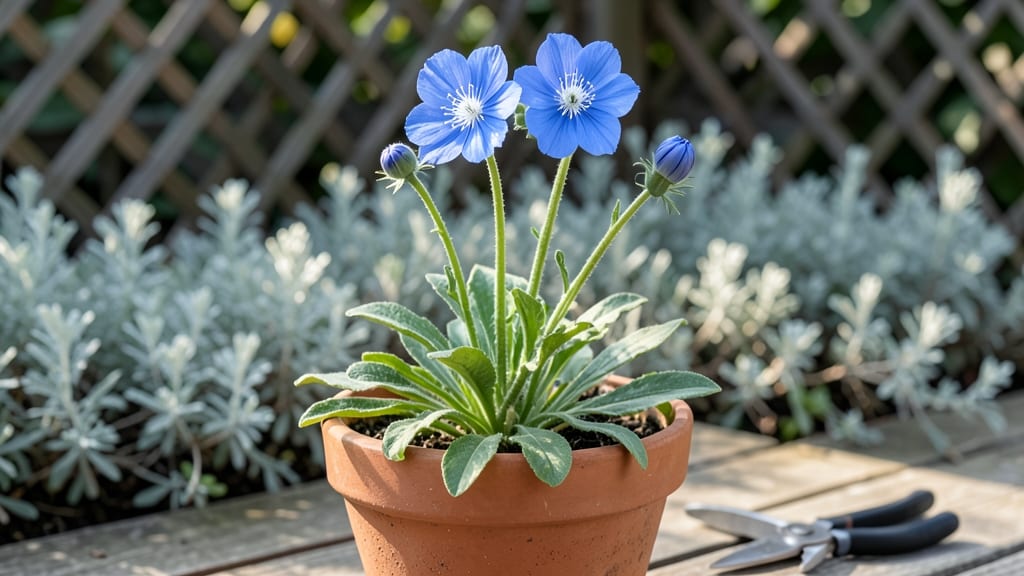
Growing balloon flowers in pots lets you enjoy their stunning blue-purple blooms anywhere—balcony, patio, or windowsill—without needing a full garden bed. I’ve nurtured these striking plants through four seasons in containers, and the secret isn’t complicated: it’s all about the right pot, soil, and a little seasonal finesse.
These perennials thrive when their roots stay cozy but never soggy, and their blooms reward you with months of color if you time the care just right.
The key to success starts with a 5-7 gallon pot—just enough room for roots to spread without becoming root-bound. Use a well-draining mix with compost and perlite, and always keep a saucer underneath to catch excess water.
Balloon flowers love morning sun and afternoon shade, especially in hot climates, and they’ll bounce back from light frosts if protected. Overwatering is their biggest nemesis, so let the top inch of soil dry out between waterings, and you’ll avoid the droopy leaves that signal trouble.
By mid-summer, your pots will burst with velvety blooms that open like little trumpets, and the show continues if you deadhead spent flowers regularly. In winter, bring them indoors near a bright window or keep them outside in a sheltered spot—they’re hardy enough to handle both.
The payoff? A year-round display that turns heads and attracts pollinators, all while staying compact enough for even the smallest spaces.
Whether you’re a first-time container gardener or a seasoned pro, balloon flowers are foolproof once you get the basics down. The hardest part is waiting for those first blooms to pop—trust me, it’s worth every drop of water and pinch of fertilizer.
Ready to transform your pots into a blue-purple paradise? Let’s get growing.
📚 In This Guide
- What you need
- Instructions
- Tips and common mistakes
- Wrapping up and next steps
What you need
- ● Balloon flower plants: 1–3 nursery-grown plants (choose compact varieties like 'Astra Blue' or 'White Balloon' for pots).
- ● Well-draining potting mix: 2–3 gallons (for a 12–14" pot). Opt for a blend with perlite or sand (e.g., 60% peat/coir + 30% compost + 10% perlite).
- ● Pot: 1 container with drainage holes (12–14" diameter for 1 plant; larger pots for multiple). Terracotta or ceramic works best.
- ● Slow-release fertilizer: 1–2 tbsp (5–10g) of 10-10-10 or organic granules (like bone meal).
- ● Watering can or hose with a gentle nozzle.
- ○ Gloves (optional): To protect hands from soil or thorns.
- ● Trowel or small shovel: For transplanting or mixing soil.
- ○ Mulch (optional): 1 cup (100g) of shredded bark or straw to retain moisture.
- ○ Stakes or supports (optional): For tall varieties (e.g., 6–12" bamboo stakes).
- ○ Liquid fertilizer (optional): Balanced 20-20-20 for mid-season feeding (dilute to half-strength).
Step-by-Step guide to growing balloon flowers in containers
Here’s how to coax those striking blue-purple blooms to thrive in pots, year after year.
🪴 Step 1: Choose the Right Containers and Soil Mix
Balloon flowers (Platycodon grandiflorus) need well-draining soil and adequate root space—aim for at least 12-inch-deep pots with drainage holes. I use terra cotta containers because they wick moisture away, preventing root rot. If repurposing decorative pots, nestle them inside plastic nursery pots for stability and drainage.
Fill the bottom 2 inches with gravel or perlite to improve drainage. Then, mix 3 parts premium potting soil with 1 part coarse sand or perlite for aeration. Balloon flowers tolerate slightly alkaline soil (pH 6.0–7.5), so avoid peat-heavy mixes that acidify over time. Moisten the mix until it’s damp but not soggy—like a wrung-out sponge.
🌱 Step 2: Plant at the Correct Depth and Spacing
Dig a hole twice as wide as the root ball and slightly shallower than the container’s depth. Gently loosen roots if they’re circling and place the plant so the top of the root ball sits just below the soil line—never bury the stem. Balloon flowers need 12–18 inches of spacing between plants to prevent overcrowding, which leads to leggy stems and fewer blooms.
Backfill with the soil mix, pressing lightly to remove air pockets. Water deeply until moisture runs from the drainage holes, then let excess drain away. Mulch the surface with 1 inch of shredded bark to retain moisture and suppress weeds. Here’s the thing—overwatering is the #1 killer of potted balloon flowers, so wait until the top inch of soil feels dry before watering again.
☀️ Step 3: Position for Light and Temperature Balance
Balloon flowers crave full sun (6+ hours daily) but tolerate partial shade (4–6 hours) in hot climates. Place pots where they’ll get morning sun and afternoon shade if temperatures exceed 85°F. I’ve seen blooms fade faster in scorching afternoon heat—shade protects the delicate petals.
During winter, move containers to a protected spot (like a garage or under eaves) if temperatures drop below 10°F. Balloon flowers are hardy to Zone 3, but potted plants need shelter from freezing winds. If you’re in a warmer zone (Zone 8+), they’ll bloom year-round with consistent care.
💧 Step 4: Water and Fertilize for Continuous Blooms
Water deeply once a week in spring/fall, letting 2–3 inches of soil dry between waterings. In summer, check daily—potted plants dry out faster. I use a moisture meter to avoid guesswork; aim for 40–60% soil moisture at the root level. Overwatering causes yellowing leaves, while underwatering leads to dropped buds.
Feed with a balanced liquid fertilizer (10-10-10) every 4–6 weeks during the growing season. After the first flush of blooms, switch to a low-phosphorus formula (5-10-10) to encourage stronger stems over more flowers. Stop fertilizing in late summer to harden off plants for winter.
✂️ Step 5: Prune and Overwinter for Next Year’s Blooms
Deadhead spent blooms by snipping stems at the base to redirect energy into new flowers. In early fall, cut back one-third of the foliage to tidy the plant and reduce winter stress. Balloon flowers self-seed readily, so remove volunteer seedlings unless you want a naturalized look.
For winter care, reduce watering to every 2–3 weeks and move pots to a cool, bright spot (40–50°F). If leaves yellow, the plant is overwatered—let the soil dry out completely before watering again. In spring, prune back any dead growth and fertilize lightly to kickstart new growth. Real talk: Divide clumps every 3–4 years to prevent overcrowding—dig up the plant, separate the roots, and replant in fresh soil.
Tips & tricks for perfect balloon flower container gardens
These insider strategies will help you avoid the most common pitfalls when growing balloon flowers in pots.
Container Selection: Terra cotta pots are ideal because they wick moisture away, but if you prefer decorative options, nest them inside plastic nursery pots for stability and drainage. The 12-inch depth requirement is non-negotiable—shallower containers will restrict root growth and lead to stunted plants. I've seen balloon flowers thrive in window boxes too, as long as they have proper drainage and aren't exposed to harsh winds.
Soil Mixing Strategy: When creating your 3:1 potting soil to sand/perlite mix, sift the components to eliminate clumps—this ensures even moisture distribution. The slightly alkaline pH (6.0-7.5) is crucial; test your soil if you're unsure. I always add a handful of compost to the mix for extra nutrients, especially when repotting established plants every 2-3 years as recommended in Step 5.
Light Positioning: The 6+ hours of full sun requirement is firm, but in hot climates, morning sun with afternoon shade prevents heat stress. If your balcony only gets afternoon sun, consider reflective surfaces like white walls or mirrors to bounce light onto the plants. In Step 3, I've noticed that pots placed on gravel or heat-resistant trays stay cooler during summer heatwaves.
Winter Care: The 40-50°F temperature range for winter storage is perfect for preventing dormancy-related stress. I've found that moving pots to an unheated garage with natural light works better than a dark basement. During this period, the reduced watering schedule to every 2-3 weeks should be strictly followed—overwatering during dormancy is what causes that dreaded yellowing you want to avoid.
Pro Tips for Balloon Flower In Pots
- These insider strategies will help you avoid the most common pitfalls when growing balloon flowers in pots.
- Container Selection: Terra cotta pots are ideal because they wick moisture away, but if you prefer decorative options, nest them inside plastic nursery pots for stability and drainage.
- Soil Mixing Strategy: When creating your 3:1 potting soil to sand/perlite mix, sift the components to eliminate clumps—this ensures even moisture distribution.
Frequently asked questions
Got questions about growing balloon flowers in pots? You’re not alone—these beauties are full of surprises! Here are answers to the most common queries to help you nurture your container garden like a pro.
How often should I water balloon flowers in pots?
Balloon flowers (Platycodon) thrive with consistent moisture but hate soggy roots. Water when the top 1–2 inches of soil feel dry, typically every 2–3 days in summer or 1–2 times weekly in cooler months. Pots dry out faster—check soil daily in extreme heat! Pro tip: Use well-draining soil and elevate pots to prevent waterlogging.
When is the best time to plant balloon flowers in containers?
For spring planting, wait until after the last frost (when soil temps hit 50°F+) to avoid cold damage. You can also plant in early fall (6–8 weeks before frost) for blooms the following season. Transplanting mature plants? Do it on a cloudy day to reduce stress.
Can balloon flowers overwinter in pots successfully?
Yes! Hardiness zones 3–9 can handle winter in pots, but protection is key. Move containers to a sheltered spot (like a garage or under eaves), wrap pots in bubble wrap, and mulch the soil with straw. In zone 10+, they may need winter dormancy—reduce watering and trim back foliage.
What can I do if my balloon flower leaves turn yellow?
Yellowing leaves usually signal overwatering or nutrient deficiency. First, check drainage—pots should have holes, and soil shouldn’t stay soggy. If roots look mushy, repot in fresh, well-draining mix. For nutrients, feed with a balanced fertilizer (10-10-10) every 4–6 weeks during growing season.
Are there dwarf varieties of balloon flowers for small pots?
Try these space-saving picks:
- ‘Little Bell’ – Grows 12–18” tall, perfect for 6–8” pots.
- ‘White Ball’ – Compact (18” tall) with showy white blooms.
- ‘Astra Blue’ – Dwarf variety (15” tall) ideal for hanging baskets.
Wrapping up and next steps
Growing balloon flowers in pots is a rewarding way to bring vibrant blue-purple blooms to your space—whether on a balcony, patio, or windowsill! 🌸 With the right soil, sunlight, and care, these hardy plants thrive year-round, offering beauty with minimal fuss.
Now that you’re armed with tips on planting, watering, and troubleshooting, it’s time to roll up your sleeves and get growing!
Ready to take the next step? Start small:
- Pick a pot that fits your space and style.
- Grab your balloon flower seeds or plants.
- Follow the care guidelines—and soon, you’ll be enjoying a burst of color!