
Flowers
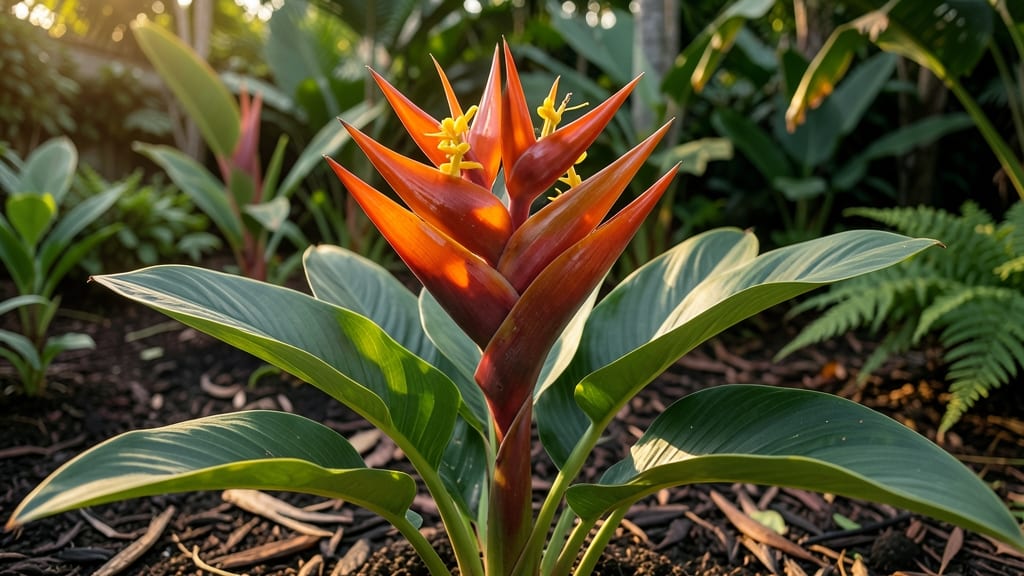
Sunlit corners of your garden deserve a vibrant canopy of beautiful tropical flowers that feels like an escape. 🌺 I’ve spent years transforming ordinary spaces into lush retreats using bold tropical blooms—hibiscus, birds of paradise, and orchids—that turn heads and bring the energy of a jungle to your yard.
The secret isn’t just picking the right plants; it’s arranging them so they feel intentional, not random.
Start with sun-loving stars like hibiscus and canna lilies for bold color, then layer in delicate orchids and bromeliads for texture. Containers work wonders for patios, while borders and focal points create dramatic impact. The key? Grouping plants by sunlight needs and watering them consistently—no guesswork, just stunning results.
Imagine velvety red cannas swaying beside golden bird-of-paradise spikes, all under a dappled shade of palm fronds. These plants thrive with minimal fuss once you get the basics right: rich soil, regular water, and protection from harsh winds. The payoff? A garden that feels like a vacation, no passport required.
Perfect for small balconies, sprawling backyards, or even indoor sunrooms—just adjust the scale. Whether you go full jungle or mix tropicals with native plants, the goal is to create a space that feels alive, vibrant, and uniquely yours. Let’s bring that energy to your garden.
📚 In This Guide
- What you need
- Instructions
- Tips and common mistakes
- Wrapping up and next steps
What you need
- ● Tropical flower seeds or young plants: 10–20 Heliconia (lobster claw) plants or seeds
- ● 5–10 Bird of Paradise (Strelitzia reginae) plants
- ● 3–5 Plumeria (frangipani) plants or cuttings
- ● 2–3 Bromeliads (e.g., Aechmea or Vriesea)
- ● 1–2 Orchids (e.g., Cattleya or Dendrobium)
- ● Potting mix: 1 bag (50 lbs) well-draining tropical potting mix (or a blend of peat moss, perlite, and orchid bark for orchids)
- ○ Optional: Worm castings (1 cup) for nutrient boost
- ● Containers or garden space: Medium to large pots (12–18 inches in diameter) with drainage holes
- ● OR a sunny garden bed (6+ hours of direct sunlight daily)
- ● Tools: Garden trowel or small shovel
- ● Pruning shears (for trimming dead blooms)
- ● Watering can with a rose nozzle (for gentle watering)
- ○ pH testing kit (optional but helpful for orchids)
- ● Sunlight: A spot with full sun to partial shade (6–8 hours of sunlight for most tropicals; orchids prefer bright, indirect light).
- ● Humidity: Aim for 50–70% humidity (use a humidifier or pebble tray if indoors).
- ● Watering routine: Keep soil evenly moist but not soggy (adjust based on your climate—tropical flowers hate drought!).
- ● Fertilizer: Balanced 20-20-20 liquid fertilizer (diluted to half-strength, applied every 4–6 weeks)
- ● OR slow-release granular fertilizer (sprinkle at planting time)
- ● Climate considerations: If in a cooler zone, wait until after the last frost or grow in containers to move indoors.
- ● Mulch with pine bark or coconut coir to retain moisture and regulate soil temperature.
- ● Decorative tropical-themed pots (coconut shells, woven baskets, or glazed ceramic)
- ● Moss or sphagnum for lining pots (keeps roots cool and hydrated)
- ● Automatic self-watering system (for vacation peace of mind!)
- ● Colorful mulch (e.g., red or black dye for a bold look)
- ● Citrus peels or coffee grounds (natural slow-release fertilizer)
How to create a lush tropical flower canopy in sunlit garden spaces
Here's my go-to approach for crafting a vibrant tropical display that thrives in warm, sun-drenched corners.
🌿 Step 1: Select Complementary Tropical Flower Varieties
Choose plants that share similar light and moisture needs for a cohesive canopy. I always include bird-of-paradise (Strelitzia), hibiscus (Hibiscus rosa-sinensis), and plumeria (Plumeria rubra) as my core trio—they bloom spectacularly under full sun to partial shade and tolerate the same humidity levels. For height variation, add a monstera (Monstera deliciosa) as a lush backdrop.
Real talk: Avoid mixing drought-tolerant succulents with moisture-loving tropicals—this combo leads to uneven watering and plant stress. Stick to varieties that thrive in 60-85°F ranges and require consistent moisture but well-draining soil. I test soil moisture by squeezing a handful—if it crumbles easily, it's dry enough for most tropicals.
☀️ Step 2: Prepare the Planting Site for Optimal Growth
Clear the area of weeds and loosen soil to a depth of 12 inches using a garden fork. Tropical flowers need rich, organic soil with a pH between 6.1 and 7.5. Amend native soil with 3-4 inches of compost and 1 inch of perlite to improve drainage—this prevents root rot, which is the #1 killer of tropical plants in containers or ground beds.
For container plantings, use 6-8 inch pots for small varieties and 12-15 gallon containers for larger specimens like plumeria. Place pots in a location where they'll receive at least 6 hours of direct sunlight daily, but protect them from harsh afternoon sun if your climate exceeds 90°F. I always position my tropical display near a south-facing wall for extra warmth during cooler months.
💧 Step 3: Plant and Establish for Rapid Canopy Formation
Dig holes twice as wide as each plant's root ball but only as deep as the container it came in. Gently remove plants from their nursery pots and loosen any circling roots with your fingers—this encourages outward growth. Place each plant in its hole, backfill with native soil, and water deeply to settle everything.
Mulch the base with 2-3 inches of shredded bark mulch to retain moisture and regulate soil temperature. Keep the mulch 2 inches away from plant stems to prevent rot. Water immediately after planting, then maintain 1-2 inches of consistent soil moisture—never let tropicals dry out completely. You'll know you're on track when new leaves emerge within 2-3 weeks of planting.
✂️ Step 4: Prune and Maintain for Continuous Blooms
Prune spent blooms immediately after they fade to encourage new flower production. For hibiscus and plumeria, I cut back one-third of the oldest stems in early spring to stimulate bushier growth. Never prune more than 25% of a plant's foliage at once—this shocks tropicals and can stunt their recovery.
Fertilize monthly during the growing season (spring through fall) with a balanced, water-soluble fertilizer diluted to half-strength. I rotate between a 20-20-20 formula and a tomato fertilizer (high in potassium) to promote blooming. Reduce watering slightly in fall and winter, but keep soil lightly moist—most tropicals enter a dormant phase when nights dip below 55°F.
🌱 Step 5: Extend the Canopy with Strategic Propagation
Propagate healthy stems from your established plants to expand your tropical display without cost. For hibiscus and plumeria, take 4-6 inch cuttings in late spring or early summer when new growth is firm but still flexible. Dip the cut end in rooting hormone and plant in a moistened mix of perlite and peat moss (50/50 ratio).
Keep cuttings in a humid propagation chamber (a clear plastic bag with a few holes) under bright, indirect light until roots form—usually 6-8 weeks. Once rooted, transplant to individual pots and treat as mature plants. This method lets you create a multi-layered canopy while maintaining genetic consistency across your display.
Tips & tricks for perfect tropical flower canopy design
Creating a stunning tropical display isn't just about planting—it's about strategic planning that maximizes growth and minimizes stress on your plants.
Plant Placement Strategy: In Step 1, when selecting your core trio of bird-of-paradise, hibiscus, and plumeria, position them based on their mature heights. Place the tallest variety (like plumeria) at the back or center of your display, with medium-height hibiscus in the middle layer, and bird-of-paradise in the front. This creates natural depth and prevents smaller plants from being shaded out by their taller neighbors. For containers, use the largest pot (12-15 gallons) as your centerpiece and arrange smaller pots around it in descending size.
Soil Preparation Secret: The soil amendments in Step 2 are non-negotiable for tropical success. When mixing your 3-4 inches of compost with 1 inch of perlite, add a handful of worm castings (optional) to boost microbial activity—this improves nutrient availability by up to 30%. For container plantings, pre-mix your soil amendments in a wheelbarrow before filling pots to ensure even distribution. This prevents dry pockets that can lead to root rot, especially in larger containers.
Watering Wisdom: The 1-2 inches of consistent soil moisture mentioned in Step 3 requires a smarter approach than just measuring water. I use the "finger test" method: stick your index finger 2 inches into the soil. If it feels dry, water thoroughly until moisture reaches 3-4 inches deep. For containers, water until it drains from the bottom—this ensures roots get oxygen. Early morning watering (before 10 AM) minimizes evaporation and reduces fungal risks, particularly in the humid 60-85°F range where these plants thrive.
Pruning Precision: When pruning in Step 4, focus on the "one-third rule" for hibiscus and plumeria, but use clean, sharp pruners to make cuts at a 45-degree angle just above a leaf node. This encourages bushier growth and prevents disease entry points. For bird-of-paradise, remove only the flower stalks after they've finished blooming—never cut back the leaves, as they're essential for photosynthesis. The immediate pruning of spent blooms isn't just about aesthetics; it redirects the plant's energy toward producing more flowers rather than seeding.
Pro Tips for Beautiful Tropical Flowers
- Creating a stunning tropical display isn't just about planting—it's about strategic planning that maximizes growth and minimizes stress on your plants.
- Plant Placement Strategy: In Step 1, when selecting your core trio of bird-of-paradise, hibiscus, and plumeria, position them based on their mature heights.
- Soil Preparation Secret: The soil amendments in Step 2 are non-negotiable for tropical success.
Frequently asked questions
Got questions about bringing the beauty of tropical flowers into your garden? Here are some answers to the most common queries to help you create a stunning, sunlit oasis!
Which tropical flowers are easiest for beginners to grow?
Start with resilient picks like Bird of Paradise, Bromeliads, or Plumeria. These thrive in warm climates, require minimal fuss, and offer bold colors. Heliconias and Orchids (like the Phalaenopsis) are also forgiving for newbies—just ensure they get bright, indirect light and well-draining soil.
How long does it take for tropical flowers to bloom after planting?
Blooming timelines vary! Fast bloomers like Impatiens or Bougainvillea may flower in 6–8 weeks, while tropical trees like Frangipani or Hibiscus can take 6 months to 2 years to reach full flowering glory. Patience pays off—consistent care (water, sunlight, and fertilizer) speeds up the process!
Do tropical flowers need extra watering, or do they drought-proof my garden?
Most tropical flowers love moisture but hate soggy roots. Water deeply 2–3 times a week (daily in extreme heat), but ensure pots or soil have drainage. Drought-tolerant options like Bougainvillea or Orchids (once established) can handle brief dry spells—just monitor leaf wilting as a red flag!
Can I grow tropical flowers in pots, or do they need a full garden bed?
Many tropical flowers thrive in containers, especially if you choose compact varieties like Dwarf Bird of Paradise or Miniature Orchids. Use large pots (12"+ diameter) with drainage holes, tropical potting mix, and move them indoors (or to a sheltered spot) if temps drop below 50°F (10°C).
What’s the best way to keep pests away from my tropical flowers?
Prevent pests like aphids, mealybugs, or spider mites with neem oil or insecticidal soap. Ladybugs and praying mantises are natural allies—invite them with companion plants like Basil or Marigolds. For severe infestations, isolate affected plants and prune damaged leaves. Pro tip: Avoid overwatering (pests love damp foliage!).
What’s the longest-lasting tropical flower, and how do I preserve its beauty?
The Frangipani (Plumeria) and Hibiscus can last weeks when cut and placed in water. For longevity, trim stems at an angle, change the water every 2 days, and add a sugar pinch or flower food. Display them in cool spots away from direct sunlight to slow wilting. Orchids also hold up well—just avoid ethylene-producing fruits nearby!
Wrapping up and next steps
Transforming your garden into a lush tropical paradise is easier than you think! These vibrant flowers don’t just add beauty—they bring life, color, and a touch of paradise to your outdoor space.
Whether you’re a seasoned gardener or just starting, the key is to start small, stay consistent, and let nature do the magic. 🌺✨
Ready to take the next step? Pick one or two flowers from this guide, gather your supplies, and begin planting today. Watch as your garden blooms into a breathtaking tropical oasis—one petal at a time! 🌿💚