
Shrubs
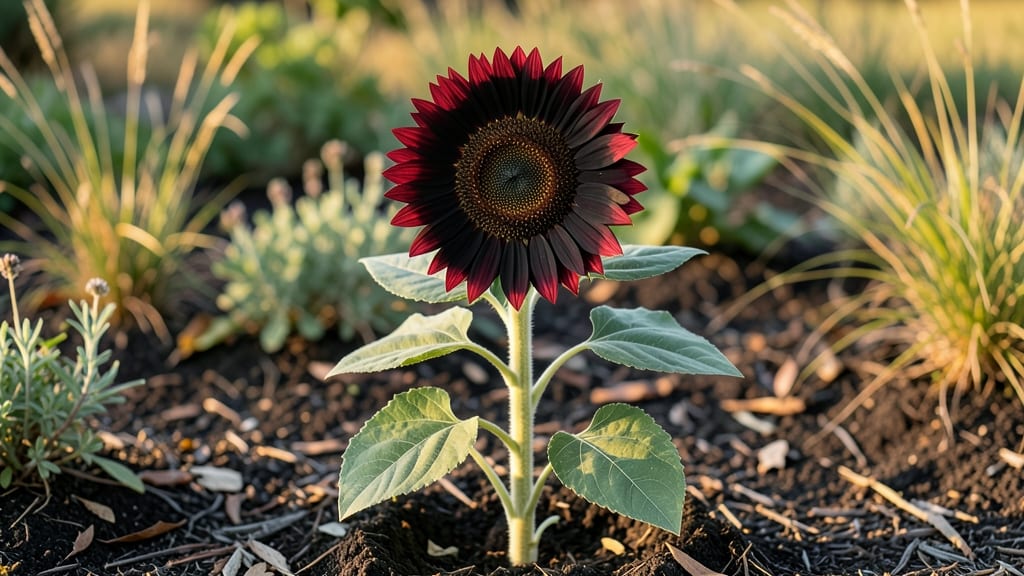
Growing black and red sunflower seeds means your garden will buzz with pollinators while adding bold drama to any space. 🌻 These striking varieties—like 'Black Oil' or 'Cherry Queen'—stand out against traditional yellow blooms, offering a moody contrast that turns heads (and attracts bees).
The secret to their deep hues? Rich, well-draining soil and consistent moisture, which I’ll break down so you avoid the common pitfalls that leave stems leggy or flowers pale.
You’ll need just three supplies: sunflower seeds, a sunny spot with at least 6 hours of direct light daily, and a 1-inch-deep planting hole for each seed. Spacing matters—give them 12-18 inches apart to prevent crowding, and don’t skimp on depth.
Too shallow, and they’ll flop; too deep, and they’ll struggle to emerge. The payoff? 6-foot-tall stems packed with blooms that last from midsummer through fall.
Once planted, keep the soil evenly moist but not soggy—sunflowers hate wet feet. Within 7-10 days, you’ll spot those first leaves, and by midseason, your garden will be a magnet for bees, butterflies, and birds.
The dark blooms even make stunning cut flowers, lasting 5-7 days in a vase. Just watch for powdery mildew in humid climates—spraying leaves with water at the base (not the top) helps prevent it.
Perfect for borders, pollinator gardens, or even container growing (use 5-gallon pots for dwarf varieties). Whether you’re a beginner or a seasoned gardener, these sunflowers deliver low-maintenance drama with minimal effort. Ready to plant? Let’s get those seeds in the ground!
📚 In This Guide
- What you need
- Instructions
- Tips and common mistakes
- Wrapping up and next steps
What you need
- ● Black and red sunflower seeds: 1–2 lbs (or ~100–200 seeds, depending on desired plant density). Look for heirloom varieties like ‘Moulin Rouge’ (red) or ‘Black Oil’ (black) for striking color and pollinator appeal.
- ● Well-draining potting mix or garden soil: 5–10 gallons (for containers) or amended soil (for in-ground planting). Add compost or aged manure for nutrient-rich soil.
- ○ Containers (optional but helpful): 5–15 gallon pots with drainage holes (if growing in pots) or a sunny garden bed (6+ hours of sunlight daily).
- ● Watering can or hose with a gentle spray nozzle: Sunflowers need consistent moisture but hate soggy roots.
- ○ Fertilizer (optional but recommended): A balanced, slow-release fertilizer (10-10-10) or compost tea to boost growth.
- ○ Gloves (optional): Protect your hands from prickly seed shells or soil.
- ● Trowel or small shovel: For planting seeds 1–1.5 inches deep.
- ○ Plant labels (optional): Mark varieties if growing multiple types.
- ○ Stakes or trellis (optional): For taller varieties (6+ feet) to prevent flopping.
- ● Sunlight access: A south-facing window, balcony, or garden spot with full sun.
- ● 🌡️ Soil temperature: Wait until soil is at least 50°F (10°C)—sunflowers hate cold!
- ● ✨ Direct sowing: Sunflowers do not transplant well, so plant seeds outdoors after the last frost.
- ● 🎯 Spacing: Sow seeds 6–12 inches apart (closer for bushier varieties, wider for giants).
Step-by-Step instructions for cultivating striking black and red sunflowers
Here’s how to grow bold, pollinator-loved sunflowers that thrive from seed to towering bloom.
🌱 Step 1: Prepare the Planting Site for Maximum Growth
Sunflowers need full sun—at least 6-8 hours daily—and well-draining soil with a pH of 6.0-7.5. Work in 2-3 inches of compost into the top 12 inches of soil to enrich it without compacting. I like to test soil moisture first: if it feels dry 2 inches down, it’s ready. Avoid fresh manure—it can burn tender roots.
If your soil is heavy clay, mix in 1-2 inches of coarse sand or perlite to improve drainage. Sunflowers hate soggy feet, and poor drainage leads to rot. Space rows 2-3 feet apart to allow airflow and prevent mildew. Mark planting spots with stakes to avoid overcrowding later.
🌱 Step 2: Sow Seeds at the Right Depth and Spacing
Plant seeds ½ to 1 inch deep, about 6 inches apart in rows. Press them lightly into the soil—don’t bury them deeper, or germination slows. I use my finger to make a small hole, drop in 1-2 seeds per spot, then cover with soil. Water gently but thoroughly to settle the soil around the seeds.
Sunflower seeds germinate best in warm soil (70-75°F). If planting early spring, use black plastic mulch to warm the soil faster. Keep the planting area consistently moist until sprouts appear—5-10 days—but avoid waterlogging. Once seedlings emerge, thin to the strongest plant per spot, snipping weaker ones at the base.
☀️ Step 3: Provide Support and Monitor for Pests
Sunflowers grow 6-10 feet tall, so stake tall varieties (like ‘Moulin Rouge’) with 3-foot bamboo stakes or a tomato cage when they reach 18 inches. Tie stems loosely to the support as they grow—tight ties restrict growth. Watch for sunflower moths or beetles: handpick them early, or spray with neem oil if infestations appear.
Water at the base (not overhead) to prevent fungal diseases like powdery mildew. Let the soil dry slightly between waterings—1 inch of water per week is ideal. You’ll know they’re thriving when leaves are deep green and waxy, not yellow or spotted. Fertilize lightly with 5-10-10 at planting and again when stems reach 2 feet, but avoid excess nitrogen—it reduces bloom quality.
✂️ Step 4: Harvest Seeds for Next Year’s Blooms
Cut stems when back of the seed head turns yellow and petals drop. Hang upside down in a dry, well-ventilated spot for 2-4 weeks until seeds rattle inside. Remove dried flower heads, rub seeds into a bowl, and winnow chaff by tossing them in the air—seeds sink, debris floats away.
Store seeds in a cool, dark place (like a jar in the fridge) for up to 2 years. Here’s the trick: test germination before planting next year by soaking seeds overnight and planting a few—if 80% sprout, they’re still viable. Black and red sunflowers self-seed readily, so you might find volunteers popping up where you least expect them!
Tips & tricks for growing stunning black and red sunflowers
Here's what I've learned from years of growing these showstopper sunflowers—and how to avoid the pitfalls that trip up beginners.
Soil Temperature Secret: The warm soil temperature of 70-75°F mentioned in Step 2 is non-negotiable for germination. I've planted in cooler soil and waited weeks for sprouts. If your spring is chilly, use black plastic mulch a week before planting to warm the soil faster. This trick has cut my germination time from 14 days to just 5-7 days.
Planting Precision: When planting your 1-2 seeds per spot in Step 2, make the hole just slightly deeper than the seed's width—no more than 1 inch. I learned this the hard way when I buried seeds too deep and they rotted before sprouting. Also, keep seeds 6 inches apart to prevent competition later; crowded plants grow leggy and weak.
Support System Strategy: For those towering varieties reaching 6-10 feet, don't wait until they're already leaning before staking in Step 3. Install your 3-foot bamboo stakes or tomato cages when plants hit 18 inches—this prevents stem damage. I use soft garden twine to tie stems loosely, making sure to leave room for growth. Tight ties can actually restrict circulation and weaken the plant.
Harvesting Hack: The 2-4 week drying time in Step 4 can be tricky—especially if rain moves in. Cut stems when the back of the seed head turns yellow, then hang them in a well-ventilated spot like a garage or shed with a fan running. This creates consistent airflow that speeds up drying without risking mold from humidity.
Pro Tips for Black And Red Sunflower Seeds
- Here's what I've learned from years of growing these showstopper sunflowers—and how to avoid the pitfalls that trip up beginners.
- Soil Temperature Secret: The warm soil temperature of 70-75°F mentioned in Step 2 is non-negotiable for germination.
- Planting Precision: When planting your 1-2 seeds per spot in Step 2, make the hole just slightly deeper than the seed's width—no more than 1 inch.
Frequently asked questions
Got questions about growing black and red sunflower seeds? You’re not alone! Here are some of the most common queries—and their answers—to help you cultivate stunning, pollinator-friendly blooms with ease.
How long does it take for black and red sunflower seeds to germinate?
Most sunflower seeds sprout within 7–14 days after planting, provided the soil stays consistently moist (around 70°F (21°C)). If you’ve planted them in cool soil (<60°F/15°C), germination may take up to 3 weeks. For faster results, soak seeds overnight before planting or use a seedling heat mat.
When is the best time to plant black and red sunflower seeds?
Sunflowers thrive in warm weather, so plant seeds after the last frost when soil temperatures reach at least 55°F (13°C). In most regions, this means late spring (April–May). For a fall harvest, sow seeds 60–90 days before the first frost. Avoid planting in hot, dry spells—young seedlings need steady moisture.
Can I grow black and red sunflowers from store-bought seeds?
Yes! Store-bought sunflower seeds (like those from heirloom or hybrid varieties) will work, but check the packaging for color guarantees—some may not produce true black or deep red blooms. For consistent results, opt for specialty seeds labeled for black or red varieties (e.g., ‘Moulin Rouge’ or ‘Black Oil’). Save seeds from your plants for next year’s garden!
Are black and red sunflowers good for pollinators like bees and butterflies?
Sunflowers are powerhouse pollinator magnets, especially for bees, butterflies, and even hummingbirds. Their vibrant colors attract insects, and the seeds provide a nutritious food source. To boost pollinator activity, plant sunflowers in clusters and avoid pesticides. Bonus: The dark varieties often draw in more bees than lighter ones!
Why aren’t my black and red sunflower seeds sprouting?
If seeds aren’t germinating, check these common issues:
- Too cold or dry: Sunflowers need warm soil (at least 60°F/15°C) and consistent moisture.
- Old or low-quality seeds: Use seeds less than 1–2 years old for best results.
- Planting too deep: Seeds should be buried only 1 inch (2.5 cm) deep.
- Poor soil drainage: Ensure soil isn’t waterlogged—sunflowers hate soggy roots.
Pro Tip:
For extra-vibrant blooms, fertilize with a low-nitrogen, high-phosphorus feed (like 5-10-10) when seedlings are 4–6 inches tall. And if you’re growing for seeds, leave some heads on the plant—birds and squirrels love them!
Wrapping up and next steps
Growing black and red sunflower seeds is a rewarding way to add bold color and life to your garden while supporting pollinators!
With the right soil, sunlight, and care, you’ll enjoy stunning blooms and a bountiful harvest. Now’s the perfect time to take action—plant your seeds, nurture your sunflowers, and watch your garden transform! 🌻✨
Ready to dive in? Start by gathering your supplies and follow the steps outlined above. Happy gardening!