
Shrubs
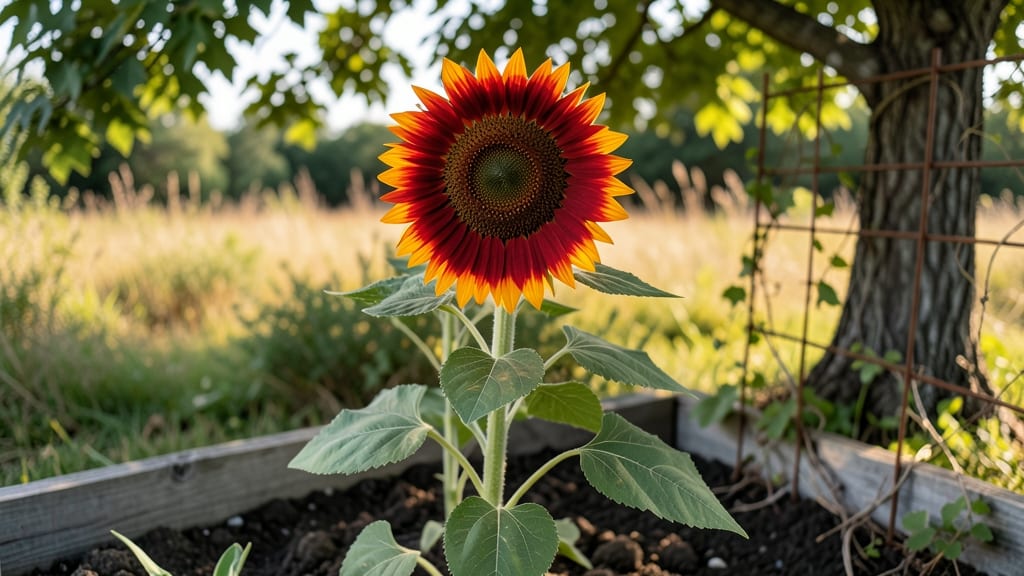
Stunning red sunflower images prove these blooms aren’t just flowers—they’re fiery statements in a vase or garden bed. 🌻 Their bold petals demand attention, whether you’re crafting a summer centerpiece or designing a pollinator-friendly border.
I’ve learned the hard way that their height and color make them the ultimate focal point, outshining even the most vibrant perennials.
What makes them so versatile? They thrive in containers or borders, grow fast (ready to cut in 6-8 weeks), and pair beautifully with lavender, salvia, or ornamental grasses. The secret?
Plant them where they’ll get full sun—6+ hours daily—and watch them tower over the garden like natural fireworks. Their deep roots also make them drought-tolerant once established.
Imagine cutting stems for bouquets that last a week or more, or letting them stand tall as a seasonal backdrop for annuals. The citrusy hue even brightens up outdoor spaces where other flowers fade.
With minimal care, they’ll reward you with weeks of drama—and happy bees won’t be far behind.
Perfect for cottage gardens, modern landscapes, or even urban balconies. Here’s how to make them the star of your space without the fuss.
📚 In This Guide
- What you need
- Instructions
- Tips and common mistakes
- Wrapping up and next steps
What you need
- ● Red sunflowers: 6–8 medium-sized blooms (fresh or dried, depending on your preference)
- ● Sharp kitchen shears or floral scissors: 1 pair (for clean cuts)
- ● Small bowl or plate: 1 (for holding petals)
- ○ Citrus zest (optional but recommended): 1 tsp of lemon or orange zest (for that extra citrusy punch)
- ○ Food-safe glue (optional): A tiny dab (like edible glue or honey) to secure petals if needed
- ● Edible gold leaf or luster dust: 1 small packet (for a glamorous touch)
- ● Microgreens or mint leaves: A few sprigs (to add freshness and contrast)
- ● Toothpicks or cocktail picks: 2–3 (to secure garnishes in glasses)
- ● Spritz bottle with water: 1 (to keep petals hydrated if using fresh flowers)
How to grow stunning red sunflowers for cocktail garnishes
Here's the foolproof method I use to grow vibrant red sunflowers—perfect for garnishes that pop against any citrus cocktail.
🌱 Step 1: Choose the Right Variety and Prepare the Soil
For cocktail garnishes, you want sunflowers with bold, deep red petals and sturdy stems. Varieties like 'Autumn Beauty' or 'Moulin Rouge' deliver that showstopping color. Start with a 6-inch-deep hole in well-draining soil—sunflowers hate soggy roots. Mix 2 gallons of compost into the planting area to give them a nutrient boost right from the start.
Sunflowers thrive in full sun, so pick a spot that gets at least 6-8 hours of direct sunlight daily. If your garden is shadier, choose a dwarf variety like 'Teddy Bear'—it still delivers bright red blooms but stays compact. Work the soil until it's loose and crumbly; you should be able to push your finger in 3-4 inches without resistance.
☀️ Step 2: Plant Seeds at the Right Depth and Spacing
Plant 2-3 seeds per hole, about 1 inch deep—this ensures strong germination without burying them too deeply. Space holes 12-18 inches apart for full-size varieties or 6-8 inches apart if you're growing dwarfs. I tap the seed packet gently to release one seed at a time—planting too many in one hole leads to weak, crowded stems.
Once seeds are in, cover lightly with soil and water gently until the surface is evenly moist. Avoid soaking the soil; you want it damp but not waterlogged. Sunflower seeds germinate best in warm soil (60-70°F), so if planting early in the season, consider using a seedling heat mat or waiting until the soil warms naturally.
💧 Step 3: Water Deeply and Provide Consistent Care
Water sunflowers deeply once a week, aiming for 1 inch of water per week. Let the top 2 inches of soil dry out between waterings—this prevents root rot and encourages stronger stems. I water in the morning so the foliage dries quickly, reducing the risk of fungal diseases like powdery mildew.
Fertilize when plants are 4-6 inches tall with a balanced 10-10-10 fertilizer, using 1 tablespoon per plant. Sunflowers are heavy feeders, so repeat this every 4-6 weeks during the growing season. Watch for yellowing leaves—this is a sign they need more nutrients or water.
✂️ Step 4: Prune and Support for Showstopping Blooms
Remove any side buds that form below the main flower head to direct energy into one bold bloom. This ensures a single, dramatic flower perfect for garnishes. Use clean pruners to snip off unwanted buds when they're still small—this prevents sap loss and stress on the plant.
Stake taller varieties like 'Autumn Beauty' with 6-foot bamboo stakes when they reach 3 feet tall. Tie stems loosely with soft garden twine to prevent wind damage. Dwarf varieties usually don’t need staking, but if stems lean, a small 4-inch stake can help keep them upright.
🌿 Step 5: Harvest and Use for Garnishes at Peak Freshness
Harvest sunflowers in the early morning when petals are fully open but still crisp. Cut stems at a 45-degree angle just above a leaf node to maximize water uptake. Place stems immediately in a bucket of cool water to keep them fresh for up to 5 days—ideal for garnishing cocktails.
For the best presentation, strip lower leaves from the stem and trim the base to 4-6 inches in length. The vibrant red petals will hold their color when submerged in citrus cocktails, adding a striking contrast to drinks like spicy margaritas or gin rickeys.
Tips & tricks for growing stunning red sunflower garnishes
Here's what I've learned after growing these showstopping sunflowers year after year for cocktail displays.
Sunlight Strategy: That 6-8 hours of direct sunlight is non-negotiable for those bold red petals. I've found that morning sun is especially important—it gives the flowers the energy they need to open fully. If you're in a slightly shadier spot, consider using a dwarf variety like 'Teddy Bear' which can tolerate 4-6 hours of sun while still delivering that vibrant red color.
Soil Preparation Secret: The 6-inch-deep hole with 2 gallons of compost isn't just about nutrients—it's about creating the perfect environment for those deep roots to establish. I like to add a handful of perlite to the mix when preparing the soil to improve drainage. This prevents the soggy roots that can lead to weak stems and smaller blooms.
Watering Wisdom: When you're aiming for that 1 inch of water per week, use a rain gauge or measuring cup to be precise. I've learned that sunflowers actually prefer slightly drier conditions than most flowers—letting the top 2 inches dry out between waterings prevents the powdery mildew that can dull those beautiful red petals. Watering in the morning gives the foliage time to dry completely before evening.
Harvesting Hack: That 45-degree angle cut at the base isn't just for looks—it maximizes the stem's surface area for water uptake. I've found that harvesting in the early morning gives you the freshest flowers with the most vibrant color. For cocktail presentation, trim the stems to 4-6 inches and strip the lower leaves—this creates a clean, elegant look that really makes those red petals pop against citrus garnishes.
Pro Tips for Red Sunflower Images
- Here's what I've learned after growing these showstopping sunflowers year after year for cocktail displays.
- Sunlight Strategy: That 6-8 hours of direct sunlight is non-negotiable for those bold red petals.
- Soil Preparation Secret: The 6-inch-deep hole with 2 gallons of compost isn't just about nutrients—it's about creating the perfect environment for those deep roots to establish.
Frequently asked questions
What exactly are "red sunflower images" in cocktails?
"Red sunflower images" refers to the striking edible petals from red sunflowers (like Helianthus annuus varieties), often used as a bold, citrus-accented garnish. These petals add a pop of color and a subtle floral-citrus aroma—perfect for garnishing drinks like shrubs, gin fizzes, or even mocktails. Think of them as nature’s edible confetti!
When is the best time to harvest sunflower petals for garnishes?
Harvest petals when sunflowers are fully open but still fresh—typically in the morning after dew has dried. Avoid wilting petals (they’ll lose color and texture). Store them in a paper towel-lined container in the fridge for up to 3 days, or freeze for longer shelf life. Pro tip: Use a pair of clean scissors to snip clusters gently!
Can I substitute red sunflower petals with other flowers or herbs?
If sunflowers aren’t available, try these alternatives for a similar citrusy or floral vibe:
- Citrus twists or zest (lemon, orange, or grapefruit)
- Purple basil or Thai basil leaves (for a herbal twist)
- Marigold or nasturtium petals (edible and peppery)
- Dried rose petals (for elegance, but avoid if allergic to roses)
Just ensure any substitute is edible and pesticide-free!
How do I prevent sunflower petals from bleeding color into my drink?
Color bleeding happens when petals sit too long in liquid. To avoid it:
- Use dry petals (pat them with a paper towel first).
- Add them just before serving—they’re meant to be a visual garnish, not infused.
- For shrubs, place petals on the rim of the glass or skewer them with a citrus wheel.
If color does bleed, strain the drink or serve it in a clear glass to showcase the garnish separately.
Are red sunflower petals safe to eat? Any allergies to watch for?
Yes, sunflower petals are generally safe for most people when used in moderation. However, always check for:
- Pesticide residue (use organic or homegrown petals).
- Allergies to daisies, ragweed, or chrysanthemums (sunflowers are in the same family).
- Avoid the center disc (can be bitter or cause mild stomach upset).
Start with a small amount if you’re unsure—your taste buds (and stomach) will thank you!
Wrapping up and next steps
Red sunflower images aren’t just vibrant—they’re a flavor-packed way to elevate your cocktails with natural beauty and citrusy charm! 🌻 Whether you’re experimenting with garnishes or crafting Instagram-worthy drinks, these bold blooms bring freshness and a pop of color.
Ready to impress your guests? Start small—try one recipe today, then let your creativity bloom!
- Next step: Grab a sunflower, mix, and garnish—then share your masterpiece with #SunflowerShrub!