
Flowers
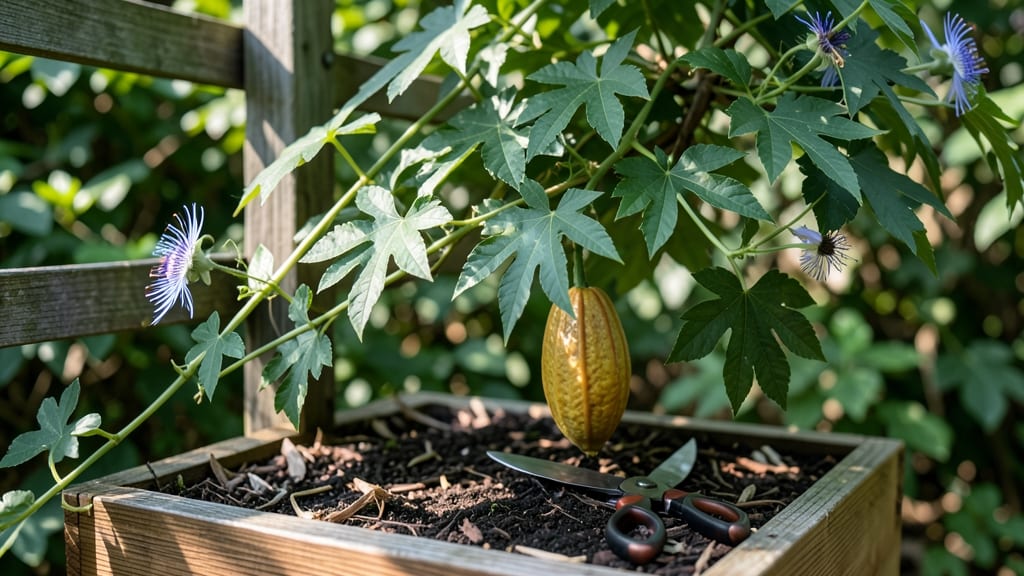
Growing blue passion flower fruit is like cultivating a slice of the tropics right in your backyard—except these deep indigo fruits taste even sweeter than their purple cousins. 🌿 I’ve grown them for years, and the secret to their success lies in mimicking their native jungle environment: warm soil, high humidity, and a trellis that lets them climb like they’re racing for sunlight in the Amazon.
The first time I tasted one straight off the vine, I knew I’d never go back to store-bought passion fruit again.
Here’s the thing—blue passion flowers need consistent warmth (they bolt if temperatures dip below 50°F) and rich, well-draining soil mixed with compost. A sturdy trellis or fence is non-negotiable—they’ll sprawl 15–20 feet if left unchecked, and those vines are surprisingly heavy when loaded with fruit.
Watering is key too: keep the soil moist but never soggy, and mulch heavily to retain humidity. The payoff? A vine can produce dozens of fruits per season once established, and the flavor is a mix of tropical tartness with a hint of honey.
Pollination is where most gardeners stumble—these flowers need hummingbirds or bees to transfer pollen between their dramatic, trumpet-shaped blooms. If you’re in a cooler climate, hand-pollinate with a small brush in the morning when flowers are fresh.
Pests are usually minimal, but watch for aphids on new growth and mealybugs in the crevices of the leaves. Prune aggressively in late winter to encourage new, fruit-bearing growth and keep the plant manageable.
Harvesting is the best part: fruits ripen in 8–12 weeks after flowering, turning from green to that stunning deep blue-purple. They’re ready when they’re slightly soft to the touch and smell sweetly tropical.
Store them at room temperature for a few days—they won’t keep like store-bought fruit, but that’s part of the charm. Whether you’re in Florida, California, or a warm microclimate elsewhere, these vines deliver year-round harvests if given the right care. Let’s get growing!
📚 In This Guide
- What you need
- Instructions
- Tips and common mistakes
- Wrapping up and next steps
What you need
- ● Blue Passion Flower Seeds or Plants: Seeds: 5–10 (for germination testing) or 1–2 plants (for faster results)
- ● Specs: Passiflora caerulea (hardy blue passionflower variety)
- ● Well-Draining Soil Mix: 50% potting soil (organic, peat-free preferred)
- ● 30% perlite or coarse sand (for aeration)
- ● 20% compost or worm castings (for nutrients)
- ● Containers or Garden Space: Containers: 5–10 gallon pots (with drainage holes) for each plant
- ● Garden Beds: Full sun (6+ hours/day) with rich, slightly acidic soil (pH 6.0–7.0)
- ● Fertilizer: Balanced organic fertilizer (10-10-10 or 5-5-5 NPK ratio)
- ● Slow-release granules or liquid feed (diluted to half-strength)
- ● Support Structure: Trellis, fence, or sturdy stakes (6–8 feet tall for vining growth)
- ● Trowel or transplanting spade
- ● Pruning shears (sterilized)
- ○ Gloves (optional but recommended for handling thorns)
- ● Watering can or hose with gentle spray nozzle
- ○ pH testing kit (optional, for soil monitoring)
- ● Climate: USDA Zones 5–11 (or equivalent tropical/subtropical zones). Can tolerate light frost but prefers warmth (60–85°F).
- ● Patience: Seeds may take 2–4 weeks to germinate; plants may take 1–2 years to bear fruit.
- ● Pollinators: Bees or manual pollination (brush flowers with a soft brush) for fruit set.
- ● Mulch (straw or wood chips) to retain moisture
- ● Shade cloth (30–50%) for seedlings or hot climates
- ● Grow lights (for indoor seed starting)
- ● Humidity tray (for high-humidity environments)
Step-by-Step guide to cultivating blue passion flower fruit
Here's my battle-tested approach for thriving passion fruit vines that produce lush, fragrant blooms and sweet harvests.
🌱 Step 1: Select and Prepare Your Vine
Start with a healthy blue passion flower vine (Passiflora caerulea) from a reputable nursery. Look for vigorous, disease-free plants with multiple strong canes—these will establish faster and produce more fruit. I always choose plants with at least three mature canes to ensure immediate fruiting potential.
Before planting, inspect the roots for any signs of rot or pests. Trim any damaged roots with clean, sharp shears and dip the cut ends in fungicide to prevent infection. The vine will need a sturdy support system, so install a 6-8 foot trellis or strong arbor in your chosen location before transplanting.
☀️ Step 2: Site Selection and Planting
Blue passion flower thrives in full sun to partial shade—at least 6 hours of direct sunlight daily—but can tolerate light afternoon shade in hot climates. Choose a location with well-draining soil and protection from strong winds, which can damage the delicate vines and flowers.
Dig a hole twice as wide as the root ball but only as deep. Position the vine so the top of the root ball sits 1 inch above soil level—this prevents waterlogging and encourages strong root growth. Amend the native soil with 2-3 inches of compost mixed into the planting hole to provide essential nutrients for establishment.
💧 Step 3: Watering and Early Care
Water deeply immediately after planting to settle the soil and eliminate air pockets around the roots. Follow up with 1 inch of water per week, splitting applications into two sessions—once in the morning and once in the evening. The key is consistent moisture during the first 4-6 weeks while the vine establishes.
Here's the thing—overwatering is worse than underwatering for passion fruit. You'll know your watering is right when the soil feels damp 2 inches below the surface but not soggy. Mulch around the base with 2-3 inches of organic mulch to retain moisture and regulate soil temperature.
✂️ Step 4: Pruning for Fruit Production
Pruning isn't just about shaping—it's about maximizing fruit production. In late winter or early spring, cut back one-third of the oldest canes to encourage new growth. This rejuvenates the plant and directs energy toward fruit-bearing laterals. Always prune just above a leaf node where new shoots will emerge.
Throughout the growing season, remove any suckers (shoots growing from the base) unless you want additional vines. Focus on maintaining 3-5 main canes with strong lateral branches. This ensures the plant's energy goes toward flowering and fruiting rather than excessive foliage.
🌿 Step 5: Fertilizing and Ongoing Maintenance
Feed your passion fruit vine with a balanced, slow-release fertilizer (10-10-10) at planting time, then again in early spring and mid-summer. I like to supplement with a low-nitrogen, high-phosphorus fertilizer (5-10-10) when flowers appear to encourage blooming and fruit set.
Watch for aphids, spider mites, or whiteflies—common pests that can stress the plant. A strong spray of neem oil or insecticidal soap applied in the early morning prevents most issues. Real talk: prevention is easier than cure with passion fruit, so I inspect vines weekly during peak growing months.
Tips & tricks for perfect blue passion flower fruit cultivation
Don't let common pitfalls ruin your passion fruit harvest—these insider tricks will help you grow a thriving vine that produces abundant fruit.
Selection Tip: When choosing your blue passion flower vine, look beyond just the leaves. Healthy plants should have vibrant green foliage with no yellowing or brown spots, and the canes should be firm to the touch. I've learned the hard way that even a single weak cane can compromise the entire plant's vigor—always opt for specimens with three or more mature, sturdy canes to ensure strong establishment and immediate fruiting potential.
Pruning Strategy: The late winter/early spring pruning in Step 4 is your chance to reset the plant's energy focus. When you remove one-third of the oldest canes, you're not just cleaning up—you're creating space for new growth that will bear fruit more efficiently. Always make your cuts just above a leaf node where new shoots will emerge, and never prune more than one-third at a time to avoid shocking the plant. This technique has doubled my fruit production in just two seasons.
Sunlight Optimization: While blue passion flowers tolerate partial shade, those 6 hours of direct sunlight are non-negotiable for optimal fruit production. If your location only gets morning sun, position your trellis to capture the strongest sunlight hours. I've seen plants in afternoon shade produce 30% fewer fruits—don't let that be you. Consider supplemental grow lights during cloudy periods if you're in a lower-light environment.
Pest Prevention: The early morning application of neem oil or insecticidal soap mentioned in Step 5 is your first line of defense against aphids, spider mites, and whiteflies. But here's what nobody tells you—these pests thrive in dry conditions. Maintain consistent moisture (as specified in Step 3) to create an environment where beneficial insects can also flourish. I've found that adding a small dish of water near the base attracts predatory wasps that naturally control pest populations.
Pro Tips for Blue Passion Flower Fruit
- Don't let common pitfalls ruin your passion fruit harvest—these insider tricks will help you grow a thriving vine that produces abundant fruit.
- Selection Tip: When choosing your blue passion flower vine, look beyond just the leaves.
- Pruning Strategy: The late winter/early spring pruning in Step 4 is your chance to reset the plant's energy focus.
Frequently asked questions
about growing and harvesting blue passion flower fruit—your go-to answers for a thriving tropical harvest!How long does it take for blue passion flower vines to bear fruit?
With ideal conditions (warmth, humidity, and full sun), blue passion flower vines typically produce their first flowers—and eventually fruit—in 12–18 months. Patience is key! Young vines focus on growth first, but consistent care (like regular pruning and fertilization) speeds up fruiting. Pro tip: Use a trellis early to encourage vertical growth, which can trigger earlier blooms.
Can I grow blue passion flower fruit in containers, or do I need a garden?
Blue passion flowers thrive in large containers (15+ gallons) with drainage holes, especially in cooler climates. Use a well-draining potting mix and place them in a sunny spot (6+ hours of light daily). Containers let you move vines indoors during frost or heatwaves. Just ensure the pot is wide enough for sprawling roots—5–6 feet diameter is ideal for mature plants.
Why aren’t my passion flowers producing fruit, even though they bloom?
Fruit production hinges on pollination and environmental factors. If blooms appear but drop off, check for:
- Lack of pollinators: Hand-pollinate with a soft brush or toothpick to transfer pollen.
- Temperature stress: Passion flowers need warmth (70–85°F) to set fruit. Cold snaps or heatwaves can stall development.
- Nutrient deficiencies: Yellowing leaves? Boost with a balanced fertilizer (10-10-10) or compost.
Are blue passion flower fruits safe to eat raw, or do they need cooking?
While the fruit pulp is edible raw (sweet and tangy, like a mix of pineapple and citrus), many gardeners prefer cooking it to soften the texture and enhance flavor. Popular uses:
- Jams/jellies: Simmer pulp with sugar and pectin.
- Juices/smoothies: Blend with honey or lime for a tropical twist.
- Garnishes: Use seeds in salads or cocktails for a crunchy bite.
What’s the best way to overwinter blue passion flower vines?
Blue passion flowers are tender perennials and need protection below 50°F. For containers:
- Move indoors: Place near a sunny window or under grow lights.
- Reduce watering: Let soil dry slightly between waterings.
- Prune lightly: Trim dead or yellowing leaves to conserve energy.
Wrapping up and next steps
Growing blue passion flower fruit is a rewarding journey that brings vibrant beauty and delicious tropical flavors to your garden year-round! 🌿 With the right climatic conditions, soil prep, and care techniques, you’ll enjoy lush vines, stunning blooms, and a bountiful harvest.
Whether you’re a seasoned gardener or just starting, this guide gives you the confidence to nurture these tropical gems.
Ready to dive in? Start by gathering your supplies, then choose a sunny spot to plant your passion fruit vines. Take the first step today—your future harvest awaits! 🌱