
Flowers
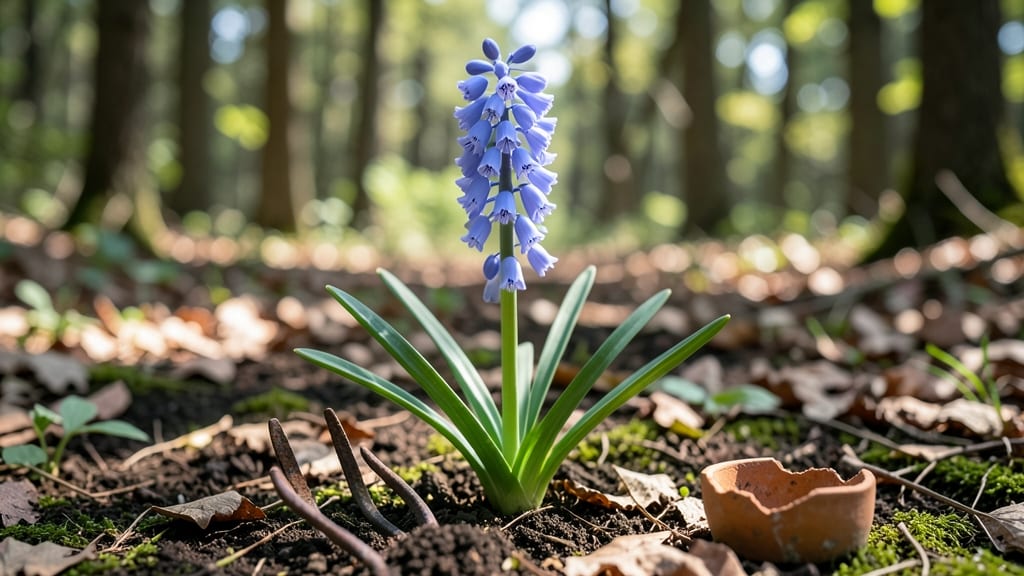
The striking blue spur flower, with its towering sky-blue spires, can bloom for months with the right care—just sturdy stems, rich soil, and a little support. 🌿 I’ve grown them in everything from full sun to partial shade, and the secret isn’t complicated.
The first year is the hardest, but once they establish, they’ll reward you with bold, vertical drama that no other perennial delivers.
You’ll need well-draining soil mixed with compost, 6+ hours of sunlight daily, and a spot where they won’t get knocked over by wind or rain. Staking is non-negotiable—those tall stems flop without it.
Water deeply once a week (more in extreme heat), and fertilize lightly in spring. The payoff? Stunning blooms from early summer through fall, with minimal fuss after the first season.
Flopping stems are the biggest frustration, but a simple tiered cage or pea stakes solves that instantly. Aphids might visit, but a blast of water usually sends them packing. These flowers thrive in cottage gardens, cutting gardens, or even as dramatic focal points in modern landscapes.
Once you see them in person, you’ll understand why they’re worth the effort.
They’re perfect for beginner gardeners who want impact without constant work. Start with one plant, master the basics, and soon you’ll be filling your garden with these sky-high beauties that turn heads every season. Let’s get those spires growing!
📚 In This Guide
- What you need
- Instructions
- Tips and common mistakes
- Wrapping up and next steps
What you need
- ● Blue spur flower seeds or nursery-grown plants: 3–5 plants (or 10–20 seeds) for a vibrant display.
- ● Well-draining potting mix: 1–2 bags (look for cactus/succulent blend or add perlite/sand for drainage).
- ● Containers or garden bed: Containers: 6–8" pots with drainage holes (1 per plant).
- ● Garden bed: Full sun spot (6+ hours/day) with loose, rocky soil.
- ● Gravel or decorative stones: Small bag (for mulching to prevent rot).
- ● Trowel or small shovel (for planting).
- ● Watering can with a narrow spout (to avoid disturbing soil).
- ● Gloves (to protect hands from sharp stones or soil).
- ○ Fertilizer (balanced 10-10-10, optional for established plants).
Step-by-Step guide to growing blue spur flowers year-round
Here's how to keep these striking plants thriving with just a few simple adjustments.
🌱 Step 1: Choose the Right Location and Soil
Blue spur flowers—like the Chamaedorea varieties—love bright, indirect light. Place your plant near an east or north-facing window where it gets morning sun but avoids harsh afternoon rays. If you notice the leaves yellowing or growing pale, it's getting too much direct sun—move it back a few feet.
Use well-draining potting mix designed for tropical plants. I like to blend the mix with a little perlite to help with airflow. The soil should feel slightly moist but never soggy—stick your finger in about an inch deep. If it feels dry, it's time to water. Overwatering is the #1 killer of these plants, so always let the top layer dry out between waterings.
☀️ Step 2: Master Watering and Humidity
Water your blue spur flower when the top 2 inches of soil feel dry to the touch. I use the "finger test" method—stick my index finger into the soil. If it comes out clean, it's dry enough. Water thoroughly until it drains from the bottom of the pot, then empty any excess from the saucer to prevent root rot.
These plants thrive in 60-75°F temperatures and high humidity. If your home runs dry, mist the leaves lightly every few days or place the pot on a tray filled with pebbles and water. The evaporation creates a humid microclimate around the plant. You'll see the leaves stay lush and vibrant—no crispy brown edges.
🪴 Step 3: Fertilize Lightly During Growing Season
Feed your blue spur flower every 4-6 weeks during spring and summer with a balanced, water-soluble fertilizer diluted to half strength. I like to use a 10-10-10 formula because it's gentle but effective. Stop fertilizing in fall and winter when growth slows naturally. Overfeeding can burn the roots, so always follow the package instructions carefully.
Watch for new growth as a sign your plant is happy. You'll see fresh leaves emerging from the top of the plant, and the existing ones will stay a rich, healthy green. If the leaves start yellowing between the veins, that's a classic sign of overwatering or too much fertilizer—cut back immediately.
✂️ Step 4: Prune and Repot as Needed
Trim any yellow or brown leaves with clean, sharp scissors to encourage new growth. I always make my cuts just above a leaf node where new leaves can sprout. This keeps the plant looking tidy and prevents pests from hiding in dead foliage. Prune in early spring to give the plant a fresh start for the growing season.
Repot every 2-3 years or when the roots start circling the bottom of the pot. Choose a container that's only 1-2 inches larger in diameter than the current one—blue spur flowers prefer being slightly root-bound. Spring is the best time to repot, giving the plant time to adjust before summer heat arrives.
🌿 Step 5: Watch for Pests and Adjust Care
Keep an eye out for spider mites or mealybugs, which love dry conditions. Wipe the leaves with a damp cloth weekly to remove dust and deter pests. If you spot any, treat with insecticidal soap or neem oil—both are safe and effective for indoor plants. I spray the undersides of leaves first, where pests often hide.
Rotate the pot occasionally so all sides get even light exposure. You'll notice the plant growing more evenly instead of leaning toward one window. This simple step prevents leggy growth and keeps your blue spur flower looking its best year-round. With these adjustments, your plant will stay lush and full for seasons to come.
Tips & tricks for perfect blue spur flower care
Here's what nobody tells you about keeping these elegant plants thriving without the guesswork.
Lighting Secret: East-facing windows are ideal for blue spur flowers, but if that's not an option, a sheer curtain over a south-facing window diffuses harsh light perfectly. I've seen these plants grow beautifully under LED grow lights too—just keep them 12-18 inches away for consistent growth. The key is avoiding direct midday sun, which causes those telltale brown leaf tips we all hate.
Soil Intelligence: That "slightly moist" soil test in Step 1 means your finger should come out with just a few damp particles clinging to it—not completely dry, not dripping wet. For the perfect mix, combine equal parts tropical potting soil, perlite, and orchid bark. This blend drains beautifully while holding just enough moisture. Confession: I skipped the perlite for years and wondered why my plants kept getting root rot.
Humidity Hack: The pebble tray method in Step 2 works wonders, but here's the pro move: Place your plant on a bed of damp sphagnum moss instead of pebbles. The moss holds more moisture and creates an even more humid environment. I keep mine topped off with distilled water to prevent mineral buildup that can damage the leaves over time. This single upgrade made my blue spur flowers go from struggling to thriving.
Fertilizer Timing: Those 4-6 week intervals during spring and summer are critical—any more frequent and you risk burning those delicate roots. I've found that applying fertilizer right after watering helps prevent salt buildup. And here's a little-known trick: Flush the soil with water every 3-4 months to remove accumulated salts, even if you're not repotting. Your plant will reward you with vibrant new growth.
Pro Tips for Blue Spur Flower
- Here's what nobody tells you about keeping these elegant plants thriving without the guesswork.
- Lighting Secret: East-facing windows are ideal for blue spur flowers, but if that's not an option, a sheer curtain over a south-facing window diffuses harsh light perfectly.
- Soil Intelligence: That "slightly moist" soil test in Step 1 means your finger should come out with just a few damp particles clinging to it—not completely dry, not dripping wet.
Frequently asked questions
Got questions about growing and caring for your blue spur flower (Chlorogalum pomeridianum)? You’re not alone! Here are some of the most common queries—and their easy answers to keep your plants happy and thriving.
How often should I water my blue spur flower?
Water your blue spur flower deeply but infrequently—about once every 1-2 weeks, depending on your climate. These drought-tolerant plants store water in their bulbs, so overwatering is worse than underwatering. Let the soil dry out completely between waterings to prevent rot.
When does the blue spur flower bloom, and how long does it last?
Blue spur flowers typically bloom in late spring to early summer (May-July in most regions), but timing can vary based on your local climate. Each flower lasts just 1-2 days, but the plant produces multiple blooms over several weeks. For a longer display, plant in full sun and ensure well-draining soil.
Can I grow blue spur flowers in containers?
Yes! These flowers adapt well to containers, making them perfect for patios or small gardens. Use a pot with drainage holes and a mix of cactus/succulent soil for optimal growth. Ensure the container is at least 8-10 inches deep to accommodate the bulbs. Rotate pots occasionally for even sunlight exposure.
What pests or diseases should I watch for?
Blue spur flowers are generally pest-resistant, but keep an eye out for aphids, snails, or fungal issues (like bulb rot) if overwatered. If pests appear, spray with soapy water or neem oil. For fungal concerns, reduce watering and improve airflow around the plant. A healthy, well-drained environment is your best defense!
Are there any alternatives if my blue spur flower isn’t thriving?
If your blue spur flower struggles in your climate, consider these low-maintenance alternatives with similar beauty: blue lily (Agapanthus), grape hyacinth (Muscari), or blue flax (Linum lewisii). All thrive in similar conditions but may offer more consistent blooms or color variations.
Wrapping up and next steps
The blue spur flower is a stunning, low-maintenance gem that rewards gardeners with vibrant blooms and resilience—perfect for busy or beginner plant lovers! 🌸 With just the right balance of sunlight, well-draining soil, and occasional watering, you can enjoy its cheerful colors year-round.
Whether you’re adding it to containers, borders, or hanging baskets, this flower proves that beauty doesn’t require high effort.
Ready to transform your space? Start small—plant one or two blue spur flowers today and watch your garden thrive with minimal fuss. Happy gardening! 🌿