
Flowers
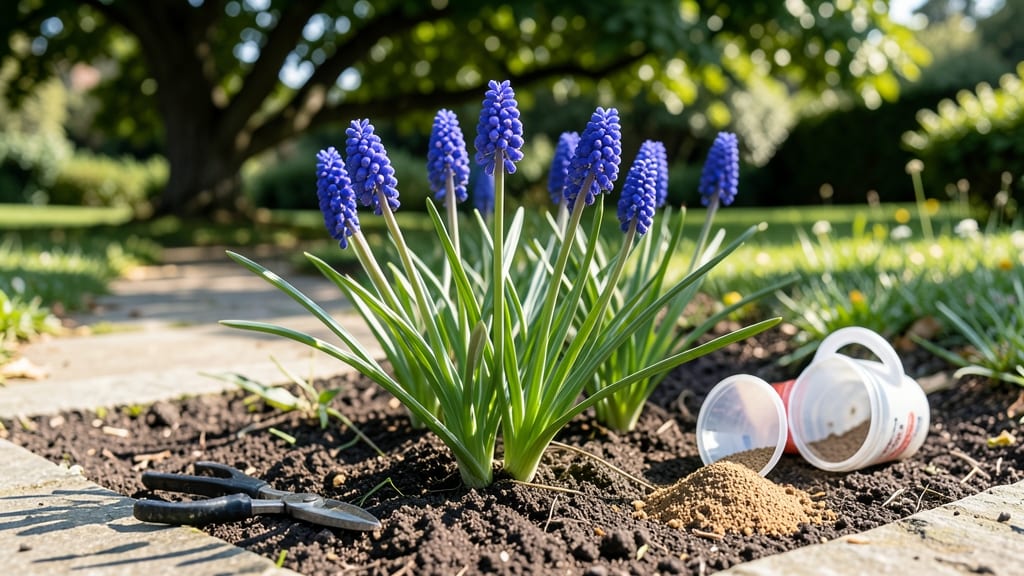
The grape hyacinth flower bursts through snow with its shockingly blue star-shaped blooms—proof that spring arrives even in the coldest months. I’ve forced bulbs indoors for early color, and the trick isn’t complicated: start with the right bulbs, mimic winter’s chill, then coax them awake with light.
The payoff? A cascade of fragrance and color when your yard still feels dormant.
You’ll need paperwhite or grape hyacinth bulbs (they’re the same plant!), a shallow container, and a cool, dark spot to begin. Plant them 2 inches deep, spacing them close together for that signature dense bloom effect.
Water lightly—just enough to keep the soil damp, not soggy—and patience is key. After 8-10 weeks of chilling, move them to bright light, and watch the magic unfold.
By late winter, you’ll have vibrant blue-green spikes reaching toward the sky, filling your home with a sweet, honey-like scent. The best part? These bulbs often rebloom outdoors the following spring, creating a foolproof display year after year. Just avoid overwatering once they’re flowering—wilting is temporary, but soggy soil isn’t.
Works for container gardens, windowsills, or even as gifts—just plant them in small pots for easy sharing. Whether you’re forcing them indoors or planting directly in the ground, grape hyacinths deliver unexpected early color with almost no effort. Here’s how to make it happen without the guesswork.
📚 In This Guide
- What you need
- Instructions
- Tips and common mistakes
- Wrapping up and next steps
What you need
- ● Grape hyacinth bulbs (Muscari spp.) – Choose 10-20 bulbs for a full display. Opt for large bulbs (1.5–2 inches in diameter) for bigger blooms.
- ● Well-draining potting mix – A blend of peat moss, perlite, and compost (or a cactus/succulent mix for forcing). Avoid heavy garden soil.
- ● Containers with drainage holes – Use 6-inch pots (1 bulb per pot) or a long, shallow tray (plant bulbs 2 inches apart). Terracotta or plastic works!
- ○ Chilling method – A refrigerator (with crisper drawer) or a cool basement (35–45°F) for pre-chilling bulbs (optional but recommended for forcing).
- ● Garden trowel or bulb planter – For planting bulbs neatly.
- ● Spray bottle – To keep soil lightly moist during chilling.
- ● Grow lights or sunny windowsill – A south-facing window or LED grow lights (12–14 hours/day) for post-chilling growth.
- ○ Thermometer (optional) – To monitor soil temps (60–65°F for blooming).
- ● Slow-release fertilizer – A balanced 10-10-10 mixed into soil for extra nutrition.
- ● Decorative pebbles or moss – For a cute, aesthetic touch in containers.
- ● Plant labels – To track varieties (e.g., ‘Blue Spike’ or ‘White Pearl’).
- ● Humidity tray – If your home is dry, to keep air moist around blooming plants.
Step-by-Step guide for forcing grape hyacinth blooms indoors
Here's how to coax vibrant grape hyacinth blooms weeks before spring arrives.
Select and Pre-Chill Bulbs Properly
Choose firm, plump grape hyacinth bulbs—avoid any with soft spots or sprouts. I like to inspect them under bright light to spot hidden damage. Place the bulbs in a paper bag with a handful of moist peat moss or vermiculite, then refrigerate for 10-12 weeks at 35-45°F. This cold treatment mimics winter dormancy and triggers flowering. Check periodically to ensure the moss stays damp but not soggy.
Real talk: If you skip this chilling, you'll get leaves but no flowers. The bulbs need this cold period to break dormancy. I set a reminder in my phone so I don't forget to move them to warmer conditions when the time comes.
Plant Bulbs in Containers with Well-Draining Mix
Fill a 6-inch pot with a mix of equal parts potting soil and perlite—this ensures good drainage while retaining moisture. Grape hyacinths hate soggy roots, so I always add perlite to prevent rot. Plant bulbs 2 inches deep and 1 inch apart, with their pointed ends facing upward. Gently press the soil around them to secure without compacting.
Use a small pot for just 4 bulbs—crowding leads to weak stems and fewer blooms. Tap the container lightly on the table to settle the soil, then water thoroughly until moisture seeps from the drainage holes. Let it drain completely before placing in a dark, cool spot for 2-3 weeks to encourage root growth.
Move to Light and Monitor Growth
After 2-3 weeks, when you see 1-2 inch green shoots, move the pot to bright, indirect light (like a north-facing window). Avoid direct sun—it can scorch the delicate leaves. I use a grow light on a timer for 12 hours daily if natural light is insufficient. You'll notice the stems lengthen and leaves broaden as they prepare for flowering.
Water sparingly—just enough to keep the soil lightly moist. Overwatering now can cause the bulbs to rot before they bloom. If the leaves start to yellow, it's a sign of too much moisture. Reduce watering slightly until the soil feels slightly dry at the surface.
Adjust Care for Peak Blooming
When the flower stalks appear (about 4-6 weeks after planting), increase light to 14-16 hours daily to encourage robust blooms. Rotate the pot quarter-turn weekly so the stems grow straight rather than leaning toward the light. You'll see clusters of tiny grape-like flowers forming—this is the payoff for all the patience!
Fertilize lightly with a balanced liquid fertilizer (like 10-10-10) diluted to half strength. Apply it once when the flower stalks emerge. Too much fertilizer now can reduce bloom quality. Keep the soil consistently moist but never waterlogged—this ensures the stems stay sturdy and the flowers last longer.
Extend Blooms and Plan for Future Seasons
Once the flowers fade, don't remove the foliage yet. Let the leaves yellow naturally and die back—this process feeds the bulb for next year. Place the pot in a shady spot and water sparingly until the leaves are completely brown. Then, store the bulbs in a cool, dry place (like a mesh bag in the fridge) until late summer before repeating the chilling process.
Here's the thing—grape hyacinths are perennials, but forcing them indoors weakens the bulbs over time. After 2-3 years, replace them with fresh bulbs for the best results. I always order new ones in early fall to start the cycle again.
Tips & tricks for perfect grape hyacinth blooms
Here's what nobody tells you about forcing these delicate bulbs to bloom indoors.
Cold Treatment Consistency: The 10-12 week chilling period at 35-45°F is non-negotiable for flowering. I place a small thermometer in my fridge to monitor temperature—some fridges have cold spots that can drop below 35°F, which can damage the bulbs. If your fridge fluctuates, consider a dedicated cool dark space like a basement closet. The key is maintaining steady temperatures throughout the entire period. If you're short on time, you can extend the chilling period to 14 weeks, but don't rush it—this is where most forcing attempts fail.
Root Growth Indicator: After planting in Step 2, those 2-3 weeks in darkness are crucial for root development. You won't see roots, but you can feel them forming by gently lifting the pot—it should feel noticeably heavier. If you're impatient, you can check by carefully removing one bulb to inspect roots, but be gentle to avoid damaging the others. This root growth is what determines whether your bulbs will bloom properly later. If you notice mold or foul smells during this period, your soil mix is too wet—reduce watering immediately.
Light Transition Strategy: When moving to light in Step 3, don't rush it. Gradually increase light exposure over 3-4 days to prevent leaf scorch. Start with just 2 hours of indirect light daily, then increase by 1 hour each day until reaching the full 12 hours. This gradual transition mimics natural spring conditions and helps the delicate leaves acclimate. I've seen many gardeners burn their shoots by moving them directly to full light—it's a common mistake that stunts growth.
Fertilizer Timing Precision: That single application of diluted fertilizer in Step 4 should happen exactly when flower stalks appear. Use a spray bottle to apply it evenly to avoid concentrated spots that could burn the emerging growth. I've found that using a liquid fertilizer allows for precise control—you can even mix it with water in a spray bottle for even distribution. Too much fertilizer at this stage can actually reduce bloom quality, so stick to the half-strength dilution and apply it only once.
Pro Tips for Grape Hyacinth Flower
- Here's what nobody tells you about forcing these delicate bulbs to bloom indoors.
- Cold Treatment Consistency: The 10-12 week chilling period at 35-45°F is non-negotiable for flowering.
- Root Growth Indicator: After planting in Step 2, those 2-3 weeks in darkness are crucial for root development.
Frequently asked questions
Got questions about growing grape hyacinth flowers? You’re not alone! Here are some common queries—and their answers—to help you master these charming blooms with confidence.
How do I know if my grape hyacinth bulbs are still viable for planting?
Press a firm bulb gently—if it feels soft or shriveled, it’s likely dead. Healthy bulbs should be solid, firm, and free of mold or holes. Store them in a cool, dry place (like a mesh bag) until planting season. Pro tip: If bulbs sprout early, refrigerate them for 6–8 weeks to mimic winter dormancy!
Can I force grape hyacinth bulbs indoors for early spring blooms?
Chill bulbs in a paper bag in the fridge (35–40°F) for 8–12 weeks, then plant in pots with well-draining soil. Place them in a dark, cool spot (like a closet) until shoots appear (~4–6 weeks). Move to bright, indirect light to encourage blooming. Bonus: They’ll rebloom outdoors later!
Why aren’t my grape hyacinths blooming this year?
Common culprits include insufficient chilling (they need winter-like conditions), poor drainage (root rot stunts growth), or too much direct sun (they prefer partial shade). Check soil moisture—overwatering or drought stress can delay blooms. If bulbs aren’t flowering after 2 years, dig them up and divide clumps to refresh growth.
Are grape hyacinths toxic to pets or children?
Yes, these bulbs contain alkaloids that can cause nausea, vomiting, or drooling if ingested. Keep them out of reach of curious pets or kids. Opt for pet-safe alternatives like crocuses or snowdrops if safety is a concern. Tip: Wear gloves when handling bulbs to avoid skin irritation.
What’s the best way to care for grape hyacinths after they bloom?
Let foliage yellow naturally—this feeds the bulb for next year! Reduce watering but don’t let soil dry completely. Once leaves die back, stop watering entirely. In fall, fertilize lightly with bulb-specific food. If grown in pots, divide bulbs every 2–3 years to prevent overcrowding.
Wrapping up and next steps
Growing grape hyacinth flowers is a rewarding experience that brings vibrant bursts of color to your garden long before spring officially arrives! With the right bulb-forcing techniques and a little patience, you can enjoy their delicate blooms indoors or outdoors—making them perfect for early-season cheer. 🌱✨
Now that you’re armed with the secrets to success, why not plant a few bulbs today? Start small with a pot on your windowsill or dive into a full garden bed—either way, you’ll be amazed by the results. Happy gardening, and may your grape hyacinths bloom beautifully!