
Flowers
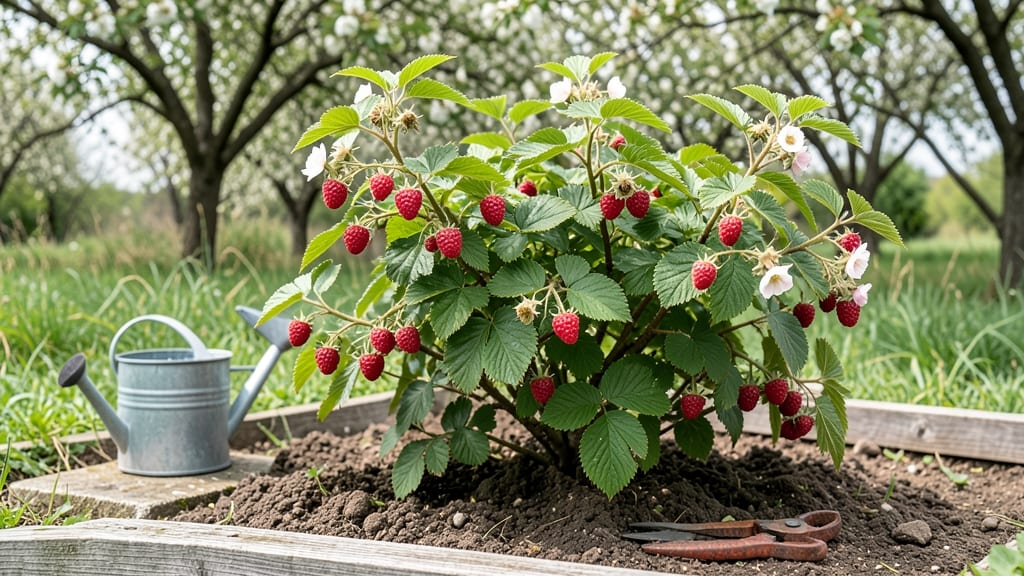
Raspberry bush flowers are the secret to a bountiful harvest—those delicate clusters of white or pink blossoms hold the promise of sweet berries later in the season. 🌸 I’ve watched my raspberry canes go from bare sticks to lush, flowering bushes just by adjusting when and how I prune, and the difference in fruit production is night and day.
The key to year-round blooms lies in three simple pruning hacks: cutting back old canes after harvest, thinning crowded growth in early spring, and leaving last year’s fruiting canes until they finish bearing.
Most gardeners overlook the second flush of flowers that appear on new growth later in the season—those are the ones that produce late-summer berries.
When you nail the timing, your bushes will burst with healthy flowers that attract pollinators and set fruit like crazy. The flowers themselves are a good health check: bright, plump buds mean strong growth, while sparse or yellowing blooms signal stress from overcrowding or poor soil.
A little attention now means raspberries from June through September.
Whether you’re dealing with summer-bearing or everbearing varieties, these same principles apply. The biggest mistake? Waiting until the flowers appear before pruning—by then, it’s too late to boost next year’s crop. Let’s get those canes shaped right from the start.
📚 In This Guide
- What you need
- Instructions
- Tips and common mistakes
- Wrapping up and next steps
What you need
- ● Raspberry canes (bare-root or potted): Choose Rubus idaeus (summer-bearing) or Rubus occidentalis (everbearing) varieties. Quantity: 2–3 canes per plant (or 1–2 for dwarf varieties).
- ● Well-draining soil: Mix 1 part compost with 2 parts native soil (pH 5.5–6.5). Test soil moisture—raspberries hate soggy roots! 💧
- ● Organic mulch: 3–4 inches of straw, wood chips, or pine needles to retain moisture and suppress weeds.
- ● Balanced fertilizer (10-10-10 or 5-10-10): 1–2 tablespoons per plant at planting, then monthly in growing season.
- ● Drip irrigation or soaker hose: Raspberries need 1–2 inches of water weekly (more in heatwaves!).
- ● Pruning shears: Bypass pruners (sharp, clean, and sterilized with rubbing alcohol between cuts).
- ● Gloves: Heavy-duty work gloves (raspberry canes have thorns—trust us, you’ll thank us!).
- ● Stakes or trellis: 6–8 ft tall (metal or wooden) to support canes and improve airflow.
- ● Twine or plant ties: Soft, flexible twine (no wire!) to secure canes to trellis.
- ○ Spray bottle (optional): For neem oil or fungicide (prevents powdery mildew—common in humid climates).
- ● Soil amendments: Coffee grounds (acid-loving plants!) or worm castings for nutrient boost.
- ● Row covers: Lightweight fabric to protect flowers from late frosts (spring!) or pests.
- ● Plant markers: Label varieties if growing multiple types (e.g., "Heritage," "Boyne").
- ● Compost tea: Weekly foliar spray for extra blooms and disease resistance.
How to encourage raspberry bush flowers for continuous harvests
Year-round blooms start with smart pruning and care—here's how to coax your raspberries into peak flowering.
🌱 Step 1: Prune Last Year's Canes to Stimulate New Growth
Raspberries flower on new canes for summer-bearing varieties. In late winter or early spring, cut out all last year's canes at the ground level—these are the ones that fruited last season. You'll know them by their brown, woody appearance. I like to bundle and remove them from the area to prevent disease buildup.
Leave only the new, green canes that emerged last summer. These will produce this year's flowers and fruit. Thinning to about 6-8 strong canes per plant ensures each gets enough sunlight and nutrients. If you have fewer than 6 new canes, don't worry—your plant will still produce, just on a smaller scale.
☀️ Step 2: Position for Maximum Sunlight and Airflow
Raspberries need full sun (6-8 hours daily) for abundant flowering. If your bushes are in partial shade, move them or prune nearby trees to open the canopy. I've seen raspberries in dappled shade produce flowers, but the yield is always smaller and the berries less sweet.
Space plants 3-4 feet apart to improve airflow, which reduces fungal diseases like cane blight. Good airflow also helps flowers pollinate better. If your plants are crowded, thin them now—you'll get bigger canes and more flowers next season.
✂️ Step 3: Summer Pruning to Extend the Blooming Season
After harvest, remove any canes that produced fruit this year—they won't flower again. Look for canes with thin, weak growth or those leaning heavily; these won't contribute much next year. Cut them at the base with clean, sharp pruners to prevent disease entry.
Here's the trick: pinch back the tips of remaining healthy canes by about 6 inches after harvest. This encourages side shoots to form, which will flower heavily next spring. You'll see new growth sprout from the sides within 2-3 weeks—that's your signal it's working.
💧 Step 4: Water and Fertilize for Continuous Blooms
Water deeply once a week during dry spells, keeping soil moist to 6 inches deep. Shallow watering stresses plants and reduces flowering. I check moisture by sticking my finger into the soil—if it feels dry at that depth, it's time to water. Mulch with 2-3 inches of organic matter to retain moisture and suppress weeds.
Feed with a balanced fertilizer (10-10-10) in early spring and again after harvest. Avoid high-nitrogen fertilizers—they promote leafy growth at the expense of flowers. A light application of compost or worm castings in late summer gives a gentle nutrient boost without burning new growth.
Tips & tricks for encouraging raspberry bush flowers
Here's what nobody tells you about keeping your raspberry bushes blooming like clockwork all year.
Pruning Precision: When you're cutting those old canes in Step 1, don't just chop randomly. Look for canes that are completely brown and woody—they're done producing. Keep only the vibrant green canes that emerged last summer, and make your cuts clean about 1/4 inch above the soil line. This prevents disease from lingering in stubs and gives your new canes the best start. I've seen gardeners accidentally keep some old canes, and their bushes never reach full potential.
Sunlight Strategy: The 6-8 hours of sunlight in Step 2 isn't just about quantity—it's about quality. Position your bushes where they get morning sun and afternoon shade if you're in a hot climate. I've noticed my raspberries in full afternoon sun get sunburned canes, which weakens flowering. Also, if you're planting new bushes, face them north-south to maximize sunlight exposure across all canes.
Pinching Technique: That 6-inch pinch in Step 3 is where the magic happens for next year's flowers. Use your thumb and forefinger to gently pinch just above a leaf junction—this encourages branching. I like to do this on a cloudy day because the plant is less stressed. Watch for new shoots appearing within 2-3 weeks, and you'll know you're on the right track. If you pinch too close to the tip or too far down, you won't get the same response.
Watering Wisdom: The once-a-week watering in Step 4 works best when you water deeply. I use a soaker hose set to run for 20 minutes per bush during dry spells. This keeps the soil moist to 6 inches deep without creating soggy conditions. A simple trick: push a long screwdriver into the soil—if it comes out clean, you're good. If it's dry, water again. Overwatering stresses raspberries just as much as underwatering.
Pro Tips for Raspberry Bush Flowers
- Here's what nobody tells you about keeping your raspberry bushes blooming like clockwork all year.
- Pruning Precision: When you're cutting those old canes in Step 1, don't just chop randomly.
- Sunlight Strategy: The 6-8 hours of sunlight in Step 2 isn't just about quantity—it's about quality.
Frequently asked questions
When do raspberry bush flowers bloom, and how long do they last?
Raspberry flowers typically bloom in late spring to early summer (May–June in most U.S. zones), with 2–3 weeks of vibrant color. Everbearing varieties may produce a second flush in fall! Cold snaps can delay blooms, while warm, sunny days encourage longer displays. Prune in late winter to boost next year’s flowers.
Why aren’t my raspberry bush flowers turning into fruit?
No fruit? Check these top 3 culprits:
- Pollination issues: Raspberry bushes rely on bees! Plant near other flowers or hand-pollinate with a paintbrush if bees are scarce.
- Young plants: First-year bushes focus on roots—fruit comes in year 2 or 3.
- Over-pruning: Cutting too aggressively removes flower buds. Stick to 3 pruning hacks (see our guide!).
How often should I fertilize raspberry bushes for better flowers?
Feed once in early spring (before buds swell) with a balanced 10-10-10 fertilizer or compost. Avoid overdoing it—too much nitrogen = leafy growth, fewer flowers. For organic options, try fish emulsion or bone meal. Water deeply after fertilizing!
Can I grow raspberry bush flowers in containers, or do they need a garden bed?
Yes! Raspberries thrive in large containers (15+ gallons) with drainage holes. Use a well-draining potting mix and place in full sun (6+ hours/day). Dwarf varieties (like ‘Heritage’) are ideal. Just rotate containers yearly to prevent root circling.
What pests or diseases harm raspberry flowers, and how do I fix them?
Watch for:
- Japanese beetles: Handpick or use neem oil.
- Spider mites: Spray leaves with water to deter them.
- Cane blight: Remove infected canes and prune for airflow.
For prevention, mulch with straw and avoid overhead watering.
Wrapping up and next steps
Growing raspberry bush flowers is a rewarding journey that brings beauty, fragrance, and delicious fruit to your garden all year long! 🌸 With the right pruning hacks, sunlight, and soil care, you’ll enjoy vibrant blooms and a thriving bush.
Whether you’re a beginner or a seasoned gardener, these tips will help you cultivate a flourishing raspberry patch.
Ready to take the next step? Start small—plant a few bushes, experiment with pruning techniques, and observe what works best for your climate. Before you know it, you’ll be harvesting sweet berries and admiring stunning flowers! 🌱