
Flowers
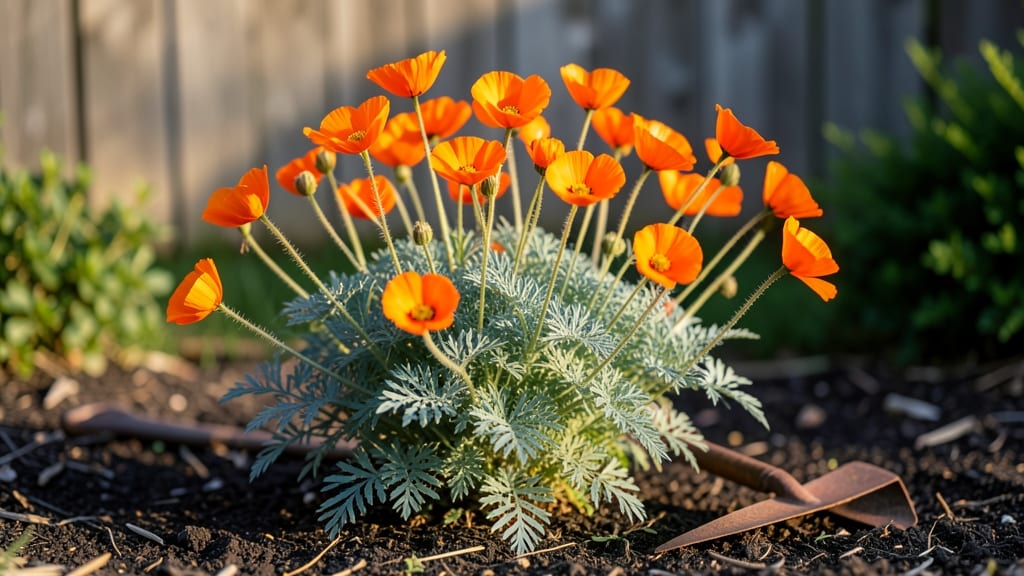
That California poppy orange flower burst into bloom one spring morning, and suddenly, the meadow glowed—sunlight made visible, swaying in the breeze. These drought-resistant beauties thrive where others struggle, and their cheerful blooms attract bees and butterflies like a magnet.
Pair them with lavender for a Mediterranean vibe or let them mingle with native grasses for a wild, natural look. They’re perfect for borders, meadows, or even container gardens where they’ll spill over edges like a golden waterfall.
The key? Plant them in well-draining soil and give them full sun—no fuss, just stunning results.
By late spring, your garden will glow with their bright orange faces, and the air will hum with pollinators. They’re annuals, so they’ll fade by summer, but their seeds self-sow like magic, returning year after year. Imagine a patch of them swaying in the breeze—it’s pure, effortless beauty.
Whether you’re revamping a wildflower meadow or adding a pop of color to a sunny border, these poppies deliver. They’re the ultimate low-maintenance star for any sunbathing garden corner. Ready to bring that golden glow to your outdoor space?
📚 In This Guide
- What you need
- Instructions
- Tips and common mistakes
- Wrapping up and next steps
What you need
- ● Seeds or bulbs: California poppy seeds (1–2 oz per 10 sq ft) – organic, non-GMO preferred
- ● Orange flower bulbs (e.g., Tulipa ‘Orange Princess’ or Dahlia ‘Café au Lait’) – 5–10 bulbs per 5 sq ft
- ● Well-draining soil: Mix 1 part native soil with 1 part perlite or coarse sand (avoid heavy clay).
- ● Sunlight: Full sun (6+ hours/day) – no compromises here!
- ● Watering can or hose: With a gentle spray nozzle (California poppies hate soggy roots!).
- ● Compost or slow-release fertilizer: 5-10-10 NPK ratio (sprinkle lightly at planting).
- ● Mulch: Straw or gravel (keeps soil moist and suppresses weeds).
- ● Pollinator-friendly companions: Lavender, yarrow, or bee balm (plant 1–2 ft away).
- ● Floral wire & tape: For arranging bouquets (if crafting!).
- ● Drip irrigation kit: Automates watering (lazy gardener’s dream 😉).
How to create a thriving California poppy and orange flower pollinator garden
Here’s how to design a vibrant, low-maintenance garden that attracts bees and butterflies while thriving in sunny climates.
Choose the Perfect Sunny Location
California poppies and orange flowers need at least 6 hours of direct sun daily. I always scout the sunniest spot in my yard—usually a south or west-facing area—because these plants wilt quickly in shade. Avoid low spots where water pools, as soggy roots lead to rot.
Test your site by observing how sunlight moves across the ground throughout the day. If nearby plants are struggling, the spot may not get enough light. Mark the area with stakes so you can dig and plant efficiently later.
Prepare the Soil for Drought-Tolerant Growth
These Mediterranean natives hate heavy, wet soil. Work in 2-3 inches of coarse sand or perlite into the top 12 inches of soil to improve drainage. I mix in a handful of compost for nutrients, but don’t overdo it—too much organic matter retains moisture and invites fungal issues.
Loosen the soil with a garden fork until it crumbles easily between your fingers. The goal is a gritty, well-aerated texture that mimics their natural habitat. If your soil is clay-heavy, amend with 50% sand to prevent compaction.
Plant Seeds or Transplants at the Right Time
For seeds, sow in early fall (October-November) or late winter (February-March) when temperatures are cool. Press seeds ¼ inch deep—they need light to germinate, so don’t bury them too deeply. Space them 6-12 inches apart for air circulation.
If using transplants, choose established plants with healthy green foliage and no signs of wilting. Plant in the early morning or late afternoon to reduce transplant shock. Water deeply right after planting to settle the roots, but avoid soaking the soil afterward.
Water Sparingly and Protect New Growth
Once established, these plants thrive on rainwater alone. Water deeply once a week during dry spells, focusing on the base of the plants. Overwatering causes root rot, and they’re tough enough to handle drought once mature.
Mulch with 1-2 inches of gravel or pebbles (not organic mulch) to retain heat and deter weeds. This mimics their natural desert environment and keeps moisture from evaporating too quickly. Avoid piling mulch against stems—it traps moisture and invites pests.
Encourage Pollinators with Minimal Maintenance
Let the flowers go to seed in late spring—this provides food for birds and attracts beneficial insects. Deadhead spent blooms only if you want to prolong flowering, but leave some for pollinators. I usually let 20% of the plants seed out naturally.
Watch for aphids or spider mites in hot weather—spray with neem oil if you spot sticky residue on leaves. These plants rarely need fertilizer, but a light application of 5-10-10 in early spring gives a gentle boost without encouraging leafy growth at the expense of blooms.
Tips & tricks for a thriving California poppy and orange flower garden
Creating a stunning pollinator garden takes a little strategy—here’s how to maximize your success with these sun-loving beauties.
Sunlight Strategy: Those 6 hours of daily sun are non-negotiable for California poppies and orange flowers. If your yard has partial shade, consider adding a reflective surface like a white fence or gravel path nearby to bounce extra light onto the plants. I’ve seen dramatic growth differences in just a few weeks when plants get the right light exposure.
Soil Science: The gritty texture from the 2-3 inches of coarse sand or perlite in Step 2 is crucial—it prevents the roots from sitting in soggy conditions. For clay-heavy soils, mix in that 50% sand amendment thoroughly, even if it takes extra effort. I like to test the soil’s drainage by digging a hole, filling it with water, and timing how long it takes to drain—it should empty in under 30 minutes.
Planting Timing: The early fall (October-November) or late winter (February-March) windows in Step 3 are perfect because cool temperatures reduce transplant shock. If you’re using transplants, avoid the midday heat—planting in early morning or late afternoon gives roots time to settle before the sun peaks.
Watering Wisdom: Once established, these drought-tolerant plants truly thrive on rainwater alone. The once-a-week deep watering in Step 4 should focus on the base, not the leaves, to prevent fungal issues. I’ve seen gardeners accidentally kill their plants by watering too frequently—trust me, these beauties are tougher than they look!
Pro Tips for California Poppy Orange Flower
- Creating a stunning pollinator garden takes a little strategy—here’s how to maximize your success with these sun-loving beauties.
- Sunlight Strategy: Those 6 hours of daily sun are non-negotiable for California poppies and orange flowers.
- Soil Science: The gritty texture from the 2-3 inches of coarse sand or perlite in Step 2 is crucial—it prevents the roots from sitting in soggy conditions.
Frequently asked questions
Got questions about growing or caring for your California poppy (Eschscholzia californica) or vibrant orange flowers? You’re in the right place! Here are some of the most common queries—plus quick, practical answers to help you cultivate a sun-drenched pollinator paradise.
When is the best time to plant California poppies?
Plant seeds in early spring (March–April) or late summer (August–September) for fall blooms. These hardy annuals thrive in mild climates and can even self-seed if left undisturbed. Avoid planting in hot summer months—they need cooler soil to germinate. Pro tip: Lightly scratch seeds into well-drained soil; they don’t need deep covering!
How long does it take for California poppies to bloom?
From seed to flower, expect 6–10 weeks under ideal conditions (full sun, moderate water). Fast-growing varieties may bloom sooner, while cooler springs can slow germination. Once established, they often rebloom intermittently if deadheaded. Fun fact: Their delicate petals close at night but reopen with the sun!
Why aren’t my California poppies blooming?
Overwatering is the #1 culprit—these drought-tolerant beauties hate soggy soil. Check for:
- Well-draining soil (sandy or rocky works best)
- Full sun (6+ hours/day)
- Minimal fertilizer (they thrive in poor soil!)
Can I grow orange flowers like California poppies in containers?
Use large pots (12+ inches wide) with drainage holes and a lightweight potting mix. Top picks for containers:
- California poppy (drought-resistant)
- Orange marigolds (bright, pest-repelling)
- Blanket flower (Gaillardia) (long-lasting blooms)
Are California poppies good for pollinators?
Yes! Their open, accessible flowers attract bees, butterflies, and beneficial insects. For a pollinator powerhouse, pair them with:
- Sunflowers (late-season nectar)
- Lavender (long bloom time)
- Yarrow (flat clusters for bees)
Wrapping up and next steps
The California poppy and orange flower aren’t just stunning additions to your garden—they’re vibrant lifelines for pollinators and a celebration of nature’s resilience. 🌸 With their low-maintenance charm and bright hues, these sun-loving blooms transform any space into a buzzing paradise, proving that beauty and ecology go hand in hand.
Ready to plant your own pollinator haven? Start small—grab seeds, pick a sunny spot, and let these cheerful flowers do the rest. Your garden (and the bees!) will thank you.