
Flowers
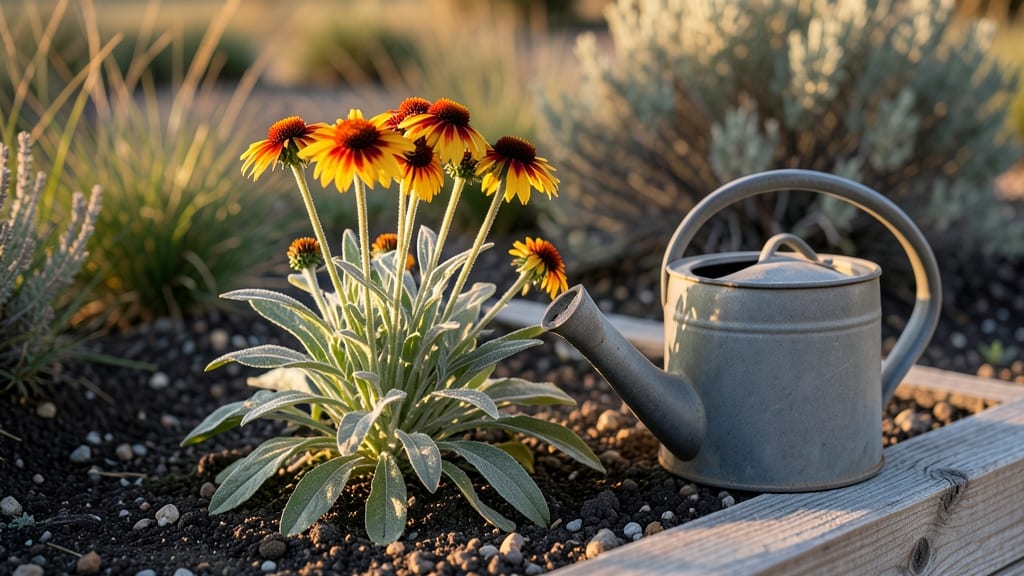
Caring for sun blanket flowers in Arizona’s brutal sun is easier than you think—these tough little plants practically beg you to grow them. 🌵 I’ve watched mine survive triple-digit heat with zero fuss, their fiery blooms popping against the desert backdrop like nature’s own fireworks.
The key isn’t coddling them; it’s giving them exactly what they crave: well-draining soil, minimal water, and full sun exposure.
Start with sandy loam soil mixed with compost to help them establish roots quickly—these plants hate soggy feet. Water deeply once a week after planting, then taper to every 10-14 days once established.
Mulch with 1-2 inches of gravel to keep moisture in and weeds out while protecting roots from extreme heat. They’ll reward you with nonstop blooms from spring through fall, even when other flowers wilt.
Pruning is simple: snip back dead blooms to encourage more flowers, and cut back one-third of the plant in early spring to keep it compact. Pests? Almost none—just watch for spider mites in extreme heat, which you can blast off with a hose.
In winter, they’ll go dormant but bounce back like nothing happened. This is the low-maintenance superstar of Arizona gardens.
Whether you’re filling a rocky desert landscape or a city planter, sun blanket flowers adapt effortlessly. Plant them in groups for maximum impact, and you’ll have drought-proof color that thrives where most plants fail. Ready to make your yard the talk of the neighborhood?
📚 In This Guide
- What you need
- Instructions
- Tips and common mistakes
- Wrapping up and next steps
What you need
- ● Sun Blanket Flower Seeds or Nursery Plants: 1–3 plants (or seeds) per 1–2 square feet of space (they spread!)
- ● Choose Gaillardia aristata for native Arizona resilience.
- ● Well-Draining Soil Mix: Native desert soil (amended with 50% compost for nutrients).
- ● Alternative: Cactus/succulent mix (if native soil isn’t available).
- ● Sunny Planting Spot: Minimum 6+ hours of direct sunlight daily (full sun thrives best!).
- ● Watering Can or Drip Irrigation: 1–2 gallons of water per plant during establishment (first 2 weeks).
- ● Pruners or Clean Shears: Sharp, sterilized tools for deadheading or shaping.
- ● Mulch: 1–2 inches of gravel or decomposed granite to retain moisture.
- ● Fertilizer: Low-nitrogen, balanced 5-5-5 fertilizer (apply sparingly).
- ● Plant Tags: For tracking varieties if you’re experimenting!
- ○ Gloves: To protect hands from prickly stems (optional but handy!).
Step-by-Step instructions for cultivating Arizona sun blanket flower
Here's how to coax vibrant blooms from this desert native—no fuss, just stunning results.
🌱 Step 1: Select the Perfect Planting Site
Sun blanket flower (Gaillardia) demands full sun exposure—at least 6-8 hours daily—to thrive. In Arizona's intense climate, choose a spot with morning sun and afternoon shade if your area gets extreme afternoon heat (above 105°F). The soil should drain rapidly; these plants despise soggy roots.
I always test drainage by digging a 6-inch hole, filling it with water, and watching how fast it drains. If water remains after 30 minutes, amend the soil with 2-3 inches of coarse sand or gravel before planting. Native Arizona soil often needs this adjustment to prevent root rot.
🪴 Step 2: Plant with Proper Spacing and Soil Prep
Dig holes twice as wide as the root ball but only as deep as the container's base. Gently remove the plant, loosen roots if pot-bound, and place it so the top of the root ball sits level with the surrounding soil. Arizona's alkaline soil can stress young plants, so mix 1 part compost into the backfill soil to improve fertility without altering pH drastically.
Space plants 12-18 inches apart for full, bushy growth. Crowding leads to leggy stems and fewer blooms. Water deeply immediately after planting to eliminate air pockets, then let the soil dry completely before watering again. This mimics natural desert conditions and prevents root rot.
☀️ Step 3: Water Strategically for Desert Conditions
Sun blanket flower is famously drought-tolerant once established, but young plants need consistent moisture for the first 4-6 weeks. Water deeply every 5-7 days until the soil feels dry 2-3 inches down. Use a soaker hose or drip irrigation to deliver water directly to the roots, avoiding wetting the foliage—which can promote fungal diseases in Arizona's heat.
After establishment, reduce watering to once every 2-3 weeks unless temperatures exceed 110°F, when you might need to water weekly. The plant's deep taproot makes it resilient, but wilting leaves signal it's time to water. Here's the thing—overwatering kills faster than underwatering in this species.
✂️ Step 4: Prune for Continuous Blooms
Deadhead spent blooms weekly to encourage nonstop flowering through Arizona's long growing season. Simply pinch off faded flowers with your fingers or use clean pruners. This redirects energy to new growth rather than seed production. I always prune in the early morning when temperatures are cooler—it reduces stress on the plant.
After the first flush of blooms, give your plant a light trim to shape it and remove any leggy growth. Cut back one-third of the plant's height in late summer to promote a second round of fall blooms. Avoid heavy pruning in winter unless you're in a Zone 9+ area, where mild winters allow for year-round growth.
🌿 Step 5: Winter Care for Arizona's Mild Climate
Arizona's winters are typically mild, but sun blanket flower benefits from light protection in Zone 7 and colder. Once temperatures drop below 40°F, apply a 2-inch layer of mulch (like gravel or straw) around the base to insulate roots. This prevents heaving and keeps soil temperatures stable.
Resist the urge to fertilize in winter—these plants are dormant or semi-dormant and don't need extra nutrients. In early spring, when new growth appears, apply a balanced 10-10-10 fertilizer at half strength. This gives them a gentle boost without encouraging tender, frost-sensitive growth.
Tips & tricks for perfect Arizona sun blanket flower cultivation
These desert-smart strategies will help you grow sun blanket flowers that bloom like crazy—no matter how intense the Arizona heat.
Soil Drainage is Non-Negotiable: The 30-minute drainage test in Step 1 is your best defense against root rot. If water lingers after 30 minutes, mix in coarse sand or gravel until you see water disappear in under 15 minutes. I've seen too many sun blanket flowers fail because people underestimate how critical this is for desert natives. The key is creating that fast-draining environment that mimics natural Arizona soil conditions.
Morning Sun Strategy for Extreme Heat: When Step 1 mentions morning sun with afternoon shade, this isn't just about avoiding scorching—it's about protecting the delicate blooms. In areas where afternoon temperatures exceed 105°F, provide light shade (like a sheer cloth) during peak heat hours (1-4 PM). The flowers will still get their full sun requirement while avoiding heat stress that can cause wilting or sunburn on petals.
Watering Timing Matters More Than You Think: The 5-7 day watering schedule in Step 3 might seem generous, but timing is everything. Water in early morning (before 8 AM) to allow foliage to dry completely before afternoon heat sets in. This prevents fungal issues that thrive in Arizona's humidity spikes. And when you check for dry soil at 2-3 inches down, use your finger—not a moisture meter. The soil should feel completely dry, like a desert after a rainstorm.
Pruning for Second Flushes: That late summer trim where you cut back one-third of the plant's height isn't just about shaping—it's a strategic move to trigger fall blooms. The plant interprets this as a signal to "start over" and puts all its energy into new growth. Just remember: in Zone 9+ areas, you can prune lightly all winter long for continuous color, but in colder zones, wait until spring when new growth appears.
Pro Tips for Arizona Sun Blanket Flower Care
- These desert-smart strategies will help you grow sun blanket flowers that bloom like crazy—no matter how intense the Arizona heat.
- Soil Drainage is Non-Negotiable: The 30-minute drainage test in Step 1 is your best defense against root rot.
- Morning Sun Strategy for Extreme Heat: When Step 1 mentions morning sun with afternoon shade, this isn't just about avoiding scorching—it's about protecting the delicate blooms.
Frequently asked questions
How often should I water my Sun Blanket Flower in Arizona’s heat?
Water deeply once a week during the first growing season to establish roots, then taper to every 2–3 weeks once established. Overwatering is the enemy—these drought-lovers store water in their roots! Pro tip: Let the soil dry out completely between waterings to mimic their native habitat.
When is the best time to plant Sun Blanket Flowers in Arizona?
Plant in early spring (March–April) or fall (September–October) to avoid scorching summer heat. Young plants struggle with extreme temps, but established flowers handle Arizona’s sun like a champ. Bonus: Fall planting often leads to earlier blooms the following year!
What pests or diseases should I watch for with Sun Blanket Flowers?
Keep an eye out for aphids (tiny green/black bugs) and spider mites (webby threads). Treat with a strong spray of water or neem oil. Powdery mildew can occur in humid conditions—improve airflow and avoid overhead watering. Good news: These plants are generally pest-resistant once healthy!
Can I grow Sun Blanket Flowers in containers, or do they need in-ground planting?
They thrive in well-draining containers (12+ inches deep) with cactus/succulent mix. Just ensure the pot has drainage holes and place it in full sun. Containers dry out faster, so check soil moisture more often. Tip: Elevate pots to prevent root rot in monsoon season.
How do I encourage more blooms on my Sun Blanket Flower?
Deadhead spent blooms regularly to prompt new flowers. Prune lightly after the first flush of blooms (late spring) to shape the plant and encourage a second round of flowers in fall. Bonus: Fertilize lightly with a low-nitrogen, high-phosphorus formula (like 5-10-10) at planting time.
Will Sun Blanket Flowers survive Arizona’s winter frosts?
Yes! These hardy plants tolerate temps down to 10–15°F once established. Young plants may need light mulch or a frost cloth in extreme freezes (below 20°F). Remember: They’ll often re-sprout from the base in spring, proving their resilience!
Wrapping up and next steps
Caring for your Arizona Sun Blanket Flower is all about embracing its hardy, sun-loving spirit!
With minimal water, well-draining soil, and a little full-sun love, you’ll enjoy vibrant blooms that thrive in even the hottest desert climates. 🌞✨ Whether you’re a seasoned gardener or just starting out, this drought-resistant beauty makes gardening effortless and rewarding.
Ready to add a splash of color to your landscape? Plant yours today and watch your garden flourish with low-maintenance, heat-proof charm! For extra tips, check out our FAQ section or explore other sun-loving plants perfect for Arizona’s climate.