
Flowers
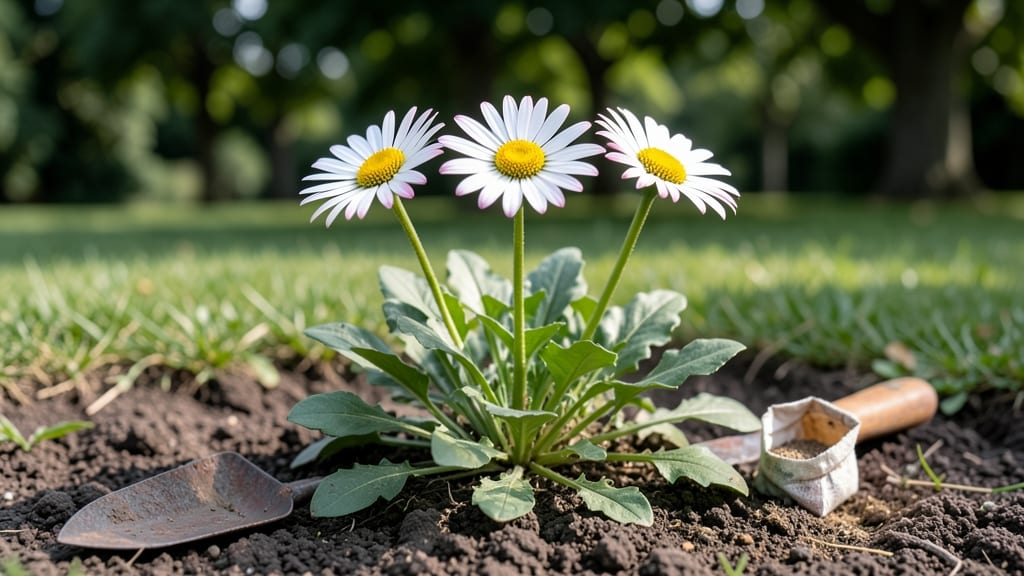
Mastering daisy flower care turns your garden from ordinary to shockingly lush with just three strategic trims a year—until I learned the hard way after my first patch flopped into a floppy mess. maintenance keeps them blooming nonstop.
The secret isn’t complicated: it’s about timing, sharp cuts, and knowing when to leave them alone.
Daisies thrive in full sun and well-draining soil, but their real magic happens in the pruning. You’ll need clean shears, a sunny afternoon, and about 15 minutes—that’s all it takes to extend their blooming season by months.
The first trim in early spring removes dead growth, the second in midsummer encourages new flowers, and the final one in late summer preps them for winter. No fancy tools, no guesswork—just consistent care.
What you’ll get is a garden packed with cheerful white and yellow blooms from spring through frost, with fewer pests and stronger stems. The flowers stay fresh-cut looking, the plants grow bushier, and you’ll spend less time deadheading.
It’s the kind of care that turns daisies from pretty annuals into reliable perennials that come back year after year.
Works for garden borders, cottage-style beds, or even containers—just adjust the trimming schedule for your climate. Let’s get those shears sharp and those daisies thriving!
📚 In This Guide
- What you need
- Instructions
- Tips and common mistakes
- Wrapping up and next steps
What you need
- ● Pruning shears or sharp scissors: Clean, sharp blades (sterilized with rubbing alcohol) – 1 pair.
- ● Gloves: Garden gloves (nitrile or leather for protection) – 1 pair.
- ● Watering can or hose: With a gentle spray nozzle (for even watering) – 1 unit.
- ● Well-draining potting mix or garden soil: For repotting or amending soil (add compost for nutrients) – 1-2 bags (5-10 lbs each).
- ● Fertilizer: Balanced, slow-release 10-10-10 or organic options like fish emulsion – 1 small container.
- ● Mulch: Organic mulch (straw, shredded bark, or pine needles) – 1-2 bags (2-3 cubic feet).
- ● Pruning saw: For larger, woody stems (if your daisies grow tall).
- ● Plant support: Stakes or cages (for varieties like Gerbera daisies that may flop) – 3-5 units.
- ● Soil pH test kit: To check if your soil needs amendments (ideal pH: 6.0-7.0 for daisies).
- ● Compost tea or liquid fertilizer: For a quick nutrient boost after trimming.
- ● Decorative rocks or pebbles: To keep mulch in place and add a polished look.
How to maintain daisy flowers for continuous blooms
Here’s the straightforward approach I’ve used to keep daisies flowering all season—no guesswork, just consistent results.
Prune Spent Blooms to Encourage New Growth
As soon as a daisy flower head wilts and its petals turn brown, snip it off at the base using clean, sharp shears. This prevents the plant from wasting energy on seed production and redirects it toward new buds. I always cut just above a set of healthy leaves or a leaf node—this ensures the plant can regenerate quickly.
Don’t wait until the flower is completely dead. The moment it starts to droop, that’s your cue. You’ll notice fresh buds forming within 7-10 days if you stay on top of this. If you skip this step, your daisies will focus on producing seeds instead of blooms, and you’ll end up with fewer flowers overall.
Thin Out Crowded Foliage for Better Airflow
Once or twice during the growing season, take a closer look at your daisies and identify any stems that are overcrowded or leggy. These are the ones that stretch too far apart or have weak growth. Use your shears to trim them back by about one-third of their height. This might sound drastic, but it actually encourages stronger, bushier growth.
You’ll know you’ve done it right when new shoots start sprouting from the base of the plant within 2-3 weeks. This step is especially important if your daisies are planted close together, as poor airflow can lead to fungal issues. Always sterilize your shears with rubbing alcohol between cuts to prevent spreading disease.
Cut Back Stems for Fall and Winter Prep
When the first frost threatens or temperatures drop below 40°F at night, it’s time for a final trim. Cut back all the stems to about 2-3 inches above the ground. This might seem harsh, but it helps protect the plant’s crown from cold damage and encourages fresh growth in spring. I’ve found that daisies trimmed this way bounce back stronger than those left untouched.
After trimming, remove all the cut stems from the garden to reduce the risk of pests or diseases overwintering. If you’re in a mild climate, you can leave the stems slightly taller, but in colder regions, shorter is better. Mulch lightly around the base with 2-3 inches of organic mulch to insulate the roots during winter.
Deadhead in Late Winter for Early Spring Blooms
In late winter, as new growth begins to emerge, give your daisies one last deadheading session. Look for any remaining dead stems or weak growth and trim them away. This clears the way for fresh shoots and ensures your daisies get off to a strong start once warmer weather arrives.
You’ll see the first signs of new life—tiny green shoots pushing through the soil—within 3-4 weeks of this final trim. Keep an eye out for any signs of rot or pests during this time, as damp soil can encourage fungal growth. If you notice anything unusual, address it immediately to keep your daisies healthy.
Tips & tricks for perfect daisy flower care
Here's what nobody tells you about keeping your daisies blooming beautifully all season long—these are the tricks that make the difference between a few flowers and a garden full of them.
Timing is Everything in Step 1: When you notice the petals starting to droop but haven't fully browned yet, that's your perfect window to prune. Waiting until they're completely brown means you've missed the prime opportunity to redirect the plant's energy toward new blooms. I've found that cutting just above a healthy leaf node gives the plant the best chance to regenerate quickly—this is where new growth will emerge most vigorously. The 7-10 day window for new buds to form is critical, so don't skip this step even when you're busy.
Airflow Matters More Than You Think: In Step 2, when thinning crowded foliage, focus on creating space between stems rather than just reducing overall height. The goal is to improve circulation which prevents fungal diseases like powdery mildew that can turn your daisies into a sad, brown mess. Sterilizing your shears between cuts is non-negotiable—this simple step prevents spreading disease from one plant to another. You'll notice the biggest difference in plants that were previously struggling with poor airflow after just one proper thinning session.
Winter Prep Makes All the Difference: The 40°F temperature threshold for your final fall trim is your cue to act. In colder regions, cutting back to 2-3 inches above ground protects the crown from frost damage, while in milder climates you can leave stems slightly taller. The key is removing all cut stems from the garden area—this reduces overwintering pests and diseases that could weaken your daisies next season. That 2-3 inches of organic mulch acts like a cozy blanket for the roots during winter, helping them stay healthy until spring.
Pro Tips for Daisy Flower Care
- Here's what nobody tells you about keeping your daisies blooming beautifully all season long—these are the tricks that make the difference between a few flowers and a garden full of them.
- Timing is Everything in Step 1: When you notice the petals starting to droop but haven't fully browned yet, that's your perfect window to prune.
- Airflow Matters More Than You Think: In Step 2, when thinning crowded foliage, focus on creating space between stems rather than just reducing overall height.
Frequently asked questions
Got questions about keeping your daisies happy and blooming? Here are some of the most common concerns—plus quick, expert-backed answers to help you troubleshoot and thrive!
How often should I water my daisies?
Water daisies deeply but infrequently—about 1-1.5 inches per week, including rainfall. Overwatering can cause root rot, while underwatering stresses the plant. Morning watering is ideal to reduce evaporation and fungal risks. Mulch around the base to retain moisture.
When is the best time to trim daisies for regrowth?
Trim daisies right after flowering (late spring/early summer) to encourage a second flush of blooms. For perennial varieties, cut back to 2-3 inches in early fall to prep for winter. Avoid heavy trims in late summer—this can stunt fall growth.
What should I do if my daisies have brown spots or holes?
Brown spots often signal fungal diseases (like powdery mildew) or pests (e.g., slugs, aphids). Remove affected leaves immediately, then apply neem oil or insecticidal soap. Improve airflow by spacing plants 12-18 inches apart and avoid overhead watering.
Can I grow daisies in containers? What’s the best soil mix?
Yes! Use a well-draining potting mix blended with perlite or sand (ratio: 2 parts soil, 1 part amendment). Containers need drainage holes and should be at least 12 inches deep. Fertilize lightly with a balanced 10-10-10 mix every 4-6 weeks during growing season.
Do daisies need winter protection?
Most daisies are hardy to USDA zones 3-9, but mulch heavily (3-4 inches of straw or shredded leaves) after the first frost. Cut back dead foliage in early spring (March) once new growth appears. Tender varieties (like Shasta daisies) may need a light frost cloth in extreme cold.
Wrapping up and next steps
Caring for your daisies doesn’t have to be complicated—just remember the three key trims (early spring, mid-summer, and fall) to keep them blooming beautifully year after year! 🌼 With the right tools, timing, and a little patience, you’ll have a garden full of cheerful faces that’ll make your neighbors green with envy.
Ready to put your new skills to the test? Start by grabbing your shears and giving those daisies a little love this weekend! Your future blooms will thank you.