
Container Gardens
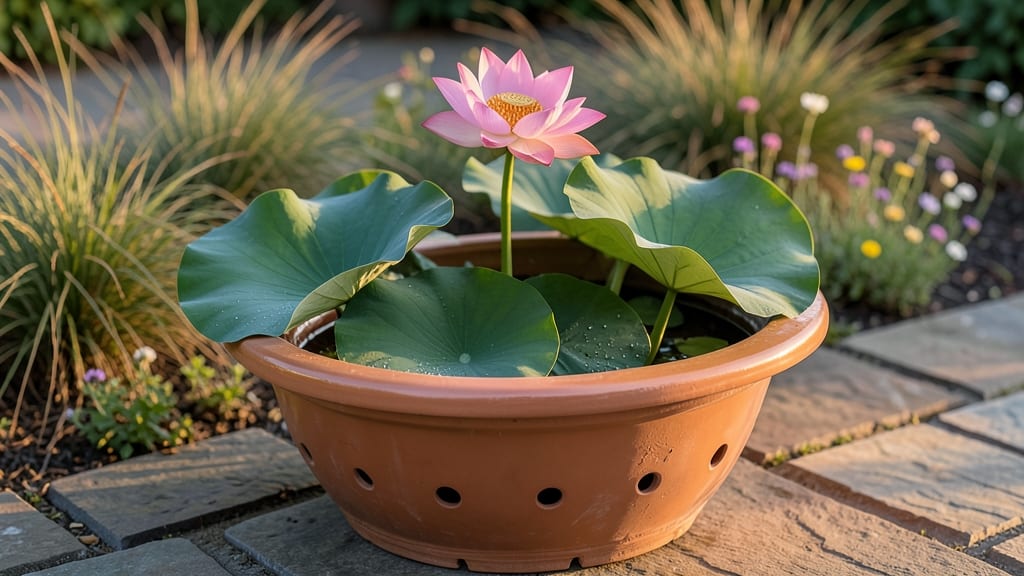
Growing lotus flowers in pots transforms your backyard into a serene sanctuary—these sacred blooms thrive in containers when you match their tropical roots with the right conditions. 🌿 I’ve grown them for years, and the secret lies in deep pots, rich soil, and a balance of sun and water that mimics their natural habitat.
Most gardeners assume they need a pond, but with the right setup, you’ll see those iconic blooms emerge within 6-8 weeks of planting.
The key is choosing a container at least 12 inches deep, filled with a mix of 50% potting soil and 50% aquatic sediment or sand—this prevents root rot while keeping roots oxygenated.
Lotus plants love full sun (6+ hours daily) but need consistent moisture, so place them near a water source or use a self-watering system. Unlike other potted plants, they’ll send up thick stems and eventually produce those dramatic, fragrant blooms that float above the waterline.
What’s magical about growing lotus in pots is watching them unfold—velvety green pads unfurling into jewel-toned blooms that last just a day but leave a lasting impression. You’ll also attract hummingbirds and butterflies, turning your container into a mini ecosystem.
The trade-off? They’re not cold-hardy, so bring them indoors or to a greenhouse in winter if you live in zones below 9.
Troubleshooting is simple: yellow leaves mean too much sun or poor drainage, while no blooms usually signals insufficient nutrients—add a slow-release aquatic fertilizer in spring.
With the right care, your potted lotus will reward you with years of dramatic beauty, proving that even sacred plants can thrive in unexpected places.
📚 In This Guide
- What you need
- Instructions
- Tips and common mistakes
- Wrapping up and next steps
What you need
- ● Lotus tubers (rhizomes): 1–3 healthy, plump tubers (depending on pot size). Choose Nelumbo nucifera (Asian lotus) or Nelumbo lutea (American lotus).
- ● Container: A wide, shallow pot (12–24" diameter) with drainage holes. Fiberglass, plastic, or ceramic works best.
- ● Gravel or pebbles: 2–3 inches of coarse gravel (¼"–½" size) for drainage and root support.
- ● Potting soil: 2–3 bags of aquatic or water garden soil (lightweight, nutrient-rich, and well-draining).
- ● Water: Dechlorinated (use a water conditioner) or rainwater to avoid chemical damage.
- ● Garden trowel or shovel for planting.
- ○ Water level indicator (optional but helpful for monitoring depth).
- ● Floating plant fertilizer (e.g., liquid aquatic plant food) for nutrients.
- ● Mulch or aquatic plants (e.g., water hyacinth or water lettuce) to shade roots and deter algae.
- ○ Sunlight gauge (optional) to track 6+ hours of direct sun daily.
Step-by-step guide to cultivating lotus flowers in containers
Here's how to transform your patio into a serene aquatic sanctuary with these majestic blooms.
🪴 Step 1: Select the Right Pot and Positioning
Lotus flowers demand at least 12 inches of water depth in their container, so choose a wide, shallow pot (18-24 inches in diameter) with a sturdy base. Avoid plastic—unglazed ceramic or fiberglass containers prevent cracking from temperature shifts. Place your pot in a location that receives full sun (6-8 hours daily)—partial shade can lead to weak stems and sparse blooms.
Here's the thing—water depth matters more than pot size. The roots need room to spread horizontally, so a wider pot (even if shallower) outperforms a tall, narrow one. Position the pot where water can drain naturally or use a submersible pump to circulate water gently. Lotus roots are sensitive to stagnation, so still water invites rot—a small fountain or bubbler keeps things moving.
🌱 Step 2: Plant the Rhizomes Correctly
Lotus rhizomes arrive dormant, so soak them in lukewarm water for 24 hours before planting to jumpstart growth. Plant them horizontally, partially submerged—1-2 inches below the water surface—with the eye (growth node) facing upward. Space rhizomes 6-8 inches apart in the pot to allow room for expansion.
I always use aquatic planting grit (not soil) to anchor the rhizomes. This lightweight medium prevents sinking while still allowing oxygen to reach the roots. If your pot lacks drainage holes, cover the bottom with 2 inches of gravel before adding the grit—this mimics their natural muddy riverbed habitat. Press the rhizomes gently into the grit until they're secure but not buried too deep.
💧 Step 3: Maintain Water Quality and Temperature
Lotus flowers thrive in warm, clean water—65-85°F is ideal. Use dechlorinated water (let tap water sit for 48 hours or use a water conditioner) to prevent chemical burns. Top off the water as needed, but never let it drop below the rhizome level—exposed roots will dry out and die.
Here's where it gets critical: fertilize lightly but consistently. Use a balanced aquatic plant fertilizer (like 10-10-10) every 4-6 weeks during growing season. Too much fertilizer causes algae blooms, which smother the roots. Watch for green water—that's your signal to reduce feeding. In winter, let the water cool slightly (down to 50-60°F) to mimic dormancy, but keep it never fully frozen.
✂️ Step 4: Prune and Encourage Blooms
Deadhead spent blooms immediately after they wilt to redirect the plant's energy into new growth. Use clean, sharp scissors to cut stems at the base, leaving no stubs. This prevents disease and encourages stronger, more frequent blooms. Prune leggy stems back by one-third in early summer to promote bushier growth.
Real talk: Lotus flowers are heavy drinkers. You'll notice the water level dropping faster in hot weather. Add dechlorinated water daily during peak summer months to maintain depth. If you see yellowing leaves, it's usually a sign of nutrient deficiency—switch to a low-dose liquid fertilizer for a few weeks. Avoid over-pruning in fall; let the plant conserve energy for next season's growth.
⏰ Step 5: Overwintering for Next Year's Blooms
As temperatures drop below 50°F, reduce fertilization and let the plant enter dormancy. Move the pot to a sheltered spot (like a garage with natural light) where temps stay above freezing. Keep the water just covering the rhizomes—no need to drain completely. In late winter (around February), resume light feeding and gradually reintroduce warmth to trigger new growth.
This is the moment that matters: divide and repot every 2-3 years. When rhizomes outgrow the pot, carefully lift them, separate the clumps, and replant in fresh grit. It's messy but worth it—younger rhizomes bloom more vigorously. Store any extra divisions in a cool, damp container until you're ready to replant them in spring.
Tips & tricks for cultivating lotus flowers in containers
Common pitfalls—and how to sidestep every one—when growing these aquatic divas in your patio sanctuary.
Pot Material Matters: While unglazed ceramic and fiberglass are ideal for their durability, I've found that pre-seasoned wooden barrels (with proper waterproofing) can create a rustic, natural look while still allowing proper oxygen exchange. If using plastic as a last resort, choose food-grade, thick-walled containers and drill additional drainage holes at the bottom—lotus roots despise stagnant water. Remember, the 12-inch depth requirement is non-negotiable for healthy rhizome development.
Rhizome Placement Precision: That 1-2 inch partial submersion for rhizomes is where the magic happens. I've learned the hard way that burying them deeper than 2 inches starves the lower stems of oxygen, leading to rot. Here's the trick: use a weighted planting line to measure depth consistently. Also, orient the rhizomes with the eye facing upward—this isn't just superstition, it's biology. The growth node contains meristematic tissue that needs upward light exposure to initiate sprouting.
Water Temperature Management: Maintaining that 65-85°F range is easier said than done during temperature swings. I keep a submersible aquarium heater set to 75°F as my baseline, then adjust based on daily highs. In summer, I add floating ice packs to shaded areas to prevent overheating above 85°F. Pro tip: Use a floating thermometer to monitor temps—lotus flowers show stress through leaf color changes before water temperature becomes dangerous.
Fertilizer Strategy: The 4-6 week feeding schedule with 10-10-10 fertilizer works, but I've found that liquid seaweed extract applied every 2 weeks at half-strength creates more vibrant blooms. The key is balance—over-fertilizing leads to algae blooms that smother the roots, while under-fertilizing causes yellowing leaves. I've developed a simple test: if you can see green water within 24 hours of fertilizing, you've overdone it. Reduce to every 8 weeks until the water clears.
Pro Tips for Growing Lotus Flower In Pots
- Common pitfalls—and how to sidestep every one—when growing these aquatic divas in your patio sanctuary.
- If using plastic as a last resort, choose food-grade, thick-walled containers and drill additional drainage holes at the bottom—lotus roots despise stagnant water.
- Rhizome Placement Precision: That 1-2 inch partial submersion for rhizomes is where the magic happens.
Frequently asked questions
Got questions about growing lotus flowers in pots?
You’re not alone! Here are answers to the most common queries to help your container lotus thrive like a pro.
Can I grow a lotus flower indoors?
Lotus flowers technically need full sun (6–8 hours daily), so indoor growth is tricky—but not impossible! Place them near a south-facing window or use a grow light for 10+ hours/day. However, expect slower growth and fewer blooms compared to outdoor pots. If you’re set on indoor lotuses, opt for miniature varieties like Nelumbo nucifera ‘Mini’, which tolerate lower light better.
How long does it take for a lotus plant to bloom in a pot?
Patience is key! Under ideal conditions (warmth, sunlight, and proper care), lotus plants may produce buds in 2–3 years. Younger plants focus on root and leaf growth first. Speed up blooming by:
- Using a large pot (12"+ diameter) for root expansion.
- Fertilizing with a low-nitrogen, high-phosphorus formula (like 5-10-5) during growing season.
- Keeping water warm (70–85°F)—cool water stunts growth.
Why aren’t my lotus leaves floating properly?
Floating leaves are a sign of a healthy, mature lotus—but if yours are sinking or limp, check these fixes:
- Water depth: Roots need 6–12 inches of water; too little = stress.
- Nutrient deficiency: Yellowing leaves? Boost with a liquid fertilizer (like fish emulsion) every 4–6 weeks.
- Pest/insect damage: Inspect for aphids or snails on undersides of leaves.
- Overcrowding: Thin out excess stems to improve airflow.
What’s the best alternative if my lotus won’t thrive?
If lotuses prove too finicky, try these container-friendly water plants with similar elegance:
Plant
Why It Works
Water Hyacinth (Eichhornia crassipes)
Fast-growing, vibrant purple blooms; thrives in shallow water.
Water Lettuce (Pistia stratiotes)
Air-purifying, lush green leaves; great for small ponds or pots.
Blue Lotus (Nymphaea caerulea)
Smaller than true lotuses; blooms in 1 year and tolerates partial shade.
All three are easier to grow but still pack visual impact!
Do lotus plants survive winter in pots?
Lotus plants are tropical and cannot tolerate freezing temps. If you’re in a cold climate:
- Move pots to a garage or indoor space (keep water above 50°F).
- Reduce water depth to 3–4 inches to prevent rot.
- Dormant plants need less light—place them in a dim room.
Resume normal care in spring once temps warm to 60°F+. Pro tip: Trim dead foliage in winter to redirect energy to roots. →
Wrapping up and next steps
Growing lotus flowers in pots is a rewarding journey that brings serene beauty and spiritual calm to any space—even small balconies or patios! 🌸 With the right container, water depth, sunlight, and a little patience, you’ve got everything you need to nurture these majestic blooms.
Remember, consistency in care and a touch of creativity (like choosing striking pots or companion plants) will make your lotus garden truly special.
Now that you’re armed with knowledge, why not take the plunge? Start small, experiment with varieties, and enjoy the process. Before you know it, your container will be a showstopper—and maybe even inspire others to grow their own sacred blooms. Happy gardening! 🌿