
Flowers
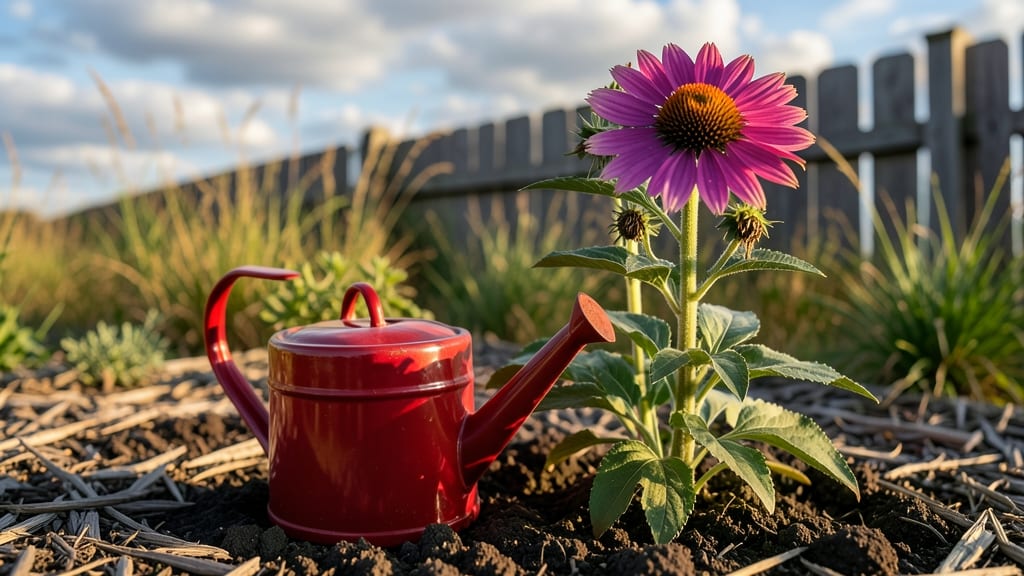
Caring for perennial flowers means trading annual replanting for years of vibrant blooms with just a little seasonal attention. 🌸 I’ve learned that perennials reward patience—those first spring shoots after a long winter are proof they’re worth the effort.
The key isn’t constant fussing but understanding their natural rhythms: when to cut back, when to feed, and when to let them rest.
Most perennials thrive with simple soil prep—a mix of compost and native dirt—and occasional pruning just after blooming. Overwatering is their biggest enemy, so focus on deep, infrequent watering that encourages strong roots.
Mulch in late fall to protect roots from freezing temps, and you’ll see fewer winter losses and more robust regrowth in spring.
By summer’s end, you’ll notice some plants looking tired—this is when a light trim (not a harsh cut) keeps them tidy without sacrificing next year’s blooms. The payoff? Four to five years of flowers with almost no replanting, and gardens that feel like they’re always in season.
Works for everything from hardy coneflowers to delicate peonies, whether you’re in a sunny border or a shady woodland garden. Let’s get those perennials flourishing with minimal effort!
📚 In This Guide
- What you need
- Instructions
- Tips and common mistakes
- Wrapping up and next steps
What you need
- ● Perennial flowers: Choose disease-resistant varieties (e.g., Coneflower, Black-Eyed Susan, Lavender, Daylilies). Aim for 3–5 plants per square foot for full coverage.
- ● Well-draining soil: Test your soil’s pH (ideal: 6.0–7.0) and amend with compost (2–3 inches) or organic matter.
- ● Watering can or hose: A 1–2 gallon watering can with a rose attachment or a soaker hose for deep, even hydration.
- ● Pruning shears: Bypass pruners (5–7 inches) for clean cuts (avoid anvil pruners—they crush stems!).
- ● Gloves: Garden gloves (cotton or leather) to protect hands from thorns and soil.
- ● Mulch: 2–3 inches of organic mulch (pine straw, shredded bark, or wood chips) to retain moisture and suppress weeds.
- ● Soil pH tester kit – Ensures your perennials thrive in optimal conditions.
- ● Kneeling pad – Saves your knees during planting and maintenance.
- ● Fertilizer (slow-release or organic) – Apply once in early spring (e.g., 10-10-10 NPK ratio).
- ● Plant supports (stakes or cages) – For tall perennials like Delphinium or Hollyhocks.
- ● Rain gauge – Helps track watering needs (perennials need 1–1.5 inches of water weekly).
Step-by-Step guide to year-round perennial flower care
Here's how to keep your perennials thriving with seasonal adjustments and smart maintenance.
🌱 Step 1: Spring Awakening – Prune and Fertilize
When new shoots emerge (typically late March to early April, depending on your climate), it's time to wake your perennials from dormancy. Use clean, sharp pruners to remove any dead or damaged growth—this prevents disease and directs energy to new growth. I like to cut back 1/3 of the plant's height to encourage bushier, fuller blooms later in the season.
Apply a balanced, slow-release fertilizer (10-10-10 or similar) around the base of each plant, keeping it 2-3 inches away from the stems. Water deeply after fertilizing to help the nutrients penetrate the soil. This is also the perfect time to add a 2-inch layer of mulch to retain moisture and suppress weeds—just avoid piling it directly against the stems.
☀️ Step 2: Summer Maintenance – Water and Deadhead
Perennials need 1-1.5 inches of water per week during the growing season, either from rainfall or irrigation. Water in the early morning to reduce evaporation and fungal risks. You'll know your watering is right when the soil feels moist 2 inches below the surface—stick your finger in to check.
Deadheading—removing spent blooms—extends the flowering season and keeps plants looking tidy. Pinch or snip off faded flowers just above a set of leaves or new growth. For perennials like coneflowers or black-eyed Susans, I leave some seed heads for winter interest, but I remove the rest to encourage more blooms.
✂️ Step 3: Fall Preparation – Clean Up and Protect
When foliage turns yellow or brown and growth slows (usually 6-8 weeks before the first frost), it's time to prepare for winter. Cut back perennials by half their height to reduce disease risk and improve airflow. Leave some stems for overwintering insects and beneficial wildlife—nature appreciates a little habitat!
Apply a 3-inch layer of mulch around the base of each plant to insulate roots from freezing temperatures. This is especially important in colder climates where perennials face harsh winters. Avoid heavy mulching in mild climates—just a light layer keeps roots stable without smothering them.
⏰ Step 4: Winter Care – Monitor and Adjust
Even in dormancy, perennials need attention. Check for ice buildup or heavy snow that could damage stems—gently brush it off if needed. If you're in a region with prolonged freezing temperatures below 10°F, consider wrapping tender perennials (like lavender or Russian sage) with burlap for extra protection.
This is also the time to plan for next year. Sketch out your garden layout, noting which perennials thrived and which need dividing or replacing. Most perennials can be divided in early spring or fall, so keep an eye out for overcrowded clumps—digging them up and splitting them rejuvenates growth.
Tips & tricks for perfect perennial flower care
Common pitfalls—and how to sidestep every one—when keeping your perennials thriving year after year.
Pruning Precision: In Step 1, when cutting back that 1/3 of the plant's height, focus on removing only the oldest, leggiest stems first. This preserves the plant's natural shape while encouraging new growth from the base. I've found that using clean, sharp pruners makes all the difference—dull blades crush stems and invite disease. For woody perennials like shrub roses, I make cuts just above a bud or outward-facing leaf to promote better regrowth.
Fertilizer Placement: The 2-3 inch spacing from stems when applying that balanced 10-10-10 fertilizer isn't just about avoiding stem burn—it's about creating a nutrient-rich zone where roots can access it efficiently. I've learned to water thoroughly after fertilizing to help those nutrients penetrate the soil profile. For container-grown perennials, I reduce the fertilizer amount by half since their root systems are more confined.
Watering Wisdom: Those 1-1.5 inches of water per week in summer might seem straightforward, but timing matters just as much. I've seen fungal issues develop when people water in the evening—always stick to early morning. You can tell you're doing it right when the soil stays moist 2 inches down without becoming waterlogged. For sandy soils, you might need to water more frequently, while clay soils can hold moisture longer.
Winter Protection: When temperatures drop below 10°F in Step 4, that's your cue to take extra precautions. I've saved many tender perennials by wrapping them in burlap or using frost blankets, especially for plants like lavender that can't handle prolonged cold. For mulching, I use straw or shredded leaves rather than wood chips—they break down faster in spring, preventing that suffocating effect on emerging shoots.
Pro Tips for Caring For Perennial Flowers
- Common pitfalls—and how to sidestep every one—when keeping your perennials thriving year after year.
- Pruning Precision: In Step 1, when cutting back that 1/3 of the plant's height, focus on removing only the oldest, leggiest stems first.
- Fertilizer Placement: The 2-3 inch spacing from stems when applying that balanced 10-10-10 fertilizer isn't just about avoiding stem burn—it's about creating a nutrient-rich zone where roots can access it efficiently.
Frequently asked questions
about caring for perennial flowers—because even low-maintenance plants need a little love! Here are answers to common questions to keep your garden thriving year after year.How often should I water perennial flowers?
Water perennials deeply but infrequently—about 1 inch per week (including rainfall). Newly planted perennials may need weekly watering until established (usually 1–2 years). Morning watering is best to reduce evaporation and fungal risks. Let soil dry between waterings to encourage deep root growth.
When is the best time to prune perennials?
Timing depends on the plant! Deadhead spent blooms throughout the season to encourage more flowers. Prune late winter or early spring (just before new growth starts) for most perennials, but avoid cutting back fall-blooming varieties (like asters) until spring. Never prune in fall—it can weaken plants before winter.
What do I do if my perennials look leggy or overgrown?
Leggy perennials often need a rejuvenating trim. Cut back 1/3 of the plant in early spring to promote bushier growth. For woody perennials (like peonies), prune after flowering to avoid removing next year’s buds. Divide overcrowded clumps every 3–4 years to restore vigor.
How do I prevent pests and diseases in perennials?
Start with healthy soil (rich in compost) and proper spacing for airflow. Remove infected leaves promptly and avoid overhead watering. Neem oil or insecticidal soap can treat pests like aphids or slugs. Prevention tip: Rotate plant families yearly to reduce soil-borne diseases.
Do perennials need winter protection?
Most perennials are hardy, but young plants or tender varieties (like lavender) benefit from a thick layer of mulch (3–4 inches) or burlap wrap. Avoid heavy mulch on spring-blooming perennials (like daffodils) until after they emerge. Evergreen foliage may need light snow cover in harsh winters.
Wrapping up and next steps
Caring for perennial flowers is all about balance—minimal effort for maximum reward! 🌸 With the right knowledge, you’ll enjoy vibrant blooms year after year while keeping maintenance simple. Start small: pick one or two perennials to master, then expand your garden with confidence.
Your next step? Grab those shears and get hands-on! Try deadheading spent blooms or dividing overgrown clumps this weekend—your future garden will thank you. Happy gardening! 🌱