
Flowers
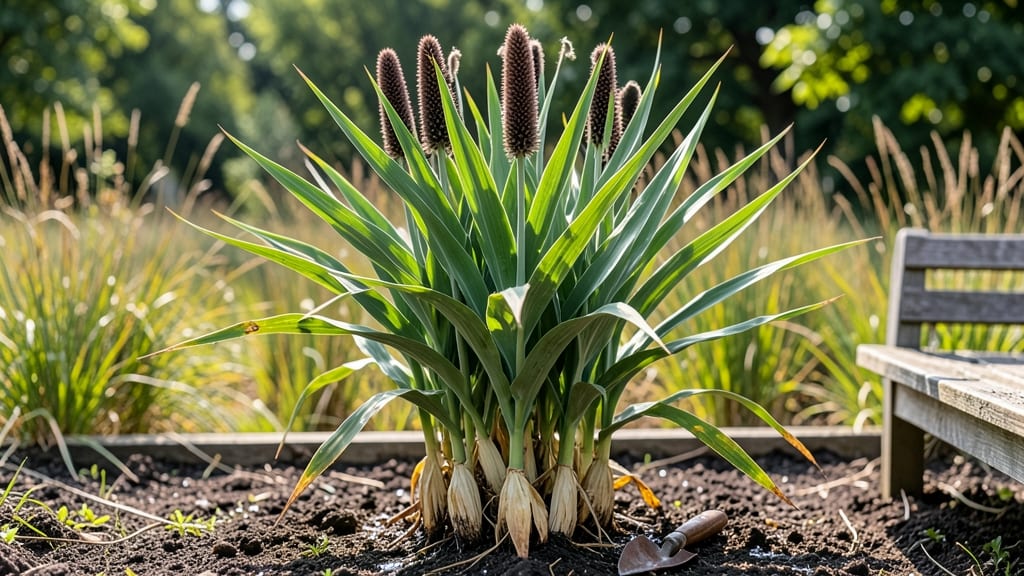
When you’re after a drought-tolerant perennial that thrives where others fail, the striking cat tail flower (Typha) might just be your secret weapon—often mistaken for a weed but bringing texture and movement to water gardens, ponds, or even moist soil. 🌿 edges, with almost no fuss.
I planted mine three years ago near a rain garden, and they’ve become the backbone of my low-maintenance landscape, handling both drought and occasional floods like a champ.
The key to happy cattails is giving them what they crave: sunny spots and moist to wet soil—think marshes, bogs, or even the edges of ponds. They spread via rhizomes (underground stems), so plant them in clusters with 12–18 inches between each for a natural look.
If you’re starting from seeds, expect a slower show (they take 1–2 years to mature), but the payoff is worth it for their dramatic, feathery plumes that sway in the breeze.
Once established, maintenance is minimal: trim back dead foliage in early spring, and watch them bounce back with vibrant new growth. They’re tough on pests and diseases, too—deer usually leave them alone, and their dense clumps outcompete weeds.
In colder zones, they’ll die back to the ground but regrow reliably each spring, proving they’re as hardy as they are handsome.
Perfect for wildlife gardens (birds and pollinators adore them) or as a striking focal point in water features. Just avoid planting them where they’ll spread uncontrollably—these plants know how to take over! Ready to add some drama to your landscape with almost zero effort?
📚 In This Guide
- What you need
- Instructions
- Tips and common mistakes
- Wrapping up and next steps
What you need
- ● Cat Tail Flower Plants: 1-3 live plants (potted or bare-root) from a nursery or online supplier. Choose Typha latifolia (broadleaf) or Typha angustifolia (narrowleaf) based on your design preferences.
- ○ Optional: Seeds (if propagating from scratch—requires a water feature or bog garden).
- ● Planting Location: A shallow water body (pond, marsh, or wetland area) with 6–24 inches of water depth (adjust based on species).
- ● Alternative: A bog garden with constantly moist, clay-rich soil.
- ● Soil Amendments (if needed): Peat moss or compost (1–2 gallons) to enrich soil in bog gardens.
- ● Sediment (sand, silt, or clay) to stabilize planting areas in water.
- ● Tools: Garden trowel or spade (for digging).
- ● Gloves (to protect hands from sharp plant edges).
- ● Measuring tape (to ensure proper spacing).
- ○ Optional: Pond liner or fabric (if creating a contained wetland area).
- ● Sunlight: Full sun (6+ hours daily) for optimal growth.
- ● Water Access: Ensure year-round moisture (cat tails hate drying out!).
- ● Spacing: Plant 3–5 feet apart to allow for mature spread (some varieties can reach 6+ feet wide).
- ● Wildlife Note: Cat tails attract birds, bees, and butterflies—perfect for eco-friendly gardens! 🐦🐝
Step-by-Step instructions for planting cat tail flowers
Here's how to establish these hardy perennials with minimal fuss.
🌱 Step 1: Choose the Perfect Planting Spot
Cat tail flowers thrive in full sun to partial shade—at least 6 hours of direct sunlight daily. I always look for areas with well-draining soil since they hate soggy roots. If your soil feels heavy or clay-like, amend it with 2-3 inches of compost before planting to improve drainage.
These plants grow 3-5 feet tall and spread 2-3 feet wide, so give them plenty of room. If planting near other perennials, space them 3-4 feet apart to prevent overcrowding. Watch for areas where water pools after rain—cat tails won't tolerate standing water for more than a few hours.
🪴 Step 2: Prepare the Soil and Plant
Dig a hole twice as wide as the root ball but only as deep as the container's base. Gently remove the plant from its container and loosen any circling roots with your fingers. This prevents root binding, which can strangle new growth.
Place the plant in the hole so the top of the root ball sits level with the surrounding soil. Fill the hole with soil and press lightly around the base to eliminate air pockets. Water deeply right after planting—1 gallon per plant—to help settle the soil and encourage root contact. You'll know it's soaked when water runs out the bottom of the hole.
☀️ Step 3: Water and Mulch for Establishment
Keep the soil evenly moist for the first 4-6 weeks after planting. Water deeply 2-3 times per week unless rainfall provides at least 1 inch of moisture. You'll see new growth within 2-3 weeks if conditions are right—that's your sign the plant is settling in.
Spread a 2-3 inch layer of mulch around the base, keeping it 3 inches away from the stem to prevent rot. I use shredded bark or straw because it breaks down slowly and retains moisture. This mulch layer also suppresses weeds, which compete for water and nutrients during the critical first season.
✂️ Step 4: Maintain Through the First Growing Season
Once established, cat tail flowers are nearly drought-proof, but young plants need consistent care. Water once a week during dry spells in the first year, then reduce to every 2-3 weeks in the second year. You'll notice the leaves develop a silvery-blue hue when thirsty—that's your cue to water.
Deadhead spent blooms in late summer to encourage a second flush of flowers. Cut back the entire plant to 6 inches tall in early spring before new growth begins. This rejuvenates the plant and prevents it from becoming leggy. Fertilize lightly in spring with a balanced 10-10-10 formula if your soil is poor, but these plants rarely need extra nutrients.
Tips & tricks for perfect cat tail flower planting
Let me share the secrets that'll help your cat tail flowers thrive with less effort and more confidence.
Sunlight Strategy: While cat tails tolerate partial shade, the 6 hours of direct sunlight mentioned in Step 1 is non-negotiable for vibrant blooms. I've seen plants in shadier spots grow tall but produce sparse flowers—if you're in a low-light area, consider placing them near a south-facing window or using reflective surfaces to bounce light onto them. Morning sun is ideal, as afternoon heat can stress the plants during establishment.
Soil Test Tip: Before amending with compost in Step 1, do a quick soil test by squeezing a handful of damp soil—if it forms a tight ball, it's too clay-heavy. For these plants, you want it to crumble easily. I've found that adding 2-3 inches of compost to heavy soils makes all the difference in preventing root rot, which is their biggest enemy. If your soil is sandy, you can reduce the compost to 1 inch since it drains too quickly.
Planting Depth Secret: When placing your plant in Step 2, the key is getting the root ball level with the soil—this prevents both drowning and exposure. I always draw a line on the pot at the soil line before removing it, then match that exactly in the hole. For container plants, you can even use a pencil to mark the level before digging. This simple trick ensures proper root development right from the start.
Watering Hack: The 1 gallon per plant watering in Step 2 should soak the soil to 6-8 inches deep. To check, stick your finger down—if it's dry at that depth, water again. I've learned that shallow watering encourages shallow roots, which makes plants more vulnerable to drought later. For the first 4-6 weeks, I set a timer to remind me of the 2-3 times per week watering schedule, as new gardeners often underestimate how much these plants need during establishment.
Pro Tips for Cat Tail Flower
- Let me share the secrets that'll help your cat tail flowers thrive with less effort and more confidence.
- Sunlight Strategy: While cat tails tolerate partial shade, the 6 hours of direct sunlight mentioned in Step 1 is non-negotiable for vibrant blooms.
- Soil Test Tip: Before amending with compost in Step 1, do a quick soil test by squeezing a handful of damp soil—if it forms a tight ball, it's too clay-heavy.
Frequently asked questions
Got questions about growing cat tail flower (Canna lilies)? You’re not alone! Here are answers to the most common queries to help you cultivate these stunning, low-maintenance perennials with ease.
How fast do cat tail flowers grow?
Cat tail flowers are fast growers! Once planted in warm soil (after the last frost), they can reach 3–5 feet tall in just 60–90 days. With proper sunlight and moisture, you’ll see dramatic growth—especially in their first season. Pro tip: Pinch back young shoots to encourage bushier, fuller plants.
When is the best time to plant cat tail flowers?
Plant after the last frost when soil temperatures are consistently 60°F+ (15°C+). In warmer climates (Zones 8–11), you can plant in early spring. In colder areas (Zones 7 and below), wait until late spring or early summer to avoid frost damage. Bonus: They thrive in containers too!
Do cat tail flowers really need a lot of water?
While they love moisture, cat tail flowers are drought-tolerant once established. Water deeply 1–2 times per week during dry spells, but avoid soggy soil. Yellowing leaves? It’s often a sign of overwatering—let the top inch of soil dry out between waterings.
Can I grow cat tail flowers from seed, or should I use tubers?
For faster, more reliable results, start with tubers (rhizomes) instead of seeds. Tubers sprout in 2–4 weeks and produce blooms the same year. Seeds take longer to mature and may not match the parent plant’s traits. Save money: Divide mature tubers every 3–4 years to keep plants vigorous!
What pests or diseases should I watch for?
Cat tail flowers are pest-resistant, but keep an eye out for:
- Spider mites (dry conditions) – Spray with water or neem oil.
- Root rot (overwatering) – Ensure well-draining soil.
- Leaf spot (fungus) – Remove affected leaves and improve airflow.
How cold-hardy are cat tail flowers?
Most varieties tolerate down to 20°F (-7°C) but may suffer damage in hard freezes. In colder climates (Zones 5–7), dig up tubers in fall, trim foliage, and store them in dry peat moss or sand over winter. Replant in spring!
Wrapping up and next steps
Growing cat tail flower is a fantastic way to add texture, movement, and low-maintenance beauty to your landscape—especially in drought-prone or wet areas. 🌿 Its hardy nature and striking appearance make it a standout choice for both beginners and seasoned gardeners.
Whether you’re revamping a pond edge or simply seeking a resilient perennial, this plant delivers effortless elegance.
Ready to bring the drama of cat tail flowers to your space? Start by selecting the right variety for your climate, then gather your supplies and follow the simple steps outlined above.
With minimal care, you’ll soon enjoy a thriving, drought-tolerant garden centerpiece that turns heads—and requires almost none of yours!