
Companion Plants
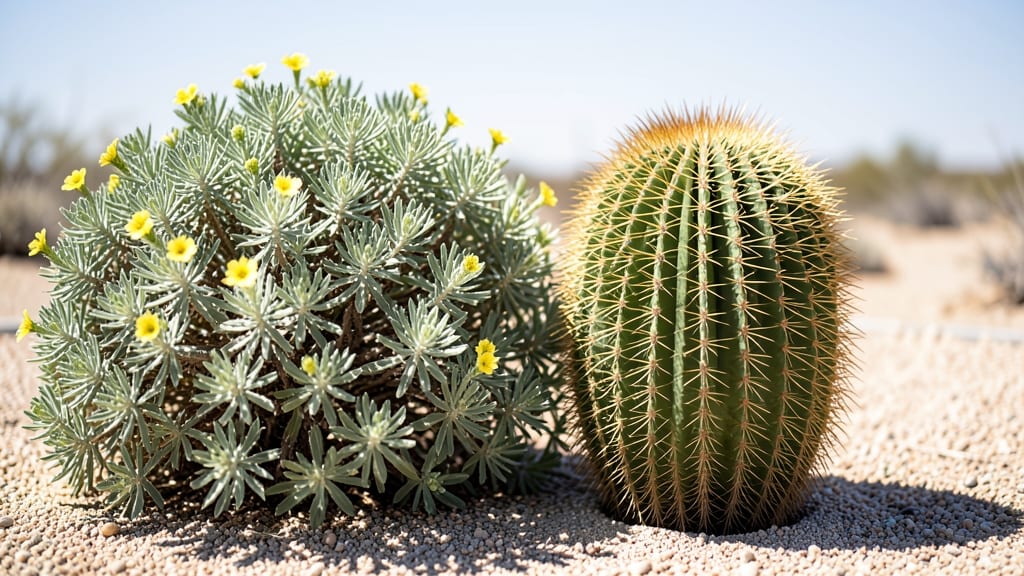
The right desert flower plants turn your yard into a vibrant oasis without draining your water supply. ✨ I’ve grown everything from prickly poppy to desert marigold in my own 105°F+ climate, and these sun-lovers thrive with almost no extra water once established.
The secret isn’t just picking the right species—it’s mimicking their natural conditions, from gritty soil to full sun exposure.
Most of these beauties need well-draining soil (think 50% sand, 30% native dirt, 20% compost) and minimal watering—just enough to keep the roots moist, not soggy. Prickly poppy blooms in spring with almost no care, while blanket flower puts on a summer show with just occasional deep watering.
The key is avoiding overwatering, which is the #1 killer of desert plants.
By mid-summer, your garden will burst with bright orange, yellow, and purple blooms that attract pollinators while staying lush in the heat. These plants also resist pests naturally, so you’ll spend less time spraying and more time admiring.
Once you see how little they need, you’ll wonder why you ever watered more.
Whether you’re in the Sonoran Desert or a hot urban area, these flowers adapt easily—just match them to your microclimate. Let’s get your low-water garden blooming like never before.
📚 In This Guide
- What you need
- Instructions
- Tips and common mistakes
- Wrapping up and next steps
What you need
- ● Desert flower plants: Choose from 3–5 varieties (e.g., Desert Marigold (Baileya multiradiata), Blanket Flower (Gaillardia), or Prickly Pear Cactus (Opuntia)). Start with 1–2 plants per square foot for spacing.
- ● Well-draining soil: 5–10 cubic feet of cactus/succulent mix or amended native soil (sand + perlite, 1:1 ratio).
- ● Containers or garden bed: Containers: 5–10 gallon pots with drainage holes (1 plant per 5-gallon container).
- ● Garden bed: Full sun exposure (6+ hours daily) and minimal shade.
- ● Organic mulch: 1–2 inches of gravel, decomposed granite, or coarse sand to retain moisture and deter weeds.
- ● Gloves & long sleeves (for handling prickly plants like Opuntia).
- ● Hand trowel or transplant spade (for digging small holes, 2–3x wider than root balls).
- ● Watering can or hose with a gentle spray nozzle (desert plants hate soggy roots!).
- ○ pH test kit (optional): Aim for neutral to slightly alkaline soil (6.0–7.5).
- ○ Fertilizer (optional): Low-nitrogen, slow-release granular fertilizer (5-10-10 ratio) or fish emulsion (apply sparingly, 1–2x per year).
- ● Avoid synthetic fertilizers—they can harm drought-resistant plants.
- ● 💡 Timing: Plant in early spring or fall (avoid extreme summer heat).
- ● 🌡️ Hardiness: Check your USDA zone (most desert flowers thrive in Zones 5–11).
- ● 🎯 Watering hack: Water deeply 1–2x per week (soak soil 6+ inches down), then let it dry out completely.
Step-by-Step guide to planting and caring for desert flowers
Here's how to bring vibrant desert blooms to life with minimal fuss.
🌱 Step 1: Choose the Right Desert Flowers for Your Space
Start with plants that thrive in your specific desert conditions. For hot, dry climates, opt for native varieties like desert marigold, penstemon, or blanket flower—they handle heat and drought beautifully. If your area gets cooler nights, consider beardtongue or desert bluebells. Check your local nursery for plants labeled as "drought-tolerant" or "xeric" to ensure they match your microclimate.
I always plant in clusters of 3-5 plants per variety to create visual impact while keeping maintenance simple. Grouping plants with similar water needs also makes irrigation easier. Avoid mixing moisture-loving annuals with desert natives—stick to plants that share the same care requirements.
🪴 Step 2: Prepare the Soil and Planting Site
Desert flowers hate soggy roots, so amend your soil with coarse sand or grit to improve drainage. If your soil is heavy clay, mix in 2-3 inches of compost to help retain moisture during occasional rains. I like to work in a handful of slow-release fertilizer (like 10-10-10) at planting time to give roots a nutrient boost without encouraging thirsty growth.
Plant in full sun (at least 6 hours daily)—most desert flowers bloom best when baked by the sun. Dig holes twice as wide as the root ball but only as deep. Place each plant so the top of the root ball sits level with the soil surface. Pat the soil gently around the roots to eliminate air pockets, then water deeply to settle everything.
☀️ Step 3: Water Deeply and Infrequently
Your first watering should be deep and thorough—soak the soil until water runs out the bottom of the hole. After that, water only when the top 2-3 inches of soil feel completely dry. Desert flowers store water in their leaves and roots, so frequent shallow watering encourages weak, floppy growth. I usually water every 2-3 weeks during the first growing season, then taper to once a month once established.
Water in the early morning to reduce evaporation and fungal risks. Avoid wetting the foliage—direct the stream at the base of the plant. Mulch with 1-2 inches of gravel or crushed rock (not organic mulch) to keep moisture from evaporating and suppress weeds. This also mimics natural desert conditions perfectly.
✂️ Step 4: Prune and Maintain for Long-Lasting Blooms
Deadhead spent blooms regularly to encourage more flowers and prevent self-seeding where you don’t want it. I snip off faded flowers with clean pruners, cutting just above a set of healthy leaves. For woody plants like desert willow, prune in late winter to shape the plant and remove any dead or crossing branches. Always use sterilized tools to prevent disease spread.
Fertilize lightly in early spring with a balanced, water-soluble fertilizer (like 5-5-5) diluted to half strength. Desert flowers don’t need much—too much fertilizer leads to lush foliage at the expense of blooms. After the first flush of flowers, you can skip fertilizer entirely unless the plants look stressed. Watch for yellowing leaves or stunted growth as signs they need a boost.
🌿 Step 5: Protect and Enjoy Year-Round
Most desert flowers are perennial, meaning they’ll come back year after year with proper care. In winter, some varieties may go dormant—reduce watering to once every 3-4 weeks unless temperatures drop below freezing. If frost is predicted, cover tender plants with frost cloth or a lightweight blanket. I’ve seen desert marigold bounce back from light freezes with no issues.
Once established, desert flowers require almost no maintenance. Step back and admire the vibrant colors and pollinators they attract. If you notice leaf drop or wilting, it’s usually a sign of overwatering—let the soil dry out completely before watering again. With the right placement and care, these tough plants will reward you with months of effortless beauty.
Tips & tricks for perfect desert flower plantings
Between us, these desert blooms are tougher than they look—and that means they forgive fewer mistakes than you'd think. Here's how to turn your low-water garden into a vibrant showstopper.
Location is Everything: That 6 hours of full sun requirement is non-negotiable for most desert flowers. I've planted penstemon in partial shade once and ended up with sad, leggy stems that barely bloomed. Check your yard's sun exposure with a simple test: Place a white sheet on the ground and mark the sunniest spots every hour. If your spot gets less than 6 hours, consider container gardening where you can move plants to sunnier locations as needed.
Soil Science Matters: The coarse sand or grit amendment in Step 2 isn't just about drainage—it's about mimicking their natural habitat. I've found that adding perlite (about 20% of your soil mix) works even better than plain sand because it stays loose longer. For heavy clay soils, don't just mix in compost—create raised beds instead. The extra elevation helps water drain faster, which desert flowers absolutely crave.
Watering Wisdom: The 2-3 inch dry soil test is your golden rule, but here's the thing: stick your finger in the soil at the same time each day to build consistency. I use a wooden skewer instead of my finger—it's cleaner and gives me a more precise reading. And when you do water, go slow. Fast streams create runoff that washes away nutrients. Let the water soak in gradually over 10-15 minutes for that deep, thorough saturation.
Pruning Payoff: Deadheading those spent blooms isn't just about looks—it's about redirecting the plant's energy. I've seen blanket flower plants go from a single flush of blooms to continuous flowering for months just by snipping off faded flowers every 2-3 days during peak bloom season. Use sharp, clean pruners and make cuts at a 45-degree angle just above a set of leaves. This encourages bushier growth and more flowers next time around.
Pro Tips for Desert Flower Plants
- Between us, these desert blooms are tougher than they look—and that means they forgive fewer mistakes than you'd think.
- Location is Everything: That 6 hours of full sun requirement is non-negotiable for most desert flowers.
- Soil Science Matters: The coarse sand or grit amendment in Step 2 isn't just about drainage—it's about mimicking their natural habitat.
Frequently asked questions
Got questions about desert flower plants?
You’re not alone! Here are some of the most common concerns—plus quick, practical answers to help you grow stunning, low-water blooms with ease.
What are the easiest desert flowers for beginners?
Start with desert marigold (Baileya multiradiata), blanket flower (Gaillardia), or prickly poppy (Argemone). These thrive in poor soil, need minimal water, and bloom prolifically with little fuss. Perfect for first-timers!
How long does it take for desert flowers to bloom?
Most desert flowers bloom within 6–12 weeks after planting, especially if given full sun and well-draining soil. Some, like desert lavender (Hyptis emoryi), may take slightly longer but reward you with vibrant colors once established.
Can I overwater desert flower plants?
Absolutely—overwatering is the #1 killer!
These plants store water in their leaves/stems, so water deeply but infrequently (every 2–3 weeks, unless in extreme heat). Yellowing leaves or mushy stems? You’re watering too much.
What can I plant alongside desert flowers for a fuller look?
Pair them with succulents (like sedum or echeveria), yarrow (Achillea), or blackfoot daisy (Melampodium). These companions share drought tolerance and complement their colors beautifully while keeping pests at bay.
Why are my desert flowers wilting or dropping buds?
Check for three culprits:
- Underwatering (desert plants wilt fast when thirsty).
- Overwatering (root rot = droopy, mushy leaves).
- Pests (aphids or spider mites suck sap, causing buds to drop).
Spray with neem oil if pests are the issue, and adjust your watering schedule!
Do desert flowers survive winter?
Most are perennial in USDA zones 7–11 and die back in cold snaps but regrow in spring. In colder climates, treat them as annuals or protect them with mulch. Desert bluebells (Eremophila) are exceptions—they’re frost-tender but stunning in warm winters!
Wrapping up and next steps
Desert flower plants bring stunning color and resilience to your garden—even in dry conditions! 🌵🌸 From hardy succulents like the Desert Marigold to vibrant Blanket Flowers, these beauties thrive with minimal water while adding life to arid landscapes.
Whether you're a beginner or a seasoned gardener, these drought-resistant stars make low-maintenance gardening both rewarding and eco-friendly.
Ready to transform your space? Start small—pick one or two plants, experiment with pairings, and watch your desert garden bloom with effortless elegance! 🌿💧 Your next step: sketch a layout, gather supplies, and let nature do the rest!