
Succulent
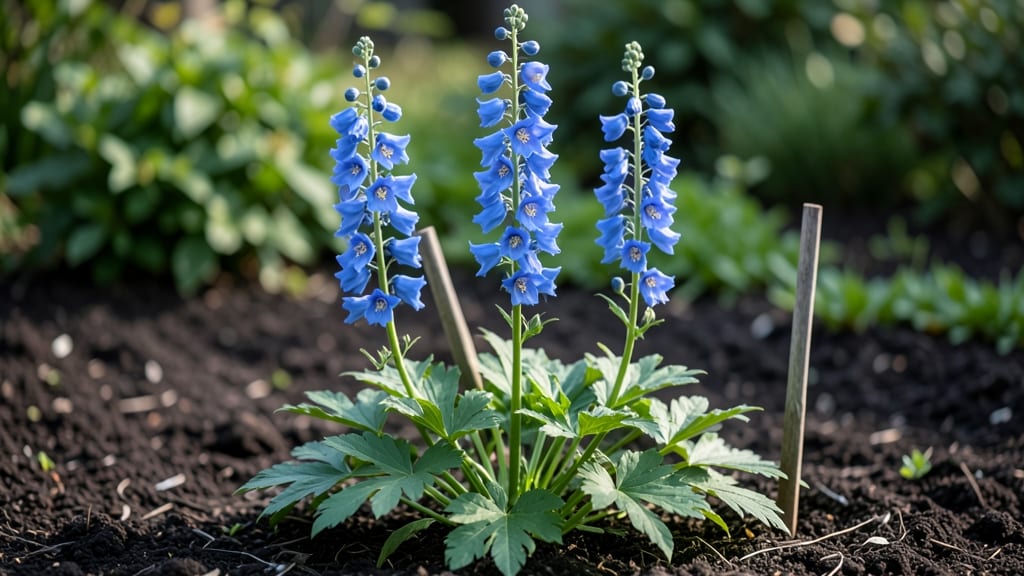
Blue-flowered perennials bring a cool, calming presence to gardens that no other color can match—especially when they thrive with minimal fuss. ✨ I’ve tested dozens over the years, and the ones that survive drought while still looking effortlessly elegant are game-changers for low-maintenance landscapes.
These plants don’t just tolerate heat and dry spells; they flourish in them, rewarding you with vibrant blooms from early summer through fall.
The secret lies in their deep roots and smart water habits—most need water only once a week once established, and some, like Russian sage, practically beg you to forget them.
Pair that with their striking hues—from sky-blue salvias to lavender-blue coneflowers—and you’ve got a color palette that pops against warm-season foliage. They also attract pollinators like crazy, turning your garden into a buzzing ecosystem without extra work.
Imagine a border where silver-blue catmint spills over a rock wall, its fragrant blooms drawing bees while requiring almost no deadheading. Or a container combo of blue salvia and purple fountain grass, where the contrast makes the whole display sing.
These plants play well with others too—plant them near warm-toned roses or golden grasses to create a sophisticated, sun-drenched look that never feels fussy.
Whether you’re designing a drought-tolerant border, a pollinator-friendly meadow, or just filling a sunny spot, these perennials deliver drama with minimal upkeep. The key is spacing them properly (usually 18–24 inches apart) and giving them full sun—then stepping back to admire the show.
Let’s dive into the best performers and how to make them shine.
📚 In This Guide
- What you need
- Instructions
- Tips and common mistakes
- Wrapping up and next steps
What you need
- ● Blue-flowered perennials: 1–5 plants (depending on desired coverage; e.g., Agapanthus, Delphinium, Salvia nemorosa, or Centaurea montana)
- ○ Optional: Seeds (for long-term projects; check germination rates—some may take 2–3 years to bloom!)
- ● Soil: Well-draining garden soil (amend with compost or perlite for sandy/clay-heavy areas)
- ○ Optional: Drought-specific soil mix (e.g., cactus/succulent blend for extra resilience)
- ● Sunlight: Full sun (6+ hours/day) for most blue perennials; partial shade (4–6 hours) for delicate varieties like Myosotis.
- ● Planting: Garden trowel or hand shovel
- ● Gloves (to protect hands from thorns or rough foliage)
- ● Watering can or hose with gentle spray nozzle (avoid blasting roots!)
- ○ Maintenance (optional but helpful): Pruning shears (for deadheading or shaping)
- ● Mulch (2–3 inches of gravel, bark, or straw to retain moisture)
- ● Drip irrigation system (pro tip: 💡 Set timers for deep but infrequent watering—blue perennials hate soggy roots!)
- ● Climate: USDA Zones 3–10 (check specific plant hardiness; e.g., Agapanthus thrives in Zones 7–11).
- ● Water source: Access to water for initial planting (1–2 gallons per plant) and drought periods.
- ● Space: Minimum 18–24 inches between plants for air circulation (prevents fungal issues).
How to plant and maintain stunning blue perennials
Here’s how to create a drought-resistant blue perennial display that thrives with minimal fuss.
🌱 Step 1: Choose the Right Blue Perennials for Your Climate
Start with drought-tolerant blue bloomers like catmint (Nepeta), Russian sage (Perovskia), or salvia (Salvia nemorosa). These thrive in full sun and handle dry spells once established. Check your hardiness zone—most prefer zones 4-9—and pick varieties that match your local conditions.
I always plant catmint first because it spreads easily and attracts pollinators. Russian sage’s silvery foliage adds texture, while salvia’s tall spikes create vertical interest. Mix heights for a layered look—2-3 feet for catmint, 3-5 feet for Russian sage, and 4-5 feet for salvia.
☀️ Step 2: Prepare the Soil and Planting Site
Blue perennials hate soggy roots, so improve drainage by amending heavy soil with 2-3 inches of compost or sand before planting. Work the amendment into the top 12 inches of soil. These plants prefer well-draining, slightly alkaline soil (pH 6.5-7.5), so test your soil if unsure.
Pick a sunny spot—at least 6 hours of direct sun daily. If your site gets afternoon shade, opt for shade-tolerant blue perennials like cobaea or lobelia. Clear weeds and loosen the soil with a garden fork to 6 inches deep before planting.
💧 Step 3: Plant and Water Deeply for Strong Roots
Dig holes twice as wide as the root ball but no deeper. Gently remove plants from containers and tease apart crowded roots. Place each plant in its hole, backfill with soil, and firm lightly around the base. Space catmint 18-24 inches apart, Russian sage 2-3 feet apart, and salvia 2-3 feet apart for mature size.
Water deeply immediately after planting—1-2 gallons per plant—to encourage roots to spread. Let the soil dry slightly between waterings once established; drought-resistant perennials hate soggy soil. Mulch with 2-3 inches of shredded bark to retain moisture and suppress weeds.
✂️ Step 4: Prune and Maintain for Long-Lasting Blooms
Cut back spent blooms regularly to encourage more flowers. For catmint, trim back by one-third in early spring to promote bushiness. Russian sage blooms on new growth, so prune it back by half in late winter or early spring. Salvia needs minimal pruning—just remove faded flowers to keep the plant tidy.
Fertilize lightly in early spring with a balanced, slow-release fertilizer (10-10-10). Too much nitrogen leads to leafy growth at the expense of flowers. Water deeply once a week during the first growing season, then taper off as roots establish. Once mature, these perennials need little to no summer watering in most climates.
🪴 Step 5: Divide and Propagate for a Fuller Garden
Every 3-4 years, divide clumps in early spring to rejuvenate plants. Dig up the root ball, separate sections with a sharp spade, and replant the best divisions. This keeps plants vigorous and prevents overcrowding. You can also propagate by taking basal cuttings in early summer—root them in moist sand for new plants.
Here’s the thing—blue perennials multiply easily. Share divisions with neighbors or replant extras in new spots to fill gaps in your garden. With minimal care, these drought-resistant stars will reward you with season-after-season color and pollinator visits.
Tips & tricks for perfect blue perennial plantings
Here's what I've learned from years of growing these drought-tough blue beauties—tricks that'll make your garden thrive with less effort.
Planting Strategy: When you're spacing your catmint 18-24 inches apart and Russian sage 2-3 feet apart in Step 3, leave extra room if you want to add more plants later. I always plant in a loose grid pattern—this gives you flexibility to fill gaps without overcrowding. The mature heights (2-5 feet) will create that stunning layered effect naturally, but starting with slightly more space prevents future competition.
Soil Test Tip: Before amending your soil in Step 2, grab a simple soil test kit from your garden center. These perennials prefer that slightly alkaline range (6.5-7.5)—if your soil tests lower, add pelletized lime (follow package instructions) to adjust the pH. I've seen blue blooms fade dramatically when planted in acidic soil, so this small test can make a huge difference. The 2-3 inches of compost you're adding will help, but don't skip the pH check!
Watering Hack: That initial 1-2 gallons per plant in Step 3 is crucial, but here's the thing—water in the morning so the roots have all day to absorb moisture before evening evaporation. After the first week, let the soil dry completely between waterings. I use a moisture meter to check—when it reads dry at 2 inches down, that's your cue to water again. These plants are tough, but they'll reward you with more vibrant blooms when you match their natural drought tolerance.
Pruning Pro Tip: For Russian sage's half-prune in late winter (Step 4), I actually do this in very early spring—right when you see the first signs of new growth. The key is to cut back to just above the woody stems. This encourages those beautiful silvery stems to show off, which is what makes Russian sage so striking. And when you're removing spent blooms from catmint, don't be shy—cut back to fresh green growth to keep those purple spikes coming all season long.
Pro Tips for Blue Flowered Perennials
- Here's what I've learned from years of growing these drought-tough blue beauties—tricks that'll make your garden thrive with less effort.
- Planting Strategy: When you're spacing your catmint 18-24 inches apart and Russian sage 2-3 feet apart in Step 3, leave extra room if you want to add more plants later.
- Soil Test Tip: Before amending your soil in Step 2, grab a simple soil test kit from your garden center.
Frequently asked questions
Got questions about adding blue flowered perennials to your drought-resistant garden? You’re not alone! Here are some of the most common queries—and straightforward answers—to help you grow with confidence.
Which blue perennials thrive in full sun and dry soil?
Look for Salvia nemorosa (salvia), Agastache (hyssop), or Centaurea montana (mountain bluet). These tough beauties love 6+ hours of sun and well-draining soil. Avoid soggy roots—mulch lightly to retain moisture without suffocating them!
When is the best time to plant blue perennials?
Plant in early spring or fall when temperatures are mild (50–70°F). This gives roots time to establish before summer heat or winter frost. Never plant in extreme heat—it stresses young plants. Pro tip: Soak roots before transplanting for a smoother transition!
How often should I water drought-resistant blue flowers?
Once established (after 1–2 years), these perennials need water every 2–3 weeks—or less in heavy rain. Deep watering (1 inch per week) encourages strong roots. Yellowing leaves? It’s likely thirst—not disease. Adjust based on your climate!
What if my blue perennials don’t bloom as expected?
Bloom issues often stem from over-fertilizing (too much nitrogen = lush leaves, few flowers) or poor sunlight. Try deadheading spent blooms to encourage reblooming. For Salvia, prune back by ⅓ after flowering. Bonus: Some, like Agastache, self-seed—let a few go to seed for next year’s show!
Are there blue perennials that attract pollinators?
Agastache (hyssop) and Echinacea (purple coneflower) are bee and butterfly magnets. For hummingbirds, Delphinium (larkspur) adds height and color. Plant in clusters to maximize their magnetic appeal—more flowers = more visitors!
Do blue perennials survive winter in cold climates?
Most, like Salvia and Centaurea, are hardy to USDA Zones 3–8. Cut back foliage in late fall, but leave seed heads for winter interest. Delphinium may need mulch in Zone 4 or colder. Spring cleanup: Trim dead growth in early spring before new shoots appear!
Wrapping up and next steps
Blue-flowered perennials are a game-changer for drought-resistant, low-maintenance gardens—adding color, texture, and effortless beauty without the fuss! 🌿 From hardy lavender to striking salvias, these plants thrive with minimal care while attracting pollinators and boosting curb appeal.
Whether you’re a seasoned gardener or just starting, they’re the perfect way to create a serene, sustainable outdoor space.
Ready to transform your garden? Start by choosing one or two varieties that suit your climate and soil, then plant them in well-draining areas. Before you know it, your yard will be a blue-hued paradise that’s as resilient as it is stunning! 🌸