
Flowers
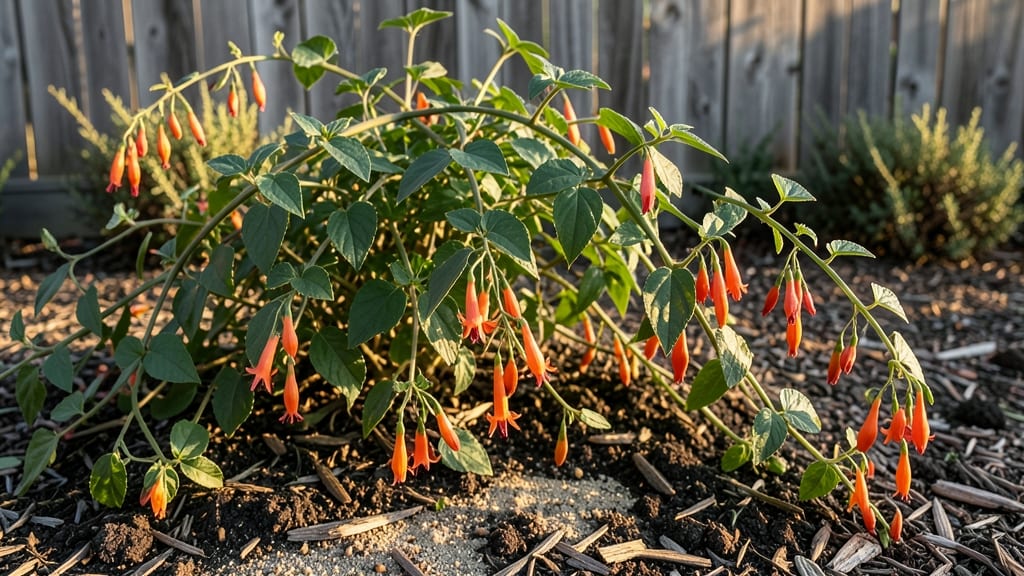
The Chilean glory flower vine (Eccremocarpus scaber) transforms any garden into a fragrant, cascading paradise with its delicate orange-red blooms and sweet vanilla scent. 🌸 I fell in love with this vine after seeing it climb a trellis in a friend’s backyard—it’s the kind of plant that makes neighbors stop and ask questions.
The secret to its success lies in just a few key habits, especially how and when you prune it.
This hardy perennial thrives in partial shade to full sun, tolerates a range of soil types, and even handles drought once established.
You’ll need a trellis, fence, or sturdy container to support its 10- to 15-foot vines, but the payoff is worth it: blooms from late spring through fall with minimal fuss. The fragrance alone makes it a standout in any garden.
Pruning is where the magic happens—cut back leggy growth in early spring, and you’ll encourage bushier vines with more flowers. Deadhead spent blooms regularly to keep it flowering all season. With the right care, this vine becomes a low-maintenance superstar that outshines many annuals.
Perfect for small spaces, containers, or as a living screen, the Chilean glory flower vine is one of those plants that rewards patience. Once it’s established, it’s nearly foolproof—just give it room to climb and a little attention when it needs pruning. Let’s get yours growing!
📚 In This Guide
- What you need
- Instructions
- Tips and common mistakes
- Wrapping up and next steps
What you need
- ● Chilean glory flower vine: 1-3 Glory Vine plants (from a nursery or online plant shop)
- ● OR seeds (if starting from scratch—germination can be slow!)
- ● Growing medium: Well-draining potting mix (for containers) OR garden soil amended with compost (for in-ground planting)
- ○ Perlite or sand (1 part) to improve drainage (optional but recommended)
- ● Container (if not planting in-ground): 1-2 large pots (12–18 inches in diameter) with drainage holes
- ● Garden trowel or small shovel
- ● Pruning shears (sterilized with rubbing alcohol)
- ● Gloves (to protect from thorns)
- ● Watering can or hose with a gentle spray nozzle
- ● Stakes or trellis (for support—4–6 feet tall)
- ● Mulch (straw or shredded bark)
- ● Sunlight: A spot with full sun to partial shade (6+ hours of sunlight daily).
- ● Climate: Thrives in USDA Zones 7–11 (hardy to 10°F/-12°C).
- ● Soil pH: Slightly acidic to neutral (6.0–7.0).
- ● Watering: Keep soil consistently moist (not soggy) during the first year.
- ○ Optional but helpful: Slow-release fertilizer (balanced 10-10-10)
- ● Epsom salt (for magnesium boost, if leaves look pale)
Step-by-step instructions for cultivating Chilean glory flower vine
Here's how to coax this fragrant climber into full, intoxicating bloom with minimal fuss.
🌱 Step 1: Select the Perfect Planting Site and Prepare the Soil
Chilean glory flower (Eccremocarpus scaber) thrives in well-draining soil with partial shade to full sun—at least 4-6 hours of sunlight daily for best flowering. I always plant mine near a trellis or fence where it can climb, as the vines can reach 10-15 feet if given support. Avoid heavy, compacted soil—this vine hates soggy roots.
Amend the planting area with 2-3 inches of compost mixed into the top 12 inches of soil. The vine tolerates poor soil better than most, but rich, organic matter ensures vigorous growth and more abundant blooms. Test your soil's pH—this plant prefers slightly acidic to neutral (6.0-7.0). If your soil is alkaline, work in sulfur or peat moss to adjust.
☀️ Step 2: Plant and Stake for Support
Dig a hole twice as wide as the root ball but no deeper. Gently remove the vine from its container and loosen any circling roots with your fingers—this prevents root girdling. Place the plant in the hole so the top of the root ball sits level with the soil surface (never bury the stem). Backfill with native soil, tamping lightly to eliminate air pockets.
Install a 5-6 foot trellis or sturdy fence within 12 inches of the planting hole before positioning the vine. Use soft garden twine or flexible plant ties to secure the main stem—never metal staples, which can damage the delicate bark. Water deeply immediately after planting to settle the soil and encourage root contact.
💧 Step 3: Water Strategically and Monitor Growth
Water deeply once a week during the first growing season, ensuring the soil is moist to a depth of 6-8 inches. Chilean glory flower is drought-tolerant once established, but young plants need consistent moisture to develop strong roots. You'll know it's time to water when the top 2 inches of soil feel dry to the touch. Overwatering leads to root rot, so always check before adding more.
Fertilize lightly in early spring with a balanced 10-10-10 fertilizer applied at half-strength. Too much nitrogen promotes leafy growth at the expense of flowers. I skip fertilizer entirely after the first year—this vine is a lightweight feeder. Prune any dead or yellowing leaves as they appear to redirect energy to new growth.
✂️ Step 4: Prune for Abundant Blooms and Controlled Growth
This is where the magic happens: pruning in late winter or early spring before new growth begins. Cut back the previous year's growth by one-third to encourage bushier, more productive vines. Remove any crossing or rubbing branches to improve airflow and reduce disease risk. I also trim back any leggy growth that stretches toward the light—this keeps the plant compact and flowering-heavy.
After the first flush of blooms (usually late spring to early summer), give the vine a light haircut by trimming back 10-15% of the current season's growth. This prevents the plant from becoming top-heavy and encourages a second, often more abundant flowering in fall. Always use clean, sharp pruners to make cuts just above a leaf node—this promotes faster healing and new growth.
⏰ Step 5: Overwinter and Prepare for Next Season
Chilean glory flower is hardy to USDA Zone 7, but in colder climates, it may die back to the ground. In Zones 8-10, it's evergreen and needs no winter protection. In colder areas, mulch heavily with 3-4 inches of straw or shredded leaves around the base after the first frost to insulate the roots. Remove the mulch in early spring once new growth appears.
Before new shoots emerge in late winter, inspect the vine for any dead or diseased wood and prune it out immediately. This prevents pests and diseases from taking hold as the plant wakes up. I also check the trellis for any remaining vine fragments—removing them reduces the risk of fungal spores overwintering. With proper care, your Chilean glory vine will reward you with fragrant, trumpet-shaped blooms for decades.
Tips & tricks for perfect Chilean glory flower vine cultivation
Here's what I've learned after years of growing this fragrant vine—details that make all the difference between a struggling plant and a showstopper.
Sunlight Strategy: While the instructions mention 4-6 hours of sunlight daily, I've found that morning sun paired with afternoon shade works best in hotter climates. The delicate leaves can scorch if exposed to intense midday rays for extended periods. If your vine isn't flowering as expected, try moving it to a spot with more morning sun exposure—this triggers the hormonal cues for blooming. The key is finding that sweet spot where the vine gets enough light for growth but avoids stress from heat.
Pruning Precision: When you're pruning in late winter or early spring, focus on creating an open structure rather than just cutting back by one-third. I make my cuts at a 45-degree angle just above a leaf node, which helps water run off and prevents rot. For the second pruning after the first flush of blooms, I only trim back 10-15% of the current season's growth—this keeps the plant balanced and encourages that fall rebloom. The goal is to maintain airflow while preserving as much leaf surface as possible for photosynthesis.
Soil Secrets: The instructions mention testing soil pH, but I've discovered that adding a handful of worm castings to the planting hole gives an immediate boost to microbial activity. These beneficial organisms help the vine access nutrients more efficiently, especially in the first critical growing season. For alkaline soils, I've had success using elemental sulfur mixed into the top 6 inches rather than peat moss, as it's more sustainable and doesn't compact the soil over time.
Winter Protection: In colder climates where the vine dies back to the ground, I've developed a technique that prevents winter kill. After the first frost, I remove all dead foliage but leave the stems attached. Then I mound 6-8 inches of straw around the base rather than just 3-4 inches. This extra insulation creates a thermal blanket that protects the crown from temperature fluctuations. In spring, I remove the mulch gradually as new shoots emerge to avoid shocking the plant.
Pro Tips for Chilean Glory Flower Vine
- Here's what I've learned after years of growing this fragrant vine—details that make all the difference between a struggling plant and a showstopper.
- Sunlight Strategy: While the instructions mention 4-6 hours of sunlight daily, I've found that morning sun paired with afternoon shade works best in hotter climates.
- Pruning Precision: When you're pruning in late winter or early spring, focus on creating an open structure rather than just cutting back by one-third.
Frequently asked questions
Got questions about growing and caring for your Chilean glory flower vine? We’ve got answers!
Here are some of the most common queries from gardeners—plus tips to keep your fragrant climber thriving.
How fast does the Chilean glory flower vine grow?
The Chilean glory flower vine (Eccremocarpus scaber) is a fast grower, often reaching 10–15 feet per season with ideal conditions. In warmer climates, it can climb even faster, while cooler zones may see slower growth. Prune regularly to manage its vigor and encourage bushier, more fragrant blooms.
When is the best time to prune Chilean glory flower vine?
Prune your vine after flowering (late summer to early fall) to maintain shape and promote next year’s blooms. Light trimming can also happen in early spring to remove dead or overcrowded growth. Avoid heavy pruning in winter—this tender perennial needs time to recover before spring’s warmth.
Is Chilean glory flower vine cold-hardy? What’s the best climate for it?
This vine thrives in USDA zones 8–11 and struggles in frost. In colder areas, grow it as an annual or overwinter it indoors. For outdoor success, plant in well-draining soil and choose a spot with partial shade in hot climates to prevent stress.
Why aren’t my Chilean glory flowers blooming?
Lack of blooms often stems from over-fertilizing (too much nitrogen) or poor sunlight. Ensure it gets 6+ hours of sun and use a balanced fertilizer (like 10-10-10) in spring. Deadhead spent flowers to encourage more blooms, and check for pests like aphids, which can stress the plant.
What can I plant alongside Chilean glory flower vine for a fragrant garden?
Pair it with complementary climbers like jasmine or honeysuckle for layered fragrance. For ground cover, try sweet alyssum or lobelia. Avoid aggressive spreaders—this vine needs space to climb and won’t compete well with invasive roots.
Wrapping up and next steps
The Chilean glory flower vine is a fragrant, low-maintenance treasure that rewards patience with stunning blooms and a heavenly scent.
With the right pruning precision, sunlight, and soil, you’ll transform your garden into a blooming paradise. Ready to take the next step? Start by marking your vine’s growth zones—then snip with confidence!
- 🌱 Plant a cutting or share your thriving vine with fellow gardeners!
- 📸 Document your progress—every bloom is a victory worth celebrating.