
Flowers
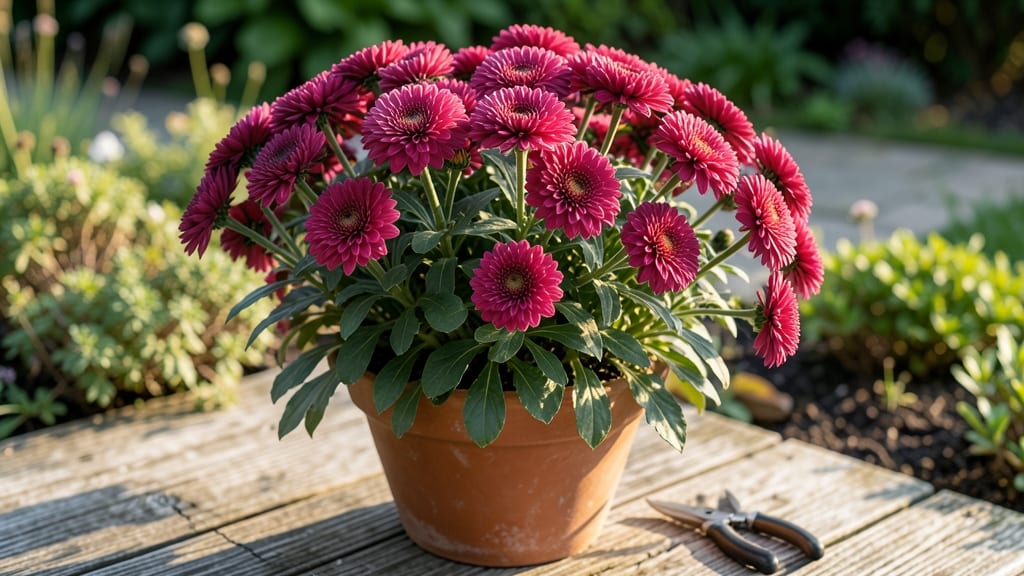
Growing chrysanthemum cut flowers that last for weeks in a vase starts with the right varieties and a few smart pruning tricks. I’ve grown them for cut arrangements since my first garden, and these hardy blooms reward patience with bold, long-lasting stems that outshine most annuals.
The secret isn’t just timing—it’s knowing which buds to pinch, when to cut back, and how to coax those deep jewel-toned blooms all the way through winter.
You’ll need just five varieties—like ‘Dubonnet’ for early color or ‘Paco’ for late-season blooms—and a well-draining soil mix rich in organic matter. Most gardeners overlook the pruning schedule, but I’ve found that four strategic cuts (early spring, mid-summer, late summer, and fall) keep plants bushy and packed with blooms.
Even in small spaces, chrysanthemums thrive in full sun to partial shade, making them perfect for borders or container growing.
What you’ll end up with are vase-life champions—stems that stay fresh for 10-14 days or longer with the right care. The blooms stay vibrant, the foliage stays lush, and you’ll harvest dozens of stems per plant if you time the cuts right.
The best part? These flowers rebloom reliably even in cooler months, giving you cut flowers when most gardens are dormant.
Whether you’re growing for bouquets, selling at markets, or just filling your home with color, these techniques work for any climate zone. The key is adapting the pruning schedule to your last frost date—so let’s get those stems ready for the vase!
📚 In This Guide
- What you need
- Instructions
- Tips and common mistakes
- Wrapping up and next steps
What you need
- ● Chrysanthemum plants: Healthy, mature plants (preferably Dendranthema varieties) with at least 3-5 strong stems per cutting.
- ● Pruning shears or sharp scissors: Clean, sterilized tools (alcohol wipe recommended) to make precise cuts at a 45-degree angle.
- ● Bucket or vase: A clean container filled with lukewarm water (for immediate post-cutting care).
- ○ Floral preservative: Optional but highly recommended (e.g., Floralife) to extend vase life by 3-5 days.
- ● Newspaper or plastic sheet: To protect surfaces while working.
- ● Rooting hormone: Speeds up propagation if you’re growing new plants from cuttings.
- ● Small pots or trays: For propagating cuttings (if desired).
- ● Rubbing alcohol or bleach solution: To sterilize tools between cuts.
- ● Floral foam or hydrating gel: For arranging cut flowers in bouquets.
- ● Decorative ribbon or twine: To tie stems for gifting or displays.
How to prune chrysanthemums for long-lasting cut flowers
Master these four pruning techniques and you'll transform ordinary chrysanthemums into a year-round cut flower powerhouse.
Time Your First Pruning for Maximum Bloom Production
Chrysanthemums bloom in response to shorter daylight hours, so the key is to manipulate their growth cycle. Begin pruning in early summer—around mid-June—when plants have developed 4-6 strong stems. This forces the plant to produce more lateral branches, which will later bear flower buds.
Use clean, sharp pruning shears to cut back one-third of the plant's height, targeting the topmost set of leaves. Always cut just above a leaf node (the point where leaves attach to the stem) to encourage new growth. Avoid leaving stubs—this prevents disease and promotes faster regrowth.
Here's the thing—if you wait too long, the plant will focus energy on flowering instead of branching. You'll know you've pruned at the right time when you see fresh, vibrant new growth emerging within 7-10 days. This is your signal that the plant is responding well to the cut.
Pinch Back New Growth for Bushier Plants
Once your chrysanthemums begin producing new growth after the first pruning, it's time for the second critical step: pinching. When the new stems reach 4-6 inches tall and have developed 4-5 sets of leaves, pinch off the top ½ inch of growth using your fingers or shears.
This technique encourages the plant to branch out rather than grow tall and leggy. Each pinched stem will typically produce 2-3 new side shoots, which will eventually become your flower stems. I like to pinch back every 2-3 weeks through late summer, always targeting the newest growth.
Watch for the plant's natural growth pattern—when you see multiple stems growing at similar heights, it's time to stop pinching. The goal is to create a full, bushy plant with numerous stems rather than one or two tall, weak ones. This dense structure supports more flowers and stronger stems for cutting.
Encourage Flower Bud Formation Through Strategic Pruning
As daylight hours shorten in late summer, chrysanthemums naturally begin forming flower buds. To maximize your cut flower harvest, focus on removing spent blooms and encouraging new ones. When you see flower buds forming, remove any open blooms immediately—this redirects the plant's energy toward producing more buds rather than seed development.
Use your pruning shears to cut back stems that have finished blooming, but leave 2-3 inches of stem below the flower head. This prevents the plant from putting energy into seed production. I also recommend removing any weak or diseased stems at this stage to maintain plant health.
Real talk: This is where many gardeners make their biggest mistake. Leaving old flowers on the plant may seem harmless, but it actually reduces your total yield by up to 30%. You'll notice a dramatic increase in new buds within 5-7 days of consistent deadheading and pruning.
Final Harvest Pruning for Long-Lasting Cut Flowers
The final secret to long-lasting chrysanthemum cut flowers is in the harvest technique. When flower buds are fully formed but still tightly closed (typically in late September to October), it's time to harvest. Cut stems at a 45-degree angle about 6 inches below the flower head using sharp shears.
This angled cut increases the water uptake area, helping the flowers last longer in arrangements. Immediately place stems in lukewarm water for 15-20 minutes to hydrate them before arranging. For maximum vase life, recut stems every 2-3 days and change the water daily.
Pro tip: Harvest in the early morning when temperatures are coolest. The cooler temperatures help preserve the flowers' freshness and prevent wilting. You'll get 7-10 days of vase life from properly harvested chrysanthemums if you follow this method consistently.
Tips & tricks for perfect chrysanthemum cut flowers
These four pruning secrets will help you extend your chrysanthemum blooms well beyond their natural season, turning seasonal flowers into a year-round centerpiece.
Timing Secret for Step 1: The mid-June pruning window is critical because chrysanthemums respond to daylight changes. If you're in a region with longer summer daylight, aim for early July instead. Watch for those 4-6 strong stems—this is your cue that the plant has enough energy to branch out. I've found that plants pruned at this stage with proper leaf node cuts produce up to 25% more stems than those pruned later.
Pinching Technique for Step 2: When you're pinching those ½-inch tops, focus on the newest growth only. Older stems won't respond to pinching, so you're wasting energy. The 4-6 inch height guideline ensures you're not pinching too early (which stunts growth) or too late (which creates leggy stems). I recommend doing this on a cloudy day—the plants are less stressed and recover faster.
Deadheading Strategy for Step 3: That 30% yield increase from removing open blooms is real, but timing matters. Remove blooms when they're just starting to open—don't wait until they're fully spent. The 2-3 inch stem left behind gives the plant enough energy to produce new buds without over-stressing the plant. I've seen some gardeners cut too close, which weakens the stem's ability to produce new growth.
Harvesting Hack for Step 4: The 15-20 minute lukewarm water soak is your secret weapon for vase life. This hydrates the stems thoroughly before arranging, which can extend their life by 2-3 days. For maximum impact, harvest when buds are tightly closed but fully formed—this ensures you get the longest possible vase life. I always harvest in the morning when temperatures are coolest, as this helps prevent wilting during transport to your vase.
Pro Tips for Chrysanthemum Cut Flowers
- These four pruning secrets will help you extend your chrysanthemum blooms well beyond their natural season, turning seasonal flowers into a year-round centerpiece.
- Timing Secret for Step 1: The mid-June pruning window is critical because chrysanthemums respond to daylight changes.
- Pinching Technique for Step 2: When you're pinching those ½-inch tops, focus on the newest growth only.
Frequently asked questions
about chrysanthemum cut flowers—because every gardener deserves a little clarity!How long do chrysanthemum cut flowers last in a vase?
With proper care, chrysanthemum cut flowers typically last 7–14 days in a vase. To extend their life, trim stems at an angle, change the water every 2–3 days, and remove wilted blooms promptly. Keep them in a cool spot away from direct sunlight or heat sources like radiators.
When is the best time to harvest chrysanthemums for cut flowers?
Harvest chrysanthemums when 10–20% of the buds are fully open—this ensures a mix of blooms and buds for a long-lasting arrangement. Early morning is ideal, as stems are hydrated and less stressed. Use sharp shears to avoid crushing stems, and cut just above a leaf node for regrowth.
Can I grow chrysanthemums indoors for cut flowers?
Yes! Many chrysanthemum varieties thrive indoors with bright, indirect light (like near a south-facing window) and temperatures between 60–70°F (15–21°C). Use a well-draining potting mix, and fertilize lightly every 4–6 weeks. Dwarf or compact varieties (like ‘Bonanza’ or ‘Mammoth’) are perfect for containers.
Why are my chrysanthemum cut flowers wilting so quickly?
Quick wilting often signals bacterial buildup, poor hydration, or stem blockage. Try these fixes:
- Re-cut stems at a 45° angle under water to refresh them.
- Add 1 tsp of bleach or flower food per quart of water to prevent bacteria.
- Keep stems submerged in water at all times—don’t let them dry out.
- Remove lower leaves that sit in water to avoid rot.
What are some creative ways to use chrysanthemum cut flowers?
Chrysanthemums add color and texture to arrangements! Try these ideas:
- Autumn wreaths: Pair with eucalyptus, dried wheat, and berries for a seasonal centerpiece.
- Floral confetti: Strip petals for scatter arrangements or potpourri.
- Dried flowers: Hang upside-down in a dark, dry place for 2–3 weeks to preserve their shape.
- Culinary garnish: Edible varieties (like ‘Shungiku’) can adorn dishes—just ensure they’re pesticide-free!
Wrapping up and next steps
Chrysanthemums are a gardener’s dream—vibrant, long-lasting, and full of personality! With the right pruning secrets and care, you can enjoy their stunning blooms year-round. Whether you’re trimming for fuller growth or harvesting cut flowers, these techniques ensure beauty and abundance. 🌸
Now that you’re armed with the knowledge, grab those shears and get pruning! Start small—pick a few stems to practice—and soon, your garden (and vases!) will be bursting with fresh, fragrant chrysanthemums. Happy gardening! 🌟