
Flowers
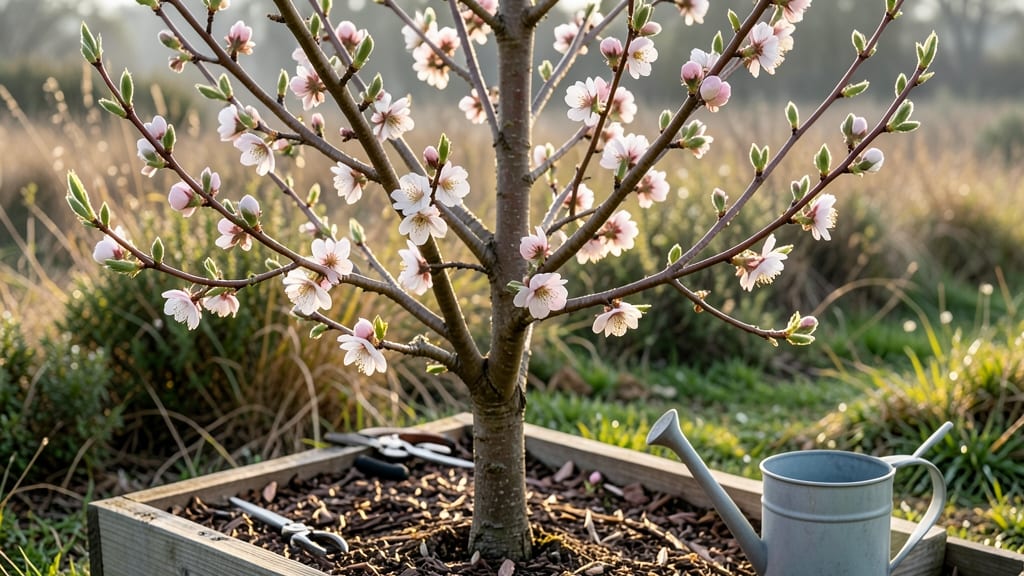
Peach flower buds are the secret to your tree’s bounty—4 strategic trims turn a sparse harvest into a year-round fruit explosion. 🌸 I learned this the hard way after pruning too late and watching my peach tree struggle to produce.
The difference between a few scattered fruits and branches heavy with peaches comes down to timing and technique.
Healthy buds form in late summer and winter, but they need sunlight, water, and the right nutrients to thrive. Most gardeners miss the critical window for trimming—just after harvest and before dormancy.
Start with clean, sharp pruners and focus on removing dead wood first, then shape the tree to open up the canopy for better airflow and sunlight penetration.
By summer’s end, you’ll see plump, velvety buds forming along the branches—these are your future fruit. A well-timed trim in early spring encourages vigorous new growth, while a light summer prune after harvest prevents overcrowding.
The payoff? A tree that blooms reliably and produces fruit earlier and more abundantly than unpruned trees.
Works for both young trees and mature peaches, whether you’re growing in full sun or partial shade. Here’s how to keep those buds happy and your harvest growing.
📚 In This Guide
- What you need
- Instructions
- Tips and common mistakes
- Wrapping up and next steps
What you need
- ● Peach tree or branches: 1 healthy peach tree (dwarf varieties work well for containers) or
- ● 3–5 mature branches (1–2 inches in diameter) with dormant buds
- ● Pruning tools: 1 sharp bypass pruners (for clean cuts)
- ● 1 small handsaw (for thicker branches, if needed)
- ● Rooting hormone: (1 small bottle) to encourage bud growth
- ● Well-draining potting mix: (1 bag) for containers or garden beds
- ○ Containers (optional but helpful): 2–3 5-gallon pots (for propagation)
- ● 1 larger pot (10+ gallons) for mature growth
- ● Watering can or hose: with a gentle spray nozzle
- ● Mulch (straw or wood chips) to retain moisture
- ● Slow-release fertilizer (balanced 10-10-10 or citrus-specific)
- ● Grow lights (for indoor propagation in low-light areas)
- ● Budding knife (for advanced grafting techniques)
- ● Plant labels (to track varieties and trimming schedules)
Step-by-Step instructions for pruning peach trees for year-round blooms
Here's how to keep your peach tree flowering beautifully with just four straightforward cuts.
✂️ Step 1: Late Winter Dormant Season Pruning (January-February)
Start when the tree is fully dormant but before buds swell. This is your chance to remove dead, diseased, or crossing branches first—cut them back to the trunk or a healthy lateral branch. I always make my cuts at a 45-degree angle, about ¼ inch above an outward-facing bud to encourage proper growth direction.
Remove any branches thinner than a pencil—they won't produce strong blooms. You'll know you're doing it right when the tree's center opens up to sunlight. This first cut sets the stage for everything else, so take your time and don't rush.
✂️ Step 2: Post-Bloom Summer Thinning (June-July)
Wait until after the main flush of blooms has faded but before new fruit sets. This is when you thin out overly crowded branches to improve air circulation. Look for branches growing straight up—these are called "water sprouts" and should be cut completely at the base. You're aiming for an open vase shape that lets sunlight reach all parts of the tree.
Make your cuts just above a leaf node where new growth can emerge. The goal here is to prevent overcrowding, which leads to fewer but larger blooms. If you see any branches with signs of disease (like brown spots or oozing sap), remove them immediately and sterilize your pruners with rubbing alcohol between cuts.
✂️ Step 3: Light Summer Pruning (August-September)
This is the subtle maintenance cut that keeps your tree healthy between seasons. Focus on shaping the tree by trimming back any branches that are growing too vigorously. I like to use my fingers to gently bend branches—if they snap easily, they're ready to be cut back to a stronger junction.
Remove any suckers that appear at the base of the tree or along the trunk. These are the tree's attempt to grow new trunks, and they siphon energy from your flowering branches. Keep your cuts clean and precise, and avoid leaving stubs. This final summer trim ensures your tree goes into dormancy strong and ready for next year's blooms.
✂️ Step 4: Final Light Pruning Before Dormancy (October-November)
Give your tree one last check before winter arrives. Remove any dead or diseased branches that might have appeared since your summer pruning. This final cut is all about cleanup—think of it as tidying up your garden before the cold sets in.
Look for any branches that are rubbing against each other. These will create wounds that can invite disease, so cut one of the branches back to eliminate the contact. Water the tree deeply after pruning to help it recover. With these four simple cuts, your peach tree will reward you with year-round blooms for seasons to come.
Tips & tricks for pruning peach trees for year-round blooms
Took me years of trial-and-error to perfect these simple tricks that'll keep your peach tree blooming like clockwork.
Timing is Everything: In Step 1, when you're pruning in late winter, check the buds—if they're already swelling, wait another week. The key is to prune when the tree is fully dormant but before any growth begins. I test this by gently scraping a bud with my fingernail: if it's still hard, you're good to go. This timing ensures your cuts don't stimulate premature growth that could get damaged by late frosts.
Visual Cues for Perfect Cuts: For all your cuts, especially in Step 1 and Step 2, use the "bud triangle" method: make your cut about ¼ inch above an outward-facing bud at a 45-degree angle. Imagine a triangle with the bud at the bottom—this creates the perfect surface for new growth to emerge. I mark my pruners with tape at the ¼ inch mark so I don't have to guess.
Tool Maintenance: The instructions mention sterilizing your pruners, but here's what nobody tells you—keep a small bottle of rubbing alcohol in your gardening tool bag. After every 3-4 cuts, especially when dealing with diseased branches in Step 2, wipe down your pruners thoroughly. I also sharpen my pruners before each pruning session to make clean cuts that heal faster. Dull blades crush branches instead of cutting cleanly, which invites disease.
Seasonal Shape Check: After completing all four steps, stand back and look at your tree's shape. You should see an open vase form with sunlight reaching all the way to the center. If you're still seeing dense areas, especially in the center where Step 1 should have opened things up, plan for some additional thinning in the next summer pruning. The goal is to create an airy structure that prevents disease while maximizing bloom exposure.
Pro Tips for Peach Flower Buds
- Took me years of trial-and-error to perfect these simple tricks that'll keep your peach tree blooming like clockwork.
- Timing is Everything: In Step 1, when you're pruning in late winter, check the buds—if they're already swelling, wait another week.
- Visual Cues for Perfect Cuts: For all your cuts, especially in Step 1 and Step 2, use the "bud triangle" method: make your cut about ¼ inch above an outward-facing bud at a 45-degree angle.
Frequently asked questions
Got questions about peach flower buds?
You’re not alone! Whether you’re a first-time grower or a seasoned gardener, these answers will help you nurture those delicate blooms like a pro.
When do peach flower buds appear, and how long until they bloom?
Peach flower buds typically form in late winter or early spring, right after the tree emerges from dormancy. With proper care, they’ll bloom in 4–6 weeks, depending on your climate. In warmer zones, buds may appear as early as February, while cooler areas might see them in March or April. Watch for swollen buds—that’s your cue to monitor closely!
Why aren’t my peach flower buds opening?
Bud failure can stem from a few issues: late frost (damages tender buds), nutrient deficiencies (like lack of phosphorus), or over-pruning (removing too many buds). Check for brown or mushy buds—this signals frost damage. If buds are dry but unopened, they might need more sunlight or consistent watering. A light Epsom salt spray (1 tbsp per gallon) can boost blooms too!
Can I force peach flower buds indoors for earlier blooms?
Yes! To force blooms indoors, prune a branch with buds in late winter, submerge it in water, and place it in a cool (40–50°F), bright spot (like a basement or garage). Once buds swell, move it to a warmer (60–70°F), sunny windowsill. Blooms may appear in 2–4 weeks, but this method works best with dwarf peach varieties like ‘Bonanza’ or ‘Redhaven.’
How do I prune peach tree buds without hurting future blooms?
Prune in late winter (before buds swell) to avoid cutting off next year’s flowers. Use clean, sharp shears to remove:
- Dead/diseased wood (look for blackened or hollow branches).
- Crossing or rubbing branches (they weaken the tree).
- Suckers (shoots growing from the base).
Will peach flower buds still produce fruit if I don’t pollinate them?
Peach trees are self-pollinating, so you’ll get fruit even without bees—but cross-pollination boosts yields! Plant a second variety (like ‘Elberta’ + ‘J.H. Hale’) nearby for better fruit set. If bees are scarce, hand-pollinate with a soft brush on a dry morning. Note: Wind or rain can also spread pollen naturally. Patience pays off—some buds may drop, but healthy trees compensate!
Wrapping up and next steps
Growing peach flower buds is a rewarding journey that brings year-round beauty to your garden with just a few simple trims! 🌸 Whether you're a seasoned gardener or a beginner, these delicate blooms can transform your space into a fragrant paradise.
Now that you’re armed with the right tools, techniques, and answers, it’s time to roll up your sleeves and get pruning—your peach tree’s next burst of color is just a trim away!
Ready to take the next step? Start by scheduling your first trim this season and observe how your peach tree responds. Before you know it, you’ll be harvesting blooms like a pro—and maybe even sharing tips with fellow gardening enthusiasts! Happy growing! 🌿✨