
Flowers
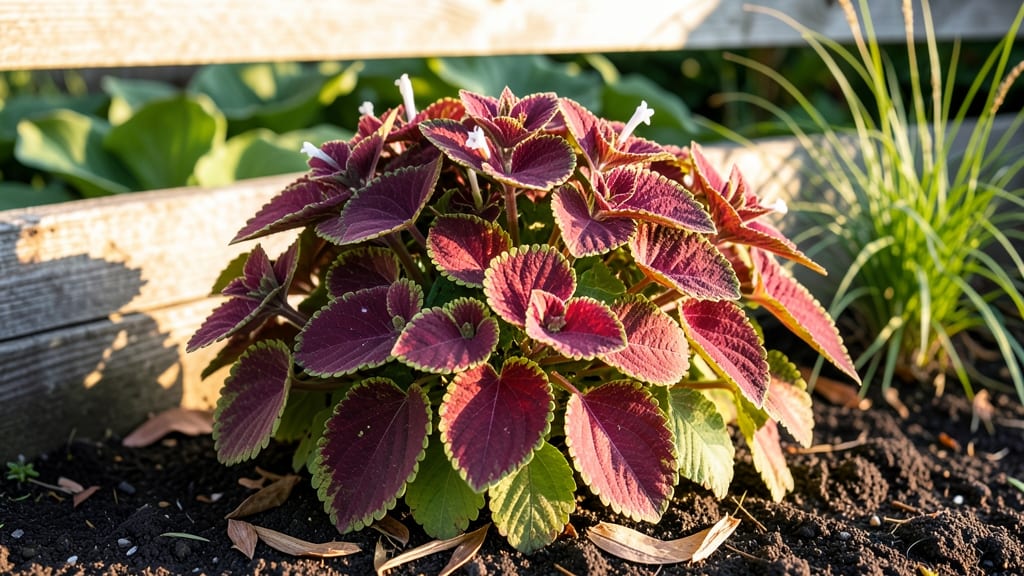
Your flower beds need that bold foliage punch, and coleus delivers it like no other annual. I’ve transformed my front yard with varieties like 'Wizard Purple' and 'Black Dragon,' their deep velvety leaves creating instant contrast against delicate blooms.
The key? Planting them where their colors pop—not just as filler, but as the star.
Start with 3-5 plants per square foot for a lush, layered look, mixing heights and textures. Pair velvety purple coleus with airy white daisies or bright orange marigolds for maximum drama.
They thrive in partial shade, so place them where sunlight filters through—think under roses or near hydrangeas. The secret? Deadheading spent blooms keeps them focused on foliage, not flowers.
By midsummer, your beds will buzz with activity—coleus stays vibrant while other annuals fade. The contrast is shocking: imagine neon pink leaves next to soft pink peonies, or chartreuse foliage framing deep blue salvias. It’s the easy way to make your garden unforgettable without relying on blooms alone.
Works in containers too—just keep them moist and pinch back leggy stems. Try it in shady corners or as a border, and watch how coleus turns ordinary beds into showstoppers. The best part? They’re beginner-friendly and last until frost. Let’s make your garden the talk of the neighborhood.
📚 In This Guide
- What you need
- Instructions
- Tips and common mistakes
- Wrapping up and next steps
What you need
- ● Coleus plants – Choose 3–5 varieties (e.g., Coleus scutellarioides) for bold foliage contrasts. Buy 1–2 plants per variety for a full bed.
- ● Well-draining potting mix – 5–10 gallons, depending on bed size (avoid heavy clay soil).
- ● Organic compost – 2–3 cups per plant to enrich soil.
- ● Slow-release fertilizer – 10-10-10 or balanced organic fertilizer (follow package rates).
- ○ Mulch (optional but recommended) – 1–2 inches of shredded bark or pine needles to retain moisture.
- ● Garden trowel or hand shovel – For planting and soil prep.
- ● Pruning shears – To shape plants and encourage bushiness.
- ● Watering can or hose with a gentle spray nozzle – Coleus loves consistent moisture!
- ○ Gloves (optional) – Protects hands from soil and sharp foliage.
- ● Measuring tape or ruler – To space plants 12–18 inches apart.
- ● A sunny to partially shaded spot (4–6 hours of light daily).
- ● Well-draining soil – Coleus hates soggy roots!
- ● Regular watering schedule – Keep soil evenly moist (not waterlogged).
- ● Patience for growth – Coleus thrives with consistent care and may need occasional pruning.
How to plant and maintain coleus for stunning season-long color
Here's how I keep my coleus vibrant and thriving as the star of any flower bed.
Choose the Right Coleus Varieties for Your Climate
Select 4 different coleus varieties with contrasting colors and patterns to create visual impact. Look for heat-tolerant types like 'Wizard' or 'Black Dragon' if you live in hotter zones, or shade-tolerant varieties like 'Nancy's Wheels' for cooler climates. I always pick plants with bold, varied foliage—think deep purples, fiery oranges, and lime greens—to create striking contrasts.
Check the USDA hardiness zone on the plant tags. Most coleus thrive in zones 9-11, but you can grow them as annuals in cooler areas. If you're planting in spring, choose young, healthy plants from a nursery rather than seeds—they'll give you instant color and better establishment.
Prepare the Flower Bed for Coleus Success
Pick a sunny to partially shaded spot—coleus handles 4-6 hours of morning sun best, especially in hotter regions. Clear the area of weeds and loosen the soil to a depth of 6-8 inches with a garden fork. Amend the soil with 2-3 inches of compost to improve drainage and fertility, since coleus roots are sensitive to waterlogged conditions.
I like to space my 4 coleus plants about 12-18 inches apart—close enough for a lush look but far enough to allow airflow and prevent fungal issues. If you're planting near other flowers, choose companions with similar water needs, like impatiens or begonias, to keep maintenance easy.
Plant Coleus Correctly for Strong Growth
Dig a hole twice as wide as the plant's root ball but only as deep as the container it came in. Gently remove the coleus from its pot and loosen any circling roots with your fingers—this encourages outward growth. Place the plant in the hole so the top of the root ball sits level with the surrounding soil, not buried too deep.
Fill the hole with soil and press lightly around the base to remove air pockets. Water deeply right after planting to help the roots settle. Avoid overwatering now—coleus roots need time to establish before they can handle excess moisture. You'll know it's settled when the soil surface looks slightly firm but not compacted.
Water and Feed for Vibrant Foliage
Water your coleus once a week during the first month, letting 1 inch of water soak into the soil each time. After that, water every 5-7 days, checking the soil 1 inch below the surface—if it feels dry, it's time to water. Coleus hates soggy roots, so always water at the base and avoid wetting the leaves to prevent fungal spots.
Fertilize every 4-6 weeks with a balanced liquid fertilizer (like 10-10-10) diluted to half strength. I skip the fertilizer in winter when growth slows, but in spring and summer, consistent feeding keeps the colors bold and vibrant. If you notice leaves losing their intensity, it's a sign they need more nutrients.
Prune and Maintain for All-Season Beauty
Pinch back the tips of new growth when plants are 6-8 inches tall to encourage bushier, fuller plants. This also prevents leggy growth, which happens when coleus stretches toward light. I like to snip just above a leaf node—the spot where leaves attach—to redirect energy into side branches.
Deadhead spent flowers as they appear to keep the plant focused on foliage production. In late summer, if your coleus starts looking tired, give it a light trim to remove any yellow or damaged leaves. This refreshes the plant and often stimulates new, vibrant growth before winter.
Tips & tricks for perfect coleus plantings
Here's what nobody tells you about keeping coleus vibrant and thriving—these tricks make all the difference in your flower bed.
Variety Selection: When choosing your 4 coleus varieties, look beyond just color—examine the leaf texture too. Variegated types like 'Nancy's Wheels' have intricate patterns that catch light differently, while solid colors like 'Black Dragon' create dramatic focal points. I always pick one deep purple, one bright orange, one lime green, and one with striking patterns to ensure visual contrast. This color blocking creates the "wow" factor that makes coleus stand out.
Soil Preparation: The 6-8 inch depth for soil loosening might seem like overkill, but it's worth it. Coleus roots are shallow but sensitive to compaction. After loosening, mix in that 2-3 inches of compost thoroughly—don't just top-dress. I like to use a garden fork to create small air pockets in the soil, which helps prevent waterlogging that can cause root rot. This extra effort pays off with healthier, more vibrant plants that handle our 4-6 hours of morning sun beautifully.
Planting Technique: That "twice as wide" hole might seem counterintuitive, but it gives roots room to spread without circling—which is exactly what happens when you plant too deep. When loosening circling roots, be gentle but thorough. I find using my fingers works better than tools for this delicate task. The key is getting the root ball settled properly so it doesn't shift after watering. This careful placement makes all the difference in establishing strong plants that can handle our regular watering schedule.
Maintenance Secret: The 6-8 inch height for pinching back might seem arbitrary, but there's a reason for it. At this height, coleus has developed enough structure to handle pruning without becoming leggy. When you snip just above a leaf node, you're telling the plant exactly where to grow new branches. I've found that doing this every 4-6 weeks (when we fertilize) creates a natural rhythm—new growth appears just as we're preparing to feed again, giving the nutrients a chance to work their magic.
Pro Tips for Coleus In Flower Beds
- Here's what nobody tells you about keeping coleus vibrant and thriving—these tricks make all the difference in your flower bed.
- Variety Selection: When choosing your 4 coleus varieties, look beyond just color—examine the leaf texture too.
- Soil Preparation: The 6-8 inch depth for soil loosening might seem like overkill, but it's worth it.
Frequently asked questions
Got questions about using coleus in your flower beds?
Here are some of the most common ones—plus quick, practical answers to help you create stunning, low-maintenance displays!
Can coleus survive winter in flower beds?
Most coleus are tender perennials and won’t survive freezing temps. In cold climates (below 25°F), dig up potted coleus before frost or mulch heavily and protect with burlap. In mild zones (USDA 9+), they may persist year-round with winter mulch. Pro tip: Treat them as annuals for easier care!
Do coleus flowers add value to flower beds?
While coleus blooms (tiny white/pink spikes) are pretty, they’re not the star—the foliage steals the show! Pinch off flowers to encourage bushier, colorful leaves. If you love blooms, pair coleus with annuals like impatiens or begonias for a balanced look.
Why is my coleus turning yellow or dropping leaves?
Yellow leaves often signal overwatering or poor drainage. Let soil dry slightly between waterings, and ensure pots/beds have holes. Drooping? Check for underwatering or heat stress—move to partial shade if leaves crisp. Pest alert: Spider mites love stressed coleus; spray with water or neem oil if you spot webbing.
What’s the best way to mix coleus with other plants?
Coleus thrives in part shade (3–6 hours of sun) and pairs well with:
- Height contrast: Tall canas or snake plants (for drama).
- Texture: Spiky heuchera or fuzzy lamium.
- Color pop: Bright caladiums or begonias (for tropical vibes).
Can I propagate coleus from cuttings?
Propagating is easy:
- Snip a 4–6 inch stem just below a leaf node.
- Remove lower leaves, dip in rooting hormone (optional), and plant in moist perlite or water.
- Keep in bright, indirect light until roots form (2–4 weeks).
Wrapping up and next steps
Adding coleus to your flower beds is a game-changer—its vibrant foliage brings year-round color, texture, and drama while requiring minimal fuss. Whether you’re a seasoned gardener or just starting, these bold plants are your secret weapon for low-maintenance, high-impact designs. 🌿✨
Ready to transform your space? Start small:
- Pick 1-2 varieties to test in a sunny or shaded spot.
- Experiment with clippings or cuttings for propagation—it’s easy and rewarding!
- Share your progress (and blooming pride) with fellow plant lovers!