
Succulent
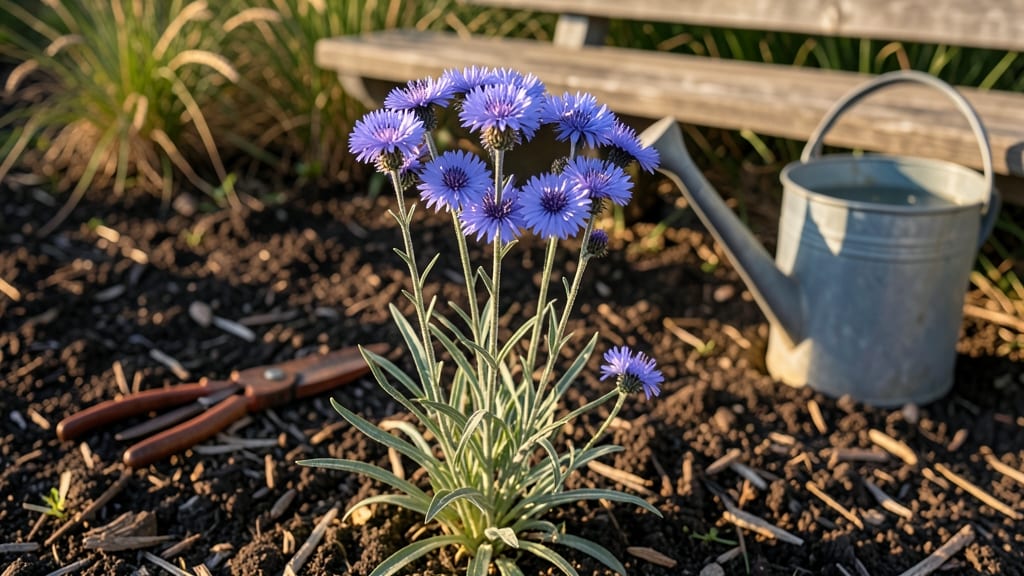
The dark blue cornflower brings drama to any garden space with its striking, jewel-toned blooms that stand out against every backdrop. 🌻 I first fell for them in a cottage garden where they bordered a stone path, their deep cobalt petals catching the light like scattered sapphires.
These aren't just pretty faces—they thrive in poor soil, bloom from early summer to frost, and attract pollinators like magnets.
Dark blue cornflowers shine in mixed borders, cottage gardens, or even containers where their vertical growth adds height. Pair them with silver foliage like lamb's ear or dusty miller to make the blue pop, or contrast them with creamy white cosmos for a dreamy, ethereal effect.
They also work beautifully in wildflower meadows, where their bold color anchors the mix without overpowering.
What makes them special is their versatility—they handle full sun or partial shade, drought once established, and even naturalize over time. Imagine them lining a rustic fence, spilling over a terracotta pot, or framing a garden entrance.
Their symbolic ties to loyalty and constancy add a layer of meaning too, making them a thoughtful choice for any design.
For maximum impact, plant them in drifts rather than single stems—their true beauty emerges when they create a sea of blue. And here's a pro tip: deadhead spent blooms to encourage nonstop flowering. Ready to transform your garden with this showstopper?
📚 In This Guide
- What you need
- Instructions
- Tips and common mistakes
- Wrapping up and next steps
What you need
- ● Cornflower Dark Blue Succulent: 1 healthy plant (ensure it has no pests or damage).
- ● Well-draining potting mix: 1 bag (1 quart) of cactus/succulent mix (or add perlite/pumice for extra drainage).
- ● Pot with drainage holes: 1 container (4–6 inches in diameter) with drainage holes.
- ● Gravel or pebbles: Small handful (for decorative layering at the bottom of the pot).
- ● Watering can or spray bottle: 1 (for gentle hydration).
- ○ Fertilizer (optional but recommended): 1 bottle of balanced succulent fertilizer (5-5-5 or 10-10-10).
- ● Decorative stones or moss: For a polished, natural look.
- ● Grow lights: LED or fluorescent for indoor setups (12–14 hours/day).
- ● Humidity tray: If your home is very dry.
- ● Pruning shears: Small pair for trimming leggy growth.
How to grow dark blue cornflowers for stunning year-round color
Here's the straightforward approach I've used to keep these bold bloomers thriving in my garden—no seasonal limits required.
🌱 Step 1: Choose the Perfect Planting Spot
Dark blue cornflowers thrive in full sun for at least 6 hours daily, but they tolerate partial sun in hotter climates. I plant mine where they’ll get morning sun and afternoon shade if your summers run hot—this prevents the flowers from fading too quickly. The key is well-draining soil; these plants hate soggy roots, so avoid low spots where water pools.
Test your soil by squeezing a handful—if it stays clumped, amend with 2-3 inches of compost mixed into the top 12 inches of soil. Cornflowers are drought-tolerant once established, but they reward you with bigger blooms when the soil stays consistently moist (not waterlogged) during their first growing season.
🪴 Step 2: Plant Seeds or Transplants at the Right Time
For direct sowing, plant seeds ¼ inch deep in early spring after the last frost, or late summer for fall blooms. I like to scatter seeds loosely—they self-sow easily, so thinning isn’t always necessary. If using transplants, set them out when soil temperatures reach 55°F or warmer, as cold soil slows root growth.
Space plants 12-18 inches apart to give them room to mature. If you’re growing in containers, use pots at least 12 inches deep with drainage holes—cornflowers resent crowded roots. Water deeply right after planting to settle the soil around the seeds or roots, then let the top 1-2 inches dry out before watering again.
☀️ Step 3: Maintain Soil and Light for Continuous Blooms
Once established, dark blue cornflowers are low-maintenance, but they do best with regular deadheading—snip off spent blooms just above the next set of leaves to encourage more flowers. I do this every 2-3 weeks during peak bloom season. Fertilize lightly in spring with a balanced 10-10-10 formula, but avoid heavy feeding—they prefer lean soil to stay compact and bushy.
Watch for powdery mildew in humid climates—it shows up as white dust on leaves. To prevent it, water at the base in the morning and avoid overhead sprinkling. If mildew appears, spray leaves with a baking soda solution (1 teaspoon per quart of water) once a week until it clears.
✂️ Step 4: Extend the Blooming Season Strategically
To keep dark blue cornflowers flowering well into fall (or even winter in mild climates), I cut back one-third of the plant right after the first flush of blooms. This encourages a second round of flowers. In colder regions, mulch the base with 2-3 inches of straw after the first frost to protect roots from freezing.
For year-round color, succession plant every 4-6 weeks starting in early spring. This ensures fresh blooms appear just as old ones fade. Deadhead aggressively in late summer to redirect energy into next year’s growth rather than seed production.
⏰ Step 5: Prepare for Next Year’s Blooms
In late fall, cut back the stems to 2-3 inches above the ground and remove any remaining debris. This prevents pests from overwintering in the plant. Cornflowers are self-seeding, so you’ll likely find volunteers popping up in spring—just thin them out to maintain strong, healthy plants.
I always mark my cornflower patches in early winter so I don’t accidentally dig them up when prepping the garden. These plants reward patience—once established, they’ll naturalize and return year after year with minimal effort.
Tips & tricks for perfect dark blue cornflower blooms
These simple strategies will help you keep your dark blue cornflowers vibrant and blooming all year long.
Sunlight Strategy: For that intense dark blue color, prioritize the 6 hours of direct sunlight mentioned in Step 1. If your garden gets afternoon shade, place taller plants to the north to avoid shading them. I've noticed the most vivid blooms get the morning sun—the cooler light preserves their rich hue better than harsh afternoon rays.
Soil Prep Secret: Before amending with compost as instructed, I always add a handful of perlite or coarse sand to the bottom of planting holes. This improves drainage without altering the soil structure. The 2-3 inches of compost should be mixed into the top 12 inches of soil—don't just top-dress it, as cornflowers need consistent moisture at root level, not just on the surface.
Deadheading Timing: When you're deadheading every 2-3 weeks (Step 3), I recommend doing it on a dry morning after the dew has evaporated. This prevents water from sitting on the cut stems, which can encourage fungal issues. Use clean, sharp scissors to make clean cuts just above the next set of leaves—this reduces stress on the plant and encourages bushier growth.
Season Extension Hack: For that second flush of blooms in fall (Step 4), I've found that cutting back one-third of the plant works best when done right after the first blooms start to fade—not when they're fully spent. This gives the plant just enough energy to recover before putting out new growth. In colder climates, add an extra 1 inch of straw mulch around the base for added winter protection.
Pro Tips for Cornflower Dark Blue
- These simple strategies will help you keep your dark blue cornflowers vibrant and blooming all year long.
- Sunlight Strategy: For that intense dark blue color, prioritize the 6 hours of direct sunlight mentioned in Step 1.
- Soil Prep Secret: Before amending with compost as instructed, I always add a handful of perlite or coarse sand to the bottom of planting holes.
Frequently asked questions
Got questions about growing or styling your cornflower dark blue succulent? You’re not alone! Here are answers to the most common queries—from care tips to creative uses.
How do I keep my cornflower dark blue succulent blooming year-round?
Cornflower dark blue succulents thrive with consistent light (6+ hours daily) and cool nights (50–60°F). Mimic seasonal changes by adjusting watering—reduce in winter and increase slightly in spring/summer. A well-draining soil mix (cactus/succulent blend) and occasional fertilizer (diluted 10-10-10) in growing months also encourage blooms. Patience is key—some varieties take 1–2 years to rebloom!
Can this succulent survive winter frost, or do I need to bring it indoors?
While cornflower dark blue is hardy, it’s not frost-tolerant. If temps drop below 20°F, move it indoors or to a sheltered spot (like a garage). If left outside, cover it with frost cloth or a blanket. Pro tip: Gradually acclimate it back to outdoor conditions in spring to avoid shock from sudden light changes.
Is cornflower dark blue safe for pets, or should I keep it away from cats/dogs?
Good news! This succulent is non-toxic to cats and dogs, unlike some others (like aloe or jade). However, ingesting large amounts may cause mild stomach upset. If your pet nibbles, monitor for vomiting or diarrhea and contact a vet if symptoms persist. Bonus: Its pet-safe status makes it a great low-maintenance houseplant!
How do I propagate my cornflower dark blue succulent?
Propagation is easy! Snip healthy leaves or stem cuttings (use sterilized scissors) and let them dry/callus for 1–2 days. Place them on well-draining soil or a mix of perlite/sand. Keep the soil slightly moist (not soggy) and avoid direct sun until roots form (4–6 weeks). Water lightly until new growth appears. Pro tip: Spring or early summer is the best time to propagate!
Why are my cornflower dark blue leaves turning yellow or mushy?
Yellow/mushy leaves usually signal overwatering or poor drainage. Let the soil dry completely between waterings (stick your finger in—if it’s damp, wait!). Ensure your pot has drainage holes and use a succulent-specific mix. If roots look rotten, trim them, repot in fresh soil, and reduce watering. Prevention tip: Mistakes happen—adjust your care routine gradually!
Wrapping up and next steps
Cornflower dark blue succulents are a stunning, low-maintenance way to bring bold color and versatility to your space—year-round!
Their striking blooms and adaptability make them perfect for gardeners of all levels, whether you’re filling a sunny windowsill or adding drama to a desert-inspired landscape. Ready to dive in? Start by gathering your supplies, then plant, nurture, and enjoy the vibrant rewards of this seasonal defier!
Next steps:
- 🌱 Pick your pot—terracotta or ceramic with drainage holes works best!
- 💧 Water lightly and watch your cornflower dark blue succulent thrive.
- 📸 Share your progress—tag us in your photos for a chance to be featured!