
Flowers
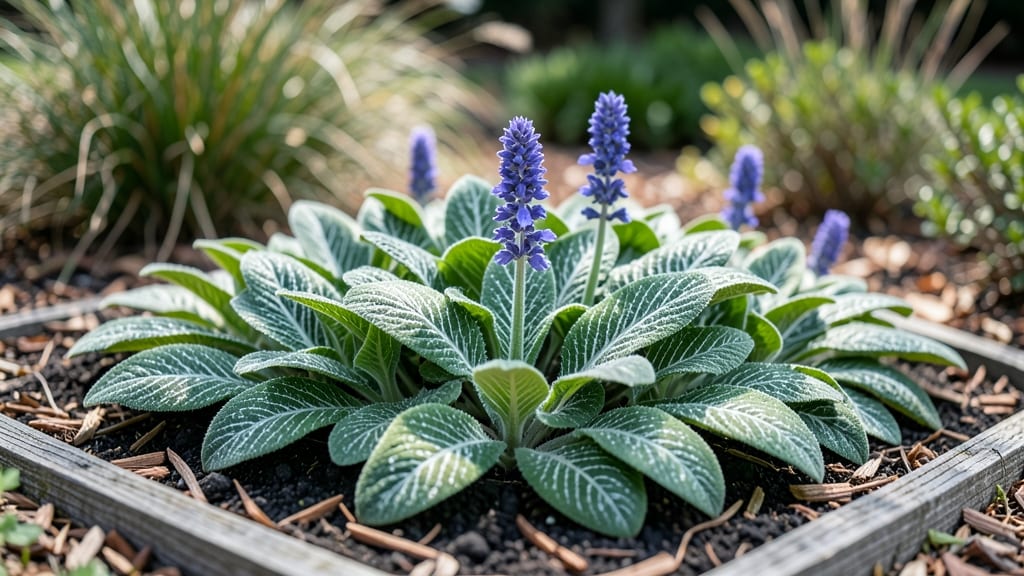
Creeping purple flowers turn your garden into a living masterpiece without the yearly cleanup battle. 💜 I’ve spent years trialing varieties that spill over edges, thrive in tough spots, and—here’s the kicker—keep blooming without deadheading.
The secret lies in choosing the right plants for your light and soil, then letting them do their thing.
Think ajuga’s deep purple spikes under oak trees, creeping phlox spilling over slopes, or purple thyme weaving between stepping stones. These plants handle shade, drought, and even foot traffic while delivering color from spring to frost. No shears required—just sit back and enjoy the show.
Your garden borders will look like they belong in a postcard, with zero effort. Purple pairs beautifully with silver foliage (think lamb’s ear or dusty miller) or bright yellow blooms (coreopsis or black-eyed Susans) for high-contrast drama.
Even better? They suppress weeds and protect soil, making them the ultimate low-maintenance stars.
Perfect for rock gardens, woodland edges, or cascading from containers. Let’s pick the right varieties for your space and create a purple paradise that stays pretty all season long.
📚 In This Guide
- What you need
- Instructions
- Tips and common mistakes
- Wrapping up and next steps
What you need
- ● Creeping purple flowers: Choose from varieties like Ajuga reptans (Bugleweed), Lamium maculatum (Spotted Dead Nettle), or Phlox subulata (Moss Phlox). Purchase 5-10 plants (or seeds if starting from scratch) from a local nursery or online retailer.
- ● Well-draining potting mix: 1-2 cubic yards (for in-ground planting) or 5-10 gallons (for containers). Opt for a blend with 30-40% compost for nutrient-rich soil.
- ● Mulch: 2-3 bags of organic mulch (e.g., shredded bark or pine straw) to retain moisture and suppress weeds.
- ● Garden trowel or spade: For planting and soil prep.
- ● Gloves: A pair of gardening gloves to protect your hands.
- ● Watering can or hose: With a gentle spray nozzle for even watering.
- ○ Pruners (optional): For trimming if you decide to shape plants later.
- ● Sunlight: Partial shade to full sun (6+ hours/day for most varieties). Check your garden’s light conditions!
- ● Water source: Easy access to water for the first 2-3 weeks after planting.
- ● Patience: Creeping flowers spread slowly—give them 1-2 seasons to fully establish.
Step-by-Step guide for planting and maintaining creeping purple flowers
Here's how to establish vibrant, low-maintenance ground cover that thrives all season long.
🌱 Step 1: Choose the Right Location and Soil Conditions
Creeping purple flowers thrive in partial shade to full sun (at least 4-6 hours of morning sun to prevent afternoon leaf scorch). I always test the spot by marking a 3-foot square—this gives plants room to spread naturally without crowding. The soil should drain well but retain moisture; if your yard has heavy clay, amend with 2 inches of compost mixed into the top 6 inches of soil.
Work the soil to a depth of 8-12 inches, breaking up any compacted layers. A simple scratch test tells you if it's ready: press your finger in—it should give slightly but not feel mushy. If it sticks to your hands, you need more organic matter. Here's the thing—these plants hate soggy roots, so if your area floods after rain, raise the bed slightly or plant on a mound.
🪴 Step 2: Prepare and Plant the Creeping Purple Flowers
Dig holes twice as wide as the root ball but only as deep as the container's base—planting too deep suffocates roots. Space plants 12-18 inches apart in rows 18 inches apart for optimal airflow. I use a garden trowel to loosen the edges of the root ball before placing it in the hole, then fill around it with the amended soil, pressing gently to eliminate air pockets.
Water immediately after planting to settle the soil and remove any air gaps. You'll know it's right when the surface looks slightly firm but still crumbly. A 1-gallon watering can per plant delivers just enough moisture without oversaturating. Mulch with 2 inches of shredded bark (keep it 2 inches away from stems) to conserve moisture and suppress weeds—this is the secret to zero deadheading.
☀️ Step 3: Establish Watering and Light Routines
Water deeply 2-3 times per week during the first 4-6 weeks to encourage strong root growth. You'll see progress when new shoots appear along the stems—this means the roots are spreading. After that, water only when the top 2 inches of soil feel dry to the touch. Overwatering is the #1 killer of creeping plants; they're tough but not swamp-loving.
If your plants start looking leggy (long stems with sparse leaves), they need more light. Move them to a sunnier spot or supplement with a reflective surface (like a white garden mirror) to bounce extra light onto the foliage. Real talk: these plants are forgiving, but they reward consistency. Once established, they'll spread 12-18 inches per year with minimal care—no deadheading required because the blooms stay vibrant all season.
✂️ Step 4: Maintain Through Seasons for Year-Round Color
In early spring, trim back any winter-damaged stems to 2 inches above the ground—this encourages fresh, bushy growth. Use clean, sharp pruners to make cuts at a 45-degree angle just above a leaf node. Avoid cutting into old wood, which won't regrow. I always do this after the last frost when new shoots are 1-2 inches tall.
Throughout the season, remove only spent flower stalks (if any appear)—most creeping purple varieties self-clean, meaning they drop old blooms naturally. The key to zero deadheading is choosing the right cultivar; look for types labeled "self-cleaning" or "prolonged bloom." In fall, cut back stems by one-third to tidy the plant and prevent disease buildup over winter.
Tips & tricks for perfect creeping purple flower plantings
Here's what nobody tells you about making these vibrant ground covers thrive with almost no effort.
Lighting Strategy: The 4-6 hours of morning sun mentioned in Step 1 is non-negotiable for preventing afternoon leaf scorch. I've learned this the hard way—afternoon sun turns those gorgeous purple leaves into crispy brown edges. If your yard only gets afternoon sun, plant these in partial shade instead. A simple trick: use a white garden mirror to reflect light onto shadier areas during the morning hours—it creates the perfect growing conditions without moving plants.
Soil Science: When amending heavy clay soil with 2 inches of compost, don't just mix it in superficially. Dig down to that 8-12 inch depth and thoroughly incorporate the compost throughout. The scratch test is your friend here—if your finger sinks in and leaves a clean impression, you're good. If it sticks to your hands, keep adding compost until it feels like a moist sponge rather than wet clay. This prevents that dreaded soggy root syndrome that kills these plants faster than anything else.
Planting Geometry: The 12-18 inch spacing in Step 2 isn't arbitrary—it's about creating a living carpet, not individual plants. Think of it like laying sod: you want the plants to touch and spread naturally after a season or two. Pro tip: use a string line and stakes to create perfect rows before planting. This ensures consistent spacing and makes future maintenance a breeze. I've seen gardeners skip this and end up with clumps that look more like weeds than intentional ground cover.
Watering Wisdom: That 2-3 times per week watering schedule during the first 4-6 weeks is crucial for root establishment, but don't just splash water randomly. Use the 1-gallon watering can per plant and aim for the base—not the leaves. The mulch layer acts like a moisture blanket, so water should penetrate through it to reach the roots. You'll know you're doing it right when you see new shoots appearing along the stems after about 3 weeks—that's your sign the roots are spreading exactly as they should.
Pro Tips for Creeping Purple Flowers
- Here's what nobody tells you about making these vibrant ground covers thrive with almost no effort.
- Lighting Strategy: The 4-6 hours of morning sun mentioned in Step 1 is non-negotiable for preventing afternoon leaf scorch.
- Soil Science: When amending heavy clay soil with 2 inches of compost, don't just mix it in superficially.
Frequently asked questions
Got questions about keeping your creeping purple flowers blooming beautifully? Here are some answers to the most common queries—so you can enjoy year-round color with minimal fuss!
How do I keep creeping purple flowers blooming all year?
These hardy plants thrive in partial shade to full sun and prefer well-draining soil. Mulch around the base to retain moisture, and fertilize lightly in spring with a balanced, slow-release formula. Avoid overwatering—they’re drought-tolerant once established!
When is the best time to plant creeping purple flowers?
Spring or early fall are ideal for planting. This gives roots time to establish before extreme heat or cold. If you’re in a mild climate, you can plant year-round—but avoid frost periods. Pro tip: Water deeply after planting to help roots settle!
What if my creeping purple flowers aren’t spreading?
Slow growth could mean poor soil or lack of sunlight. Amend the soil with compost and ensure they get at least 4–6 hours of sun daily. If they’re still sluggish, try dividing mature plants in spring to encourage new growth. Patience helps—some varieties spread slowly!
Are there low-maintenance alternatives to creeping purple flowers?
Yes! Consider ajuga (bugleweed) for similar ground cover with purple foliage, or heuchera (coral bells) for vibrant hues. Both are drought-tolerant and thrive in partial shade. For more flowers, try lamium—it’s equally easy and spreads beautifully!
How do I prevent pests from damaging my creeping purple flowers?
These plants are generally pest-resistant, but watch for slugs or aphids in damp conditions. Remove pests manually or use organic sprays like neem oil. Pro tip: Plant near marigolds to deter pests naturally!
Do creeping purple flowers survive winter?
Most varieties are perennial and cold-hardy (zones 4–9). In harsh winters, add a light mulch layer (2–3 inches) to protect roots. If leaves die back, don’t worry—they’ll bounce back in spring!
Wrapping up and next steps
Creeping purple flowers are a low-maintenance way to keep your garden vibrant without the fuss! Their resilience, year-round beauty, and minimal care requirements make them a dream for busy gardeners.
Whether you’re a beginner or a seasoned pro, these flowers prove that stunning blooms don’t need constant deadheading or high upkeep.
Ready to transform your space? Start small—plant a few in pots or along borders—and watch your garden thrive with effortless elegance! 🌸