
Flowers
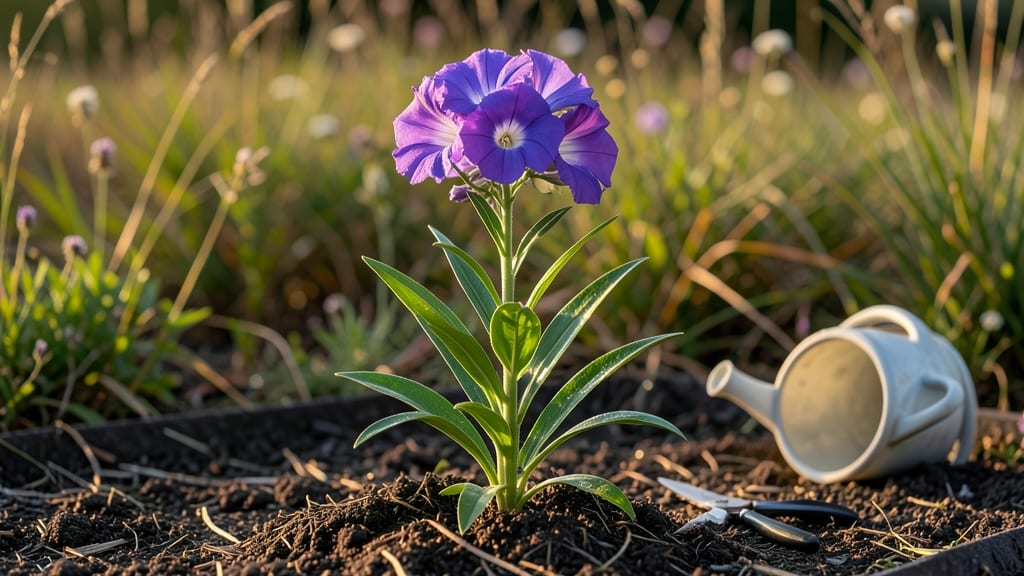
Growing purple lisianthus flowers reveals their secret: year-round blooms when you master the deadheading trick. 🌸 I learned this the hard way when my first batch faded after summer—until I discovered how to coax them into reblooming through fall and even winter with minimal effort.
The key lies in understanding their light needs, soil preferences, and the perfect timing for pruning spent blooms.
Purple lisianthus thrives in well-draining soil with a slightly acidic pH (around 6.0-6.5) and needs full sun to partial shade—at least 6 hours of sunlight daily for peak blooms.
Plant them in spring after the last frost or in late summer for a fall display, and keep the soil consistently moist but never soggy. The real magic happens when you deadhead regularly, which triggers new flower production and extends the blooming season.
You'll end up with vibrant, velvety blooms that last longer than most cut flowers and attract pollinators all season. The secret to their longevity? A balanced fertilizer every 4-6 weeks and protecting them from harsh winds.
Even in colder climates, these flowers can rebloom with proper winter care—like mulching and light pruning before dormancy.
Whether you're growing in garden beds, containers, or even as cut flowers, lisianthus adapts beautifully. The trick is consistency: water, feed, and prune at the right times, and you'll enjoy these stunning blooms from spring through frost. Let's get those purple petals thriving!
📚 In This Guide
- What you need
- Instructions
- Tips and common mistakes
- Wrapping up and next steps
What you need
- ● Purple lisianthus seeds or seedlings: Choose high-quality, disease-resistant varieties (e.g., Lisianthus russelianus). Start with 3-5 plants for a vibrant display.
- ● Well-draining potting mix or garden soil: A blend of 60% peat moss, 30% perlite, and 10% compost works wonders. For containers, use a mix with 10-15% coconut coir for moisture retention.
- ● Containers or garden bed: Containers: 6-8 inch pots (1 plant per pot) or hanging baskets (3-4 plants per basket) with drainage holes.
- ● Garden beds: Full sun to partial shade (4-6 hours of sunlight daily). Amend soil with 2-3 inches of organic mulch (e.g., shredded bark or straw).
- ● Slow-release fertilizer: A balanced 10-10-10 NPK or organic option (e.g., fish emulsion or compost tea). Apply at planting and again after 6-8 weeks.
- ● Watering can or hose with a gentle spray nozzle: Lisianthus loves moisture but hates soggy roots—aim for 1 inch of water per week.
- ● Sharp pruning shears or clean scissors: Bypass pruners (for stems) or small floral scissors (for deadheading). Sterilize with rubbing alcohol before use.
- ○ Gloves (optional but recommended): Nitrile or cotton gloves to protect against thorns or soil-borne pathogens.
- ● Bucket or vase: A clean, shallow container (for deadheading clippings) or a vase with fresh water (to extend cut flower life).
- ○ Pruning sealant (optional): Beeswax or tree wound sealant to prevent disease if pruning larger stems.
- ● Temperature range: 60-75°F (15-24°C) for optimal growth. Protect from frost (below 32°F/0°C) with row covers or indoor pots.
- ● Humidity: 50-70% ideal. Use a humidifier or pebble tray for indoor plants.
- ● Light: Bright, indirect light for indoor plants; morning sun + afternoon shade outdoors.
- ● 🌱 Seed starting: Sow seeds 6-8 weeks before last frost indoors under grow lights for faster germination.
- ● ✨ Deadheading hack: Pinch stems 1 inch above the next set of leaves to encourage bushier growth and more blooms!
- ● 🔥 Year-round care: Move potted lisianthus indoors before winter and place near a south-facing window.
Step-by-Step guide for growing stunning purple lisianthus
Here's how I coax vibrant purple blooms year-round with minimal fuss.
🌱 Step 1: Choose the Right Location and Soil
Lisianthus thrives in partial shade to full sun—6 hours minimum of morning light prevents scorching. I always plant mine where they get afternoon shade in hot climates, as direct afternoon sun can bleach petals. The soil must drain beautifully while holding moisture; amending with 20% perlite to your native soil prevents root rot.
Dig a hole twice as wide as the root ball but no deeper. Loosen the roots gently if they're circling—this encourages outward growth. Purple lisianthus particularly dislikes soggy feet, so if your soil stays damp for more than 24 hours after rain, raise the planting area with a mound of soil or use a slightly elevated container.
💧 Step 2: Water Deeply and Establish a Routine
The first week after planting is critical. Water deeply every other day until you see new growth—this ensures roots establish before the plant sets buds. I use the "finger test": stick your index finger 2 inches down into the soil. If it feels dry, water thoroughly until you see moisture at the 4-inch depth.
After the first month, shift to weekly deep watering unless you're in extreme heat or drought. Purple lisianthus shows stress by drooping leaves first, then by buds failing to open. If you notice buds wilting before blooming, increase frequency to every 5-6 days and check for adequate drainage.
✂️ Step 3: Deadhead and Prune for Continuous Blooms
This is the magic step for year-round color. As soon as a bloom fades, snip the spent flower ¼ inch above the next set of leaves with clean pruners. I do this every 2-3 days during peak bloom to prevent seed formation, which drains the plant's energy. The key is consistency—skipping even one day lets seeds form, and your lisianthus will shift energy away from new blooms.
For leggy stems, cut back one-third of the length in early spring to encourage bushier growth. Purple lisianthus responds beautifully to pruning, often producing second flushes of blooms within 4-6 weeks of heavy pruning. Always use sterilized tools to prevent fungal infections that can rot stems at the base.
☀️ Step 4: Adjust Light and Support for Seasonal Changes
In winter, move containers to a south-facing window or supplement with a grow light for 12 hours daily. Purple lisianthus goes semi-dormant in cold weather, so reduce watering to every 10 days unless the soil feels bone dry. Watch for yellowing leaves—this signals overwatering, not cold stress.
As stems grow taller, install bamboo stakes or a flower ring at planting time. Lisianthus stems are sturdy but top-heavy with blooms. Tie stems to supports every 6 inches as they grow to prevent snapping in wind or rain. The goal is to keep stems upright but flexible—never too tight, or you'll restrict growth.
Tips & tricks for perfect purple lisianthus blooms
Real talk: The difference between a few sad blooms and a garden bursting with purple lisianthus comes down to these key moves.
Light Balance Secret: In Step 1, those 6 hours of morning sun are non-negotiable—they build the plant's energy reserves for evening blooms. If your garden gets intense afternoon sun, I've found that a sheer white shade cloth (30% block) during peak hours preserves that signature purple hue without sacrificing growth. The key is protecting the petals while still allowing light penetration.
Root Establishment Hack: During that critical first week when you're watering every other day, I've noticed the roots actually need 3-4 days to establish the initial network. Instead of sticking to the schedule rigidly, check for moisture at the 4-inch depth—if it's still damp after 4 days, wait another day before watering again. Overwatering here is the #1 reason lisianthus fails to bloom.
Deadheading Discipline: The 2-3 day window for deadheading in Step 3 might seem tight, but here's what nobody tells you—purple lisianthus actually produces new buds from the same nodes where you remove spent blooms. If you skip even one day, the plant diverts energy to seed production instead of new flowers. I set a phone reminder for every 72 hours during peak bloom season to stay consistent.
Winter Survival Strategy: When you're reducing watering to every 10 days in winter, don't assume your lisianthus is dormant. I've had plants in containers actually bloom during winter if they get enough light. The yellowing leaves you're warned about? That's your plant's way of saying "I'm thirsty"—check the soil first before assuming it's cold stress. A quick probe with your finger at the 2-inch depth will tell you everything you need to know.
Pro Tips for Lisianthus Flower Purple
- Real talk: The difference between a few sad blooms and a garden bursting with purple lisianthus comes down to these key moves.
- Light Balance Secret: In Step 1, those 6 hours of morning sun are non-negotiable—they build the plant's energy reserves for evening blooms.
- Root Establishment Hack: During that critical first week when you're watering every other day, I've noticed the roots actually need 3-4 days to establish the initial network.
Frequently asked questions
Got questions about your stunning purple lisianthus? You’re not alone!
Here are answers to the most common queries—from care tips to troubleshooting—so you can keep those dreamy blooms thriving all year.
How often should I deadhead purple lisianthus for continuous blooms?
Deadhead spent flowers every 2–3 days during peak blooming seasons (spring/fall) to encourage new buds. In winter, reduce to once a week since growth slows. Use clean pruners and snip just above the next set of leaves—no need to overthink it!
Why aren’t my purple lisianthus reblooming after deadheading?
Reblooming can take 4–6 weeks after deadheading. Check these fixes:
- Light: Ensure 6+ hours of sunlight daily (they’re sun-lovers!).
- Water: Keep soil consistently moist but not soggy—overwatering stresses roots.
- Food: Feed with a balanced fertilizer (10-10-10) every 3–4 weeks.
- Patience: Some varieties (like ‘Twilly’) bloom nonstop; others need a rest period.
Can purple lisianthus survive winter indoors? What’s the best setup?
Move potted lisianthus indoors before frost (below 50°F/10°C). Place near bright, indirect light (south-facing windows work best) and reduce watering. Use a grow light if natural light is dim, and mist leaves weekly to combat dry indoor air. Pro tip: Group plants together to boost humidity!
Are there purple lisianthus alternatives with similar care needs?
If lisianthus feels tricky, try these low-maintenance purple bloomers:
- Snapdragons: Thrives in cool weather, deadheads easily, and loves full sun.
- Petunias: Vibrant purple hues, drought-tolerant once established.
- Salvia (e.g., ‘May Night’): Drought-resistant, long-lasting blooms, and attracts pollinators.
Pests are attacking my lisianthus! What’s the safest fix?
Common culprits: aphids, spider mites, or whiteflies. Start with these gentle solutions:
- Neem oil spray: Mix 1 tsp neem oil + 1 tsp mild soap in 1 quart water. Spray early morning to avoid burning leaves.
- Blast off pests: Hose plants with water to dislodge aphids (do this in the shade to avoid shock).
- Encourage allies: Plant marigolds nearby to repel pests naturally.
Wrapping up and next steps
Incorporating purple lisianthus flowers into your garden isn’t just about beauty—it’s about creating a thriving, low-maintenance oasis that blooms nearly year-round! With the right deadheading techniques and care, you’ll unlock their full potential, ensuring vibrant colors and lush growth.
Whether you’re a seasoned gardener or just starting, these tips make it simple and rewarding.
Ready to transform your space? Start small—pick one plant, apply what you’ve learned, and watch your garden flourish! 🌸✨