
Flowers
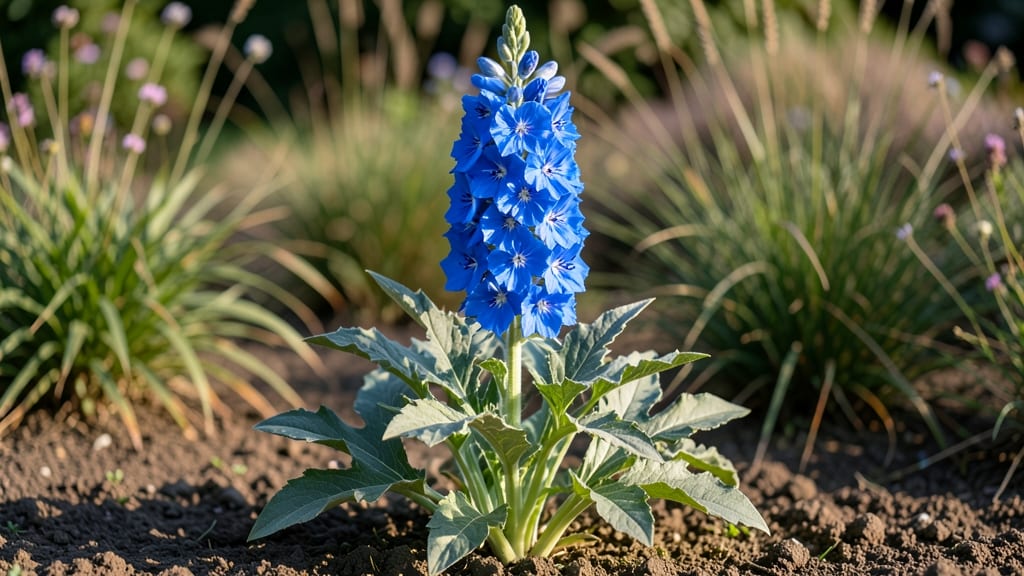
Nothing steals the show like electric blue flowers cascading from containers—those jewel-toned blooms that make pollinators buzz with excitement. 🌿 I still remember the first time I spotted a lobelia spilling over a terracotta pot, its cobalt petals drawing in hummingbirds like a magnet.
That moment changed how I designed my patio: suddenly, every container needed at least one splash of that electrifying blue.
The magic happens when you pair these bold blooms with the right neighbors. Creamy white alyssum or silvery foliage from dusty miller makes the blue pop, while deep purple salvia creates a striking contrast that feels intentional.
And here's the best part: these flowers don't just look stunning—they work all season long, with some varieties blooming from spring through fall.
Imagine your containers becoming the talk of the neighborhood, filled with butterflies and bees while you sip morning coffee. The electric blue becomes the star, but the supporting cast of textures and complementary colors keeps the show running smoothly.
You'll get more visits from pollinators than you can count, and your containers will look like they belong in a high-end garden center.
Whether you're working with small window boxes or large patio planters, these vibrant blooms adapt beautifully. The key is starting with healthy plants and giving them the right light—most electric blue flowers thrive in full sun to partial shade.
Let's make your containers the envy of the block with this show-stopping color scheme!
📚 In This Guide
- What you need
- Instructions
- Tips and common mistakes
- Wrapping up and next steps
What you need
- ● Electric Blue Flowers: 1–3 Delosperma 'Electric Blue' plants (succulent-like, drought-tolerant perennials)
- ● OR 1–2 Agapanthus 'Blue Ensign' (hardy, clumping perennials with striking blooms)
- ● Container: 1–2 pots (12–18 inches in diameter) with drainage holes. Terracotta or fiberglass works best for airflow.
- ● Potting Soil: 1–2 bags of well-draining cactus/succulent mix (or regular potting soil amended with perlite or sand for drainage).
- ● Gravel or Pebbles: Small stones (½ cup) for the bottom layer of the pot (promotes drainage).
- ○ Gloves (optional but recommended for handling soil or prickly succulents).
- ● Trowel or Small Shovel for planting.
- ● Watering Can or Spray Bottle (succulents prefer infrequent, deep watering).
- ● Slow-Release Fertilizer (e.g., Osmocote or fish emulsion) for nourishment.
- ● Sunlight Spot: A location with full sun (6+ hours/day) for optimal blooming.
- ● Mulch (e.g., gravel or decorative stones) to retain moisture and enhance aesthetics.
- ● Plant Stakes or Supports (if your Agapanthus grows tall and floppy).
- ● Hummingbird Feeder (to attract pollinators and make your garden even more lively!).
How to create a stunning electric blue container garden
Here's my foolproof approach to crafting containers that burst with electric blue blooms and buzz with pollinator activity.
🌱 Step 1: Select the Right Blue-Blooming Varieties
Start with plants that naturally produce electric blue flowers—avoid purple or violet hues that can appear blue in certain light. My top choices include Delphiniums ('Pacific Giant' series), Lobelia ('Crystal Palace'), Agapanthus ('Blue Ensign'), and Salvia ('May Night'). These varieties consistently produce true electric blue blooms when given proper care.
For container gardening, focus on compact varieties. Delphiniums can get top-heavy, so choose dwarf types like 'Blue Bird' or 'Blue Butterfly'. Lobelia's trailing habit creates beautiful cascades, while Agapanthus adds architectural interest. Mix 2-3 varieties per container to create visual depth and extended bloom times.
Here's the thing—some "blue" flowers are actually purple with a blue tint. To ensure true electric blue, verify the plant's color designation on the tag or seed packet. The goal is that vibrant, almost neon-blue hue that makes pollinators go wild.
☀️ Step 2: Position Containers for Optimal Light Exposure
Electric blue flowers need 6-8 hours of direct sunlight daily to maintain their vibrant color intensity. Place containers in locations that receive morning sun with afternoon shade if your climate runs hot, or full sun exposure if you're in a cooler region. South-facing patios or balconies work beautifully for most blue-blooming varieties.
Watch how the light shifts throughout the day. If you notice leaves wilting or flowers fading by mid-afternoon, consider moving containers to a spot with filtered afternoon light. The color of electric blue flowers actually darkens slightly in cooler temperatures, so morning sun helps maintain that bright, vibrant appearance.
Don't underestimate the power of reflective surfaces. Placing containers near light-colored walls or white railings can intensify the blue hues by reflecting additional light onto the flowers. This simple trick makes the electric blue color appear even more striking from a distance.
💧 Step 3: Master the Watering Technique for Vibrant Blooms
Blue flowers need consistent moisture to maintain their electric color intensity. Water containers when the top inch of soil feels dry to the touch, typically every 2-3 days depending on your climate. The key is to keep the soil evenly moist but never soggy—waterlogged roots cause leaves to yellow and flowers to fade.
Water deeply until you see moisture emerge from the drainage holes. This ensures roots develop properly throughout the container volume. For larger containers, you might need to water twice daily during hot weather to maintain that vibrant blue color. The secret to electric blue flowers is consistent moisture without waterlogging.
Real talk: I've seen many beautiful blue containers fail because of inconsistent watering. The flowers might look stunning at first, but within a week, they'll start losing their vibrant hue. Use a moisture meter if possible, or simply stick your finger in the soil to check moisture levels before watering.
🪴 Step 4: Fertilize for Maximum Color Intensity
Use a balanced liquid fertilizer (10-10-10 or 20-20-20) every 2-3 weeks during the growing season to maintain that electric blue color. Blue flowers respond particularly well to phosphorus, which enhances bloom production and color vibrancy. Look for fertilizers with slightly higher phosphorus content if possible.
Apply fertilizer after watering to prevent root burn. I like to use a water-soluble fertilizer mixed at half-strength for container plants. The roots in containers are more concentrated and sensitive to salt buildup from fertilizers, so always rinse the soil occasionally to prevent salt accumulation.
Here's where it gets fun—watch how the color intensifies after each feeding. The electric blue hue becomes more vibrant and saturated with proper fertilization. If you notice leaves developing brown tips, you're over-fertilizing. Always follow package instructions and adjust based on your plants' response.
✂️ Step 5: Deadhead and Prune for Continuous Blooms
Regular deadheading is crucial for maintaining that electric blue color and encouraging continuous flowering. Remove spent blooms by pinching them off just above the next set of leaves. This redirects the plant's energy from seed production to creating new flowers. For delphiniums, I cut back the entire flower spike after it finishes blooming to encourage a second flush of flowers.
Prune leggy growth back by one-third to maintain compact shape and encourage bushier growth. This is especially important for container-grown plants where space is limited. The goal is to keep the plant's energy focused on producing more of those electric blue flowers rather than excessive foliage.
Don't skip this step—I've seen many beautiful blue containers lose their vibrancy because the plants put all their energy into seed production instead of continuous blooming. Regular deadheading and pruning keeps your electric blue container garden looking fresh and vibrant all season long.
Tips & tricks for stunning electric blue container gardens
Creating containers that pop with vibrant blue blooms takes a few key insights beyond the basics.
Selection Tip: When choosing blue varieties, prioritize plants labeled "electric blue" or "true blue" rather than "blue-violet" or "blue-purple." The difference lies in the flower's anthocyanin content—true electric blue flowers contain higher levels of these pigments that reflect the brightest wavelengths. For example, 'Blue Ensign' Agapanthus consistently delivers that neon-blue intensity, while many delphiniums labeled "blue" actually skew toward indigo.
Light Strategy: The 6-8 hours of direct sunlight mentioned is non-negotiable for maintaining that vibrant hue, but here's the thing: morning sun actually preserves the brightest color. Blue pigments darken slightly in afternoon heat, so position containers to catch those cool morning rays first. If you're in a hot climate, use sheer white shade cloth during peak afternoon hours to protect without filtering out all light.
Watering Hack: For containers with multiple blue varieties, I've found that watering from the bottom (by placing containers in saucers of water for 10-15 minutes) creates more even moisture distribution than top-watering. This prevents the top layers from drying too quickly while keeping roots consistently hydrated—critical for maintaining that electric blue intensity. Just remember to empty saucers after 15 minutes to prevent root rot.
Fertilizer Timing: The 2-3 week feeding schedule works well, but here's what nobody tells you—blue flowers respond best to fertilizer applied in the early morning. This gives plants time to metabolize the nutrients before the heat of the day. I also recommend alternating between your balanced fertilizer and a phosphorus-heavy formula (like 5-10-10) every other feeding to really intensify that blue color.
Pro Tips for Electric Blue Flowers
- Creating containers that pop with vibrant blue blooms takes a few key insights beyond the basics.
- Selection Tip: When choosing blue varieties, prioritize plants labeled "electric blue" or "true blue" rather than "blue-violet" or "blue-purple."
- Light Strategy: The 6-8 hours of direct sunlight mentioned is non-negotiable for maintaining that vibrant hue, but here's the thing: morning sun actually preserves the brightest color.
Frequently asked questions
Got questions about growing electric blue flowers? You’re not alone! Here are some of the most common queries—plus quick, actionable answers to help you cultivate a showstopping container garden.
What’s the easiest way to grow electric blue flowers in containers?
Start with Delphinium or Lobelia varieties, which thrive in containers. Use well-draining soil, a pot with drainage holes, and place them in partial shade. Water consistently (but avoid soggy roots) and fertilize lightly every 4–6 weeks. Pro tip: Deadhead spent blooms to encourage more vibrant flowers!
How long does it take for electric blue flowers to bloom?
Most varieties bloom within 8–12 weeks from seed, but potted starts may flower faster (4–6 weeks). Lobelia often blooms in as little as 6 weeks, while Delphinium can take longer. For instant color, opt for nursery-grown plants labeled "early bloomer."
Can I grow electric blue flowers indoors?
Some varieties like Lobelia or Petunia (with blue hues) adapt well to bright indoor spaces near south-facing windows. Use grow lights for 12–14 hours/day if natural light is limited. Containers should be at least 6 inches deep with drainage. Watch out: Overwatering is a common indoor killer!
What are some alternatives to true electric blue flowers?
True electric blue is rare, but these stunning near-matches will wow pollinators:
- Blue Salvia (vibrant, drought-tolerant)
- Blue Fescue Grass (ornamental, textural contrast)
- Blue Daze Petunia (compact, container-friendly)
- Agapanthus (arching spikes, loves heat)
Why aren’t my electric blue flowers attracting bees or butterflies?
Pollinators love bright colors + nectar! Ensure your flowers are healthy (no pesticides!) and bloom consistently. Add bee-friendly companions like marigolds or lavender nearby. Check for:
- Over-fertilizing (can reduce nectar)
- Shady spots (move pots to sunnier areas)
- Drought stress (wilting flowers = less appeal)
Wrapping up and next steps
Electric blue flowers aren’t just a stunning addition to your garden—they’re a powerhouse for pollinators and container gardening! From Lobelia to Delphinium, these vibrant blooms attract bees, butterflies, and hummingbirds while adding a bold pop of color to small spaces.
Whether you’re a beginner or a seasoned gardener, their versatility makes them a must-try.
Ready to transform your balcony or patio? Start small—pick one or two blue beauties, grab your containers, and let nature do the rest! Your pollinator friends will thank you. 🌸🐝