
Flowers
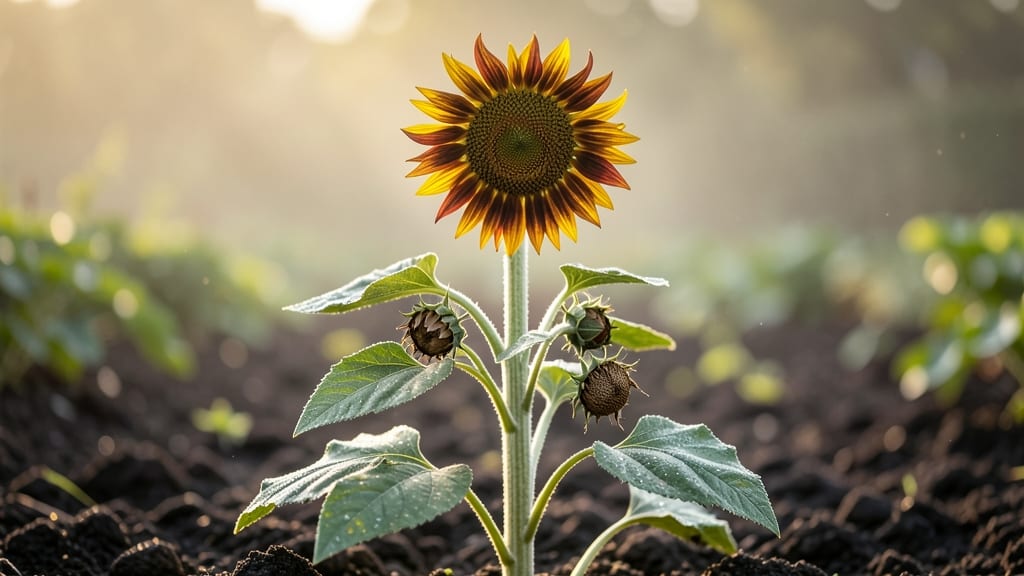
Don’t let the garden go dormant just yet—these end of summer flowers can steal the show in September with the right care. ✨ The secret to keeping them blooming until frost lies in understanding which late-season stars thrive in September’s warmth and how to coax them into extra performance.
My dahlias and asters still put on a show every year, and I’ll show you exactly how to make that happen in your garden too.
The trick isn’t complicated—it’s about timing, water, and a little strategic pruning. Focus on varieties like dahlias, marigolds, and chrysanthemums, which handle cooler nights better than most.
Cut back leggy growth in early August to encourage bushier, more compact plants, and deadhead spent blooms religiously to keep fresh flowers coming. A weekly deep watering (1-2 inches) keeps roots happy without drowning them.
By mid-September, you’ll have vibrant clusters of color that transition seamlessly into autumn. Imagine jewel-toned dahlias glowing against golden foliage or asters blooming in soft purples and whites as the air turns crisp.
The best part? These flowers attract pollinators right up until the first frost, giving your garden a second wind when everything else seems to slow down.
Works for containers, borders, or cutting gardens—just adjust watering based on your setup. Let’s keep those blooms going until the very end of the season.
📚 In This Guide
- What you need
- Instructions
- Tips and common mistakes
- Wrapping up and next steps
What you need
- ● Pruning shears or sharp scissors – Clean, sharp tools to trim dead blooms and stems (1 pair).
- ● Balanced, water-soluble fertilizer – Look for a 10-10-10 or 20-20-20 NPK ratio (1–2 lbs or as directed on packaging).
- ○ Slow-release granular fertilizer (optional but helpful) – For a steady nutrient boost (e.g., Osmocote, 5–10 lbs for garden beds).
- ● Mulch (organic or inorganic) – Retains moisture and regulates soil temp (2–3 inches; options: straw, wood chips, or shredded bark).
- ● Watering can or hose with a gentle spray nozzle – Deep watering is key (1–2 gallons per plant, depending on size).
- ○ pH testing kit (optional but recommended) – Ensures soil is in the ideal range (6.0–7.0 for most flowers).
- ● Garden gloves – Protects hands from thorns or soil (1 pair).
- ● Hand trowel – For loosening soil around roots (1 small trowel).
- ● Epsom salt – Boosts magnesium for struggling plants (1–2 tbsp per gallon of water).
- ● Compost or worm castings – Natural soil amendment for nutrients (1–2 cups per plant).
- ● Shade cloth or lightweight row cover – Protects from late-season heat or frost (if needed).
How to keep late-season flowers thriving through fall
Here's the simple method I've used for years to keep garden beds vibrant until frost.
🌿 Step 1: Deadhead Regularly for Extended Blooms
Snip off spent blooms immediately after they fade—this redirects the plant's energy toward producing new flowers instead of seeds. Use clean, sharp pruners and cut just above a set of healthy leaves or buds. I like to do this in the early morning when flowers are still crisp, which gives them the whole day to recover.
Watch for buds forming along the stems—these are your plant's promise of more blooms. If you see yellowing leaves on the same stem as a spent bloom, trim that branch entirely. This prevents disease from spreading while keeping the plant focused on flowering rather than repairing damaged foliage.
☀️ Step 2: Adjust Watering for Fall Conditions
Reduce watering frequency as temperatures drop, but keep the soil consistently moist to 1 inch deep. Your fingers are the best tool here—stick them into the soil near the base of the plant. If it feels dry at that depth, water thoroughly. Mornings are ideal for watering because it prevents fungal issues that thrive in evening dampness.
Real talk: Overwatering is the #1 killer of late-season flowers. If your area gets frequent fall rains, let the soil dry slightly between showers. You'll know you've got it right when leaves stay perky but not soggy, and the soil smells fresh—not musty.
🪴 Step 3: Provide Light Protection from Wind
Fall winds can stress delicate stems and cause flowers to snap off. I wrap tender plants with 1-inch wide mesh fabric (like frost cloth) during windy periods, leaving the top open so they still get light. For smaller plants, a stake or tomato cage works just as well—just tie the stems loosely to support them without restricting growth.
Check your plants after strong winds. If you see stems leaning or flowers drooping permanently, it's time to reinforce them. The goal is to keep the plant's energy focused on blooming, not on repairing wind damage. A little support now means more flowers later.
✂️ Step 4: Fertilize Strategically for Late Blooms
Switch to a low-nitrogen, high-phosphorus fertilizer (like 5-10-10) to encourage flowering instead of leafy growth. Apply it lightly—just a sprinkle around the base—and water it in well. Too much fertilizer now can cause tender new growth that won't survive the first frost.
I like to fertilize on a weekly schedule but cut it off completely 4-6 weeks before the first expected frost. This gives the plant time to harden off naturally. You'll see the difference in just a few days—more buds forming and existing blooms lasting longer.
Tips & tricks for perfect late-season flower care
Here's what nobody tells you about keeping your garden vibrant until the first frost.
Timing Secret: In Step 1, when deadheading, focus on removing only the spent blooms—not the entire flower head. The plant's energy comes from the leaves, not the flowers themselves. I've seen gardeners accidentally trim too much foliage, which weakens the plant. Leave at least 2-3 sets of healthy leaves below each cut to keep photosynthesis working efficiently.
Soil Check Strategy: For Step 2's watering guidance, I've learned the hard way that 1 inch deep moisture isn't enough for all plants. For heavy bloomers like dahlias or cannas, check down to 2 inches—these thirsty beauties need deeper hydration. Use a screwdriver to test: if it slides in easily, you're good; if it meets resistance, water more. The soil should feel like a damp sponge, not a soggy rag.
Wind Protection Hacks: When reinforcing plants in Step 3, don't just tie stems to stakes—create a cradle. Bend the stake slightly and wrap stems loosely with soft fabric or even old tights. This prevents stem damage while allowing flexibility. I've had plants snap completely when tied too tightly, even with gentle winds. For large plants, consider using bamboo stakes instead of metal—they're gentler on stems.
Fertilizer Timing: The weekly feeding schedule in Step 4 works wonders, but timing matters. Apply fertilizer in the morning so roots have all day to absorb nutrients before evening dampness sets in. I've noticed plants fertilized in the afternoon often develop fungal issues from the moisture sitting on leaves overnight. Also, always water fertilizer in—never apply it to dry soil.
Pro Tips for End Of Summer Flowers
- Here's what nobody tells you about keeping your garden vibrant until the first frost.
- Timing Secret: In Step 1, when deadheading, focus on removing only the spent blooms—not the entire flower head.
- Soil Check Strategy: For Step 2's watering guidance, I've learned the hard way that 1 inch deep moisture isn't enough for all plants.
Frequently asked questions
What are the best late-summer flowers to keep blooming?
Focus on heat-tolerant varieties like Zinnias, Cosmos, Marigolds, and Lantana. These thrive in warm weather and often reward you with vibrant blooms until frost. Deadheading spent flowers encourages more growth—just snip off faded blooms with clean pruners!
How do I know when it’s too late to save my end-of-summer flowers?
If flowers stop blooming, leaves yellow excessively, or stems wilt despite watering, it’s likely time to say goodbye. Mums and Asters may linger into fall, but most annuals fade by early September. Harvest seeds from healthy plants to grow next year!
Should I water end-of-summer flowers differently?
Yes! Water deeply in the morning to reduce evaporation and fungal risks. Avoid overhead sprinkling, which can damage blooms. Mulch around the base to retain moisture—this helps roots stay hydrated as temperatures drop. Pro tip: Drip irrigation is ideal for consistency!
Can I still plant flowers in late summer for fall color?
Opt for fast-growing annuals like Pansies, Sweet Alyssum, or Snapdragons, which bloom quickly. Perennials like Black-Eyed Susans or Goldenrod also thrive when planted in late August. Just ensure they have time to establish roots before cooler weather arrives.
What’s the easiest way to revive wilting end-of-summer flowers?
Trim damaged leaves, water thoroughly at the soil level, and move potted plants to partial shade if possible. A diluted seaweed fertilizer can boost recovery. If roots are mushy, the plant may be beyond saving—but don’t toss it! Repurpose stems for bouquets or compost the rest.
Wrapping up and next steps
As summer fades, your garden doesn’t have to! With a few simple tricks—like deadheading, fertilizing, and protecting from pests—you can keep your end-of-summer flowers thriving and vibrant.
These late-season hacks aren’t just about beauty; they’re about giving your blooms a second wind so they can shine until the first frost. 🌸
Now that you’re armed with the know-how, take action this weekend! Grab your gardening tools, spend a little time in the dirt, and watch your garden put on a final, dazzling show. Happy gardening—your flowers will thank you! 🌿