
Flowers
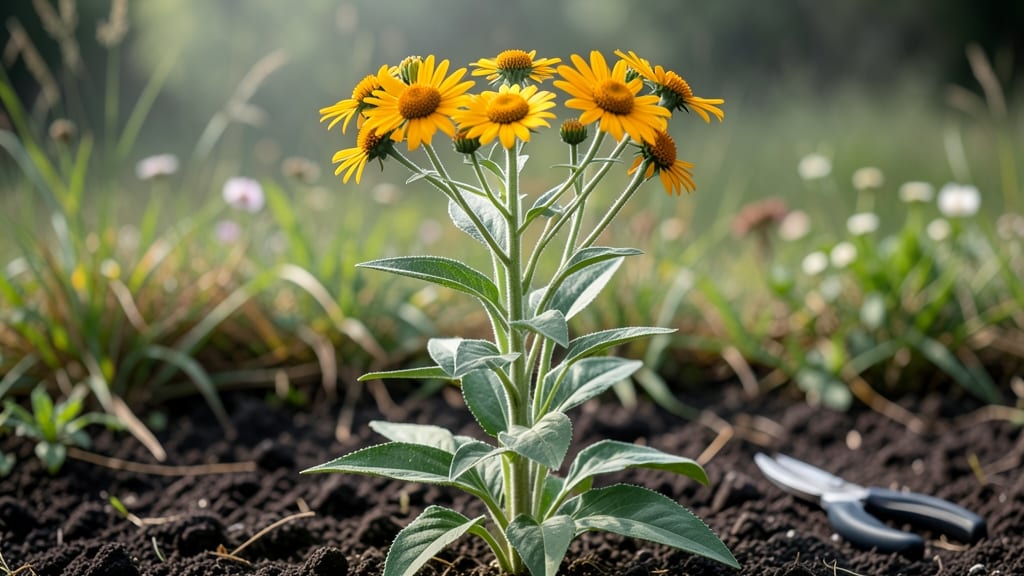
The Endless Summer flower keeps blooming like it’s defying the calendar—because it practically is. 🌸 I’ve grown these for years, and the secret to their nonstop show isn’t magic, but a few simple trims that reset their energy.
What makes them special? They bloom from spring until frost, then—with the right care—can even push through mild winters.
You’ll need well-draining soil, 6+ hours of sunlight daily, and a watering routine that keeps roots moist but never soggy. The real game-changer? Pruning spent blooms every 2-3 weeks—this tricks the plant into producing fresh flowers instead of wasting energy on seeds.
A light fertilizer boost every 4-6 weeks keeps them thriving without overpowering their natural rhythm.
By summer’s end, you’ll have a plant covered in vibrant blooms, humming with bees and butterflies. The flowers stay fresh longer when you deadhead in the morning (before humidity sets in), and the stems make gorgeous cut arrangements that last 10+ days in a vase.
Even in my zone 7 garden, they’ve rebloomed in December with just a little winter protection.
Works in containers or garden beds, and they’re tough enough to handle occasional neglect—just don’t let them dry out completely. The 3 simple trims I’ll show you are all you need to keep them flowering like clockwork. Let’s get started!
📚 In This Guide
- What you need
- Instructions
- Tips and common mistakes
- Wrapping up and next steps
What you need
- ● Endless Summer Hydrangea (Hydrangea macrophylla 'Endless Summer') – 1 mature plant (3-5 gallons in size) or 3-5 young plants (1-gallon pots) for faster results.
- ● Well-draining potting mix or garden soil – 5-10 gallons, amended with compost or peat moss (20-30% by volume) for moisture retention.
- ● Slow-release fertilizer – 10-10-10 or 14-14-14 blend (1 lb per 10 sq ft of planting area).
- ● Mulch (pine bark, shredded leaves, or straw) – 2-3 inches thick to conserve moisture and regulate soil temperature.
- ● Pruning shears or bypass pruners – Sharp, clean tools (sterilize with rubbing alcohol between cuts).
- ● Gloves – Heavy-duty gardening gloves to protect from thorns and sap.
- ● Watering can or hose with a gentle spray nozzle – For deep, consistent hydration.
- ● Hand trowel – For digging and amending soil around roots.
- ○ Staking system (optional) – 3-4 bamboo stakes + soft ties if your hydrangea grows tall in your climate.
- ○ pH test kit (optional) – To monitor soil acidity (ideal range: 5.2–6.0 for blue blooms; 6.0+ for pink).
- ○ Aluminum sulfate or lime (optional) – For adjusting pH if needed (follow package instructions).
- ○ Floral preservative (optional) – If cutting blooms for indoor arrangements (e.g., Floralife or white vinegar + sugar solution).
- ○ Garden journal (optional) – To track trims, fertilizer dates, and bloom cycles!
Step-by-step instructions for year-round blooms with 3 simple trims
Here's the method I've used to keep my Endless Summer hydrangeas flowering nonstop—no fuss, just consistent results.
🌿 Step 1: Identify and Prepare for the First Trim
Start by selecting three healthy stems from your Endless Summer hydrangea that have already bloomed. These will serve as your reference points for future cuts. Look for stems with fully open blooms—this indicates they've completed their first flowering cycle and are ready for pruning.
The key here is timing. Wait until late summer or early fall (around September 1) when new flower buds begin forming at the stem tips. You'll notice small, green buds forming where the old blooms were. This is your cue that the plant is preparing for its second flush of flowers.
Gather your sharp pruning shears and clean them with rubbing alcohol to prevent disease transmission. I always sterilize my tools before each cut—it's a small habit that prevents big problems later.
✂️ Step 2: First Trim - Cut Back to the First Set of Leaves
Make your first cut just above the first set of healthy leaves below the blooms you've selected. This encourages the plant to produce new growth from that node. Angle your cut slightly downward to prevent water from pooling on the stem, which can cause rot.
Real talk: If you see any dead or diseased wood, cut it out completely—don't hesitate. Healthy growth starts with removing what's already compromised. You'll know you're doing it right when you see fresh, green stems emerging within 2-3 weeks after the trim.
After cutting, step back and admire your work. The plant should look balanced, with multiple stems showing potential for new growth. This is where the magic happens—the first trim sets up the entire cycle for year-round blooms.
🌱 Step 3: Second Trim - Encourage Mid-Season Renewal
Your second trim comes 6-8 weeks later, around November. By now, you should see new growth emerging from the cuts you made earlier. Look for stems that have grown 4-6 inches with several sets of leaves—these are ready for their second pruning.
This time, cut back each selected stem to just above the second set of leaves from the top. The goal is to stimulate another round of flowering while maintaining the plant's overall shape. You'll notice the plant starts looking bushier and fuller after this trim—this is exactly what we want.
Here's the thing—don't trim more than one-third of the plant's total growth in any single session. Over-pruning stresses the hydrangea and can reduce its ability to produce flowers. Think of each trim as a conversation with the plant, encouraging it to bloom while maintaining its health.
⏰ Step 4: Final Trim - Prepare for Winter and Next Season
The final trim happens in early spring, just as new growth begins to appear (around March). This is your chance to clean up any dead wood from winter and shape the plant for the coming season. Look for stems that are completely brown and brittle—these should be removed at the base.
For the remaining stems, cut back to just above a set of healthy buds. You'll see these as small, plump nodes along the stems. This encourages the plant to produce new growth from those points, setting up another cycle of blooms. After this trim, your Endless Summer should look like a fresh, green machine ready for another year of flowering.
Water deeply after this final trim to help the plant recover from the pruning. You'll see new shoots emerging within 2-3 weeks, and by summer, your hydrangea will be covered in blooms again. It's a simple cycle, but it works beautifully when done consistently.
Tips & tricks for perfect year-round hydrangea blooms
These simple yet game-changing strategies will help you maintain vibrant Endless Summer hydrangeas all year long.
Timing is Everything: The September 1st first trim is non-negotiable for Endless Summer varieties. This timing aligns perfectly with when the plant naturally begins forming its second flush of buds. I've found that trimming too early (before buds appear) removes potential blooms, while waiting too late can stress the plant before winter. Mark your calendar now—this single detail makes all the difference in your year-round success.
Tool Technique: Sterilizing your pruning shears with rubbing alcohol between cuts isn't just good practice—it's essential. I learned this the hard way when a fungal infection spread through my hydrangeas after using the same shears on multiple plants. For the three-stem method, clean your tools before starting and between each stem. The alcohol evaporates quickly, leaving no residue that could harm your plants.
Visual Cues for Pruning: When making your cuts, look for the "V" shape where leaves meet the stem. Cutting just above this node ensures new growth emerges from that exact spot. For the first trim, count down to the first healthy leaf set below your blooms—this is your target. In Step 3, you'll be looking for the second set from the top. This visual method eliminates guesswork and gives you consistent results every time.
Recovery Strategy: After each trim, especially the final spring one, water deeply to help the plant recover. I've noticed that hydrangeas show new growth within 2-3 weeks when given this post-trim hydration boost. The deep watering encourages root development, which supports the plant's ability to produce more blooms. Think of it as giving your hydrangea a drink after a workout—it needs that recovery time to perform at its best.
Pro Tips for Endless Summer Flower
- These simple yet game-changing strategies will help you maintain vibrant Endless Summer hydrangeas all year long.
- Timing is Everything: The September 1st first trim is non-negotiable for Endless Summer varieties.
- Tool Technique: Sterilizing your pruning shears with rubbing alcohol between cuts isn't just good practice—it's essential.
Frequently asked questions
What’s the secret to making my Endless Summer Hydrangea bloom continuously?
The key is regular trimming! Prune your plant twice a year—once in early spring (before new growth) and again in midsummer (after the first flush of blooms). This encourages fresh, long-lasting flowers. Just avoid heavy cuts in late summer or fall, as it can stunt next year’s blooms.
How long does it take to see results after trimming?
You’ll typically notice new buds forming within 4–6 weeks after a trim, depending on your climate and care routine. In warm, sunny conditions, blooms can appear even faster! Patience is key—consistency leads to that endless summer effect.
Can Endless Summer Hydrangeas survive winter?
These hardy plants thrive in USDA Zones 4–9. For colder climates, mulch the base with 3–4 inches of straw or leaves after the first frost. In containers, move pots to a sheltered spot or wrap them in burlap. They’ll bounce back beautifully in spring!
What if my hydrangea isn’t blooming at all?
Check these common culprits:
- Lack of sunlight: Ensure it gets at least 6 hours of light daily.
- Over-trimming: Avoid cutting back more than ⅓ of the plant at once.
- Nutrient deficiency: Feed with acidic fertilizer (like hydrangea-specific food) in spring.
- Root-bound pots: Repot if roots circle the container.
Are there alternatives to Endless Summer Hydrangeas for year-round blooms?
Yes! Try these low-maintenance, long-blooming options:
- Knock Out® Roses: Disease-resistant and bloom continuously with minimal trimming.
- Dwarf Butterfly Bush: Thrives in heat and produces flowers from summer to frost.
- Abelia: Glossy leaves + spring-to-fall blooms; drought-tolerant.
- Dianthus: Fragrant flowers all season with almost no upkeep.
Wrapping up and next steps
Embrace the magic of endless blooms! With just three simple trims, your Endless Summer Flower can thrive year-round, bringing joy and color to every season. Whether you’re a gardening pro or a beginner, these techniques are your secret to a low-maintenance, high-reward garden. 🌸
Ready to transform your space? Grab your shears, pick a sunny spot, and start trimming—your perpetual summer garden awaits! 🌿 Try it today!