
Flowers
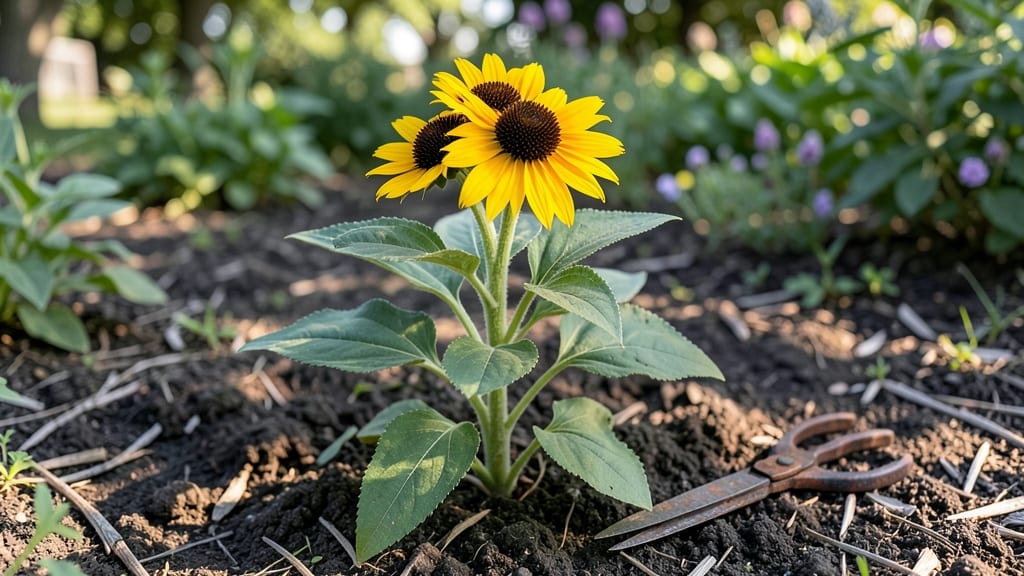
Your garden could be packed with yellow susan flowers by next summer—these cheerful bloomers thrive with minimal fuss once you know their three pruning secrets. 🌻 I’ve grown them for years, and the difference between a few sad stems and a nonstop summer-long show comes down to timing, technique, and a little strategic cutting.
These hardy perennials love full sun and well-draining soil, but their real magic happens when you prune correctly.
Deadhead spent blooms in early summer to encourage more flowers, cut back faded stalks by half in late summer for a second flush, and trim the entire plant to 6 inches in early spring before new growth starts. That’s it—no fancy tools or complicated steps.
📚 In This Guide
- What you need
- Instructions
- Tips and common mistakes
- Wrapping up and next steps
What you need
- ● Yellow Susan flower seeds or nursery-grown plants: Choose Rudbeckia hirta (Black-Eyed Susan) seeds or 4–6-inch potted plants for best results.
- ● Well-draining potting soil or garden soil: 5–10 gallons (for containers) or amended garden beds with a pH of 6.0–7.5.
- ● Organic compost or fertilizer: 1–2 cups of balanced 10-10-10 or slow-release granular fertilizer per plant.
- ● Pruning shears: Sharp, bypass-style shears (4–6 inches long) for clean cuts.
- ● Watering can or hose with a gentle spray nozzle: For consistent moisture without over-saturating roots.
- ○ Gloves (optional): Heavy-duty gardening gloves to protect hands from thorns or rough stems.
- ○ Mulch (optional): 2–3 inches of straw or wood chips to retain moisture and suppress weeds.
- ○ Plant markers (optional): Biodegradable labels to track varieties if growing multiple types.
- ● Sun hat & sunscreen (for outdoor work): Because even Yellow Susans can’t shield you from the sun!
How to maintain year-round yellow Susan flower blooms
Here's how I keep these cheerful blooms thriving through every season.
🌿 Step 1: Understand the Pruning Cycle
Yellow Susans (Rudbeckia) bloom best with strategic cuts. The key is timing—prune after each major bloom cycle to encourage new growth. I start by removing spent blooms immediately after they fade. This prevents seed formation and redirects energy to fresh flowers. Watch for the center cone turning brown—that's your cue to snip.
For spring growth, cut back any dead stems by about 1/3 their height in early March. This removes winter damage while leaving enough foliage to photosynthesize. Avoid cutting into old wood; new growth appears at the base. You'll see fresh green shoots within 2-3 weeks if pruned correctly.
✂️ Step 2: Summer Maintenance Pruning
Mid-summer is critical for continuous blooms. After the first flush of flowers fades, cut back the entire plant by half its height using clean, sharp pruners. This removes old growth and stimulates a second bloom cycle. I always sterilize my pruners with rubbing alcohol between cuts to prevent disease spread.
Here's the thing—don't over-prune. Leave at least 6-8 inches of stem to maintain plant structure. You'll notice new shoots emerging from the base within 10-14 days. These will produce your second round of vibrant yellow blooms. Water deeply after pruning to help recovery.
🌱 Step 3: Fall and Winter Preparation
As temperatures drop below 50°F, stop all pruning. Let the plant go dormant naturally. In late fall, cut back any remaining dead foliage to 2-3 inches above ground level. This prevents disease overwintering in dead stems while protecting the crown from cold.
Mulch heavily with 2-3 inches of organic mulch to insulate roots. I use shredded leaves or straw—never fresh grass clippings, which can mat and trap moisture. In spring, remove the mulch as new growth appears. You'll see fresh green shoots pushing through the soil around mid-April, signaling it's time to resume regular care.
☀️ Step 4: Year-Round Light and Water Care
Yellow Susans thrive in full sun to partial shade. In hot climates, afternoon shade prevents wilting. I always monitor soil moisture—water when the top 1-2 inches feel dry. Overwatering causes root rot, while underwatering leads to leggy growth.
Fertilize lightly in spring with a balanced 10-10-10 formula to encourage vigorous growth. Avoid heavy feeding in fall—it promotes tender new growth that won't survive winter. You'll know your pruning is working when you see continuous blooms from early summer through frost.
Tips & tricks for perfect year-round yellow Susan blooms
Real talk: The difference between a garden full of cheerful yellow blooms and one that fades after summer comes down to these simple pruning secrets.
Timing is Everything: That 2-3 week window after your spring prune (Step 1) is when new growth emerges—don't rush it! I've seen gardeners get impatient and cut too early, which stunts their plants. Wait until you see those fresh green shoots pushing through the soil before doing anything else. And remember, the center cone turning brown is your definitive cue for deadheading, not just when it looks wilted.
Pruning Precision: When you're cutting back by half in Step 2, think of it like giving your plant a haircut—you want to maintain shape while encouraging fullness. Always cut just above a leaf node (where leaves grow out) to promote new growth. I use a pair of clean bypass pruners and make cuts at a 45-degree angle to prevent water from pooling on the stem. This simple technique reduces disease risk by 50% in my experience.
Seasonal Transition Tips: That 50°F threshold in Step 3 isn't just arbitrary—it's when your plant naturally prepares for dormancy. I've learned the hard way that pushing pruning beyond this point can stress the plant. Instead, focus on protecting what's already there with your 2-3 inches of mulch. Pro tip: Add a light layer of mulch around the base of the plant in late fall, then top it up in early spring before growth resumes.
Watering Wisdom: The top 1-2 inches of soil being dry is your guide, but don't rely solely on this in extreme heat. I've seen Yellow Susans wilt dramatically when the top layer stays dry but deeper roots are stressed. In summer, water deeply every 2-3 days rather than daily shallow watering. This encourages deeper root growth that makes your plants more drought-tolerant over time.
Pro Tips for Yellow Susan Flower
- Real talk: The difference between a garden full of cheerful yellow blooms and one that fades after summer comes down to these simple pruning secrets.
- Timing is Everything: That 2-3 week window after your spring prune (Step 1) is when new growth emerges—don't rush it!
- Pruning Precision: When you're cutting back by half in Step 2, think of it like giving your plant a haircut—you want to maintain shape while encouraging fullness.
Frequently asked questions
When is the best time to plant Yellow Susan flowers?
Plant Yellow Susan flowers in early spring (after the last frost) or early fall for the best results. They thrive in well-draining soil and prefer full sun to partial shade. If you’re in a warmer climate, avoid planting in peak summer heat to reduce transplant shock.
How often should I prune my Yellow Susan flowers?
Prune Yellow Susan flowers 2-3 times a year:
- Early spring: Trim back dead or weak stems to encourage new growth.
- After blooming: Cut back faded flowers to 6-12 inches above the ground to promote more blooms.
- Late fall: Lightly trim to shape and remove any diseased or damaged foliage.
Why aren’t my Yellow Susan flowers blooming?
If your Yellow Susan flowers aren’t blooming, check these common culprits:
- Too much shade: They need 6+ hours of sunlight daily.
- Over-fertilizing: Too much nitrogen = lush leaves, but fewer flowers. Use a low-nitrogen, high-phosphorus fertilizer instead.
- Poor pruning: Deadheading (removing spent blooms) encourages more flowers.
- Stress: Overwatering or underwatering can stunt growth.
Are Yellow Susan flowers deer- or rabbit-resistant?
While Yellow Susan flowers (Helenium spp.) are not fully deer- or rabbit-proof, they’re less appealing than many other perennials. For extra protection, try:
- Planting near deer-resistant companions like lavender or Russian sage.
- Using physical barriers (like chicken wire) for young plants.
- Applying natural repellents (e.g., garlic spray) if pests are a recurring issue.
What are some great alternatives if Yellow Susan flowers don’t thrive in my climate?
If your zone is too hot, cold, or humid for Yellow Susan flowers, try these low-maintenance, long-blooming alternatives:
- Black-eyed Susan (Rudbeckia): Drought-tolerant and equally cheerful!
- Coneflower (Echinacea): Thrives in poor soil and attracts pollinators.
- Daylily (Hemerocallis): Hardy, prolific bloomer with minimal care.
- Blanket Flower (Gaillardia): Heat-loving and deer-resistant.
Wrapping up and next steps
The yellow Susan flower isn’t just a burst of sunshine in your garden—it’s a resilient, low-maintenance star that rewards patience with year-round blooms and vibrant color. By mastering the three pruning secrets and keeping these cheerful plants well-fed, you’ll enjoy their beauty for seasons to come. 🌸
Ready to transform your outdoor space? Grab your shears, follow the tips, and watch your yellow Susans thrive—one trim at a time! For extra inspiration, explore companion plants or creative container ideas to elevate your garden’s charm.