
Flowers
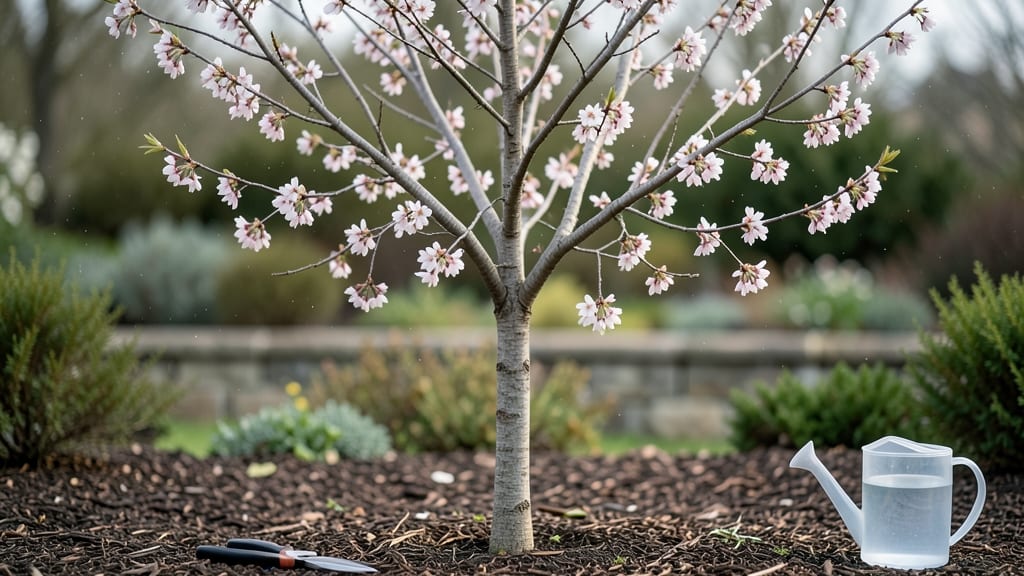
The flower of almond transforms your spring garden into a fragrant paradise—if you prune it right. 🌸 I’ve watched these delicate blossoms go from sparse to showstopping by mastering just a few key cuts, and the secret isn’t complicated.
It’s about timing, sharp tools, and knowing exactly where to guide the tree’s energy.
Almond trees thrive in full sun and well-draining soil, but their real magic happens in late winter before buds swell. A 30-minute pruning session with a clean saw and rubbing alcohol can double your bloom production—no fancy tools needed. The right cuts also prevent disease and keep fruit-bearing branches productive.
By summer, you’ll have vibrant pink-white clusters that perfume the air for weeks, followed by nutritious almonds if you’ve got a fruiting variety. Even ornamental types reward you with stunning spring color and year-round structure.
The key? Prune once a year, fertilize lightly in early spring, and watch your tree reward you with effortless beauty.
Works for both edible almonds and ornamental varieties, though fruiting types need extra care. Let’s get those branches shaped for next spring’s showstopper blooms!
📚 In This Guide
- What you need
- Instructions
- Tips and common mistakes
- Wrapping up and next steps
What you need
- ● Almond tree (Prunus dulcis) – Choose a non-bearing variety (like ‘Nonpareil’ or ‘Peerless’) for ornamental flowers. Ensure it’s disease-resistant and suited to your climate zone (USDA Zones 5-9).
- ● Well-draining soil – A mix of 60% topsoil, 30% compost, and 10% coarse sand or perlite (for drainage). Aim for a pH of 6.0–7.5.
- ● Sunlight access – A full-sun location (6+ hours/day) is critical for blooming and fruit/nut production.
- ● Watering supplies – A drip irrigation system or soaker hose (to avoid wetting leaves/fruit).
- ● Fertilizer – Balanced 10-10-10 or citrus-specific fertilizer (low nitrogen in early spring to encourage blooms).
- ● Pruning tools: Bypass pruners (for clean cuts)
- ● Loppers (for thicker branches)
- ● Pruning saw (for large limbs)
- ● Gloves – Heavy-duty gardening gloves (almond trees have thorns!)
- ● Mulch – 2–3 inches of wood chips or straw (keep 6 inches away from the trunk).
- ● Pest control – Neem oil (organic) or insecticidal soap (for aphids/mites).
- ● Tree support – Stakes and ties for young trees in windy areas.
- ● Pollination aid – A bee-friendly garden (almonds are self-pollinating but benefit from bees!).
- ● Disease monitoring – A spray bottle with diluted hydrogen peroxide (3%) (for fungal prevention).
- ● Harvesting tools – Nut cracker (for fresh almonds) or mesh bags (to dry nuts).
Step-by-Step guide to cultivating Prunus dulcis for stunning spring blossoms
Here's how to coax those iconic pink-white blooms from your almond tree—through precise timing and technique.
🌱 Step 1: Select and Prepare the Right Location
Almond trees thrive in full sun with at least 6-8 hours of direct light daily. Choose a spot with well-draining soil—these trees despise soggy roots. I always test drainage by digging a 12-inch hole and filling it with water; if it doesn’t drain within 30 minutes, amend with 2-3 inches of coarse sand or gravel before planting.
Spring is the ideal planting window, but established trees handle fall transplantation too. Just avoid extreme heat or frost—60-75°F soil temps are perfect. If your soil is heavy clay, mix in 20% perlite to improve aeration. The tree’s root system will reward you with stronger blooms next season.
☀️ Step 2: Prune for Optimal Bloom Production
Pruning isn’t just about shaping—it’s about light penetration. Remove dead, crossing, or inward-growing branches first, cutting back to the nearest outward-facing bud. I use clean, sharp pruners to avoid tearing bark, which invites disease. Thin the canopy by 20-30% to let sunlight reach the center—this is where next year’s blossoms form.
Timing matters: late winter to early spring (just before buds swell) is critical. Avoid heavy pruning after May 1st—new growth won’t harden off before winter. Watch for suckers (shoots at the base) and remove them immediately—they drain energy from blooms. A well-pruned tree will burst with 2-3 inch pink-white flowers in 4-6 weeks.
💧 Step 3: Water and Fertilize for Fragrant Blooms
Deep watering once a week (or twice in extreme heat) is key—1-2 inches per week total. I water at the drip line, not the trunk, to encourage deep root growth. Overhead watering can spread fungal spores, so use a soaker hose instead. Mulch with 2-3 inches of wood chips to retain moisture and suppress weeds.
Fertilize in early spring with a balanced 10-10-10 formula, then again after blooming. Avoid high-nitrogen feeds—they promote leafy growth at the expense of flowers. If your tree is young (under 3 years), use half-strength fertilizer to prevent root burn. Yellowing leaves? That’s a sign of over-fertilizing—cut back immediately.
✂️ Step 4: Maintain Through the Season for Next Year’s Blooms
Deadhead spent flowers to redirect energy into next year’s buds. I snip off wilted blossoms with clean pruners, cutting just above a leaf node. This prevents seed formation, which saps the tree’s strength. Watch for aphids or scale insects—they love almond trees. A neem oil spray (mixed weekly) keeps pests at bay without harming pollinators.
In late fall, give the tree a light pruning to remove any weak growth. Avoid heavy cuts—this is about airflow, not shaping. A mature almond tree with proper care will reward you with spectacular spring blooms for decades. Here’s the thing—patience pays off. It takes 2-3 years for a newly planted tree to reach full bloom potential, but the fragrance is worth the wait.
Tips & tricks for perfect almond tree blooms
Here's what nobody tells you about transforming your almond tree into a fragrant spring spectacle.
Light Penetration Secret: In Step 2, when you're pruning, focus on creating an open canopy by removing branches that cast shade. I aim to let sunlight reach the center branches—this is where the most abundant blooms form. The goal is to expose at least 70% of the canopy surface to direct light. Think of it like creating a dome where light can filter through all levels. This isn't just about aesthetics; proper light penetration triggers the hormonal signals that initiate flowering.
Soil Temperature Matters: The 60-75°F soil temperature range mentioned in Step 1 is non-negotiable for root activity. I always check soil temperature with a simple soil thermometer before planting or major pruning. Cold soil below 60°F slows root growth, while temperatures above 75°F can stress the tree. If you're planting in spring and soil temps are still cool, wait a week or two—roots need to establish quickly to support next year's blooms. This is especially critical in northern climates where spring arrives gradually.
Pruning Timing Nuance: While the instructions mention late winter to early spring, I've found that the absolute best time is when you see the first green tips emerging from the buds. This typically occurs about 2-3 weeks before full bloom. At this stage, you can see which branches are actively growing while still having time for new growth to harden off before winter. The key visual cue is when about 20% of the buds have started to swell—this is your window for optimal pruning without sacrificing next year's potential.
Watering Strategy: The once-weekly watering recommendation in Step 3 works perfectly when your tree is established, but newly planted trees need more frequent attention. For the first year, water every 3-4 days during the growing season, providing about 2-3 inches total per week. The critical period is the first 6 weeks after planting when roots are establishing. I always water deeply at the drip line rather than at the trunk—this encourages roots to grow outward rather than staying concentrated near the planting hole, which is exactly what you want for a strong, blooming tree.
Pro Tips for Flower Of Almond
- Here's what nobody tells you about transforming your almond tree into a fragrant spring spectacle.
- Light Penetration Secret: In Step 2, when you're pruning, focus on creating an open canopy by removing branches that cast shade.
- Soil Temperature Matters: The 60-75°F soil temperature range mentioned in Step 1 is non-negotiable for root activity.
Frequently asked questions
Got questions about the flower of almond? You’re not alone! Here are answers to the most common curiosities—from timing to troubleshooting—so you can grow these fragrant blooms like a pro.
When is the best time to plant almond tree flowers?
The Prunus dulcis (almond tree) typically blooms in late winter to early spring, around February–March in most U.S. zones (5–9). For best results, plant bare-root trees in dormancy (late fall or early winter) to establish roots before spring. Container-grown trees can be planted year-round, but avoid extreme heat or frost.
Why aren’t my almond tree flowers opening?
Several factors can delay blooms:
- Cold damage: Almond trees need chill hours (300–600) to trigger flowering. If your area lacks winter chill, try a low-chill variety like ‘Nonpareil’ or use artificial chilling (e.g., refrigeration for 6–8 weeks).
- Over-fertilizing: Too much nitrogen promotes leafy growth over flowers. Use a balanced 10-10-10 or low-nitrogen fertilizer in early spring.
- Stress: Drought, poor drainage, or pests (like aphids) can stunt blooms. Ensure well-draining soil and consistent moisture.
Can I grow almond tree flowers in containers?
Yes! Dwarf varieties like ‘Peerless’ or ‘Texas’ thrive in 15–20 gallon pots with:
- Fast-draining mix (60% soil, 30% perlite, 10% compost).
- Full sun (6+ hours daily).
- Regular pruning to maintain shape and airflow.
Wrapping up and next steps
The flower of the almond tree isn’t just a fleeting burst of beauty—it’s a testament to patience, care, and the magic of nature’s rewards. 🌸 By mastering pruning techniques and understanding its needs, you’ve unlocked the secret to vibrant blooms that fill the air with intoxicating fragrance.
Whether you’re a seasoned gardener or just starting, every snip of the shears brings you closer to that dreamy spring spectacle.
Now’s your moment to put that knowledge into action! Grab your pruners, roll up your sleeves, and give your almond tree the love it deserves. Watch as your efforts bloom into a fragrant masterpiece—one that will make your garden (and neighbors!) swoon. Happy pruning! 🌿✨