
Flowers
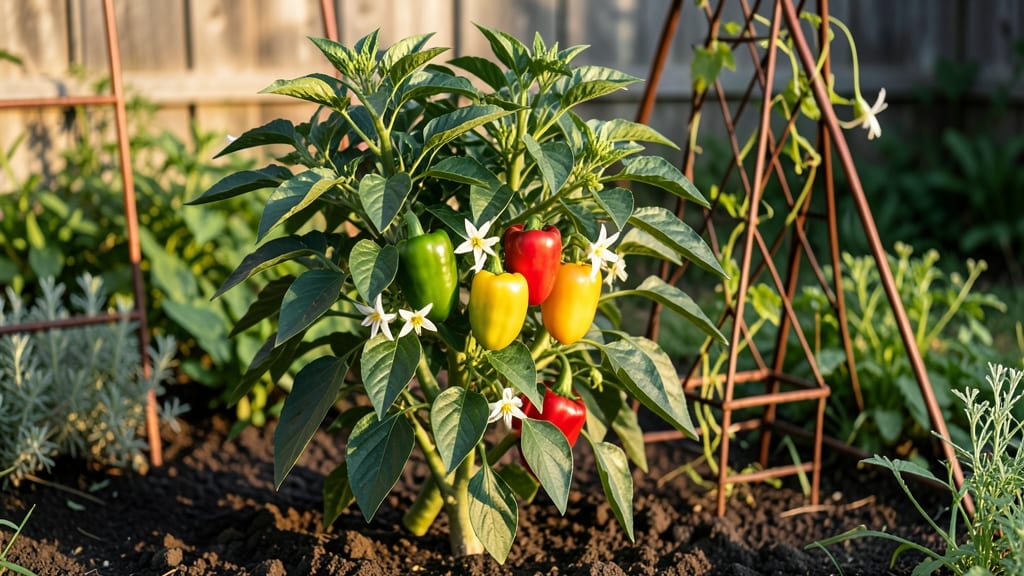
Growing Chinese flower peppers means harvesting ornamental papery husks that look like tiny lanterns and mildly spicy berries all year long—if you trim them right. 🌿 I learned the hard way that skipping pruning turns these showy plants into leggy, fruitless shadows.
The secret lies in three strategic cuts that keep them compact, productive, and stunning.
These peppers thrive in well-draining soil and full sun, but their real magic happens when you prune at the right times: right after planting, mid-season, and before winter dormancy.
Each trim boosts branching, flowers, and those signature husks—no fancy tools needed, just clean shears and 10 minutes of your time. Even in containers, they reward you with vibrant color and continuous harvests if you stay on top of it.
By summer’s end, you’ll have plump, decorative pods that dry into natural decorations and tiny, tangy peppers perfect for garnishes. The plants stay neat and bushy, not sprawling, and produce twice as much as unpruned varieties. It’s the kind of garden win that makes neighbors ask, “What’s your secret?”
Works in zones 9-11 year-round and in containers for cooler climates. The same trimming rules apply—just adjust timing for frost. Here’s exactly how to do it without killing your plant (or your enthusiasm).
📚 In This Guide
- What you need
- Instructions
- Tips and common mistakes
- Wrapping up and next steps
What you need
- ● Seeds or seedlings: 3–5 Capsicum annuum (e.g., 'Hungarian Wax' or 'Lunchbox')—choose disease-resistant varieties for best results.
- ● Potting mix: 10–15 lbs of well-draining, organic seed-starting mix (or 50% peat/50% perlite for containers).
- ● Containers or garden bed: Containers: 5–7-inch pots per plant (or 1-gallon pots for larger varieties). Use fabric grow bags for better aeration.
- ● Garden bed: Full sun (6+ hours/day) and loose, fertile soil with a pH of 6.0–6.8.
- ● Fertilizer: Balanced 10-10-10 or organic options like composted manure (mix 1 tbsp per gallon of water).
- ● Support: 3–4 ft bamboo stakes or tomato cages per plant (for climbing varieties).
- ● Hand trowel and pruning shears (sterilized with rubbing alcohol).
- ● Spray bottle (for misting seedlings) and hose with gentle nozzle.
- ● Grow lights (LED, 12–16 hrs/day) if starting indoors before last frost.
- ● Mulch (straw or shredded leaves) to retain moisture and suppress weeds.
- ● Pest control: Neem oil or insecticidal soap (for aphids/spider mites).
- ● Harvesting tools: Small knife or scissors (for clean cuts).
Step-by-step instructions for cultivating Chinese flower peppers year-round
Here's how I coax bold, continuous harvests from this heat-loving pepper variety—no matter the season.
🌱 Step 1: Start Seeds Indoors for Early Production
Chinese flower peppers thrive when started indoors 8-10 weeks before your last frost date. Fill 2-inch deep seedling trays with sterile seed-starting mix (never garden soil—it's too dense). Press the mix down gently until firm, then plant 2-3 seeds per cell at a depth of ¼ inch. The seeds are tiny, so I use a toothpick to create small divots for precision.
Cover the tray with a clear humidity dome or plastic wrap to maintain 75-85°F soil temperatures. Place the tray on a seedling heat mat if your home runs cooler—this speeds germination to 7-14 days. Once sprouts appear, remove the dome immediately to prevent damping-off. Watch for first true leaves (the second set after the initial cotyledons) before transplanting.
☀️ Step 2: Provide Full Sun and Prune for Bushier Growth
Chinese flower peppers demand 6-8 hours of direct sunlight daily, so position them in a south-facing window or under grow lights (14-16 hours/day). If using natural light, rotate the pots quarter-turn weekly to prevent leggy growth. You'll notice stems stretching toward the light—this is a sign they need more intensity.
Here's the trick: prune aggressively to encourage branching. When plants reach 12 inches tall, pinch off the top set of leaves. This forces energy into lateral stems, which will produce more pepper clusters. Repeat this 3-key trim every 4-6 weeks to maintain compact growth. Use sterilized pruning shears and cut just above a leaf node to avoid leaving stubs.
💧 Step 3: Water and Fertilize for Continuous Blooms
Water deeply every 2-3 days, allowing the top 1-2 inches of soil to dry between sessions. Overwatering causes blossom-end rot, so always check moisture with your finger. During fruiting, increase water slightly to every other day—peppers need consistent hydration to develop their signature sweetness.
Feed plants every 4 weeks with a balanced liquid fertilizer (10-10-10 or 20-20-20). I mix it at half-strength to avoid burning roots. Stop fertilizing 6 weeks before harvest to allow flavors to concentrate. You'll see new blooms form within 2-3 weeks of feeding, signaling the plant is thriving.
✂️ Step 4: Harvest and Prune for Year-Round Production
Harvest peppers when they reach 1-1.5 inches long—this encourages more flowers to form. Use clean scissors to snip stems just above the fruit to avoid damaging the plant. Chinese flower peppers are prolific, so expect 4-6 harvests per season if pruned correctly. Store harvested peppers in a cool, dry place for up to 2 weeks or dry them for long-term use.
After the first harvest wave, perform your third key trim: cut back any leggy stems to 6 inches tall. This rejuvenates the plant and triggers a second flush of blooms. In cooler months, move pots indoors near a south window or under grow lights to maintain production. With consistent care, you'll enjoy peppers year-round—even through winter.
Tips & tricks for perfect Chinese flower pepper cultivation
Growing these vibrant peppers year-round takes a few strategic tweaks—here's how to maximize your harvest without the guesswork.
Germination Precision: The 75-85°F soil temperature range is non-negotiable for consistent germination. I place my seedling trays on a heat mat set to 80°F and monitor with a soil thermometer—any lower and germination slows dramatically. If your home runs cooler, consider using a small greenhouse tent over the trays to trap heat.
Light Intensity Matters: Those 14-16 hours of daily light aren't just about duration—they're about intensity. If using grow lights, position them just 2-3 inches above the seedlings (closer than you'd think). I notice the biggest difference when I move my lights closer after the first true leaves appear—this prevents that classic "leggy" growth that wastes energy.
Pruning Strategy: The 3-key trim system works because it creates a bushier plant with more fruiting sites. When you reach that 12-inch mark, don't just snip—look for the top set of leaves where new growth emerges. Cut just above that node, and you'll see lateral branches form within 2-3 weeks. This is where the magic happens for that continuous harvest promise.
Fertilizer Timing: The 4-week feeding schedule aligns perfectly with the pepper's growth cycle. I've learned that stopping 6 weeks before harvest isn't just about flavor concentration—it prevents the plant from putting energy into new growth instead of ripening existing peppers. The 2-3 week bloom response after feeding is your green light that everything's working.
Pro Tips for Flower Pepper Chinese
- Growing these vibrant peppers year-round takes a few strategic tweaks—here's how to maximize your harvest without the guesswork.
- Germination Precision: The 75-85°F soil temperature range is non-negotiable for consistent germination.
- Light Intensity Matters: Those 14-16 hours of daily light aren't just about duration—they're about intensity.
Frequently asked questions
Got questions about growing and using flower peppers (Chinese peppers)? You’re not alone! Here are answers to the most common queries to help you grow a thriving harvest.
How long does it take for flower pepper plants to produce fruit?
Flower pepper plants typically take 60–90 days from transplanting to produce fruit, depending on your climate and growing conditions. In warmer regions, you may see peppers as early as 45 days if started indoors. Patience pays off—consistent warmth and sunlight speed up the process!
Can I grow flower peppers in containers, or do they need a garden?
Flower peppers thrive in 5–10 gallon containers with well-draining soil. Just ensure the pot has drainage holes and place it in a sunny spot (6+ hours of light daily). Containers are ideal for small spaces or urban growers—just keep them well-watered and fertilized!
Why aren’t my flower peppers turning red (or staying green)?
Green peppers stay green due to cool temperatures, lack of sunlight, or insufficient ripening time. To encourage color change:
- Move plants to a sunny, warm spot (70–85°F ideal).
- Harvest peppers when they’re firm and fully sized—overripe peppers may not turn red.
- Use a balanced fertilizer (like 10-10-10) to boost maturity.
Are flower peppers spicy? Can I substitute them in recipes?
Nope! Flower peppers are mild and sweet (0–500 SHU), making them perfect for fresh eating, stir-fries, or pickling. Swap them for bell peppers, Thai bird’s eye peppers (for heat), or banana peppers in recipes. Their unique shape adds a fun twist to dishes!
How do I prune flower pepper plants for bigger yields?
Prune by removing lower leaves and suckers (side shoots) to redirect energy to fruit production. Focus on:
- Trimming yellow or diseased leaves to improve airflow.
- Pinching off flower buds if overcrowded (keep 2–3 main stems).
- Avoid heavy pruning late in the season—save it for early growth stages.
Wrapping up and next steps
Growing flower pepper Chinese is a rewarding journey that brings vibrant color, bold flavor, and year-round harvests to your garden—with just a few simple trims!
Whether you’re a seasoned gardener or a curious beginner, these three key trims unlock the plant’s full potential, ensuring lush foliage, abundant blooms, and a steady supply of peppers. 🌱✨
Now that you’re equipped with the know-how, roll up your sleeves and get growing! Start with a healthy plant, keep it happy with the right conditions, and soon you’ll be enjoying fresh, homegrown flower peppers in your favorite dishes. Happy gardening—and may your harvests be plentiful! 🌶️💚