
Container Gardens
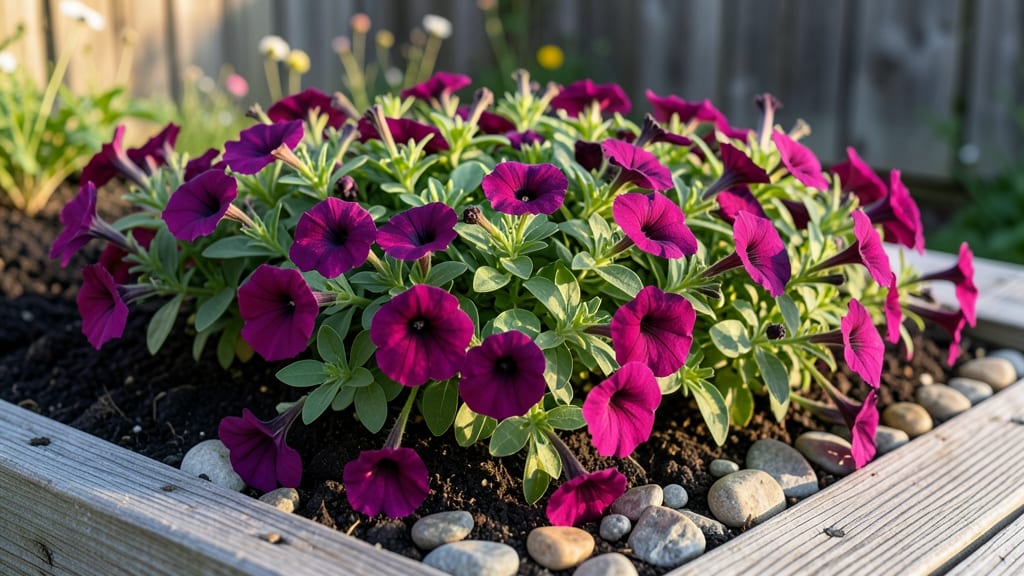
Transforming your deck into a vibrant flower pot display isn’t just about filling containers—it’s about creating a sunny deckside oasis that feels like an extension of your home.
I’ve spent years experimenting with deck arrangements, and the key is balancing bold colors with plants that thrive in shifting sunlight and occasional rain. The right mix turns a simple railing into a year-round showstopper, even when your neighbors are stuck with bare winter branches.
Start with a color palette that reflects your home’s style—think jewel tones like deep purple, fiery red, or soft blush paired with lush greens for contrast.
Mix container sizes (hanging baskets, window boxes, and tall urns) to add dimension, and choose weather-resistant materials like fiberglass or glazed ceramic that won’t fade or crack. My go-to combo?
A terracotta planter for sun-loving geraniums, a black plastic trough for trailing ivy, and a woven basket for petunias that spill over the edge.
What you’ll end up with is a deck that feels alive in every season—spring’s delicate blooms, summer’s lush foliage, and even winter’s evergreen accents. The best part? You can swap out pots and plants as the weather changes, keeping the look fresh without starting from scratch.
Think of it as a living canvas that evolves with the light and your mood.
Whether you’re working with a small balcony or a sprawling patio, the principles stay the same: sunlight mapping, smart plant pairings, and a little seasonal rotation. The result?
A space that doesn’t just hold flowers, but tells a story every time you step outside. Ready to turn that empty deck into your favorite outdoor room?
📚 In This Guide
- What you need
- Instructions
- Tips and common mistakes
- Wrapping up and next steps
What you need
- ● Flower pots: 3–6 containers (size varies: 6–12 inches in diameter for small plants, 12–18 inches for shrubs or larger blooms). Opt for weather-resistant materials like ceramic, fiberglass, or resin.
- ● Potting soil: 1–2 bags of high-quality, well-draining container mix (avoid garden soil—it compacts!). Look for labels like "moisture control" or "organic blend."
- ● Drainage: Small rocks (e.g., pebbles or gravel) or container-specific drainage discs (1–2 per pot).
- ● Plants: Choose deck-friendly flowers like petunias, geraniums, or succulents (3–5 plants per pot, depending on size). Pick varieties suited to your sunlight exposure (full sun, partial shade, etc.).
- ● Basic tools: Trowel or small shovel
- ○ Gloves (optional but recommended!)
- ● Watering can or hose with a gentle spray nozzle
- ● Decorative accents: Paint or outdoor-safe markers to personalize pots, coconut coir liners for a rustic look, or self-watering trays to reduce maintenance.
- ● Slow-release fertilizer: Granules or spikes to nourish plants over 2–3 months (follow package instructions!).
- ● Mulch: Pine bark or decorative stones to retain moisture and add flair.
- ● Portable planter stands or hanging baskets: Elevate pots for a layered look or free up deck space.
- ● Weatherproof sealant: For wooden or terracotta pots to extend their lifespan.
- ● 🌡️ Check your deck’s sunlight: Most flower pots thrive in 6+ hours of sunlight daily. Group pots accordingly!
- ● ✨ Size matters: Larger pots = less frequent watering. Balance plant size with container depth.
- ● 🔥 Drainage is non-negotiable: Poke holes in the bottom of pots if they don’t have them!
How to create a thriving deckside container garden
Here's how to transform your deck into a vibrant, low-maintenance floral retreat that blooms season after season.
Select the Right Containers for Deck Conditions
Choose pots with multiple drainage holes—waterlogged roots will kill your plants faster than pests will. I prefer unglazed terra cotta for its breathability, but fiberglass or resin works better in freezing climates. For 4 plants, aim for containers between 12-18 inches wide—larger pots retain moisture longer and support bigger blooms.
Consider weight too. A 15-gallon pot filled with soil and plants can weigh 50+ pounds when wet. Add glides or wheels if your deck surface is delicate. Position heavier pots near railings or against walls where they won't shift in wind or foot traffic.
Layer Soil for Optimal Drainage and Nutrition
Start with a 2-inch layer of gravel or expanded shale at the bottom—this prevents soil from clogging drainage holes. Next, add a 3-inch layer of moisture-retentive potting mix blended with perlite or vermiculite (about 1 part perlite to 4 parts mix) for aeration. This combo prevents compaction while holding enough moisture for thirsty deckside plants.
Top with 1-2 inches of high-quality potting soil—never garden soil, which compacts and suffocates roots. For year-round color, I mix in slow-release fertilizer (about 1 tablespoon per gallon of soil) to feed plants gradually. This prevents the nutrient spikes that cause rapid, weak growth prone to wind damage.
Choose Plants That Thrive in Deck Conditions
Select heat-tolerant, wind-resistant varieties like geraniums, petunias, or lantana for summer, and pansies, violas, or dusty miller for cooler months. For 4 pots, plan 3-5 plants per container—crowding stresses roots and invites pests. Place taller plants in back, medium-height in the middle, and spiller types (like trailing lobelia or sweet potato vine) at the edges.
Check sun exposure before buying. A south-facing deck gets 6+ hours of direct sun, while east or west gets 4-6 hours. Match plants accordingly—succulents and lavender handle full sun, while impatiens and ferns prefer partial shade. If your deck shifts with the sun, opt for adaptable plants like coleus or caladiums that tolerate light fluctuations.
Water and Mulch for Deck-Specific Challenges
Water early in the morning to reduce evaporation from afternoon sun. Let top 1-2 inches of soil dry between waterings—deck pots dry out faster than ground beds. Use a self-watering system or drip irrigation to avoid overwatering, which leads to root rot in containers. For 4 pots, a 5-gallon watering can fills each to saturation in 2-3 pours.
Apply 1-2 inches of mulch (like cypress or pine bark) to retain moisture and suppress weeds. Avoid organic mulches like straw or grass clippings—they decompose too quickly and can attract pests. Replenish mulch every 4-6 weeks or after heavy rain, as deck runoff washes it away faster than ground beds.
Maintain Year-Round with Seasonal Adjustments
In spring, fertilize every 4-6 weeks with a balanced, water-soluble formula (like 10-10-10) to encourage blooms. In summer, switch to a low-nitrogen, high-phosphorus feed (like 5-10-5) to boost flowering. Deadhead spent blooms weekly—this redirects energy to new growth and prevents seed pods that weigh down stems in wind.
For fall, replace summer annuals with cool-season varieties like mums or kale. Move pots to sheltered spots if frost is forecast, and cover with frost cloth on 25°F nights. In winter, reduce watering to once every 10-14 days unless temperatures drop below 32°F, then let soil dry completely between waterings to prevent freeze-thaw damage.
Tips & tricks for perfect deckside container gardens
Here's what I've learned after years of transforming decks into vibrant, low-maintenance havens—these tricks prevent common mistakes and elevate your container garden to showstopping status.
Container Material Matters: Unglazed terra cotta is my go-to for its breathability, but if you live in a freezing climate, fiberglass or resin containers prevent cracking. For windy decks, opt for heavier pots—their weight anchors them better than lightweight options. I've found that 15-gallon pots filled with soil and plants can weigh over 50 pounds when wet, so position them near railings or against walls to prevent shifting during storms.
Soil Layering Secrets: The 2-inch gravel layer at the bottom isn't just for drainage—it also prevents soil from clogging those critical drainage holes. When blending your 3-inch moisture-retentive layer with perlite or vermiculite, use the 1:4 ratio precisely. Too much perlite creates air pockets that dry out roots too quickly, while too little defeats the purpose of aeration. For the top 1-2 inches of potting soil, I always sift it through a mesh screen to eliminate clumps that could suffocate roots.
Plant Placement Strategy: In Step 3, when arranging your 3-5 plants per container, think vertically. Place taller varieties like geraniums at the back, medium-height petunias in the middle, and trailing plants like sweet potato vine at the edges. This creates a layered look that draws the eye upward. For south-facing decks with 6+ hours of sun, I avoid ferns entirely—they'll crisp up faster than you can say "afternoon heat." Instead, opt for adaptable plants like coleus that tolerate light fluctuations if your deck shifts with the sun.
Watering Wisdom: The early morning watering rule is non-negotiable—it reduces evaporation from afternoon sun by up to 50%. When using your 5-gallon watering can, make those 2-3 pours count by watering until you see moisture emerge from the drainage holes. For containers without self-watering systems, I've found that adding a layer of hydrogel crystals to the soil mix can extend time between waterings by nearly 30% without risking root rot.
Pro Tips for Flower Pots On Deck
- Here's what I've learned after years of transforming decks into vibrant, low-maintenance havens—these tricks prevent common mistakes and elevate your container garden to showstopping status.
- Container Material Matters: Unglazed terra cotta is my go-to for its breathability, but if you live in a freezing climate, fiberglass or resin containers prevent cracking.
- Soil Layering Secrets: The 2-inch gravel layer at the bottom isn't just for drainage—it also prevents soil from clogging those critical drainage holes.
Frequently asked questions
Got questions about creating a stunning deckside oasis with flower pots? You’re not alone! Here are some of the most common queries—and their answers—to help you transform your deck into a blooming paradise.
What’s the best type of flower pot for a deck?
Opt for lightweight, durable pots with drainage holes to prevent root rot. Terracotta, fiberglass, and resin are popular choices—terracotta breathes well but can crack in freezing temps, while fiberglass and resin are freeze-proof and lightweight. For heavy plants like ferns or hydrangeas, choose wider bases or add saucers for stability.
Can I keep flower pots on my deck year-round?
Yes, but with care! In colder climates, move pots to a sheltered spot or wrap them in burlap to protect roots. Drain excess water before freezing temps hit, and use frost-resistant materials like resin. For tropical plants, bring them indoors or use a greenhouse cover. Mulch the soil to insulate roots—just avoid piling it against the pot’s sides.
How do I prevent my deck from staining or rotting?
Place pots on saucers or trays to catch overflow, and avoid direct contact with wood by using pot feet or coasters. For composite or pressure-treated decks, use waterproof saucers to prevent moisture damage. Wipe spills promptly, and consider a sealant for wooden decks to extend their life. Rot-resistant materials like composite or PVC are also deck-friendly!
What’s the easiest way to keep my deck plants thriving?
Consistency is key! Water deeply in the morning to reduce evaporation, and mulch soil to retain moisture. Fertilize every 4–6 weeks with a balanced, slow-release formula. Prune dead blooms regularly to encourage new growth, and rotate pots occasionally for even sunlight exposure. A mix of sun-loving annuals (like petunias) and shade-tolerant perennials (like impatiens) ensures year-round color.
What are some low-maintenance alternatives to traditional flower pots?
Try hanging baskets for vertical space, window boxes for railings, or even repurposed items like galvanized tubs or vintage teapots. Self-watering pots or drip irrigation systems cut down on chores. Succulents and drought-tolerant plants (like lavender or sedum) thrive with minimal care—perfect for busy gardeners! Just ensure whatever you choose has drainage.
Wrapping up and next steps
Transforming your deck into a vibrant, year-round oasis with flower pots on deck is easier—and more rewarding—than you think! 🌸 Whether you’re a seasoned gardener or just starting, the key is choosing the right plants, containers, and care routines to keep your space blooming beautifully.
With a little creativity and consistency, you’ll enjoy a deck that’s as inviting as it is stunning.
Ready to take the next step? Start small—pick one or two pots to begin, experiment with colors, and let your deckside garden grow with confidence! 🌱