
Flowers
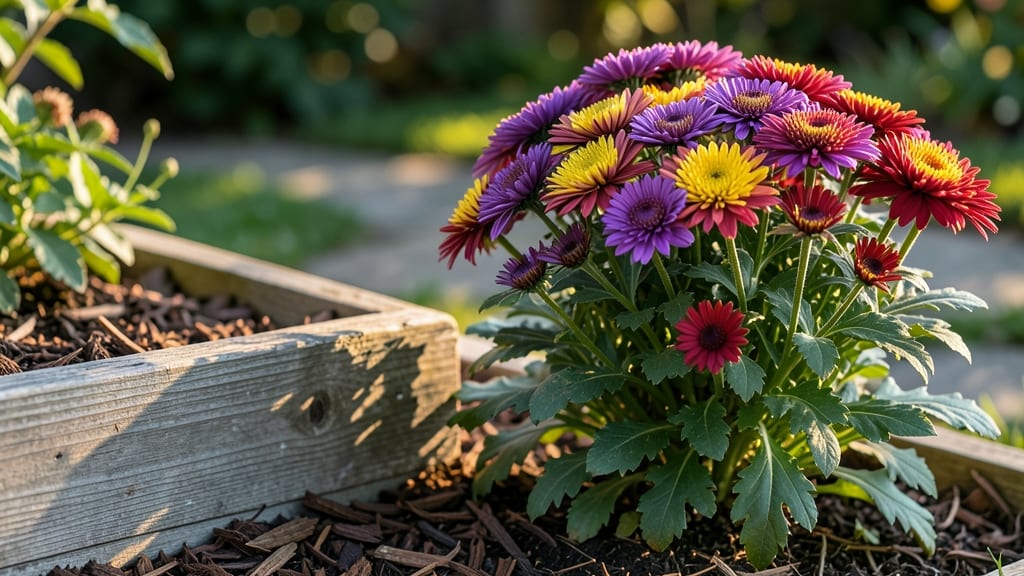
Mums in flower boxes are the secret to year-round curb appeal that never fades—just three strategic trims keep them blooming from fall through spring. 🌟 I learned this the hard way after my first winter left my flower boxes looking sad and bare, but now they’re the envy of the neighborhood.
The trick isn’t complicated: it’s about choosing the right varieties, pairing them with hardy companions, and mastering a simple trimming routine that resets growth without stressing the plants.
Start with dwarf or semi-dwarf mums in 10- to 12-inch containers, where their roots stay cozy but they still have room to thrive. Mix in evergreen foliage like heuchera or dusty miller for texture contrast, and add a trailing plant like sweet potato vine for height variation.
This combo keeps your boxes looking full even when mums take a breather between blooms. The best part? You’ll spend less than $30 on supplies and only 10 minutes a week on maintenance.
By late fall, your flower boxes will burst with jewel-toned blooms, then transition into winter with structured greenery and occasional pops of color from late-blooming varieties. Come spring, a final trim sends fresh growth shooting up just in time for summer prep.
It’s like having a living canvas that changes with the seasons—without the fuss of annual replacements. The key is consistency: trim after each flush of blooms, and your mums will reward you with nonstop color for years.
Works in any climate zone, from snowy winters to mild coastal areas. The same principles apply whether you’re dressing up a front porch or lining a sidewalk—just adjust your plant choices to match your local frost dates.
Ready to transform your space with minimal effort? Let’s get those flower boxes blooming all year.
📚 In This Guide
- What you need
- Instructions
- Tips and common mistakes
- Wrapping up and next steps
What you need
- ● Flower Boxes: 2–4 boxes (12–18" wide, 6–8" deep, 10–12" tall)
- ● Material: Wood (cedar or redwood for longevity), plastic, or metal
- ● Chrysanthemum (Mum) Plants: 6–12 plants per box (depending on size)
- ● Varieties: Hardy mums (e.g., ‘Dynasity,’ ‘Mathew’s Gold’) for cold tolerance
- ● When to plant: Early spring or late summer (check local frost dates!)
- ● Potting Soil: 1–2 bags of well-draining potting mix (avoid garden soil)
- ● Bonus: Mix in perlite or compost (10–20%) for aeration
- ● Drainage: Small pebbles or gravel (½" layer at the bottom of each box)
- ● Fertilizer: Balanced slow-release fertilizer (10-10-10 or 20-20-20)
- ○ Optional: Organic options like fish emulsion or worm castings
- ● Basic Tools: Trowel or small shovel
- ● Garden gloves
- ● Watering can (with a rose nozzle for gentle watering)
- ○ Optional (But Helpful!): Mulch (straw or shredded bark) to retain moisture
- ● Decorative edging (for a polished look)
- ● Plant labels (to track varieties)
- ● Pruning shears (for trimming in spring)
How to keep mums thriving in flower boxes all season
Here's the simple system I use to keep chrysanthemums blooming boldly in containers—no fuss, just color.
🪴 Step 1: Choose the Right Containers and Drainage
Flower boxes need at least 12 inches deep to accommodate mum roots and their 6-8 inch spread. I prefer cedar or redwood because they resist rot and last years. Make sure each box has multiple drainage holes—mums hate soggy feet and will drop buds if they sit in water.
Line the bottom with 1-2 inches of gravel or broken pottery to create an air gap. This prevents root rot while still allowing excess water to escape. If your boxes are shallow, add a 2-inch layer of lightweight potting mix first to give roots room to establish before hitting the gravel layer.
🌱 Step 2: Plant with Proper Spacing and Soil Mix
Use a well-draining potting mix (never garden soil—it compacts in containers). I blend 50% potting mix with 50% perlite or coarse sand to keep things airy. Plant mums 12-18 inches apart—crowding leads to weak stems and fewer blooms. Dig holes just deep enough to cover the root ball completely.
Press the soil gently around each plant to remove air pockets, then water deeply until it drains from the bottom. You'll know it's right when the surface looks damp but not glistening. Here's the thing—mums in containers dry out faster than in-ground plants, so I always water until I see moisture at the bottom of the box.
☀️ Step 3: Position for Sun and Wind Protection
Mums need full sun (6+ hours daily) to bloom their best. Place your flower boxes where they get morning sun and afternoon shade if you're in a hot climate—this prevents buds from scorching. I've seen mums wilt dramatically when moved from shade to full sun without acclimating first.
Protect them from strong winds, which can snap stems. A sheltered balcony or porch works perfectly. If you must place them outdoors, position them near a wall or fence to block gusts. You'll notice leaves curling or stems leaning? That's your cue to relocate them to a calmer spot.
✂️ Step 4: Trim for Year-Round Blooms (3 Simple Cuts)
First, deadhead spent blooms every 2-3 days during peak season. Pinch off flowers just above the next set of leaves to encourage new buds. I use clean scissors to avoid tearing stems—rough cuts invite disease. This keeps mums flowering continuously instead of putting all their energy into seed production.
Second, cut back leggy stems by one-third after the first frost. This prevents flopping and encourages fresh growth in spring. Third, prune back all stems to 4-6 inches in late winter. You'll see new shoots emerge within weeks—that's your signal the plant's ready for another season of color.
💧 Step 5: Water and Feed for Container Success
Water when the top inch of soil feels dry—stick your finger in to check. Mums in containers need more frequent watering than in-ground plants, especially in summer. I water in the early morning to reduce evaporation and fungal risks. Overwatering is the #1 killer of container mums, so always let excess water drain completely.
Feed every 4-6 weeks with a balanced 10-10-10 fertilizer during the growing season. Cut back to monthly in fall and stop completely in winter. You'll see richer blooms and healthier foliage when the plant gets consistent nutrients. For winter care, reduce watering by half and move boxes to a protected location if temperatures drop below 20°F.
Tips & tricks for perfect mums in flower boxes
Here's what nobody tells you about keeping chrysanthemums thriving in containers—small details that make all the difference.
Container Depth Matters: If your flower boxes are shallower than 12 inches, add a 2-inch layer of lightweight potting mix on top of the gravel layer. This gives roots room to establish before hitting the drainage layer. I've seen mums in shallow boxes struggle to anchor properly, leading to weak stems and fewer blooms. The extra depth makes a surprising difference in how sturdy your plants grow.
Soil Mix Secret: That 50/50 blend of potting mix and perlite or coarse sand isn't just about drainage—it's about aeration too. Compacted soil in containers suffocates roots, so I always give the mix a gentle fluff with my fingers after planting. This creates tiny air pockets that roots love, especially in hot weather when containers dry out quickly.
Sunlight Transition Tip: When moving mums from shade to full sun, do it gradually over 5-7 days. I've seen plants go from lush and green to crispy in a single day when moved suddenly. Start with morning sun only, then gradually extend their exposure. This acclimation period prevents sunburn on the leaves and protects those precious buds from scorching.
Winter Care Strategy: When temperatures drop below 20°F, move your flower boxes to a sheltered location like a garage or covered porch. I use old blankets draped over the boxes to create a microclimate that protects roots from freezing. This simple step can mean the difference between winterkill and plants that bounce back beautifully in spring.
Pro Tips for Mums In Flower Boxes
- Here's what nobody tells you about keeping chrysanthemums thriving in containers—small details that make all the difference.
- Container Depth Matters: If your flower boxes are shallower than 12 inches, add a 2-inch layer of lightweight potting mix on top of the gravel layer.
- Soil Mix Secret: That 50/50 blend of potting mix and perlite or coarse sand isn't just about drainage—it's about aeration too.
Frequently asked questions
Got questions about keeping mums thriving in flower boxes?
You’re not alone! Here are answers to the most common queries—from planting to winter care—so your chrysanthemums stay vibrant all year.
When is the best time to plant mums in flower boxes?
Plant mums in early spring (March–April) or early fall (September–October) for the best results. Spring gives them time to establish roots before summer heat, while fall planting lets them bloom in their first season. Avoid planting in late summer—they’ll struggle with heat stress.
How do I protect mums in flower boxes during winter?
Mums are hardy but need winter prep! After the first frost, trim back foliage by ⅓ and add 2–3 inches of mulch (straw or shredded leaves work well). For extra protection, wrap the box in burlap or move it to a sheltered spot. In Zone 5 or colder, consider overwintering indoors with bright light.
Why aren’t my mums blooming in their flower box?
Lack of blooms often stems from over-fertilizing (too much nitrogen) or poor sunlight. Mums need 6+ hours of sun daily and balanced fertilizer (10-10-10) in early spring. Deadhead spent blooms to encourage new flowers, and avoid pruning after mid-summer—it can cut off fall blooms.
Can I grow mums in a flower box with other plants?
Pair mums with companion plants like sweet alyssum (for texture), coleus (for color contrast), or heuchera (for shade tolerance). Just ensure they share similar water and sun needs. Avoid heavy feeders like petunias, which can outcompete mums for nutrients.
How often should I trim mums in a flower box?
Trim mums 3 times a year for best results:
- Early spring: Cut back by ⅓ to encourage new growth.
- Mid-summer: Deadhead spent blooms to prolong flowering.
- Fall: Lightly prune after blooming to shape the plant.
What do I do if my mums get pests or diseases?
Common issues include aphids, powdery mildew, or spider mites. Treat aphids with a soapy water spray; for mildew, improve airflow and apply neem oil. Spider mites? Blast off with water and introduce beneficial insects like ladybugs. Prevent disease by avoiding overhead watering and removing debris.
Wrapping up and next steps
Transforming your space with mums in flower boxes is easier—and more rewarding—than you think! These vibrant blooms bring year-round charm with minimal effort, proving that beauty doesn’t require a green thumb.
Whether you’re a seasoned gardener or a beginner, the right trims and care tips will keep your flower boxes bursting with color all year long. 🌸
Ready to dive in? Start by gathering your supplies, then pick your favorite mum varieties and trims. With just a little time and creativity, you’ll have a stunning, low-maintenance display that brightens up any season. Your next step? Grab a pair of shears and get trimming—your flower boxes are waiting!