
Planting
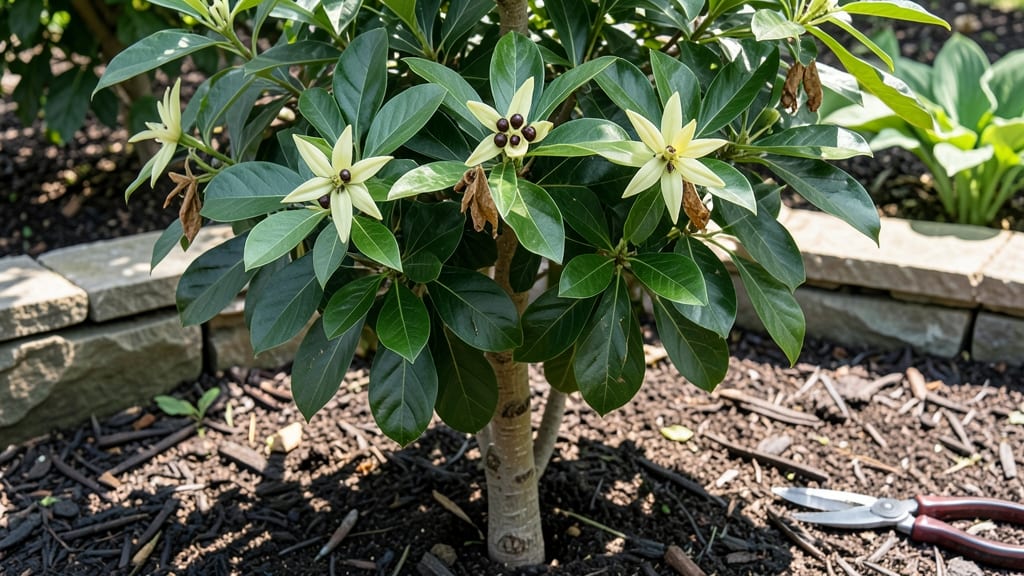
The flower star anise plant’s delicate star-shaped blooms and intoxicating scent turn even the simplest garden into a fragrant paradise—yet its evergreen leaves need only three trims to stay vibrant year-round.
I’ve grown mine for five seasons now, and the secret isn’t complicated: it’s about matching its love of sun and well-draining soil to your space.
The first time I walked past it after a rainstorm, the air smelled like a spice shop, but the real magic happens when you prune it right—keeping it compact, encouraging new growth, and extending that fragrance well past summer.
This plant thrives in USDA zones 9-11, but with a little care, you can grow it in cooler climates too—just bring it indoors when temperatures dip below 50°F.
It’s not fussy about soil as long as it drains well, and watering is simple: keep the top inch dry between drinks. The biggest challenge? Overwatering, which leads to root rot, but once you get the rhythm, it’s foolproof—even for gardeners who’ve killed everything else.
The star-shaped flowers add a whimsical touch, and the leaves release their spicy-sweet scent when brushed, making it a conversation piece in any yard.
By following the three-trim method—light pruning in spring, shaping in summer, and a final cleanup in fall—you’ll end up with a plant that stays dense, fragrant, and full of blooms year-round. The fragrance alone is worth it, but the way it fills out your garden with texture and color?
That’s the real reward. Plus, you’ll never need to buy star anise again if you’re feeling adventurous in the kitchen. The best part? It grows just as well in pots, so even small spaces can enjoy this aromatic stunner.
Whether you’re in a warm climate or coaxing it through cooler months, this plant pays you back with low maintenance and high rewards. The only real mistake is skipping the pruning—so grab those shears and let’s get started. Your garden (and your nose) will thank you.
📚 In This Guide
- What you need
- Instructions
- Tips and common mistakes
- Wrapping up and next steps
What you need
- ● Star anise plant: A healthy 1-2 gallon potted plant (or seeds if propagating from scratch).
- ● Well-draining potting mix: 5-10 gallons of a blend of peat moss, perlite, and compost (or a pre-mixed acidic soil for evergreens).
- ● Pot or garden bed: Container: A 12-18" pot with drainage holes (terracotta or ceramic preferred).
- ● Garden bed: A partially shaded, moist, and well-drained spot (6+ feet wide for mature growth).
- ● Pruning shears: Sharp, sterilized shears (or small hand pruners for delicate trims).
- ● Mulch: 2-3 inches of organic mulch (pine bark or shredded leaves) to retain moisture.
- ● Slow-release fertilizer: A balanced 10-10-10 or acidic fertilizer (like for azaleas).
- ● Spray bottle: For misting leaves if humidity is low.
- ● Gloves: To protect hands from sap (if sensitive).
- ○ Support stakes: For taller stems (optional for pruning structure).
How to grow a fragrant star anise plant with minimal effort
This hardy shrub thrives with just three easy trims—here's how to keep it lush and aromatic all year.
Choose the Right Location for Year-Round Growth
Star anise plants love bright, indirect light—think 6-8 hours of morning sun with afternoon shade. A south- or east-facing window works perfectly indoors, while outdoors they flourish in partial shade under taller trees. If leaves start yellowing, it's a sign of too much direct sun, especially in hot afternoons.
Here's the thing—these plants are tough. They tolerate 50-80°F temperatures but won't survive hard freezes. If you live in a cold climate, bring potted plants indoors before the first frost. I always check the weather forecast in late fall and move mine inside when nighttime temperatures drop below 45°F.
Plant in Well-Draining Soil and a Spacious Pot
Use a 6-8 inch pot with drainage holes—star anise hates soggy roots. Fill it with a mix of equal parts potting soil and perlite to keep moisture balanced. The roots need room to spread, so avoid small containers that restrict growth. Tap the pot gently after filling to settle the soil without compacting it too much.
When planting, bury the root ball just slightly deeper than it was in the nursery pot. Press the soil lightly around the edges to remove air pockets, but don't pack it down. Water thoroughly until you see moisture seep from the drainage holes—this ensures the roots make contact with damp soil right away.
Prune for Shape and Encourage Bushier Growth
The secret to a fragrant star anise plant is regular trimming—three times a year keeps it compact and aromatic. First, cut back any leggy growth in early spring to encourage new shoots. Use clean, sharp pruners and make cuts just above a leaf node where new growth will emerge.
In late summer, give it a second trim to shape the plant and remove any dead or yellowing leaves. This is also when you'll notice the most fragrant foliage—pinch back the tips of new growth to promote bushier branches. I always step back after pruning to check the balance; star anise grows wider than tall, so avoid cutting too much from the top.
Water and Fertilize for Consistent Fragrance
Water when the top inch of soil feels dry—these plants prefer slightly dry conditions over soggy soil. Overwatering is the fastest way to kill star anise, so err on the side of less water. In winter, reduce watering significantly, as the plant enters a dormant phase and needs far less moisture.
Feed with a balanced liquid fertilizer (10-10-10) every 4-6 weeks during the growing season. You'll see the most vibrant growth and strongest fragrance when the plant is well-fed. Stop fertilizing in late summer to prepare for dormancy, and resume in spring as new growth appears.
Harvest Leaves for Year-Round Fragrance
The best time to harvest is just before the plant flowers—this is when the leaves are most fragrant. Snip small sprigs with clean scissors and use them fresh in teas, potpourris, or as a natural air freshener. Store dried leaves in a sealed jar for up to 6 months without losing their aroma.
Don't harvest more than one-third of the plant at a time, or you'll stunt its growth. Regular harvesting actually encourages more lush, fragrant foliage. I like to make a small bundle of fresh leaves and hang it in my closet—the scent lasts for weeks and keeps moths away naturally.
Tips & tricks for perfect star anise plant care
Star anise plants are surprisingly low-maintenance once you know these simple secrets for keeping them thriving all year.
Lighting Strategy: The 6-8 hours of morning sun in Step 1 is ideal, but if your plant starts looking pale or stretching toward the light, it needs more brightness. I place mine near a south-facing window in winter when natural light dims—just rotate the pot weekly so all sides get even exposure. Artificial grow lights work too if you're growing indoors year-round.
Pruning Precision: When you're doing your three annual trims, focus on removing leggy stems rather than just cutting randomly. Look for branches that are growing outward rather than upward—these are the ones causing your plant to look top-heavy. Cutting just above a leaf node (where new growth emerges) encourages bushier, more aromatic foliage that matches the plant's natural shape.
Soil Secrets: The equal parts potting soil and perlite mix in Step 2 is perfect, but if you notice water pooling on top after watering, you might need more perlite. I've found that adding a handful of coarse sand to the mix helps with drainage while still retaining enough moisture. This prevents the dreaded soggy roots that can kill star anise plants quickly.
Harvesting Hack: For the freshest aroma, harvest your leaves just before the plant flowers as mentioned in Step 5, but also consider harvesting in the morning when essential oils are most concentrated. Store your dried leaves in small batches—never fill your jar completely, as the leaves need air circulation to maintain their scent for those 6 months.
Pro Tips for Flower Star Anise Plant
- Star anise plants are surprisingly low-maintenance once you know these simple secrets for keeping them thriving all year.
- Lighting Strategy: The 6-8 hours of morning sun in Step 1 is ideal, but if your plant starts looking pale or stretching toward the light, it needs more brightness.
- Pruning Precision: When you're doing your three annual trims, focus on removing leggy stems rather than just cutting randomly.
Frequently asked questions
Got questions about growing and caring for your flower star anise plant? You’re not alone! Here are some of the most common queries—plus quick, practical answers to keep your plant thriving year-round.
How often should I trim my flower star anise plant?
Trim your plant every 4–6 weeks to encourage bushier growth and prevent legginess. Focus on removing yellowed or overgrown stems—just snip above a leaf node with clean pruners. Pro tip: A light trim after flowering (late winter) helps prep for spring blooms!
Can flower star anise survive winter outdoors?
This tropical beauty thrives indoors year-round in most climates (USDA zones 10–11). If you live in colder areas, bring it inside before temps drop below 50°F (10°C). Place it near a bright window or under grow lights to maintain its lush foliage. No stress! It’s a houseplant hero.
Why aren’t my star anise flowers opening?
Lack of sunlight or overwatering are the top culprits. Ensure it gets 4–6 hours of indirect light daily and let the top 1–2 inches of soil dry out between waterings. If blooms form but don’t open, gently hand-pollinate them with a soft brush. Patience pays off—some varieties take weeks to bloom!
What’s a good alternative if I can’t find flower star anise?
Try Illicium parviflorum (Japanese anise) or Illicium verum (star anise tree) for similar fragrance and care needs. For a non-toxic, easy-care alternative, consider Lantana or Sweet Alyssum—both attract pollinators and add sweet scents. Just note: These won’t have the same star-shaped blooms!
How do I keep pests off my star anise plant?
Inspect leaves regularly for aphids, spider mites, or mealybugs. Wipe stems with a damp cloth or spray with neem oil (diluted) weekly as prevention. Boost humidity (40–60%) to deter mites—try a pebble tray or humidifier. Act fast! Isolate infested plants to stop pests from spreading.
Wrapping up and next steps
Growing a flower star anise plant is a rewarding way to enjoy year-round fragrance with minimal effort—just three simple trims keep it lush and blooming! 🌿 Whether you’re a seasoned gardener or a beginner, this aromatic beauty thrives with basic care and a little love. Now’s the perfect time to give it a try—start with a cutting, and soon you’ll be savoring its sweet, spicy scent every day.
Ready to elevate your garden? Pick a sunny spot, grab your shears, and let the trimming begin! 🌸