
Shrubs
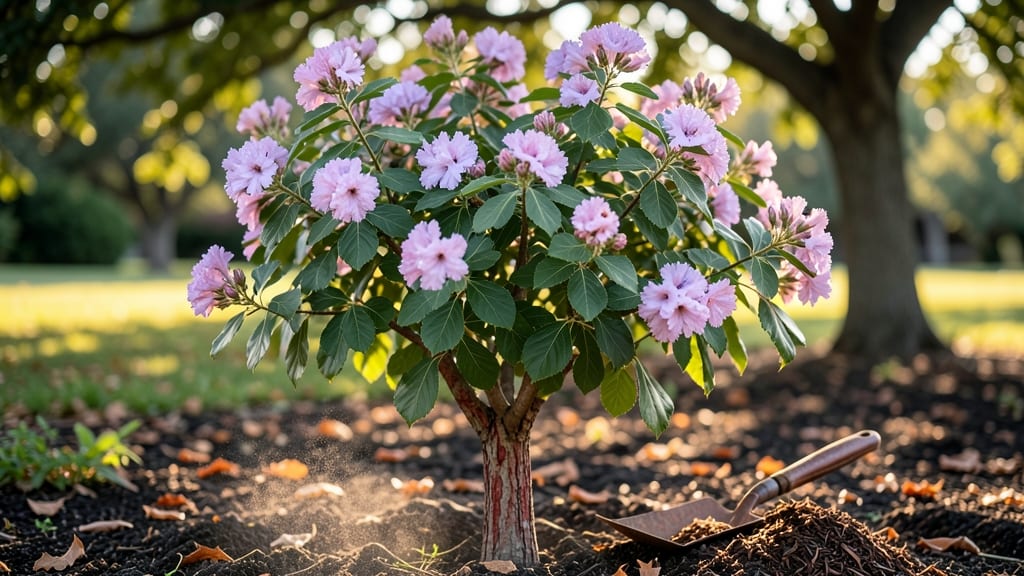
Your flowering crape myrtle could burst into year-round color with just a few pruning tweaks—this is how I transformed my leggy, sparse shrub into a blooming powerhouse. 🌸 The secret isn’t complicated: timing, technique, and a little patience.
Most gardeners over-prune or cut at the wrong time, which is why their crape myrtles look like sticks with a few sad flowers. I’ll show you the exact cuts that trigger nonstop blooms, even on mature plants.
Start with the basics: crape myrtles thrive in full sun and well-draining soil, but the real magic happens in late winter or early spring. That’s when you make your bold cuts—up to a third of the plant’s height—to encourage fresh, flower-heavy growth.
Skip the summer pruning (that’s a common mistake), and you’ll avoid stunted blooms. The payoff? A shrub covered in vibrant blooms from early summer through fall, with some varieties even putting on a second flush in cooler months.
What you’ll end up with is a crape myrtle that’s denser, healthier, and packed with flowers—the kind neighbors stop to admire. The pruning itself takes less than 30 minutes, and the results last for years.
Even if you’ve killed a crape myrtle before (or never tried pruning one), this method is foolproof. Once you see how the new growth responds, you’ll never go back to random snipping again.
This works for all crape myrtle varieties, from dwarf varieties for small spaces to giant specimens that need structural pruning. Whether you’re in a hot, humid climate or a milder zone, the same principles apply. Let’s get those blooms going strong—your garden’s summer showpiece is just a few cuts away.
📚 In This Guide
- What you need
- Instructions
- Tips and common mistakes
- Wrapping up and next steps
What you need
- ● Flowering crape myrtle plants: Choose between: Nursery-grown saplings (3–5 gallons, Lagerstroemia spp., zones 6–9)
- ● Seeds (if starting from scratch—requires patience!)
- ● Healthy cuttings (4–6 inches long, from mature plants)
- ● Well-draining soil: Mix equal parts garden soil, compost, and perlite or sand (pH 5.5–6.5).
- ● Sunlight: Full sun (6+ hours daily) for optimal blooms.
- ● Watering tools: Hose with adjustable nozzle or watering can (for seedlings).
- ● Fertilizer: Balanced 10-10-10 or slow-release granular (apply in early spring).
- ● Mulch: 2–3 inches of organic mulch (pine straw or shredded bark) to retain moisture.
- ● Pruning shears: Bypass pruners (sharp, clean, for clean cuts).
- ○ Loppers: For thicker branches (optional but helpful).
- ● Gloves: Heavy-duty gardening gloves (to protect from thorns).
- ● Disinfectant: Rubbing alcohol or bleach solution (to sterilize tools between cuts).
- ○ Staking (optional): For young plants in windy areas (3–4 ft bamboo stakes + soft ties).
- ● Soil test kit (to check pH/nutrient levels).
- ● Epsom salt (for magnesium boost, if leaves yellow).
- ● Plant support cages (for leggy varieties).
- ● Drip irrigation system (for consistent moisture).
- ● Decorative stakes or plant labels (for garden organization).
Step-by-Step guide to planting and pruning flowering crape myrtles
Here's how to establish these showstopper shrubs for long-lasting color.
🪴 Step 1: Choose the Perfect Planting Location
Flowering crape myrtles thrive in full sun—select a spot with at least 6-8 hours of direct sunlight daily. They tolerate a range of soil types but perform best in well-draining soil with a pH between 5.5 and 7.0. If your soil is heavy clay, amend with 2-3 inches of compost mixed into the top 12 inches of soil before planting.
Dig a hole twice as wide as the root ball but only as deep—planting too deep can suffocate the roots. Gently loosen the roots if they're circling the root ball before placing the plant in the hole. This prevents root strangulation as the plant establishes.
🌱 Step 2: Plant and Water for Strong Establishment
Backfill the hole with native soil, pressing lightly to remove air pockets. Water thoroughly right after planting to settle the soil and eliminate gaps. The top of the root ball should sit 1-2 inches above ground level—this prevents stem rot from sitting water.
Mulch around the base with 2-3 inches of organic mulch, keeping it 6 inches away from the trunk to prevent rot. Water deeply 2-3 times per week for the first 4-6 weeks until new growth appears. Avoid overhead watering, which can encourage fungal diseases.
✂️ Step 3: Prune for Year-Round Blooms
Crape myrtles bloom on new wood, so prune in late winter or early spring before new growth starts. Remove 1/3 of the oldest stems at ground level to encourage fresh, vigorous growth. This rejuvenates the plant and prevents the center from becoming woody and bare.
Shape the shrub by trimming back 1/4 of the total height to maintain an open, airy form. Avoid "crape murder"—never cut back into old wood or the trunk itself. You'll see buds forming along the new growth within 4-6 weeks after pruning.
☀️ Step 4: Maintain Through the Growing Season
Fertilize in early spring with a balanced, slow-release fertilizer (10-10-10) to support new growth. Apply 1/2 pound per 100 square feet and water thoroughly to help granules break down. Avoid high-nitrogen fertilizers, which promote leafy growth at the expense of flowers.
Monitor for pests like aphids or scale insects, which can weaken the plant. Spray with neem oil if you spot sticky residue on leaves—a sign of sap-sucking insects. Deadhead spent blooms in late summer to encourage a second flush of flowers before winter.
Tips & tricks for perfect flowering crape myrtle care
Here's what nobody tells you about keeping these beauties thriving—trust me, these little details make all the difference.
Sunlight Secret: While 6-8 hours of sunlight is ideal, watch for afternoon shade in summer. If your crape myrtle gets less than 5 hours of direct sun, you'll notice fewer blooms and more leafy growth. I've seen plants in partial shade still flower, but they'll be more sparse—think of sunlight as their fuel tank. If you're planting in a shadier spot, choose a more sun-tolerant variety like 'Natchez' or 'Tonto'.
Root Ball Rescue: When you're loosening those circling roots in Step 1, don't just pull them apart—score the bottom of the root ball with a knife first. This helps them spread out faster once planted. I learned this the hard way after seeing roots still circling after two years! Also, if your plant comes in a container, gently squeeze the sides to encourage roots to grow outward before planting.
Watering Wisdom: That 2-3 times per week watering schedule? It's a guideline, not a rule. Check soil moisture by sticking your finger 2 inches down—if it's dry, water. If it's still moist, wait. Overwatering is the #1 killer of crape myrtles, especially in heavy clay soil. I've seen perfectly healthy plants suddenly decline because someone kept to a rigid schedule without checking the soil.
Pruning Precision: When you're removing those 1/3 oldest stems in Step 3, look for stems that are thinner than a pencil—these are the ones to cut completely. The thicker stems (about pencil thickness) you only trim back by 1/4. I always mark the stems with a ribbon first so I don't accidentally cut the wrong ones. And remember, those buds will appear in 4-6 weeks—patience pays off with more flowers!
Pro Tips for Flowering Crape Myrtle
- Here's what nobody tells you about keeping these beauties thriving—trust me, these little details make all the difference.
- Sunlight Secret: While 6-8 hours of sunlight is ideal, watch for afternoon shade in summer.
- Root Ball Rescue: When you're loosening those circling roots in Step 1, don't just pull them apart—score the bottom of the root ball with a knife first.
Frequently asked questions
Got questions about keeping your flowering crape myrtle thriving? Here are answers to the most common ones—because even the best gardeners need a little help sometimes!
When is the best time to plant flowering crape myrtles?
Plant them in early spring or fall when soil temperatures are mild (60–75°F). Avoid extreme heat or frost, which can stress young roots. If planting in summer, water deeply daily for the first 2 weeks to help them establish.
How and when should I prune my crape myrtle?
Prune right after blooming (late summer) to encourage next year’s flowers. Avoid cutting back into old wood—focus on shaping and removing dead branches. Never "crape murder" (over-pruning) in winter; this removes next year’s blooms!
What pests or diseases should I watch for?
Common issues include aphids, scale insects, and powdery mildew. Spray affected areas with neem oil or insecticidal soap. Improve airflow with proper spacing to prevent fungal diseases. Yellowing leaves? Could be overwatering or nutrient deficiency—check soil moisture and fertilize lightly.
Can I grow flowering crape myrtles in containers?
Yes! Choose dwarf varieties like ‘Avalanche’ or ‘Tonto’ for pots. Use well-draining soil and a container at least 18" wide. Move indoors in winter if temps drop below 10°F, or use a cold-hardy variety like ‘Muskogee.’
How much sun does a flowering crape myrtle need?
They thrive in full sun (6+ hours daily). Too much shade reduces blooms, while too much heat can scorch leaves. In hot climates, provide afternoon shade or mulch to retain moisture. Pro tip: Morning sun + afternoon shade works well in Zone 8+.
What’s the fastest way to propagate crape myrtles?
Use softwood cuttings in summer. Take 4–6" tips, dip in rooting hormone, and plant in moist perlite. Keep humid (use a plastic bag) and in bright, indirect light. Roots form in 4–6 weeks! Hardwood cuttings in winter also work but take longer.
Wrapping up and next steps
The flowering crape myrtle is a stunning, low-maintenance shrub that rewards patience with vibrant blooms and year-round beauty. With the right pruning techniques, well-draining soil, and a sunny spot, you’ll enjoy its show-stopping flowers and graceful form for decades.
Now that you’re armed with expert tips, why wait? Grab your pruners and give your garden a bold, colorful upgrade—your crape myrtle’s next blooming season starts with you! 🌸✂️
Next step: Mark your calendar for late winter or early spring—ideal pruning time—to kickstart your crape myrtle’s growth and ensure a dazzling display. Happy gardening! 🌿