
Succulent
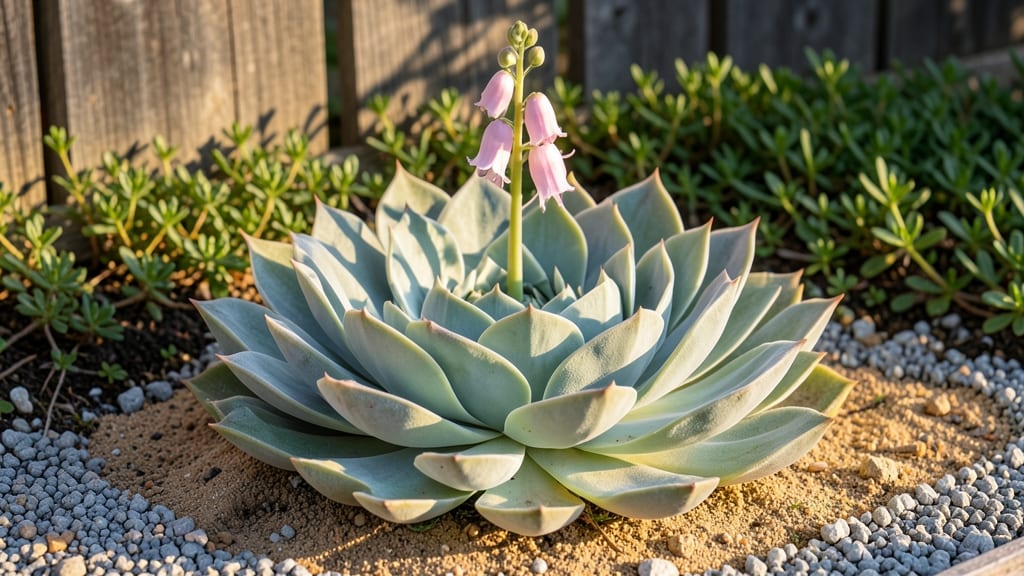
Outdoor flowering succulents bring bold color with almost no fuss—just sun, gritty soil, and forget-me-not watering. I remember my first Echeveria pulvinata bursting into pink blooms last summer after I stopped treating it like a high-maintenance houseplant.
The secret lies in mimicking their desert roots: fast-draining soil, 6+ hours of sun daily, and letting them go thirsty between drinks.
Your starter lineup should include hardy varieties like Kalanchoe blossfeldiana (easy annual blooms), Sedum spectabile (fall fireworks), or Aloe striata (springtime stars). Containers work best for frost-prone zones—just move them indoors when temps dip below 25°F.
For in-ground planting, amend native soil with 50% perlite or coarse sand to prevent rot, and mulch lightly with gravel to keep roots cool.
You’ll reward yourself with vibrant blooms for months—some even flower twice a year—while spending less time fussing than with annuals. The key is pruning only dead growth (never to encourage blooms; these plants flower on old wood) and fertilizing lightly in spring with half-strength succulent mix.
Watch as your patio or garden bed becomes a living tapestry of color without the upkeep.
From coastal California to desert Southwest, these plants adapt—just adjust watering to your climate. The only real enemy is overwatering, so if your thumb’s heavy, stick to containers with drainage holes. Once established, they’ll outlast trendy annuals by years, proving beauty doesn’t need babying.
📚 In This Guide
- What you need
- Instructions
- Tips and common mistakes
- Wrapping up and next steps
What you need
- ● Flowering succulents: Choose 3–5 varieties (e.g., Echeveria, Sedum, Kalanchoe, or Crassula) based on your climate zone.
- ● Well-draining soil: 1–2 bags of cactus/succulent mix (or blend 60% inorganic soil + 40% perlite/pumice).
- ● Containers or garden beds: For pots: 6–12-inch diameter containers (1 per plant) with drainage holes.
- ● For in-ground planting: Full sun exposure (6+ hours/day) and amended soil (add sand/perlite if clay-heavy).
- ● Drainage materials: Small pebbles or broken pottery shards (1–2 inches deep) for pots.
- ● Watering can or hose with gentle nozzle: Avoid overwatering—succulents hate soggy roots!
- ○ Fertilizer (optional but helpful): Balanced, low-nitrogen fertilizer (e.g., 5-5-5 or succulent-specific formula).
- ● Pruning shears or clean scissors: For trimming dead leaves or leggy growth.
- ● Mulch: Gravel or decorative stones to retain moisture and deter weeds.
- ● Plant labels: To track varieties and care needs.
- ● Grow lights (for winter): If your climate gets too cold (<50°F), supplement with LED grow lights.
- ● Succulent-specific pesticides: Neem oil or insecticidal soap for pests like mealybugs.
- ● Thermometer/hygrometer: Monitor temperature and humidity for tropical varieties.
How to cultivate thriving flowering succulents in outdoor settings
Here’s the straightforward approach I’ve used to keep succulents blooming reliably—even in less-than-ideal climates.
Select the Right Succulents for Your Climate
Not all flowering succulents thrive outdoors year-round. Focus on hardy varieties like echeveria, sedum, or sempervivum, which tolerate cooler temperatures better than tropical species. Check your USDA hardiness zone—most flowering succulents need at least zone 7 or warmer for consistent blooms. I always verify a plant’s native range before purchasing; desert-adapted species, like agave, won’t survive frost.
Look for established plants with firm, plump leaves and no signs of rot or pests. Avoid succulents with mushy stems or brown patches—they’re already stressed. If buying online, request plants shipped in biodegradable pots to prevent transplant shock. Once home, let them acclimate indoors for 24 hours before moving outside.
Prepare the Planting Site for Optimal Drainage
Succulents despise soggy roots, so amend the soil with 50% native soil and 50% coarse sand or perlite. This mimics their natural arid habitats. If your yard has heavy clay, raise beds by 4-6 inches to improve drainage. I use crushed granite in the bottom third of containers or in-ground plantings to prevent waterlogging.
Choose a location with 6+ hours of direct sun daily, but protect from midday summer heat (10 AM–2 PM) in hot climates. A partial shade cloth (30-50% coverage) works well. Test the site by checking soil moisture—stick your finger 2 inches deep. If it’s damp after 24 hours, the area isn’t suitable for succulents.
Plant and Water with Precision
Dig holes twice as wide as the root ball but only as deep as the plant’s base. This prevents burying the stem, which causes rot. Gently remove the plant from its pot, loosen the roots if compacted, and place it in the hole. Fill gaps with amended soil, pressing lightly to eliminate air pockets. Water deeply once immediately after planting to settle the roots.
After the first watering, wait 7-10 days before watering again. Succulents store moisture in their leaves, so overwatering is the fastest way to kill them. Check soil moisture by lifting the pot (if container-grown) or pressing your finger 1 inch deep. Water only when the soil feels completely dry. In winter, reduce watering to every 3-4 weeks unless temperatures drop below 40°F.
Fertilize and Encourage Blooms
Use a balanced, water-soluble fertilizer (10-10-10) diluted to half-strength in early spring and again in midsummer. This timing mimics natural nutrient cycles and prevents overfeeding, which stresses plants. I skip fertilizer in fall and winter—succulents go dormant and don’t need extra nutrients. If your succulents aren’t flowering, they may need more sunlight or a longer dormant period.
Deadhead spent blooms by snipping stems ¼ inch above the leaf rosette with clean scissors. This redirects energy to new growth. Avoid pruning leaves unless they’re damaged—healthy foliage supports future blooms. In late summer, reduce water slightly to trigger dormancy, which many flowering succulents need to rebloom the following year.
Protect and Overwinter for Next Year’s Blooms
Before the first frost, move tender succulents to a bright, cool indoor spot (50-60°F) or cover them with burlap and mulch. Hardier varieties, like hen-and-chicks, can stay outside with extra mulch around the base. Check soil moisture monthly in winter—overwatering is the biggest killer during dormancy.
In early spring, resume normal watering and fertilizing as new growth appears. Prune any dead or damaged leaves with sterilized scissors to keep the plant healthy. If you notice yellowing leaves, it’s often a sign of overwatering or nutrient buildup—flush the soil with water to reset the balance. With consistent care, your succulents will reward you with vibrant blooms year after year.
Tips & tricks for perfect outdoor flowering succulents
Real talk: Even the hardiest succulents need a few extra considerations to thrive outdoors. These tricks will help you avoid common pitfalls and keep your plants blooming like clockwork.
Climate Matching: Beyond just checking your USDA zone, pay attention to microclimates in your yard. The north side of your house might be cooler than the south, and a shaded corner could create a different environment. I’ve seen echeveria thrive in zone 8 where sedum would struggle—observe how your plants respond to specific spots over a few weeks. If you’re in a transitional zone (like 6b), consider overwintering containers indoors to protect tender varieties.
Soil Science: The 50/50 soil mix mentioned in Step 2 is non-negotiable, but here’s the deeper secret: Sterilize your native soil first by baking it in the oven at 200°F for 30 minutes to kill pathogens. I also add a handful of worm castings to the mix—it provides gentle nutrients without the risk of overfeeding. For containers, make the bottom 2 inches pure perlite or pumice to prevent compaction and improve aeration at the root level.
Watering Wisdom: That 7-10 day wait after planting isn’t just about letting roots establish—it’s about preventing fungal issues. I’ve found that watering from below (by placing pots in saucers of water for 10 minutes) encourages deeper root growth better than top-watering. In summer, water in the early morning to prevent evaporation and fungal growth from evening moisture. And here’s a pro move: Use a moisture meter instead of guessing—succulents need soil to be bone dry between waterings, not just "a little damp."
Bloom Trigger: The late-summer water reduction to trigger dormancy works best if you pair it with a slight temperature drop. Many flowering succulents need this environmental shift to set next year’s flower buds. If your summers stay consistently hot, try moving pots to a slightly shadier spot for a few weeks to mimic seasonal changes. I’ve noticed that even a 5°F drop in nighttime temps can make a difference in bloom initiation.
Pro Tips for Flowering Succulents Outdoors
- Real talk: Even the hardiest succulents need a few extra considerations to thrive outdoors.
- Climate Matching: Beyond just checking your USDA zone, pay attention to microclimates in your yard.
- Soil Science: The 50/50 soil mix mentioned in Step 2 is non-negotiable, but here’s the deeper secret: Sterilize your native soil first by baking it in the oven at 200°F for 30 minutes to kill pathogens.
Frequently asked questions
Got questions about bringing flowering succulents outdoors? You’re not alone! Here are answers to the most common queries to help you grow vibrant blooms with ease.
When is the best time to plant flowering succulents outdoors?
Plant flowering succulents in spring or early summer after the last frost when soil temps are consistently above 50°F (10°C). This gives roots time to establish before winter. Avoid planting in extreme heat—succulents need a few weeks to acclimate to direct sun.
How often should I water flowering succulents outdoors?
Water deeply but infrequently—about once every 1–3 weeks, depending on climate. Stick your finger 1–2 inches into the soil; if it’s dry, water thoroughly until it drains from the bottom. Overwatering is the #1 killer of succulents! Mulch helps retain moisture.
Can flowering succulents survive winter outdoors?
Most flowering succulents (like Echeveria or Kalanchoe) need protection in freezing temps. Move potted plants to a sheltered spot or cover them with burlap. Hardy varieties (e.g., Sedum) may tolerate light frost, but mulch heavily to insulate roots.
Why aren’t my flowering succulents blooming?
Blooms often depend on light, dormancy, and age. Ensure they get 6+ hours of sun daily and mimic winter conditions (reduce water in fall). Young plants may take 1–2 years to flower. Check for pests (like mealybugs) or nutrient deficiencies—feed with a low-nitrogen fertilizer in spring.
What are the best low-maintenance flowering succulents for beginners?
Start with these hardy, drought-tolerant picks:
- Aloe vera – Striking orange blooms (with patience!)
- Kalanchoe blossfeldiana – Bright clusters, thrives in pots
- Sedum ‘Autumn Joy’ – Pink pom-pom flowers, cold-resistant
- Portulaca grandiflora – Fast-growing, heat-loving annual
Wrapping up and next steps
Growing flowering succulents outdoors is a rewarding way to add vibrant color to your garden with minimal effort! These hardy plants thrive in sunny spots, require little water, and burst into stunning blooms—perfect for busy gardeners.
Whether you’re a beginner or a seasoned green thumb, start small, choose the right varieties, and enjoy the beauty of low-maintenance blooms year after year.
Ready to dive in? Pick your favorite succulents, prep your space, and watch your outdoor oasis transform! 🌸✨