
Flowers
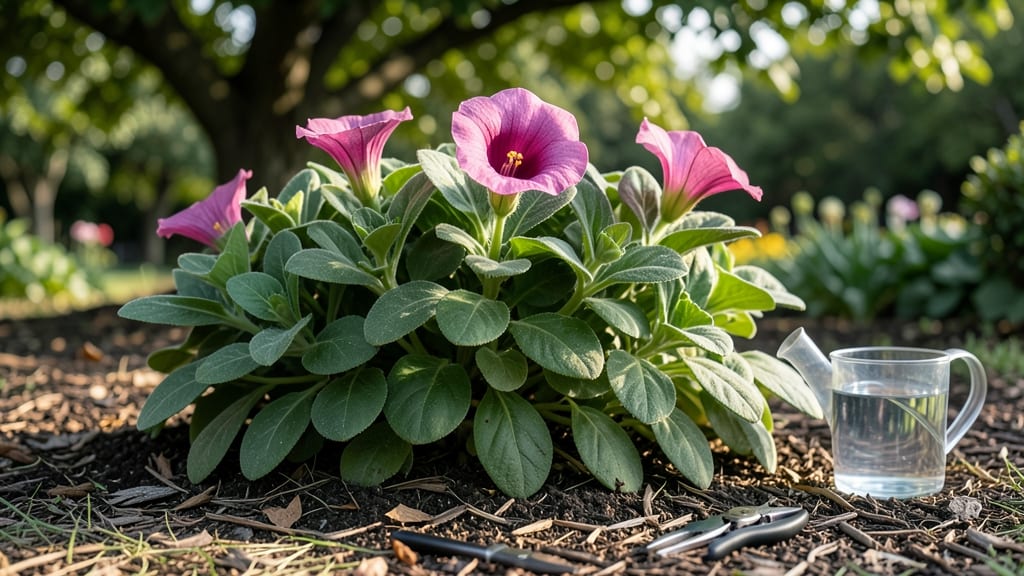
Those four-o’clock flowers with a zero in their name burst into color just as the sun dips below the horizon—turning your small garden into a magical evening retreat. 🌿 I’ve grown them in containers, window boxes, and even hanging baskets, and their vibrant blooms always steal the show after dinner.
The secret lies in their compact size and heat-loving nature, making them perfect for patios, balconies, or tucked into cottage garden borders where they’ll spill over edges effortlessly.
These little powerhouses thrive in 6 hours of sun and well-draining soil, so they’re ideal for beginners or busy gardeners. Plant them in clusters of three for a continuous bloom from midsummer to frost, and watch how their trumpet-shaped flowers open one by one as the air cools.
The colors—pink, yellow, purple, and white—create a dreamy, almost surreal effect when lit by porch lights or moonlight.
Pair them with silver foliage plants like lamb’s ear or dusty miller to make their colors pop, or mix in scented annuals like sweet alyssum for a fragrant evening garden. Their late-day blooming habit also attracts moths and hummingbirds when other flowers have called it quits for the day.
Once established, they’re drought-tolerant and self-seeding, so you’ll have more plants than you started with every year.
Whether you’re designing a romantic dinner patio or a low-maintenance border, these flowers deliver high-impact beauty with minimal effort. The key is choosing the right spot—somewhere you’ll notice them when the day turns to night. Ready to transform your space into an after-hours garden oasis? Let’s get planting!
📚 In This Guide
- What you need
- Instructions
- Tips and common mistakes
- Wrapping up and next steps
What you need
- ● Four O’Clock Flower Seeds or Seedlings: Dwarf varieties like Mirabilis jalapa ‘Mini Star’ or ‘Liliput’ (check seed packets for "compact" or "dwarf" labels).
- ● Quantity: 3–5 seeds per container (or 1–2 seedlings per 6-inch pot).
- ● Containers: 6–12-inch pots with drainage holes (or a window box with depth ≥ 6 inches).
- ○ Fabric grow bags (optional, for better aeration).
- ● High-Quality Potting Mix: Well-draining, peat-free mix (e.g., Miracle-Gro Potting Soil or FoxFarm Ocean Forest).
- ● Add 20% perlite or vermiculite for extra drainage (critical for dwarf varieties!).
- ● Tools: Small hand trowel or spoon.
- ● Watering can with a fine rose nozzle (or spray bottle for seedlings).
- ○ Gloves (optional, but seeds can stain!).
- ● Sunlight: 6+ hours of direct sun daily (south-facing windows or full sun outdoors).
- ● Temperature: Ideal germination range: 70–80°F (21–27°C).
- ● Water: Keep soil consistently moist but not soggy (dwarf varieties hate wet feet!).
- ● Patience: Seeds germinate in 10–21 days; flowers appear in 60–90 days.
- ● Slow-release fertilizer (e.g., Osmocote) for steady nutrients.
- ● Self-watering planters to maintain moisture.
- ● Trellis or small stakes (if training vines—some dwarf varieties may climb!).
- ● LED grow lights (for indoor setups with <6 hours of sunlight).
How to cultivate dwarf four o'clock flowers in compact spaces
Here's my foolproof method for coaxing vibrant blooms from tiny plants—ideal for balconies, windowsills, and patio pots.
🌱 Step 1: Select and Prepare Containers for Optimal Drainage
Choose 6-inch diameter containers with drainage holes—terracotta pots work best because they wick away excess moisture. I avoid plastic because it traps humidity and invites root rot. Fill each pot with 2 gallons of well-draining potting mix (never garden soil) and tap gently to eliminate air pockets. The mix should feel like a damp sponge when squeezed.
Add a 1-inch layer of perlite at the bottom to boost drainage. This prevents waterlogging, which is deadly for four o'clocks. Place a coffee filter over the drainage hole to keep perlite from washing out while still allowing water to escape freely. Here's the thing—if your container lacks holes, drill them yourself. Roots need oxygen, not a swampy prison.
☀️ Step 2: Plant Seeds at the Right Depth and Spacing
Sow 2-3 seeds per pot at a depth of ¼ inch—about the width of a pencil tip. Press them lightly into the soil so they make good contact but don't bury them too deep. Four o'clock seeds need darkness to germinate, so cover the pot with a clear plastic dome or wrap it in plastic wrap. Place it in a warm spot (70-75°F) until sprouts appear.
Watch for germination in 7-14 days. The first sign is a tiny green hook breaking through the soil. Once all seeds sprout, remove the cover immediately—trapped moisture causes damping-off, which kills seedlings overnight. Thin to the strongest seedling per pot when they reach 1 inch tall, using clean scissors to snip the others at soil level.
💧 Step 3: Provide Bright Light and Controlled Watering
Move seedlings to a south-facing window or under grow lights providing 12-14 hours of light daily. Four o'clocks need full sun to bloom prolifically, but direct afternoon sun can scorch young plants. If leaves look pale or stems stretch excessively, your light is insufficient—adjust within 6 inches of the plants.
Water when the top inch of soil feels dry—about every 3-4 days in summer. I use a spray bottle for seedlings to avoid disturbing them, then switch to bottom-watering (placing pots in a tray of water for 10 minutes) once they're established. Overwatering is the #1 killer—yellowing leaves or mushy stems mean you're drowning them.
✂️ Step 4: Prune and Encourage Bushy Growth
When plants reach 6 inches tall, pinch back the tips to encourage branching. This creates a fuller bush with more blooms. Use clean fingers or small pruners to remove the top ½ inch of growth. Avoid cutting into woody stems—you want to shape the plant, not damage it.
Deadhead spent blooms by snipping the stem just above the next set of leaves. This redirects energy to new flowers instead of seed production. I do this every 2-3 days in peak bloom season. If you see buds forming but not opening, your plant needs more light or nutrients—switch to a balanced 10-10-10 fertilizer diluted to half strength every 2 weeks.
🪴 Step 5: Overwinter and Propagate for Next Year
In fall, when frost threatens, move pots indoors to a cool (55-60°F), bright location. Reduce watering to once every 10-14 days and stop fertilizing. Four o'clocks are tender perennials—they'll die back but can regrow from cuttings if you're patient.
To propagate, take 4-inch stem cuttings in early spring, dip in rooting hormone, and place in moist perlite. Cover with a plastic bag to retain humidity. Roots form in 3-4 weeks. Here's the thing—if your original plants look tired, it's easier to start fresh from seed than revive old growth. I refresh mine every 2-3 years for the best blooms.
Tips & tricks for perfect dwarf four o'clock blooms
These game-changing strategies will help you coax the most vibrant, prolific blooms from your compact four o'clock plants—no green thumb required.
Container Selection: Terracotta pots are ideal, but if you're using alternative materials, ensure they have adequate drainage holes. I've had great success with fiberglass containers—they're lightweight and retain moisture better than plastic without trapping humidity. For hanging baskets, choose ones with at least 6-inch diameter openings to accommodate root growth. Remember, drainage is non-negotiable: four o'clocks despise soggy roots.
Germination Environment: Maintain that 70-75°F temperature range consistently during germination. I place my seed trays on top of refrigerators or use seedling heat mats for reliable warmth. Once you see those first green hooks emerge (usually within 7-14 days), remove the cover immediately—trapped moisture causes damping-off faster than you can say "wilted seedlings." Pro tip: Use a small fan on low setting near the seedlings to strengthen their stems and prevent leggy growth.
Light Optimization: The 12-14 hours of daily light is crucial for flowering. If your south-facing window isn't sufficient, supplement with LED grow lights positioned 6 inches above the plants. Rotate your pots daily to ensure even growth—this prevents plants from leaning toward the light source. I've noticed that plants receiving consistent light from all directions produce more symmetrical blooms and stronger stems that can support the trumpet-shaped flowers.
Watering Wisdom: That top inch soil dry guideline is perfect, but here's what nobody tells you: the 10-minute bottom-watering method works wonders for established plants. Place your pots in a tray of water until the soil surface becomes uniformly moist. This technique ensures thorough hydration without disturbing delicate roots. For seedlings, stick with the spray bottle method—it mimics natural rainfall and prevents soil compaction that can occur with heavier watering.
Pro Tips for Four 0 Clock Flowers
- These game-changing strategies will help you coax the most vibrant, prolific blooms from your compact four o'clock plants—no green thumb required.
- Container Selection: Terracotta pots are ideal, but if you're using alternative materials, ensure they have adequate drainage holes.
- Germination Environment: Maintain that 70-75°F temperature range consistently during germination.
Frequently asked questions
Got questions about growing Four O’Clock Flowers in small spaces? You’re not alone!
Whether you’re a beginner or a seasoned gardener, these dwarf varieties are a game-changer—but they do come with a few quirks. Below, we’ve rounded up the most common queries to help you bloom with confidence.
What’s the best time of year to plant Four O’Clock Flowers?
Plant your dwarf varieties in early spring after the last frost (when soil temps hit at least 60°F) or in late summer for a fall bloom. They thrive in warm weather but need time to establish roots before cooler months. If you’re in a mild climate, you can even try container planting in early summer for a quick show!
How long does it take for Four O’Clock Flowers to bloom?
With proper care, expect 6–8 weeks from seed to first bloom! If you’re starting with transplants, you might see flowers in as little as 4–6 weeks. Patience is key—these beauties reward consistency with vibrant blooms from late summer to frost. Pro tip: Deadhead spent flowers to encourage more blooms!
Can I grow Four O’Clock Flowers in containers?
Dwarf varieties are perfect for containers—just use pots at least 12 inches deep with drainage holes. Choose lightweight mixes with perlite or vermiculite to prevent root rot. Place them in full sun (6+ hours/day) and water when the top inch of soil feels dry. Bonus: They’re great for balconies, patios, or even hanging baskets!
What pests should I watch for with Four O’Clock Flowers?
Keep an eye out for aphids, spider mites, and Japanese beetles—they love these fragrant blooms! If you spot tiny green bugs or webbing, blast them off with water or use neem oil as a natural remedy. For beetles, handpick them early in the morning. Prevention tip: Healthy plants (with balanced fertilizer) resist pests better!
Are there any low-maintenance alternatives to Four O’Clock Flowers?
If you want easy, drought-tolerant blooms with similar charm, try Zinnias, Marigolds, or Lantana. They’re all pollinator-friendly and thrive in small spaces. For night-blooming options, consider Evening Primrose or Moonflower Vine. Just match their sunlight and water needs to your growing conditions!
Wrapping up and next steps
Growing Four O’Clock Flowers in small spaces isn’t just possible—it’s a rewarding adventure! 🌸 With the right dwarf varieties, minimal materials, and a dash of patience, you’ll transform even the tiniest balcony or windowsill into a fragrant, vibrant oasis.
Whether you’re a beginner or a seasoned green thumb, these low-maintenance beauties prove that big blooms don’t need big yards.
Now that you’re armed with tips and answers, why not start today? Pick your favorite dwarf variety, grab your supplies, and let nature’s clockwork magic unfold. Happy gardening—your future floral displays are waiting! 🌱✨