
Landscaping
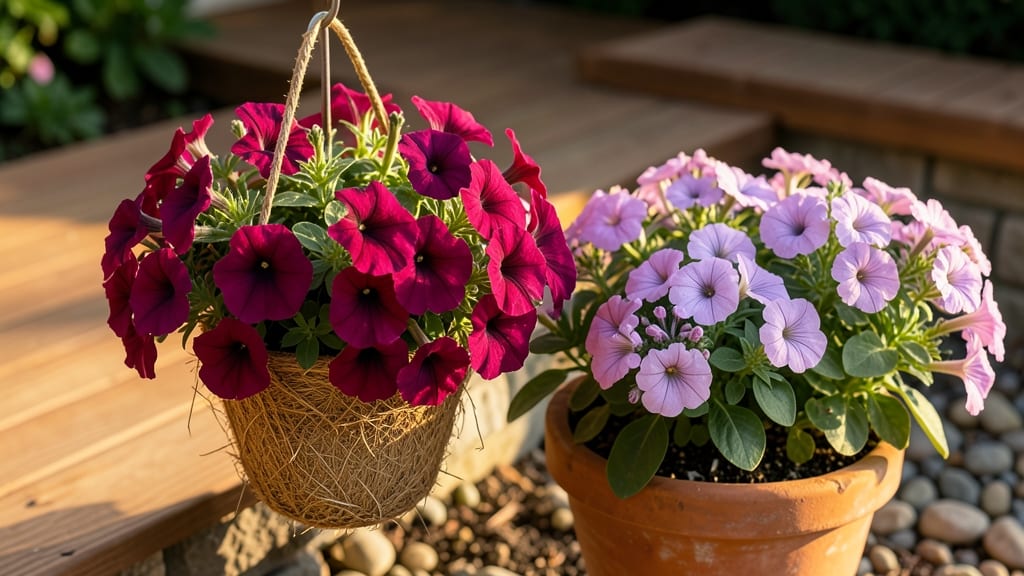
Here are some front porch flower ideas that bloom effortlessly in shade—turning dull corners into vibrant welcoming spots without needing full sun. 🌿 The right plants transform a shady porch into a lush, low-maintenance statement piece that neighbors envy.
Start with impatiens or begonias for instant color, paired with heucheras for textured foliage. Add ferns or hostas for height and drama, and mix in sweet alyssum for delicate filler.
Containers like hanging baskets or window boxes maximize small spaces, while terracotta pots add rustic charm. These plants thrive in partial shade, so you skip the guesswork about sunlight.
By summer, your porch will burst with pink, purple, and white blooms that stay vibrant through rain and humidity. The scent of jasmine or gardenia (if you’re in a warmer zone) adds an extra layer of charm.
Even better, these plants need minimal fuss—just consistent watering and occasional deadheading to keep them flowering all season.
For extra curb appeal, tuck in herbs like mint or lemon balm in small pots or succulents for contrast. A simple DIY trellis with climbing clematis or ivy adds vertical interest without taking up floor space.
The key is layering textures and colors—soft, feathery foliage against bold blooms creates depth that catches the eye from the street.
📚 In This Guide
- What you need
- Instructions
- Tips and common mistakes
- Wrapping up and next steps
What you need
- ● Shade-tolerant flowering plants: Choose from 3–5 varieties (e.g., Impatiens, Fuchsia, Hosta, Heuchera, or Bleeding Heart). Quantities depend on porch size—aim for 1–2 plants per square foot for a lush look.
- ● Containers: 2–4 pots (12–16 inches in diameter) or window boxes, with drainage holes. Opt for terracotta, ceramic, or fiberglass for durability.
- ● High-quality potting mix: 1–2 bags (1–2 cubic feet each) of moisture-retentive, well-draining soil (e.g., a blend with peat moss or coconut coir).
- ● Mulch: 1 bag of organic mulch (e.g., shredded bark or pine needles) to retain moisture and suppress weeds.
- ○ Gloves (1 pair) and knee pads (optional but helpful).
- ● Trowel or small shovel for planting.
- ● Watering can or hose with a gentle spray nozzle (for even moisture distribution).
- ● Pruners (small, sharp pair) for trimming dead blooms or overgrowth.
- ● Fertilizer: Slow-release balanced fertilizer (10-10-10) or organic options like compost tea (apply every 4–6 weeks).
- ○ Optional: Decorative stones or pebbles for a polished look.
- ● Solar-powered lights (for evening ambiance).
- ● Self-watering planters (if you travel often).
Step-by-step guide for designing a thriving shade garden on your front porch
Here's how to transform your shady porch into a vibrant floral display using plants that love low light.
🌿 Step 1: Choose the Right Shade-Tolerant Plants for Your Space
Start by selecting plants that thrive in partial to full shade conditions—typically 4-6 hours of filtered light daily. For your front porch, I recommend impatiens, ferns, hostas, or astilbes for their ability to flourish in cooler, less sunny spots. These plants naturally grow in woodland understories, so they're perfect for porches with overhead trees or north-facing walls.
Check your porch's light conditions first: if it's deep shade (almost no direct light), opt for begonias or caladiums. If it's partial shade (dappled sunlight), coleus or heuchera will add bold color and texture. I always group plants with similar shade needs together to create a cohesive look—mixing sun-lovers with shade plants leads to uneven growth and disappointment.
🪴 Step 2: Select and Prepare Containers for Optimal Drainage
Use containers with drainage holes—shade plants are prone to root rot if left in soggy soil. I prefer terra cotta pots because they breathe better than plastic, but any container with holes will work. For 4 plants, you'll need 4-6 containers (mix sizes for visual interest). Larger pots (12-14 inches) work well for hostas or ferns, while smaller ones (6-8 inches) suit impatiens or begonias.
Line the bottom of each pot with 1-2 inches of gravel or broken pottery to improve drainage. This prevents water from pooling at the roots, which is especially critical in shade where soil stays moist longer. Fill the remaining space with well-draining potting mix—avoid garden soil, which compacts and suffocates roots. I like to add a handful of perlite to the mix for extra aeration.
☀️ Step 3: Plant and Arrange for Visual Impact
Dig a hole in each container twice as wide as the plant's root ball but only as deep. Place the plant in, ensuring the top of the root ball sits level with the pot's rim—burying stems too deep causes rot, while planting too high stresses the plant. Gently firm the soil around the roots and water deeply to settle everything in place.
Arrange containers in odd-numbered groups (3 or 5) for a natural, balanced look. Place taller plants like astilbes or ferns at the back or center, with shorter impatiens or begonias spilling over the edges. I always step back and check the arrangement from the street—your porch is the first thing visitors see, so make it inviting. Add mulch to the soil surface to retain moisture and suppress weeds, especially important in shade where growth is slower.
💧 Step 4: Water and Maintain for Long-Lasting Blooms
Water every 2-3 days until the top inch of soil feels dry—shade plants need consistent moisture but not soggy conditions. In hotter months, you may need to water daily, but always check before adding more. I water in the early morning to reduce evaporation and fungal risks. Avoid wetting the leaves, especially for hostas or ferns, as this can encourage mildew.
Fertilize every 4-6 weeks with a balanced, water-soluble fertilizer (10-10-10 ratio) to keep blooms vibrant. Shade plants grow slower, so they don’t need heavy feeding, but a little goes a long way. Deadhead spent blooms on impatiens or begonias to encourage more flowers—this simple step keeps them looking fresh all season. Watch for yellowing leaves, which usually means overwatering or poor drainage, and adjust your care routine accordingly.
Tips & tricks for perfect shade garden arrangements
Creating a thriving shade garden isn't just about selecting the right plants—it's about understanding their unique needs and maximizing their potential in low-light conditions.
Light Assessment: Before purchasing plants, spend a day observing your porch's light patterns. Note which areas receive dappled sunlight (partial shade) versus those with almost no direct light (full shade). This simple step prevents costly mistakes—impatiens will languish in deep shade, while ferns may struggle with too much indirect light. I always test with a plant's natural habitat as my guide: if it grows under trees, it'll thrive on your porch.
Container Material Matters: While terra cotta pots are ideal for their breathability, don't overlook fiberglass or glazed ceramic options if you're concerned about cracking in freezing temperatures. For larger containers (12-14 inches), consider self-watering designs to maintain consistent moisture levels—critical for shade plants that dry out more slowly. The key is balancing aesthetics with functionality; your porch deserves both beautiful AND practical containers.
Soil Science: The well-draining potting mix mentioned in Step 2 should include a mix of peat moss, perlite, and compost in a 40-30-30 ratio. This blend provides the moisture retention shade plants crave while preventing compaction. For extra insurance, I add a handful of orchid bark to the mix—it improves aeration and mimics the forest floor where many shade plants originate. Remember, proper soil is the foundation of your shade garden's success.
Seasonal Adjustments: While the 2-3 day watering schedule works well in spring and fall, summer heat may require daily watering—especially for smaller containers (6-8 inches) that dry out faster. Conversely, winter's cooler temperatures might stretch your watering interval to every 4-5 days. Always check the top inch of soil before watering; shade plants show stress through yellowing leaves or wilting foliage, but these signs often appear after the damage is already done.
Pro Tips for Front Porch Flower Ideas
- Creating a thriving shade garden isn't just about selecting the right plants—it's about understanding their unique needs and maximizing their potential in low-light conditions.
- Light Assessment: Before purchasing plants, spend a day observing your porch's light patterns.
- Container Material Matters: While terra cotta pots are ideal for their breathability, don't overlook fiberglass or glazed ceramic options if you're concerned about cracking in freezing temperatures.
Frequently asked questions
Got questions about creating a stunning front porch flower garden in shade? You’re not alone! Here are some of the most common queries—and their answers—to help you grow with confidence.
What are the best shade-tolerant flowers for a front porch?
Opt for impatiens, begonias, fuchsias, heucheras, or hostas—they thrive in low light and add vibrant color. For fragrant options, try sweet woodruff or daphne. Mix textures (like ferns or calatheas) for depth!
How long does it take for shade flowers to bloom?
Most shade-loving annuals (like impatiens) bloom in 4–6 weeks after planting, while perennials (e.g., hostas) may take 1–2 seasons to reach full potential. Patience pays off—slow growers often reward you with longer blooming seasons!
Do shade flowers need extra watering?
Yes! Shady spots can stay damp longer, but consistent moisture is key. Water deeply 2–3 times per week (or daily in extreme heat) and mulch to retain humidity. Avoid soggy soil—ensure pots/containers have drainage holes!
Can I use containers for a front porch flower garden?
Containers are perfect for shade gardens—just choose lightweight, breathable pots (terracotta or fabric) and use well-draining soil. Group plants with similar water needs together for easy care. Pro tip: Add a saucer to catch overflow!
How do I keep pests away from my shade flowers?
Prevent pests with neem oil or insecticidal soap for aphids/slugs. Encourage beneficial bugs (like ladybugs) by planting marigolds nearby. Check leaves regularly—early action stops infestations before they spread!
Still stumped? Drop your question in the comments—we’re happy to help your porch bloom brighter!
Wrapping up and next steps
Transforming your front porch into a vibrant, shade-friendly oasis is easier—and more rewarding—than you think! 🌿 With the right shade-tolerant blooms, you can create a welcoming, low-maintenance retreat that bursts with color year-round.
Whether you’re drawn to the delicate charm of heucheras, the bold drama of impatiens, or the whimsical allure of fuchsias, every choice adds personality and curb appeal to your home.
Ready to take the next step? Start small—pick one or two plants that resonate with your style, gather your supplies, and get planting! Before you know it, your front porch will be the envy of the neighborhood. Happy gardening! 🌸