
Companion Plants
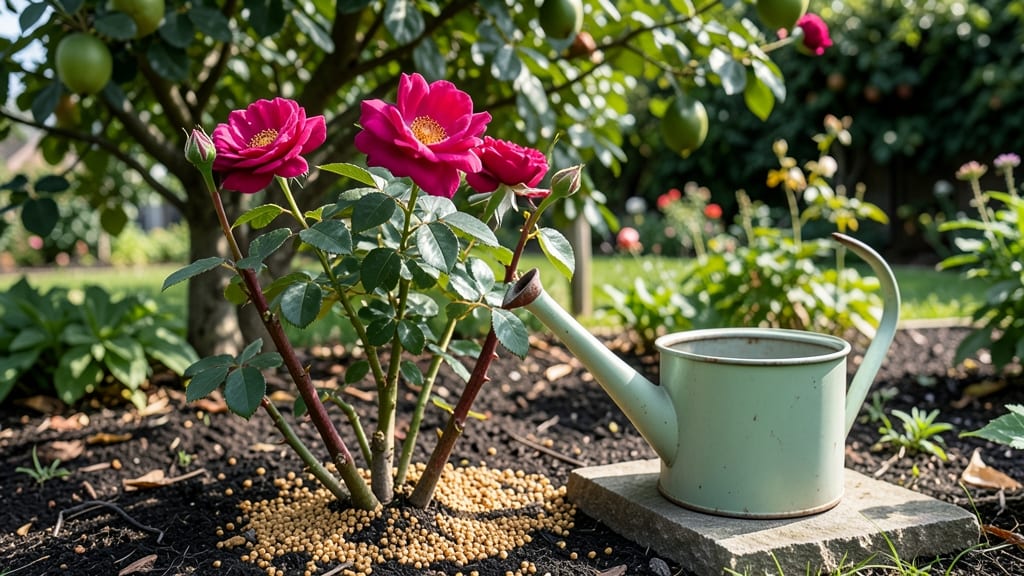
Learn how to increase flowering in rose plants naturally—my garden’s secret lies in pruning them year-round with just a few strategic cuts at the right moments. The key isn't just when you prune, but how you shape the plant to encourage new growth where flowers form.
I went from three major blooms per season to dozens of stems by adjusting my timing and technique.
You'll need sharp pruners, a notebook to track cuts, and an understanding of rose buds—those plump swellings hiding under last year's leaves hold next season's flowers. The real secret? Pruning after blooms fade (not before) and cutting above outward-facing buds to redirect energy into fresh stems.
Organic compost tea and a balanced organic fertilizer keep roots feeding those new shoots without burning the plant.
By summer's end, you'll see thick clusters of buds forming where you made cuts, and with consistent watering (deep soak once a week), those buds turn into blooms that last through fall.
The best part? No harsh chemicals—just sharp tools, patient shaping, and letting the plant do the work. Ready to transform those bare stems into a floral masterpiece?
This method works for hybrid teas, floribundas, and even climbing roses—just adjust the pruning intensity based on your variety. The first year might surprise you with fewer blooms as the plant adjusts, but by year two, you'll have continuous color that makes neighbors ask for cuttings.
Let's get those shears ready!
📚 In This Guide
- What you need
- Instructions
- Tips and common mistakes
- Wrapping up and next steps
What you need
- ● Pruning shears: Sharp, bypass-style shears (avoid dull or anvil types). Quantity: 1 pair (sterilized with rubbing alcohol).
- ● Garden gloves: Heavy-duty, cut-resistant gloves (e.g., nitrile-coated) to protect hands. Quantity: 1 pair.
- ● Disinfectant: 70% isopropyl alcohol or copper fungicide (for sterilizing tools). Quantity: Small bottle (4 oz).
- ● Organic fertilizer: Compost (aged, 2–3 inches layered around base).
- ● Fish emulsion (5-5-5 NPK ratio, diluted to 1 tbsp per gallon of water).
- ● Bone meal (for phosphorus, 1 cup per plant, spring/fall).
- ● Mulch: Straw, wood chips, or pine bark (2–3 inches thick). Avoid: Fresh wood or dyed mulch.
- ● Watering can or hose: With adjustable nozzle for gentle watering.
- ● pH test kit: Digital or liquid test strips (ideal pH: 6.0–6.5).
- ● Companion plants: Marigolds (pest-repellent) or lavender (stress-reducing).
- ● Epsom salt: Magnesium sulfate (1 tbsp per gallon of water, monthly spray).
- ● Rose-specific pruning saw: For thick stems (2+ inches in diameter).
- ● Grow lights: LED bulbs (12–16 hrs/day in low-light climates).
- ● Journal/notebook: To track pruning dates, fertilizer applications, and bloom cycles!
Step-by-step pruning techniques to boost rose flowering naturally
Here’s how I transform my roses into nonstop bloomers—no chemicals, just smart cuts and seasonal timing.
Understand Your Rose Type and Prune at the Right Time
First, identify your rose variety. Hybrid teas and floribundas bloom on new wood, so prune them in early spring or after flowering. Climbers and shrub roses often bloom on old wood too—wait until late winter when the plant is dormant. I always prune when the plant is still bare or just starting to bud, but before new growth begins.
Check for canes that are dead, diseased, or crossing each other. These need immediate removal. Use clean, sharp pruners to make clean cuts at a 45-degree angle about ¼ inch above an outward-facing bud. This angle prevents water from pooling and causing rot. If you’re unsure which canes to keep, look for the thickest, healthiest stems—they’ll produce the most flowers.
Thin Out Crowded Canes for Better Airflow
Overcrowding stresses roses and reduces flowering. Aim to leave 3-5 strong canes on hybrid teas and floribundas, and 5-7 canes on shrub roses. I start by removing any weak, thin, or spindly canes first—these won’t contribute much to blooms. Then, I space the remaining canes evenly around the plant to encourage airflow and sunlight penetration.
Watch for canes growing inward or rubbing against others. These create wounds that attract pests and diseases. Cut them back to the base or to a strong outward bud. You’ll notice the plant’s center opens up immediately—this is your first sign of improved flowering potential. Avoid leaving stubs; always cut just above a bud or branch collar.
Encourage Strong New Growth with Strategic Cuts
After thinning, focus on shaping the plant. For hybrid teas, cut back the remaining canes by one-third to one-half of their length. For shrub roses, prune selectively to maintain a natural shape while removing only the oldest canes. The goal is to stimulate new, vigorous growth from the base and along the canes.
Look for swollen buds along the canes—these are where next year’s flowers will form. Leave 3-5 buds on each cane, spaced evenly. Avoid over-pruning; you want to keep the plant’s energy balanced. Water deeply after pruning to help the plant recover and encourage root growth, which supports more blooms.
Feed and Mulch for Continuous Blooming
After pruning, roses need nutrients to fuel their flowering. Apply a balanced, organic fertilizer (like 10-10-10) in early spring, then switch to a low-nitrogen, high-phosphorus fertilizer (like 5-10-10) when buds form. I also top-dress with compost or well-rotted manure to improve soil structure and microbial activity.
Mulch around the base with 2-3 inches of organic mulch (like wood chips or straw) to retain moisture and regulate soil temperature. Keep mulch 6 inches away from the stem to prevent rot. You’ll see new leaves emerge within 2-3 weeks—this is your signal that the plant is recovering and preparing for a flowering surge.
Deadhead and Maintain Through the Season
Deadheading spent blooms is the secret to year-round flowering. Pinch or cut off faded flowers just above a set of healthy leaves or buds. This redirects the plant’s energy from seed production to growing more blooms. I deadhead every 2-3 days during peak bloom time to keep the plant producing.
Keep an eye out for pest or disease signs like yellowing leaves, black spots, or sawfly larvae. Treat issues immediately with neem oil or horticultural soap to avoid stressing the plant. Regularly check the soil moisture—roses need 1-2 inches of water per week, but avoid soggy soil. You’ll know you’re on the right track when your roses produce continuous blooms with minimal gaps between flushes.
Tips & tricks for perfect rose pruning
These simple strategies will help you maximize blooms and keep your roses thriving all season long.
The Right Time Matters: I can't emphasize enough how critical timing is for rose pruning. For hybrid teas and floribundas, prune in early spring when you first see buds forming but before new growth starts. This timing ensures you're cutting back just as the plant begins its active growth phase. For climbers and shrub roses, late winter pruning is key—when the plant is still dormant but starting to show signs of life. The goal is to catch that sweet spot between dormancy and new growth.
Clean Cuts Prevent Problems: Always use clean, sharp pruners and make your cuts at a 45-degree angle about ¼ inch above an outward-facing bud. This angle is crucial because it prevents water from pooling at the cut site, which can lead to rot. I've seen so many roses suffer from poor cuts that led to infections. Take your time with this step—it's the foundation for healthy growth. Also, remember to sterilize your pruners between cuts with rubbing alcohol to prevent spreading disease.
Strategic Thinning Creates Airflow: When you're thinning crowded canes in Step 2, focus on creating an open center that allows sunlight and air to circulate. I like to visualize the plant as a dome—you want light to reach all the way to the center. For hybrid teas, aim to leave just 3-5 strong canes spaced evenly. For shrub roses, you can keep 5-7 canes but maintain that open structure. This airflow is what prevents fungal diseases and encourages strong, healthy blooms throughout the season.
Post-Pruning Care Boosts Recovery: After you've finished pruning, give your roses a deep watering to help them recover. I always water immediately after pruning because the plant has just undergone significant stress. Within 2-3 weeks, you should see new leaves emerging—a clear sign the plant is healing and preparing for a flowering surge. This is also the perfect time to apply your balanced organic fertilizer to give the plant the nutrients it needs for vigorous growth.
Pro Tips for Increase Flowering In Rose Plants Naturally
- These simple strategies will help you maximize blooms and keep your roses thriving all season long.
- The Right Time Matters: I can't emphasize enough how critical timing is for rose pruning.
- Clean Cuts Prevent Problems: Always use clean, sharp pruners and make your cuts at a 45-degree angle about ¼ inch above an outward-facing bud.
Frequently asked questions
Got questions about boosting your roses’ blooms? You’re not alone! Here are answers to the most common queries about natural flowering tricks—no fancy chemicals required.
When is the best time to prune roses for more flowers?
Prune after the first hard frost in late fall or early spring (before new growth starts). For repeat bloomers like hybrid teas, trim back dead or weak stems in late winter, then do a lighter summer prune to encourage more buds. Avoid heavy pruning in summer—it can stress the plant!
Will cold weather stop my roses from flowering?
Cold alone won’t stop blooms, but late frosts can damage buds. Choose hardy rose varieties (like Knaphill or rugosas) for colder climates. Mulch heavily in winter to protect roots, and avoid pruning too early—wait until consistent daytime temps above 50°F (10°C).
Can companion plants help roses flower more?
Plant basil, thyme, or marigolds nearby to repel pests and improve soil health. Comfrey (a dynamic accumulator) adds nutrients, while lavender deters aphids. Just avoid competitive plants like mint or invasive grasses that steal water.
Why aren’t my roses blooming despite my efforts?
Check for these culprits:
- Over-fertilizing with nitrogen (promotes leaves, not flowers—use low-N, high-P fertilizers instead).
- Poor drainage (soggy roots = stress = fewer blooms).
- Disease or pests (black spot, powdery mildew, or spider mites).
- Not enough sunlight (roses need 6+ hours of direct sun).
How often should I water roses for best flowering?
Water deeply 1–2 times per week (early morning is best) to encourage strong root growth. Drip irrigation keeps foliage dry, reducing fungal risks. Avoid wetting leaves—water at the base instead. During blooming season, consistency is key—let the soil dry slightly between waterings.
Wrapping up and next steps
Increasing flowering in your rose plants naturally is all about patience, proper care, and a little green thumb magic! 🌸 By mastering pruning techniques, optimizing sunlight and nutrients, and leveraging companion plants, you’ll unlock a garden bursting with vibrant blooms year-round.
Remember, every trim and tweak brings you closer to that dreamy, fragrant rose garden.
Now that you’re armed with the secrets, roll up your sleeves and get pruning! Start with just one plant, track your progress, and soon, your entire rose garden will thank you. Happy gardening—your roses are about to shine brighter than ever! 🌿✨