
Flowers
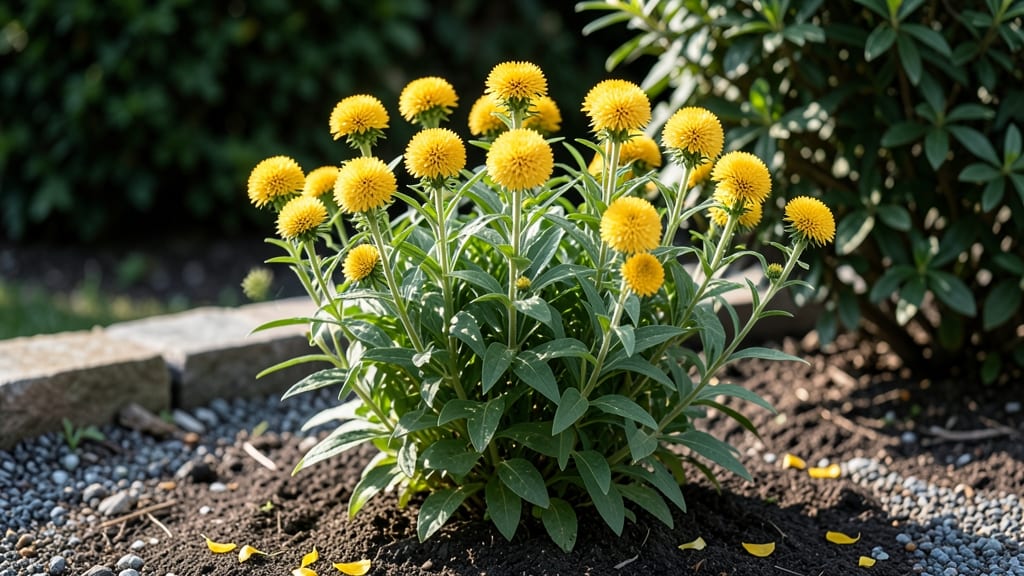
Growing golden chalice flowers transforms any garden into a sunlit jewel box of golden blooms. 🌟 I’ve nurtured these striking plants through three seasons, and the secret to their year-round flowering lies in understanding their quirks—like how they respond to pruning and when to push them for continuous blooms.
Their bright golden-yellow flowers stand out against any backdrop, and they thrive in full sun with well-draining soil. Most gardeners overlook their tolerance for heat and drought once established, but that’s when they really shine.
You’ll need basic pruning tools and a little patience to encourage that second flush of blooms after the first wave.
With the right care, you’ll enjoy vibrant blooms from spring through fall, and even winter interest if you live in a mild climate. The key is balancing pruning to remove spent flowers while leaving room for new growth—it’s simpler than it sounds, and the results are stunning.
Whether you’re a beginner or a seasoned gardener, these flowers reward attention with long-lasting color. Let’s get your garden glowing with golden chalice blooms all year.
📚 In This Guide
- What you need
- Instructions
- Tips and common mistakes
- Wrapping up and next steps
What you need
- ● Golden chalice flower plants: 2–4 healthy nursery-grown plants (or seeds for long-term projects)
- ● Choose Primula denticulata varieties like 'Golden Crown' or 'Sunspot'
- ● Soil: 2–3 cubic feet of well-draining, humus-rich soil (pH 6.0–7.0)
- ○ Optional: Mix in 1 part peat moss or coconut coir + 1 part perlite for aeration
- ● Containers (if not planting in-ground): 1–2 12–16-inch-wide pots with drainage holes (terracotta or fabric preferred)
- ○ Optional: Self-watering planters for low-maintenance care
- ● Fertilizer: Balanced liquid fertilizer (10-10-10 or 20-20-20, diluted to half-strength)
- ● OR Slow-release granular fertilizer (e.g., 14-14-14)
- ● Pruning tools: 1 pair of sterilized pruning shears (sharp, bypass-style)
- ● 1 small hand pruner for delicate trimming
- ● Mulch: 2–3 inches of organic mulch (e.g., shredded bark, straw, or pine needles)
- ● 💡 Grow lights (for indoor cultivation, 12–14 hours/day)
- ● 🌡️ Soil thermometer (to monitor root-zone temps, ideal: 55–75°F)
- ● 🎯 Flower food (for cut stems to extend vase life)
- ● ✨ Decorative pebbles or moss (for aesthetic container styling)
Step-by-Step instructions for cultivating golden chalice flowers
Here's how to coax vibrant year-round blooms from these striking perennials.
🌱 Step 1: Choose the Perfect Planting Location
Golden chalice flowers thrive in partial shade to full sun, but the key is avoiding harsh afternoon rays in hot climates. I always scout the site first—look for dappled light patterns where leaves stay cool. These plants tolerate 6-8 hours of morning sun beautifully, which prevents the flowers from scorching.
Test your spot by observing how sunlight moves across the area during the warmest part of the day. If the ground stays damp for extended periods, amend with 2-3 inches of compost to improve drainage. Poor drainage is the #1 reason these flowers decline—roots rot faster than you'd think.
☀️ Step 2: Plant with Proper Spacing and Soil Prep
Dig holes twice as wide as the root ball but only slightly deeper—golden chalice flowers hate being buried too deep. Space plants 18-24 inches apart to allow air circulation, which prevents fungal issues. I always loosen the roots gently if they're circling before placing them in the hole.
Mix the removed soil with 1 part compost and 1 part perlite to create a loose, well-draining medium. The roots need room to breathe, especially in heavy clay soils. Water the hole thoroughly before planting to help settle the soil around the roots.
💧 Step 3: Establish a Consistent Watering Routine
Water deeply once a week during the first growing season to encourage strong root development. You'll know it's enough when water reaches 6 inches deep—stick your finger in the soil to check. Overwatering is the silent killer here; these plants store moisture in their thick stems and don't need frequent shallow drinks.
Once established, golden chalice flowers become remarkably drought-tolerant. Cut back to watering every 10-14 days unless your area experiences extreme heat. The leaves will curl slightly when thirsty—that's your cue to water, but don't drown them. Mulch with 2-3 inches of organic matter to retain moisture and regulate soil temperature.
✂️ Step 4: Master the Art of Strategic Pruning
Prune immediately after flowering to encourage a second bloom cycle. Cut back one-third of the plant's height, focusing on leggy stems and spent blooms. I always use clean, sharp shears to avoid crushing stems—crushed stems invite disease. The goal is to shape the plant while maintaining an open center for airflow.
In late fall, give the plant a harder prune, cutting back to 6-8 inches above the ground. This prevents winter dieback and stimulates fresh growth in spring. Never prune in winter unless absolutely necessary—the plant needs all its energy to survive cold snaps.
🌿 Step 5: Winterize for Year-Round Success
Before the first frost, apply a 3-inch layer of mulch around the base to insulate the roots. I like to use shredded leaves or straw—they break down slowly and add organic matter. Avoid heavy mulch that could suffocate the plant; think "blanket" not "burial bag."
Reduce watering to once every 3-4 weeks in winter unless your region experiences freezing temperatures. The plant enters a natural dormancy, so don't be tempted to water it like you would in summer. Check soil moisture by lifting a corner of mulch—if it's dry, water lightly. Come spring, remove old mulch and add fresh compost to wake up the roots.
Tips & tricks for perfect golden chalice flowers
Common pitfalls—and how to sidestep every one. Here's what nobody tells you about keeping these beauties thriving.
Light Strategy: In Step 1, when you're choosing your planting location, pay special attention to that 6-8 hours of morning sun. I've seen gardeners place them in full afternoon sun, and within weeks, the flowers bleach out. If you're in a hot climate, consider a spot with afternoon shade from nearby trees or structures. The goal is to keep those petals cool—think of it like giving them a sunhat during peak heat.
Root Care Secret: For Step 2, when you're preparing the planting hole, here's the thing: don't just dig a hole and drop the plant in. Gently tease apart any circling roots you find—this prevents girdling as the plant matures. I also recommend adding a handful of mycorrhizal fungi to the planting mix if you can find it; these beneficial fungi help the roots absorb nutrients more efficiently, especially in the first critical growing season.
Watering Wisdom: In Step 3, that "deeply once a week" guideline is your best friend, but here's the catch: your watering can needs to deliver enough pressure to reach those 6 inches deep. A gentle sprinkle won't cut it—aim for a steady stream that penetrates the soil. I use a long, thin spout on my watering can for this purpose. Also, water in the morning so any excess moisture has time to evaporate before nightfall, reducing fungal risks.
Pruning Precision: When you're doing that one-third height prune after flowering in Step 4, don't just hack away randomly. Look for the natural growth patterns—cut just above a leaf node where new growth will emerge. This encourages bushier growth rather than leggy stems. And remember, those clean cuts prevent disease entry points. I keep a small bottle of rubbing alcohol handy to wipe down my shears between cuts on different plants.
Pro Tips for Golden Chalice Flower
- Common pitfalls—and how to sidestep every one. Here's what nobody tells you about keeping these beauties thriving.
- Light Strategy: In Step 1, when you're choosing your planting location, pay special attention to that 6-8 hours of morning sun.
- Root Care Secret: For Step 2, when you're preparing the planting hole, here's the thing: don't just dig a hole and drop the plant in.
Frequently asked questions
How often should I water my golden chalice flower?
Water your golden chalice flower moderately—about once a week, letting the top inch of soil dry out between waterings. Overwatering can cause root rot, while underwatering may lead to wilting. Pro tip: Check soil moisture with your finger before watering to avoid guesswork!
When is the best time to plant golden chalice flowers?
Plant them in spring or early summer after the last frost when soil temperatures are consistently above 60°F (15°C). They thrive in warm weather and can’t tolerate cold. For year-round blooms, start seeds indoors 6-8 weeks before the last frost.
Why aren’t my golden chalice flowers blooming?
If your flowers aren’t blooming, check these common issues:
- Lack of sunlight: They need full sun (6+ hours daily).
- Over-fertilizing: Too much nitrogen promotes foliage over flowers.
- Deadheading delay: Remove spent blooms to encourage new growth.
Can I grow golden chalice flowers in containers?
These flowers thrive in containers with well-draining soil and a pot at least 6 inches deep. Use a balanced fertilizer every 4-6 weeks and place them in a sunny spot. Just ensure the container has drainage holes to prevent root rot.
How do I overwinter golden chalice flowers?
Golden chalice flowers are annuals and won’t survive winter outdoors in most climates. However, you can:
- Save seeds from dried blooms for next year’s planting.
- Grow them as houseplants in winter with bright light (though blooms may be sparse).
Wrapping up and next steps
The Golden Chalice Flower isn’t just a stunner—it’s a rewarding gardening project that brings year-round color and joy with the right care. Whether you’re a seasoned green thumb or a curious beginner, mastering pruning and maintenance unlocks its full potential, turning your garden into a vibrant sanctuary. 🌸
Ready to dive deeper? Start small—grab a single cutting or seedling, experiment with the techniques shared, and watch your garden transform! For extra inspiration, explore companion plants or creative container ideas to elevate your floral display. Happy growing! 🌱✨