
Flowers
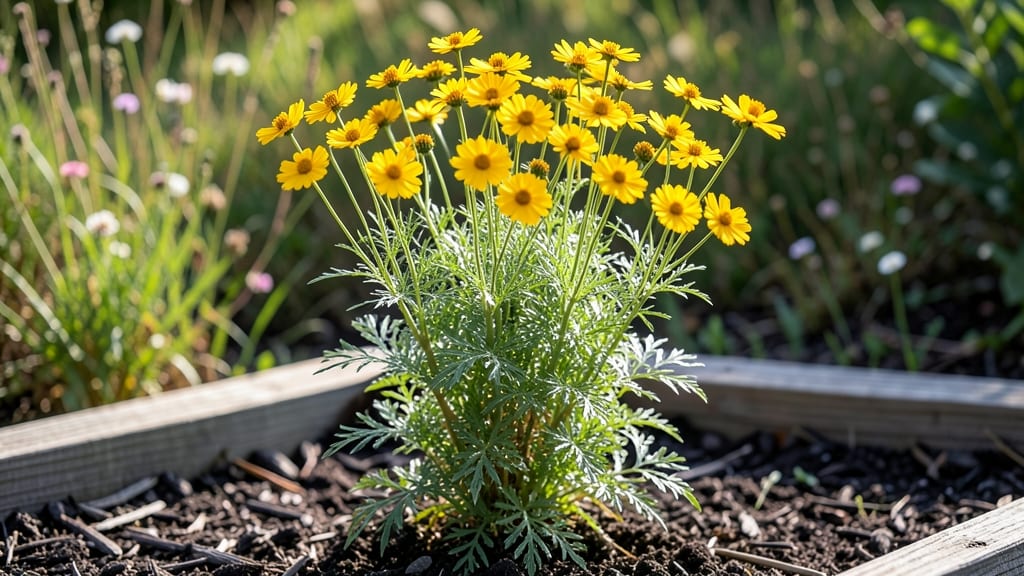
Good morning, yellow flowers turn your garden into a cheerful canvas at sunrise—here’s how to design containers that burst into color with sunflowers, coreopsis, and black-eyed Susans thriving in morning light. 🌻 The secret lies in pairing fast-blooming annuals with perennials that return year after year, creating a low-maintenance display that brightens even the earliest hours.
This recipe works with just three simple containers—hanging baskets, window boxes, or patio pots—and a mix of three to five plants per container. Start with coreopsis for its long bloom season, add sunflowers for height and drama, and fill gaps with daffodils or marigolds for early spring color.
Most varieties need only moderate watering once established, making them perfect for busy gardeners who want instant impact.
You'll end up with a sunlit garden canopy that greets you every morning with vibrant yellow blooms that attract pollinators and lift your spirits. The arrangements stay colorful from late spring through summer, with some perennials extending into fall.
The best part? You can move containers to follow the sun or create seasonal displays with minimal effort.
Works equally well for city balconies, rural patios, or garden borders. Here's how to create your own sunlit morning garden—no green thumb required, just good light and a little planning.
📚 In This Guide
- What you need
- Instructions
- Tips and common mistakes
- Wrapping up and next steps
What you need
- ● Yellow flowering plants: 4–6 Marigolds (e.g., 'French Marigold' or 'African Marigold') – 1 plant per 6-inch container
- ● 3–4 Black-eyed Susans (Rudbeckia hirta) – 1 plant per 8-inch container
- ● 2–3 Coreopsis (e.g., 'Moonbeam' or 'Zagreb') – 1 plant per 6-inch container
- ● Goldenrod (Solidago spp.) – 1 plant per 10-inch container (for taller displays)
- ● Containers: 3–6 terracotta or fiber pots (sizes: 6", 8", and 10" – 1 per plant type)
- ○ Cactus/succulent mix (optional for drainage) or well-draining potting soil (e.g., Miracle-Gro Potting Mix)
- ● Extras for structure: 1–2 bamboo stakes or small trellises (for taller flowers like Goldenrod)
- ● Garden twine or floral wire (to secure plants)
- ● Slow-release fertilizer granules (e.g., Osmocote Smart-Release) for extra blooms
- ● Decorative mulch or pebbles (for a polished look)
- ● Mini watering can or spray bottle (for gentle hydration)
- ● Yellow painted pots or solar-powered lights (to match your theme!)
Step-by-step guide to creating a vibrant yellow flower canopy in containers
Here's how to design a sunlit yellow flower display that wakes up your garden every morning.
🌱 Step 1: Select Complementary Yellow-Blooming Varieties
Start with four container-friendly yellow flowers that thrive together: coreopsis (drought-tolerant), black-eyed Susan (long-blooming), zinnia (bright and prolific), and marigold (heat-loving). I always choose varieties with staggered bloom times—this ensures continuous color from early summer through fall.
Check the mature height of each plant to avoid overcrowding. Coreopsis and black-eyed Susan typically reach 18-24 inches, while zinnias and marigolds stay compact at 12-18 inches. Mixing heights creates visual interest and prevents one variety from dominating the container.
🪴 Step 2: Prepare Containers and Soil Mix
Use large, shallow containers (at least 14 inches wide and deep) with drainage holes to accommodate all four plants. I prefer terracotta pots because they wick away excess moisture, which is critical for yellow flowers prone to powdery mildew in humid conditions.
Fill each container with a well-draining potting mix blended with 20% perlite to prevent compaction. Pre-moisten the mix until it feels like a wrung-out sponge—neither bone-dry nor dripping. This ensures roots establish quickly without drowning.
☀️ Step 3: Arrange Plants for Balanced Sunlight Exposure
Place the tallest plants (coreopsis and black-eyed Susan) toward the back center of the container, where they’ll receive the most light. Position the shorter varieties (zinnias and marigolds) toward the front edges, creating a cascading effect that frames the taller blooms.
Space plants 8-12 inches apart to allow airflow and prevent fungal diseases. Here’s the thing—yellow flowers like marigolds and zinnias thrive in full sun (6+ hours daily), but coreopsis tolerates partial shade. If your container sits in afternoon shade, swap coreopsis for goldenrod, which handles lower light better.
💧 Step 4: Water and Fertilize for Consistent Blooms
Water deeply every 2-3 days until the top 2 inches of soil feel dry. Yellow flowers signal thirst by drooping—don’t wait until leaves crisp. I water in the early morning to reduce evaporation and fungal risks. Use a spray nozzle to avoid disturbing soil around delicate stems.
Feed plants with a balanced liquid fertilizer (10-10-10) every 4-6 weeks during the growing season. Yellow blooms respond dramatically to phosphorus—look for deepening color within 7-10 days of application. Avoid over-fertilizing; too much nitrogen produces lush foliage but fewer flowers.
✂️ Step 5: Prune and Maintain for Long-Lasting Color
Deadhead spent blooms weekly to encourage continuous flowering. Pinch off faded flowers just above the next set of leaves—this redirects energy to new buds. I always prune in the late afternoon when temperatures drop, reducing stress on the plants.
After the first flush of blooms, trim back leggy stems by one-third to promote bushier growth. This is especially important for zinnias, which can become top-heavy. Mulch the soil surface with 1 inch of shredded bark to retain moisture and suppress weeds—yellow flowers hate competition.
Tips & tricks for perfect sunlit yellow flower canopies
These little details make all the difference in creating a vibrant, long-lasting yellow flower display that brightens every morning.
Plant Selection Strategy: When choosing your coreopsis, black-eyed Susan, zinnias, and marigolds, look for plants with slightly different bloom times—this creates that "always in bloom" effect. For example, pair early-blooming coreopsis with late-season zinnias. I've found that nursery-grown plants with buds already forming (rather than just leaves) give you a head start on color.
Container Material Matters: While terracotta is ideal for moisture control, fiberglass or resin containers work beautifully too—they won't crack in freezing temperatures. If using plastic, make sure it has drainage holes drilled in the bottom. Pro tip: Place a saucer under each container to catch excess water and prevent unsightly stains on patios or decks.
Light Exposure Hack: If your container garden gets afternoon shade, rotate the containers every few days to ensure all plants receive balanced sunlight. This is especially important for marigolds and zinnias which need their full 6 hours of sun. I mark the north side of each container with a small piece of colored tape to help me remember which way to rotate them.
Fertilizer Timing: That 10-10-10 fertilizer recommendation works perfectly, but here's the thing about timing: Apply it in the morning when plants are actively photosynthesizing. This gives them the whole day to absorb nutrients before nightfall. I've noticed a dramatic difference in bloom intensity when I stick to this schedule—plants seem to "wake up" with more vibrant yellow hues each morning.
Pro Tips for Good Morning Yellow Flowers
- These little details make all the difference in creating a vibrant, long-lasting yellow flower display that brightens every morning.
- Plant Selection Strategy: When choosing your coreopsis, black-eyed Susan, zinnias, and marigolds, look for plants with slightly different bloom times—this creates that "always in bloom" effect.
- Container Material Matters: While terracotta is ideal for moisture control, fiberglass or resin containers work beautifully too—they won't crack in freezing temperatures.
Frequently asked questions
about growing and enjoying good morning yellow flowers in containersWhat are the best yellow flowers for morning sun containers?
Sun-loving yellow flowers like marigolds, coreopsis, or black-eyed Susans thrive in containers with morning sunlight. Choose drought-tolerant varieties (e.g., Lantana) if your area has hot mornings. Pro tip: Mix in helichrysum for long-lasting blooms!
How much morning sun do yellow flowers really need?
Most yellow container flowers need 4–6 hours of direct morning sun (6+ for tropicals like hibiscus). If mornings are foggy, supplement with afternoon sun. Watch for: Drooping leaves = too much heat; pale blooms = insufficient light.
Why are my yellow flowers wilting in the morning?
Wilting often signals overwatering at night (roots suffocate) or underwatering (containers dry fast in sun). Water deeply in the evening (not morning) and ensure pots have drainage holes. Mulch with pebbles to retain moisture.
Can I grow yellow flowers from seeds in containers?
Yes! Start with fast-growing seeds like marigolds or zinnias (sow directly in soil). Use seed-starting mix in small pots, keep soil moist, and place in bright light (no direct sun until sprouted). Transplant when seedlings have 2–3 leaves.
How do I keep yellow flowers vibrant all season?
Deadhead spent blooms weekly to encourage new flowers. Feed with balanced liquid fertilizer (10-10-10) every 2–3 weeks. Rotate containers occasionally for even sun exposure. Bonus: Add a slow-release fertilizer at planting for long-term color!
Wrapping up and next steps
Starting your day with the cheerful vibes of yellow flowers isn’t just a treat for your senses—it’s a simple way to bring joy, energy, and a touch of nature into your mornings.
Whether you’re crafting a sunlit garden canopy in containers or just admiring their bright blooms, these flowers remind us that beauty is all around us, waiting to brighten even the smallest spaces. 🌻
Ready to turn your balcony, patio, or windowsill into a vibrant haven? Grab your supplies, follow the steps, and let your creativity bloom! Share your sunny creations with us—we’d love to see how your garden glows! 📸✨