
Flowers
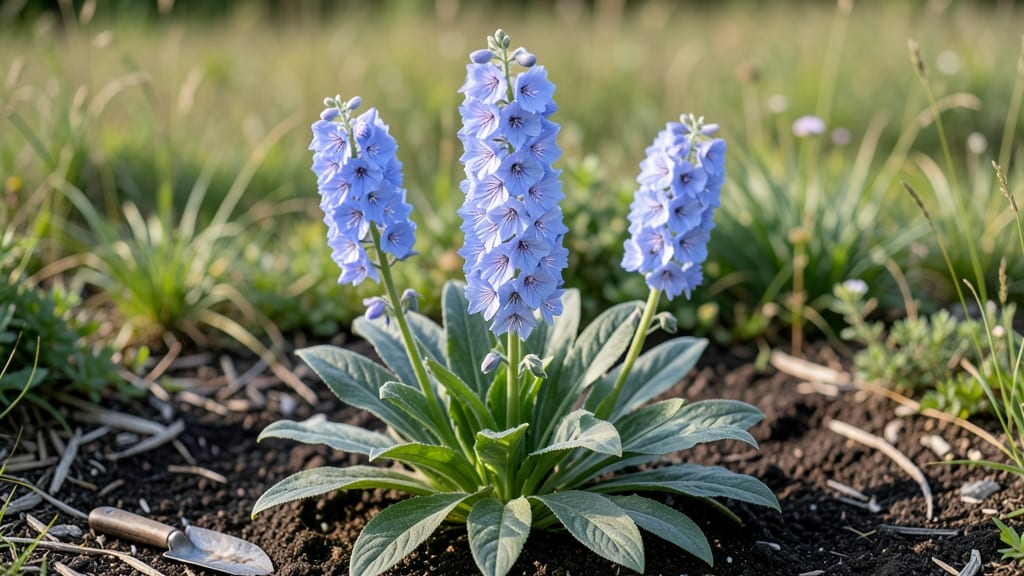
The gorgeous blue flowers you’ll crave—like delphiniums and hydrangeas—can turn your garden into a serene masterpiece 💙, and the secret to year-round vibrancy lies in mixing the right varieties for each season.
Delphiniums bring towering spikes in summer, while hydrangeas shift hues with soil pH, and salvias deliver winter color with minimal fuss. My front yard went from "meh" to "wow" after I mapped out these pairings, and the best part? They work in borders, containers, or even hanging baskets.
Start with three core plants for maximum impact: Delphiniums (6-8 feet tall) for drama, Lobelia (6-12 inches) for cascading spills, and Salvia nemorosa (2-3 feet) for drought tolerance. Add hydrangeas if you love color-changing blooms, and agastache for pollinator appeal.
The key is layering heights and textures—tall spikes behind mounds of trailing plants creates depth that flat arrangements miss.
You’ll end up with a garden that stays lush and cool-toned from spring through fall, with winter interest from evergreen salvias and dried hydrangea blooms. The color harmony comes naturally when you group blues with silvers (like lamb’s ear) or warm neutrals (peach or terracotta pots).
Even in small spaces, a single 5-gallon container with blue lobelia, silver dusty miller, and chartreuse sweet potato vine creates a striking focal point.
For long-lasting results, prune spent blooms to encourage reblooming, and mulch heavily in winter to protect roots. The payoff? A garden that feels like a painted canvas—effortless yet stunning—without relying on seasonal rentals or expensive annuals. Let’s design your blue sanctuary step by step.
📚 In This Guide
- What you need
- Instructions
- Tips and common mistakes
- Wrapping up and next steps
What you need
- ● Dried blue cornflowers (Centaurea cyanus) – 1 cup (for vibrant, papery petals)
- ● Dried statice (Limonium sinuatum) – ½ cup (adds texture and depth)
- ● Blue delphinium petals (or dried hydrangea) – ¼ cup (for bold, velvety hues)
- ● Baby’s breath (Gypsophila paniculata) – ½ cup (for soft, cloud-like volume)
- ● Floral preservative – 1 packet (extends vase life to 10+ days)
- ● Distilled water – 2 cups (prevents bacteria buildup)
- ● Sharp floral scissors (for clean cuts)
- ● Glass vase or container (with a narrow neck for stems)
- ○ Hot glue gun + floral tape (optional, for securing stems)
- ○ Blue-tinted floral dye (optional, to enhance petal color)
- ○ Twine or ribbon (optional, for wrapping stems)
- ● Access to a well-ventilated workspace (if dyeing petals)
- ● Patience for arranging (blue flowers love layering!)
- ● A spray bottle with water (to keep petals fresh while working)
Step-by-step guide to cultivating stunning blue-blooming perennials
Here's how to create a vibrant blue flower display that thrives through multiple seasons.
🌱 Step 1: Select the Right Blue-Blooming Varieties
Focus on proven blue performers like delphiniums, lobelia, salvia, and agapanthus—each brings different textures and bloom times. Delphiniums provide dramatic spires, while lobelia offers delicate trailing blooms perfect for containers. I always plant 3-4 varieties together to ensure continuous color from early spring through fall.
Check your hardiness zone—some blue bloomers like agapanthus thrive in zones 7-10, while delphiniums prefer cooler zones 3-7. Mix cool-season and warm-season varieties to extend your blue season. For example, plant delphiniums in early spring alongside salvia that blooms in late summer.
☀️ Step 2: Prepare the Planting Site for Optimal Growth
Blue flowers need full sun to partial shade, depending on the variety. Delphiniums and agapanthus demand 6+ hours of direct sun daily, while lobelia tolerates morning sun and afternoon shade. Amend heavy clay soil with 2-3 inches of compost to improve drainage—blue bloomers hate soggy roots.
Test your soil pH. Most blue flowers prefer neutral to slightly alkaline soil (pH 6.5-7.5). If your soil is acidic, add crushed limestone at planting time. I always dig a 12-inch deep hole for each plant, mixing in a handful of bone meal for phosphorus to encourage strong root development.
💧 Step 3: Plant with Proper Spacing and Watering
Dig holes twice as wide as the root ball but only as deep. Position plants so the top of the root ball sits just below soil level—burying too deep suffocates stems. Space delphiniums 24-36 inches apart (they grow tall), while lobelia can go in 6-inch pots for containers.
Water deeply immediately after planting to settle the soil. Then, maintain 1 inch of water per week, adjusting for rainfall. Blue flowers are drought-tolerant once established, but young plants need consistent moisture. You'll know they're happy when leaves stay crisp and stems remain upright—not flopping over.
✂️ Step 4: Maintain Through the Growing Season
Deadhead spent blooms regularly to encourage continuous flowering. For delphiniums, I cut back stems to half their height after the first flush of blooms—this triggers a second flush in late summer. Lobelia benefits from a light trim after flowering to keep it compact.
Fertilize lightly in spring with a balanced 10-10-10 formula and again after mid-season blooming. Avoid high-nitrogen fertilizers—they produce lush foliage but fewer flowers. Mulch with 2 inches of organic mulch to retain moisture and suppress weeds, but keep it 3 inches away from stems to prevent rot.
🌿 Step 5: Overwinter for Year-Round Color
Most blue perennials are hardy, but they need winter protection. Cut back dead foliage in late fall, leaving 2-3 inches of stems on delphiniums and salvia. Mulch heavily with 4-6 inches of straw or leaves to insulate roots during cold snaps.
In spring, remove old mulch and add fresh compost before new growth appears. Watch for first true leaves—that's your signal to resume regular watering. With proper care, your blue bloomers will reward you with vibrant color year after year, just like my established garden does.
Tips & tricks for perfect blue-blooming perennial gardens
Creating a stunning blue garden isn't just about planting—it's about understanding the subtle science behind these vibrant bloomers. Here's what I've learned after years of cultivating these showstoppers.
Variety Pairing Strategy: The key to continuous color lies in strategic plant combinations. Delphiniums, with their dramatic vertical spires, pair beautifully with low-growing lobelia that spills over container edges. For extended bloom seasons, I plant cool-season delphiniums alongside salvia that thrives in summer heat. This creates a cascading effect where one variety fades just as another reaches peak bloom—like a living color palette that never stops flowing.
Soil Preparation Secret: While instructions mention amending with compost, here's what nobody tells you: blue flowers actually prefer slightly alkaline soil (pH 6.5-7.5). If your soil tests acidic, don't just add compost—mix in crushed limestone at planting time. I've seen gardens fail spectacularly when growers ignore this detail, with plants struggling to absorb essential nutrients despite proper watering. A simple soil test before planting saves months of frustration.
Watering Technique: The 1-inch weekly watering guideline works, but timing matters more than volume. Water deeply in the morning to allow foliage to dry before evening. Wet leaves at night invite fungal diseases, especially for moisture-loving varieties like lobelia. I use drip irrigation for my blue gardens—it delivers water directly to roots without wetting leaves, and the slow release prevents runoff that wastes water.
Deadheading Discipline: Regular deadheading is non-negotiable for continuous blooms, but timing matters. For delphiniums, I wait until flowers fade to a pale blue before cutting back—this ensures seed development doesn't drain energy from new blooms. With lobelia, I trim just above the lowest set of leaves to encourage bushier growth. The difference between sporadic blooms and lush, continuous color comes down to these precise cuts made at the right moment.
Pro Tips for Gorgeous Blue Flowers
- Creating a stunning blue garden isn't just about planting—it's about understanding the subtle science behind these vibrant bloomers.
- Variety Pairing Strategy: The key to continuous color lies in strategic plant combinations.
- Soil Preparation Secret: While instructions mention amending with compost, here's what nobody tells you: blue flowers actually prefer slightly alkaline soil (pH 6.5-7.5).
Frequently asked questions
What’s the easiest way to grow blue flowers indoors?
Start with African violets or statice—both thrive indoors with bright, indirect light. Use well-draining soil and water only when the top inch feels dry. For instant color, try blue hydrangeas in pots with acidic soil (pH 5.0–6.0) to keep their hue vibrant.
How long does it take for blue flowers to bloom?
Timing varies! Seed-grown blooms like cornflowers may take 8–12 weeks, while established plants (e.g., delphiniums) can flower in 60–90 days with proper care. Potted flowers (like blue salvia) often bloom faster—sometimes in 4–6 weeks.
Can I dye flowers blue at home for arrangements?
Soak white or light-colored flowers (e.g., carnations, roses) in a blue dye solution (food coloring + vinegar) for 2–4 hours. For deeper hues, add a pinch of turmeric or blueberries to the water. Rinse gently to avoid streaks!
Why are my blue flowers fading or turning green?
Fading often means overwatering or poor drainage. Yellowing/green tinges? Check soil pH—blue hydrangeas need acidic soil (pH 5.0–6.0). For other blues (like delphiniums), ensure they get full sun (6+ hours/day) and deadhead spent blooms to encourage reblooming.
Are there blue flowers that grow well in hot climates?
Yes! Opt for blue porterweed (drought-tolerant) or salvia, which thrive in heat. Lantana (blue varieties) also handles humidity and sun beautifully. Just mulch to retain moisture and water deeply 2–3 times/week during dry spells.
Wrapping up and next steps
From delicate Hydrangeas to striking Blue Delphiniums, gorgeous blue flowers bring a touch of serenity and elegance to any space. Whether you’re a seasoned gardener or just starting, these vibrant blooms prove that nature’s palette is endless—with the right care, they’ll thrive all year long! 🌸
Ready to dive in? Start by picking one or two blue beauties from our guide, gather your supplies, and let your creativity bloom. Happy planting—your garden (and Instagram feed) will thank you! 🌿✨