
Flowers
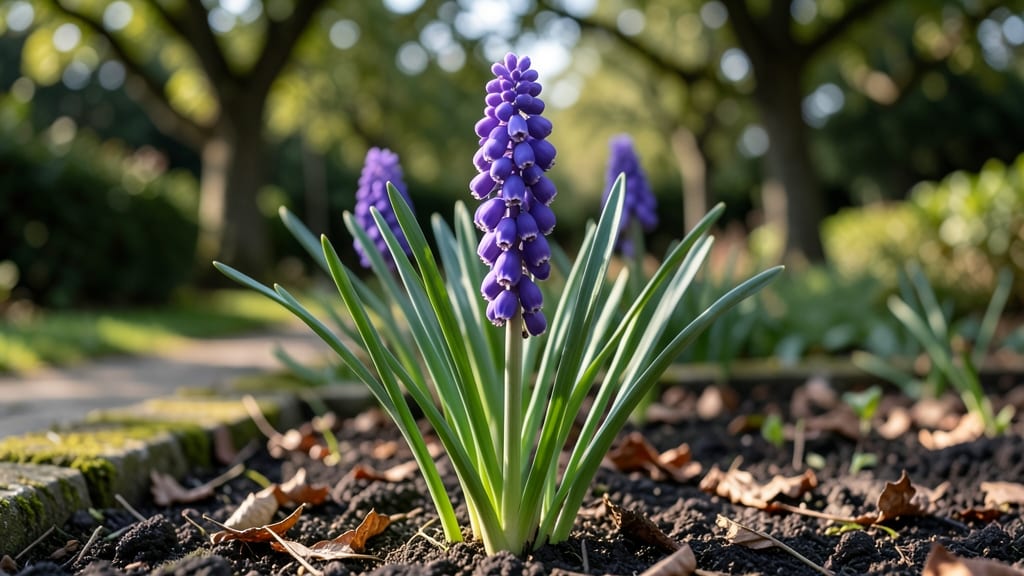
That fragrant purple grape hyacinth wildflower appears before most spring blooms, signaling nature’s early showstoppers. 🌿 I’ll never forget the first time I saw them pushing through my lawn—tiny, bell-shaped blooms that smelled like spring itself.
These hardy wildflowers thrive where others struggle, making them perfect for busy gardeners or shady spots that feel forgotten.
The secret to their success? Full sun to partial shade, well-draining soil, and a little patience. They multiply like crazy, spreading into lush carpets of color with almost no effort.
Plant them in fall or early spring, and by next year, you’ll have clusters of purple, white, or even striped blooms that last for weeks. Even my black thumb can’t kill these.
Once established, they’re nearly maintenance-free—just water occasionally and let them naturalize. Pair them with daffodils, tulips, or creeping thyme for a low-maintenance, high-impact spring display. The fragrance alone makes them worth growing, but the way they bounce back year after year? That’s the real magic.
Whether you’re filling gaps in your garden or creating a wildflower meadow, grape hyacinths deliver instant color with minimal fuss. Let’s get them planted so you can enjoy that first whiff of spring in your own yard.
📚 In This Guide
- What you need
- Instructions
- Tips and common mistakes
- Wrapping up and next steps
What you need
- ● Grape hyacinth bulbs: 10–20 bulbs (depending on desired coverage; plant 3–4 inches deep, 2–3 inches apart). Choose Muscari armeniacum (classic purple) or Muscari botryoides (bluer tones).
- ● Well-draining potting mix or garden soil: Amend with compost (1 part compost to 3 parts soil) for nutrient-rich growth.
- ● Container or garden bed: Containers: 6–12" deep pots with drainage holes (e.g., terracotta or fabric grow bags).
- ● Garden beds: Full sun to partial shade (4+ hours of sunlight daily).
- ● Watering can or hose with gentle spray: For even moisture without damaging bulbs.
- ○ Mulch (optional but recommended): 1–2 inches of shredded bark or straw to retain moisture and suppress weeds.
- ● Garden trowel or bulb planter: For digging holes with precision (3–4" deep).
- ○ Gloves (optional): To protect hands from soil or sharp bulb edges.
- ● Fertilizer (low-nitrogen, balanced formula): 5-10-10 or bulb-specific fertilizer (apply lightly after planting).
- ● Label markers: To track varieties if planting multiple types.
- ● Patience (and a sunny spot!): Bulbs may take 4–6 weeks to sprout in spring.
- ● Epsom salt: 1 tbsp dissolved in water (monthly feed for vibrant blooms).
- ● Garden twine or stakes: For containers to prevent toppling as flowers grow.
- ● Companion plants: Pair with daffodils, tulips, or lavender for a fragrant, early-spring display.
- ● Drought-resistant soil additives: Like perlite or coconut coir for containers in dry climates.
How to grow fragrant grape hyacinth wildflowers from start to bloom
These delicate purple clusters thrive with minimal fuss—just follow these steps for reliable early-season color.
🌱 Step 1: Choose the Perfect Planting Location
Grape hyacinths love partial shade—think 3-6 hours of morning sun with afternoon shade protection. I always plant mine near trees or shrubs where dappled light filters through. The key is avoiding hot afternoon sun, which can scorch their narrow leaves and cause premature flowering.
Test your spot by observing how light moves across the area during the day. If the ground stays cool and moist longer, that's ideal. These wildflowers also tolerate light shade under deciduous trees, making them perfect for woodland garden edges or understory plantings.
🌿 Step 2: Prepare Soil and Plant Bulbs Correctly
Work 2-3 inches of compost into the top 6 inches of native soil to improve drainage and fertility. Grape hyacinths hate soggy soil—amend heavy clay by mixing in sand or perlite until the texture resembles crumbly cake batter. I like to add a handful of bone meal at planting time for extra phosphorus, which encourages strong root development.
Plant bulbs 3-4 inches deep and 2-3 inches apart in clusters of 5-7 for natural-looking drifts. The bulbs should sit twice as deep as their height—if they're 1 inch tall, aim for 2 inches deep. Press the surrounding soil firmly but gently to eliminate air pockets around the bulbs.
💧 Step 3: Water and Maintain Through the First Season
Water immediately after planting to settle the soil, then maintain consistent moisture until the foliage appears. After that, water deeply once a week unless rainfall provides 1 inch of moisture. The goal is to keep the soil evenly damp but never waterlogged—grape hyacinths rot quickly in soggy conditions.
Leave the dried foliage standing until it turns completely brown in late summer. This allows the bulbs to photosynthesize and store energy for next year's blooms. I mark planting locations with small flags so I don't accidentally dig them up when the foliage disappears.
⏰ Step 4: Enjoy Early Blooms and Plan for Next Year
Expect purple flower spikes to emerge in late winter to early spring, often 4-6 weeks before other spring bulbs. The fragrance is subtle but intoxicating—best enjoyed up close on warm mornings. Deadhead spent blooms by snipping the flower stalks at the base, but leave the foliage until it yellows naturally.
After blooming, fertilize lightly with balanced 10-10-10 in early fall to encourage next year's flowers. These bulbs multiply quickly—you'll often see volunteer plants popping up nearby. Transplant any stragglers to fill gaps or share with fellow gardeners.
Tips & tricks for perfect grape hyacinth wildflower planting
Here's what nobody tells you about getting these fragrant bloomers to thrive year after year.
Lighting Strategy: In Step 1, when choosing your spot, look for areas where morning sunlight hits the ground but afternoon shade kicks in by 11 AM. I've found that grape hyacinths planted near evergreen shrubs get just enough light to flourish without overheating. If you're working with a sunny yard, consider planting them on the north side of structures or fences to create natural shade during peak sun hours.
Soil Prep Secret: For Step 2, don't just add compost—think about creating the perfect crumbly texture. I mix in equal parts compost and perlite for heavy clay soils, which prevents waterlogging while still providing nutrients. The "cake batter" consistency test is crucial: when you squeeze a handful, it should hold its shape but still crumble easily between your fingers. This texture mimics their natural woodland habitat.
Planting Depth Hack: When planting those 3-4 inch deep bulbs in Step 2, use a small ruler or even a pencil to mark your depth. I've learned the hard way that planting too shallow can cause premature blooming, while going too deep stunts growth. For those 1-inch tall bulbs, aim for exactly 2 inches deep—this ensures proper root development without wasting energy trying to reach the surface.
Watering Wisdom: In Step 3, that "deeply once a week" rule assumes average rainfall. If you're in a drought-prone area, check soil moisture by sticking your finger 2 inches down—if it's dry, water thoroughly. I've seen grape hyacinths wilt dramatically when soil dries out completely, but they bounce back quickly once properly hydrated. Mulching with straw helps maintain even moisture without smothering the plants.
Pro Tips for Grape Hyacinth Wildflower
- Here's what nobody tells you about getting these fragrant bloomers to thrive year after year.
- Lighting Strategy: In Step 1, when choosing your spot, look for areas where morning sunlight hits the ground but afternoon shade kicks in by 11 AM.
- Soil Prep Secret: For Step 2, don't just add compost—think about creating the perfect crumbly texture.
Frequently asked questions
When is the best time to plant grape hyacinth bulbs?
Plant grape hyacinth bulbs in early fall (6–8 weeks before the first frost) for spring blooms. If your climate is mild, you can plant in late fall or early winter. Avoid planting in summer—they need a cold period to establish roots. For containers, plant them in late summer or early fall to mimic natural conditions.
How do I keep grape hyacinths from spreading too much?
These bulbs are aggressive spreaders! To control them, plant in containers or dig up and divide clumps every 2–3 years in early summer after blooming. For garden beds, plant along borders or in areas where you can enjoy their spread—they’ll naturalize beautifully but may overtake smaller plants.
Will grape hyacinths survive a harsh winter?
Yes! Grape hyacinths are hardy in USDA zones 3–9 and tolerate cold winters. They thrive in full sun to partial shade and well-draining soil. In extreme heat zones (10+), plant in partial shade and keep soil moist until established. Mulch lightly in winter for extra protection in colder climates.
Why aren’t my grape hyacinths blooming this year?
No blooms? Check these fixes:
- Not enough sunlight? Move to a sunnier spot.
- Overcrowded bulbs? Divide and replant.
- Poor soil? Amend with compost for better nutrients.
- Too much water? Ensure well-draining soil.
If they’re leafy but no flowers, they may need a rest period—let foliage die back naturally after blooming.
What are some great alternatives to grape hyacinth?
If you love early spring bloomers but want variety, try these low-maintenance, fragrant options:
- Crocus – Blooms even earlier, great for pollinators.
- Daffodils (Narcissus) – Deer-resistant and long-lasting.
- Snowdrops (Galanthus) – Hardy and delicate-looking.
- Scilla (Siberian squill) – Similar purple blooms, loves shade.
All thrive in similar conditions but offer different heights and colors!
Wrapping up and next steps
Growing grape hyacinth wildflowers is a rewarding journey that brings vibrant purple blooms and a delightful fragrance to your garden early in the season.
With the right location, soil, and care, these hardy perennials will thrive, offering years of beauty with minimal effort. Now’s the perfect time to take action—plant a few bulbs this fall and enjoy their cheerful display next spring!
🌱 Next Steps:
- Order or dig up bulbs from a trusted supplier.
- Mark your calendar for fall planting (ideal timing is 6-8 weeks before frost).
- Share your progress with fellow gardeners—tag us in your photos! 📸