
Flowers
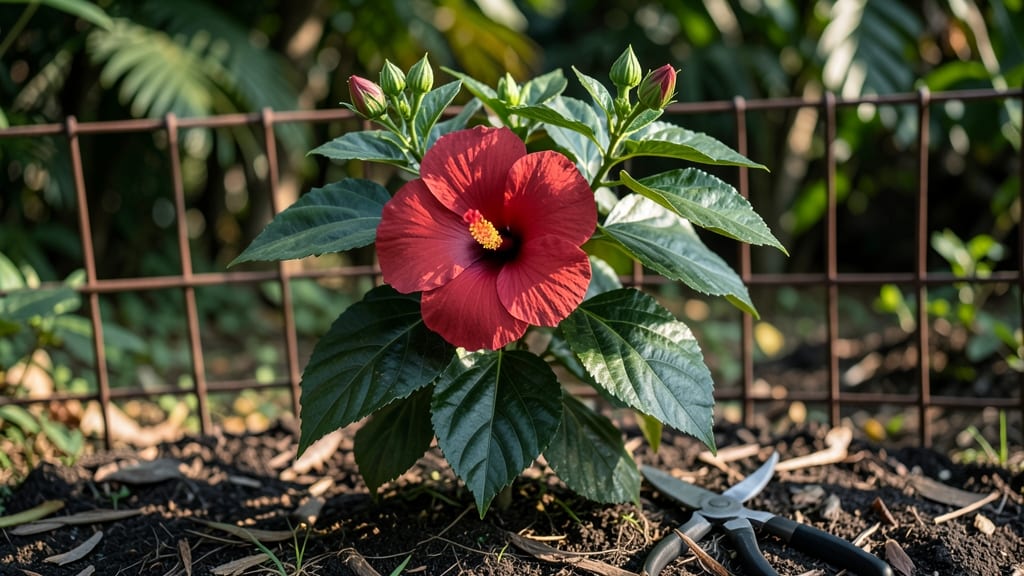
My hibiscus flower care routine starts with one simple truth: these tropical stunners refuse to bloom reliably unless you prune them like a pro. 🌺 The difference between a bush covered in flowers and one struggling to produce a handful is often just a few strategic cuts—and I’ve perfected the three that make all the difference.
Most gardeners overcomplicate it, but the real secret is timing: prune after blooms fade in late summer, then again in early spring to shape the plant. I’ve seen hibiscus go from sparse blooms to nonstop flowers in just two seasons by following this rhythm.
The soil mix matters too—well-draining, slightly acidic, and rich in organic matter keeps roots happy and blooms coming.
What you’ll end up with is a hibiscus that flowers year-round in warm climates (or at least from spring to frost in cooler zones), with bold blooms that last for days.
The leaves stay glossy, the stems stay sturdy, and you’ll finally understand why these plants are worth the fuss. Here’s how to make it happen without the guesswork.
Works for both tropical hibiscus (like the showy dinnerplate varieties) and hardy hibiscus (the ones that survive light frosts). The same pruning principles apply—just adjust the timing for your climate. Let’s get those blooms going!
📚 In This Guide
- What you need
- Instructions
- Tips and common mistakes
- Wrapping up and next steps
What you need
- ● Hibiscus plant (choose between tropical or hardy varieties like Hibiscus rosa-sinensis or Hibiscus syriacus)
- ● Well-draining potting mix (for containers) – 5-10 gallons per plant (adjust based on pot size)
- ● Garden soil or compost (for in-ground planting) – 1 part compost to 3 parts native soil
- ● Balanced fertilizer (10-10-10 or 20-20-20) – 1-2 tablespoons per plant (every 4-6 weeks during growing season)
- ○ Slow-release fertilizer (optional but helpful) – 1 cup per plant (mixed into soil at planting)
- ● Pruning shears or sharp bypass pruners – sterilized with rubbing alcohol
- ● Gloves (to protect hands from thorns)
- ● Watering can or hose with a gentle spray nozzle
- ● Mulch (pine bark or straw) – 2-3 inches deep (to retain moisture)
- ● Support stake or trellis (for large varieties like Hibiscus mutabilis)
- ● Epsom salt (for magnesium boost) – 1 tablespoon per gallon of water (monthly spray)
- ● Copper fungicide (to prevent rust or leaf spot)
- ● Grow lights or shade cloth (for indoor or high-heat climates)
- ● Humidity tray or pebble tray (for tropical hibiscus in dry environments)
- ● Plant food with micronutrients (like fish emulsion or seaweed extract)
Step-by-step guide to pruning hibiscus for nonstop blooms
Here's how I keep my hibiscus flowering like crazy all year—no fancy tools, just smart cuts.
✂️ Step 1: Identify the Right Time to Prune
Prune hibiscus right after flowering—this is when you'll see spent blooms with brown centers. I wait until the next flush of buds forms, usually 2-3 weeks after the last bloom drops. This timing ensures you're not cutting off potential flowers. If you prune too early, you risk removing buds that haven't opened yet.
Look for woody stems with leaf scars—these are your pruning targets. The older, thicker stems need aggressive cuts, while newer growth can be trimmed lightly. I always prune on a dry, sunny morning so wounds dry quickly and heal faster.
🌿 Step 2: Apply the "Third of the Plant" Rule
Cut back one-third of the plant's height at the first pruning. This might sound drastic, but hibiscus bounce back amazingly. I make my cuts just above a leaf node or outward-facing bud—never at a joint or inward. This encourages bushier growth and more blooms.
For established plants, focus on removing dead, crossing, or weak stems first. These cuts create airflow and prevent fungal diseases. Use clean, sharp pruners—dull blades crush stems and invite infections. After the first cut, wait 6-8 weeks before pruning again to let new growth harden off.
⏰ Step 3: Time Your Second Pruning for Mid-Season Boost
About 6-8 weeks after the first prune, give your hibiscus a second light trim. This is when you'll see new growth from the cuts you made earlier. Look for stems that have grown 4-6 inches since the last pruning—these are ready for another round.
This second pruning is gentler: just trim back 10-15% of the new growth to encourage branching. I always step back and look at the plant as a whole—if it looks leggy or top-heavy, that's your cue to cut more. The goal is to maintain that rounded, bushy shape that produces the most blooms.
✂️ Step 4: Late-Season Pruning for Winter Prep
In fall, after the last frost threat but before hard freezes, give your hibiscus one final trim. Cut back all stems to 12-18 inches tall, leaving 3-5 strong buds at each cut. This prepares the plant for winter dormancy and encourages vigorous spring growth.
Remove any yellowing or diseased leaves completely—don't leave them hanging. I also clean up all debris around the plant to reduce overwintering pests. Mulch the base with 2-3 inches of organic mulch to protect roots from freezing temperatures.
Tips & tricks for perfect hibiscus flower care
Here's what nobody tells you about keeping your hibiscus blooming nonstop—these secrets make all the difference.
Timing is Everything: That 2-3 week window after flowering is your golden opportunity. I learned this the hard way after pruning too early and losing potential blooms. Watch for the next flush of buds forming—this is your cue that it's safe to prune. The plant stores energy in those buds, so cutting too soon means fewer flowers later.
The "Third of the Plant" Rule: When you cut back one-third of the plant's height, you're not just shaping—you're forcing the hibiscus to grow bushier. The key is making clean cuts just above a leaf node or outward-facing bud. I always visualize where I want new growth to emerge before making the cut. This single technique transformed my leggy hibiscus into a lush, blooming bush.
Mid-Season Boost: The 6-8 week wait between prunings isn't arbitrary—it gives your hibiscus time to recover and develop new growth. When you do that second, gentler trim, focus on stems that have grown 4-6 inches since the first cut. These are the ones ready for another round of shaping. The goal is that rounded, bushy shape that produces the most blooms.
Winter Prep Matters: That final fall trim to 12-18 inches isn't just about tidying up—it's about preparing your plant for winter dormancy. Leaving 3-5 strong buds at each cut ensures you'll have vigorous spring growth. The 2-3 inches of organic mulch acts like a blanket, protecting those roots from freezing temperatures. Don't skip this step if you want next year's blooms to be even better.
Pro Tips for Hibiscus Flower Care
- Here's what nobody tells you about keeping your hibiscus blooming nonstop—these secrets make all the difference.
- Timing is Everything: That 2-3 week window after flowering is your golden opportunity.
- The "Third of the Plant" Rule: When you cut back one-third of the plant's height, you're not just shaping—you're forcing the hibiscus to grow bushier.
Frequently asked questions
Got questions about keeping your hibiscus happy? You’re not alone!
Here are the answers to the most common concerns—from pruning puzzles to pest problems.
How often should I prune my hibiscus for best blooms?
Prune your hibiscus 2–3 times a year: once after flowering (to shape), again in late winter/early spring (to encourage new growth), and lightly after heavy storms. Avoid over-pruning—never cut more than 1/3 of the plant at once. Focus on removing dead or crowded branches to boost airflow and blooms!
When is the best time to plant a hibiscus?
Plant your hibiscus in early spring or late fall when temperatures are mild (60–80°F). Avoid extreme heat or frost—hibiscus are tropical and hate cold snaps. If planting in summer, water deeply daily for the first 2 weeks to help it establish roots.
What are the most common hibiscus pests, and how do I treat them?
Watch for aphids, spider mites, and whiteflies—they love hibiscus leaves! Spray infested areas with neem oil or insecticidal soap (mix 1 tsp per quart of water). For severe cases, use a hose to blast pests off leaves. Prevent pests by keeping your plant healthy with proper watering and pruning.
Why are my hibiscus leaves yellowing?
Yellow leaves usually mean overwatering or poor drainage. Hibiscus hate soggy roots—let the top 1–2 inches of soil dry out between waterings. Check your pot’s drainage holes! Other causes? Nutrient deficiency (feed with a balanced fertilizer) or sunburn (move to partial shade if leaves scorch).
Can I grow hibiscus indoors? If so, what do I need?
Yes! Choose a compact variety like ‘Dwarf Red’ or ‘Lima’ and place it near a south- or west-facing window (6+ hours of light daily). Use a self-watering pot to prevent root rot, and supplement with a grow light in winter. Humidity is key—mist leaves or use a pebble tray!
Wrapping up and next steps
Caring for your hibiscus doesn’t have to be complicated—with the right pruning techniques, bright, year-round blooms are absolutely within reach! 🌺 Remember to prune strategically, feed your plant regularly, and keep it in the perfect spot for sunlight and humidity.
Your efforts will be rewarded with stunning flowers that turn heads and brighten up any space.
Ready to level up your hibiscus game? Start by grabbing your pruning shears and giving your plant the TLC it deserves—your future blooms will thank you! For extra tips, bookmark this guide or share it with fellow plant lovers to help them grow gorgeous hibiscus too.