
Flowers
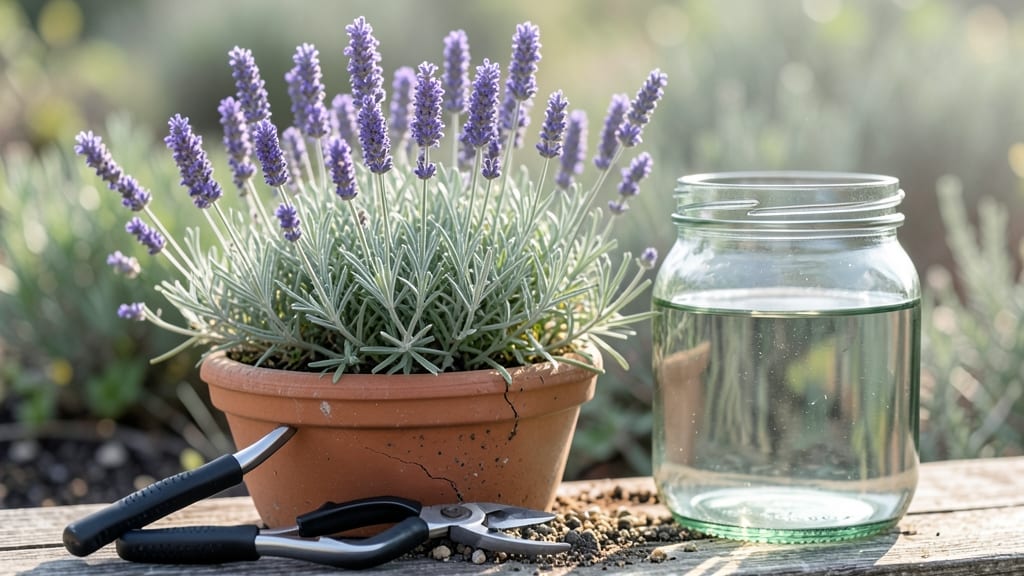
Cutting lavender flowers at the right time turns a fragrant bush into a year-round powerhouse of scent and bloom. I learned this the hard way—skipping the prune left my plants leggy and sparse, while over-trimming killed the growth I wanted.
The secret lies in timing: never cut back after the first frost, and always wait until the flowers have faded completely. That single rule saved my lavender from becoming a woody mess.
You’ll need just two things: sharp pruning shears (dull blades tear stems and invite disease) and a sunny afternoon. Start by removing any dead or woody stems at the base—these never regrow. Then, cut back the flower stems by about one-third, just above a set of healthy leaves.
This encourages fresh growth while keeping the plant compact. The goal is to shape it like a rounded dome, not a flat pancake.
What you’ll end up with is a bush that smells like a Provençal summer even in winter. The pruned stems make fragrant bundles for sachets, and the plant blooms thicker the next season.
I’ve pruned my lavender this way for five years, and the difference between my bushes and my neighbors’ scraggly ones? Precision matters more than frequency.
For those in colder zones, hold off until spring—never prune lavender in winter, when the plant is dormant. And if you’re growing it in containers, prune slightly more aggressively to keep it from outgrowing its pot.
The key is patience: lavender grows slowly, and rushing the process leads to regret. Trust me, your future self will thank you when you walk by and the air fills with that familiar, sweet scent.
📚 In This Guide
- What you need
- Instructions
- Tips and common mistakes
- Wrapping up and next steps
What you need
- ● Sharp pruning shears or bypass pruners – Choose clean, sterilized tools with a 4- to 6-inch blade for precision cuts.
- ○ Gloves (optional but recommended) – Wear gardening gloves to protect your hands from prickly stems and essential oils.
- ● Lavender plants in full bloom – Select healthy, mature plants (at least 1-2 years old) with woody stems.
- ● Ruler or measuring tape – For 1/3 to 1/2-inch measurements (key for proper trimming!).
- ● Disinfectant (rubbing alcohol or bleach solution) – Clean tools before and after use to prevent disease spread.
- ● Bucket or container for clippings – A 5-gallon bucket works well for collecting cuttings or dried stems.
- ● Hand pruners (for smaller stems) – Useful for delicate trimming in tight spaces.
- ● Knee pad or stool – Makes cutting easier if your lavender is ground-level or tall.
- ● Spray bottle with water – Keeps stems hydrated if you’re drying them for crafts.
- ● Labeling tags or markers – If you’re saving seeds or cuttings for propagation.
- ● Drying rack or mesh bag – For hang-drying lavender (if you plan to use it for sachets or potpourri).
Step-by-step guide for cutting lavender flowers
Here's how I keep my lavender bushes thriving and fragrant all season long.
✂️ Step 1: Choose the Right Time for Trimming
Timing matters more than you'd think. Cut lavender flowers right after they've fully bloomed but before the buds start to brown. This usually falls in late spring to early summer for most varieties, but watch your plants closely. The ideal moment is when about half the flowers have opened—this ensures you harvest at peak fragrance and leave enough energy for next year's growth.
Never trim lavender in fall or winter. The plant needs those stems to protect its center from harsh weather. And avoid cutting in extreme heat—lavender hates stress during hot spells. I always trim on a cool morning when the air is still crisp. This reduces shock to the plant and makes the flowers easier to handle.
✂️ Step 2: Use Proper Tools for Clean Cuts
Sharp, clean tools are non-negotiable. I use bypass pruners for larger stems and sharp scissors for finer trimming. Dull blades crush stems and invite disease. Before you start, wipe your tools with rubbing alcohol to prevent spreading any hidden pathogens. Lavender is resilient, but it doesn't like dirty cuts.
Make cuts at a 45-degree angle, about ¼ inch above a leaf node or side bud. This encourages bushier growth next season. Avoid cutting into old wood—the woody stems in the center won't regrow. If you accidentally cut too far, don't panic. Lavender forgives a lot, but precision keeps it looking its best.
✂️ Step 3: Trim Strategically for Shape and Health
Start by removing any dead or diseased stems first. These look brown and crispy, often at the base of the plant. Snip them off completely at the base. Next, shape the plant by cutting back the longest stems to maintain a rounded form. This prevents leggy growth and keeps the center from becoming bare.
For bouquets, select stems with fully open buds and cut them just above a set of leaves. Bundle them loosely and place in a vase with 1 inch of water—lavender stems don't absorb much moisture, so change the water daily. The key is to leave at least ⅓ of the plant's height uncut. This ensures the lavender has enough foliage to photosynthesize and regrow.
✂️ Step 4: Encourage New Growth After Trimming
After trimming, give your lavender a light feeding with a balanced fertilizer (like 10-10-10) to support regrowth. Water at the base only—never get the foliage wet, as this causes rot. Lavender thrives on neglect, but a little care after trimming helps it bounce back stronger.
Watch for new growth within 4-6 weeks. You'll see fresh green shoots pushing from the base and along the stems. If you notice any yellowing leaves, it's usually a sign of overwatering. Lavender prefers dry, well-draining soil and won't tolerate soggy roots. Adjust your watering habits if needed—once established, lavender rarely needs extra water.
✂️ Step 5: Preserve and Use Your Harvest
Lavender dries beautifully if handled properly. Bundle stems and hang them upside down in a dry, dark, well-ventilated space for 2-3 weeks. Once fully dry, strip the flowers from the stems and store them in an airtight container away from light. For immediate use, place fresh-cut lavender in a vase with pebble stones to keep stems elevated and prevent rot.
Here's the thing—don't overharvest. I never take more than ⅓ of the plant's flowers in one season. This ensures your lavender keeps producing fragrant blooms year after year. If you're growing lavender for oil extraction, harvest in the morning when the essential oils are at their peak concentration. Always leave enough foliage to keep the plant healthy and vigorous.
Tips & tricks for perfect lavender flower trimming
These simple strategies will help you keep your lavender bushes looking their best while maximizing fragrance and longevity.
Timing is Everything: The ideal moment to trim is when about half the flowers have opened—this ensures peak fragrance while leaving enough energy for next year's blooms. I've found that trimming on a cool morning after dew has evaporated prevents shock to the plant and makes the flowers easier to handle. If you're harvesting for oil extraction, morning is best as essential oils are most concentrated then.
Tool Selection Matters: Using bypass pruners for larger stems and sharp scissors for finer cuts creates cleaner wounds that heal faster. I always wipe my tools with rubbing alcohol before starting—this prevents spreading any hidden pathogens that could harm your lavender. Remember, lavender forgives a lot, but precision keeps it looking its best year after year.
Strategic Trimming Techniques: When shaping your plant, always leave at least ⅓ of the height uncut to maintain photosynthesis. For bouquets, select stems with fully open buds and cut just above a set of leaves. This encourages bushier growth next season. The 45-degree angle cut about ¼ inch above a leaf node is crucial—it prevents water from pooling on the cut surface, which can cause rot.
Post-Trimming Care: After trimming, give your lavender a light feeding with a balanced fertilizer like 10-10-10 to support regrowth. Watch for new growth within 4-6 weeks—this tells you the plant is recovering well. If you notice yellowing leaves, it's usually a sign of overwatering. Lavender thrives on neglect, so adjust your watering habits if needed—once established, it rarely needs extra water.
Pro Tips for Cut Lavender Flowers
- These simple strategies will help you keep your lavender bushes looking their best while maximizing fragrance and longevity.
- Timing is Everything: The ideal moment to trim is when about half the flowers have opened—this ensures peak fragrance while leaving enough energy for next year's blooms.
- Tool Selection Matters: Using bypass pruners for larger stems and sharp scissors for finer cuts creates cleaner wounds that heal faster.
Frequently asked questions
Got questions about cutting lavender? You’re not alone! Here are answers to the most common queries to help you trim like a pro and keep your lavender thriving.
When is the best time to cut lavender flowers?
The ideal time to cut lavender is early morning after the dew has dried but before the sun gets too hot. This ensures the stems are hydrated and the flowers are at their freshest. Avoid cutting in the evening, as moisture can promote fungal growth.
How much should I cut back lavender plants each year?
For most lavender varieties, trim back one-third of the plant’s height in early spring. Avoid cutting into the woody base, as this can harm the plant. Lightly shape the plant after flowering to encourage bushier growth and prevent legginess.
Can I cut lavender flowers that haven’t bloomed yet?
Yes! Cutting budding lavender (just as the buds form) can encourage a second flush of flowers later in the season. However, avoid cutting more than 20-30% of the plant at once to prevent stress. Harvest in stages for continuous blooms.
What should I do if my lavender stems wilt after cutting?
Wilting can happen if stems aren’t hydrated properly. Immediately place cut lavender in lukewarm water and trim the ends at an angle. Avoid cold water, which can shock the stems. If wilting persists, check for overcrowded stems or fungal issues.
Can I use pruning shears or scissors to cut lavender?
While scissors work for small stems, sharp, clean pruning shears are best for larger cuts. Avoid dull tools, as they crush stems and invite disease. Sterilize shears with rubbing alcohol between cuts to prevent bacterial spread.
Pro Tip:
Need extra fragrance? Bundle cut lavender stems with rubber bands and hang them upside down in a dry, dark place for 1-2 weeks to dry. Once fully dry, strip the flowers and store them in airtight containers for long-lasting lavender sachets!
Wrapping up and next steps
Cutting lavender flowers doesn’t have to be intimidating—with the right tools and a little patience, you’ll enjoy year-round fragrance and beauty from your garden! Remember to trim just above a leaf node, avoid over-pruning, and always use sharp shears for clean cuts.
Whether you’re harvesting for bouquets, drying, or simply maintaining your plants, these steps will keep your lavender thriving and aromatic.
Ready to elevate your garden game? Start small—pick a sunny spot, grab your tools, and give it a try! Soon, your home will smell like a luxurious spa retreat. Happy trimming! 🌿✨